في هذا المقال11
- What Makes Modern FUE Different From Earlier Techniques?
- Advanced FUE Planning Starts With Donor-Area Assessment
- Extraction Precision and Graft Protection During Surgery
- Sapphire FUE and DHI: Understanding the Implantation Options
- Hairline Design, Density and Natural Direction of Growth
- Recovery, Growth Timeline and Aftercare Expectations
- Who May Be Suitable for a Refined FUE Procedure?
- Practical Aftercare: Protecting Grafts During the First Two Weeks
- A More Detailed FUE Timeline: From Travel Home to Month 12
- Planning Your Istanbul Visit for an FUE Procedure
- Frequently Asked Questions
Advanced fue describes a refined follicular unit extraction approach that combines careful donor planning, precise graft handling and controlled implantation. It can support natural-looking hair restoration in suitable candidates, but the best technique depends on your hair characteristics, hair-loss pattern and medical assessment.
- Advanced FUE is a method of extracting individual follicular units and placing them according to a personalised surgical plan.
- Natural-looking results depend on donor management, hairline design, graft handling and long-term planning, not only the extraction tool.
- Sapphire FUE and DHI are different implantation approaches that may be selected according to the patient’s clinical needs.
- FUE surgery involves recovery time and potential risks, including swelling, temporary shedding and limited donor supply.
- A doctor-led assessment is essential to confirm candidacy, discuss realistic coverage and plan ongoing follow-up.
01What Makes Modern FUE Different From Earlier Techniques?
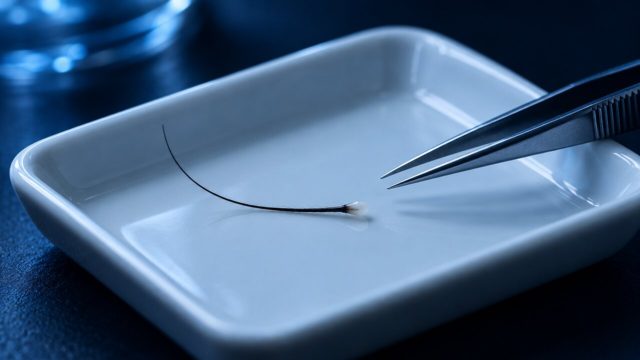
Advanced fue is not one single device or a universal formula for every patient. It is a patient-focused way of performing follicular unit extraction, also called FUE, with attention to diagnosis, donor-area preservation, graft sorting, implantation angles and follow-up. During FUE, naturally occurring groups of hairs, known as follicular units, are removed individually from the donor area, usually at the back and sides of the scalp. These grafts are then transplanted into areas affected by thinning or baldness.
Earlier hair transplant approaches may have focused mainly on moving a high number of grafts. Modern planning places greater importance on how the donor area will look after extraction and how the transplanted hair may continue to look as natural hair loss changes over time. The surgeon considers hair calibre, curl, colour contrast between hair and scalp, density, scalp condition and the likely progression of hair loss. These details can influence how much coverage is safely achievable.
The word advanced should therefore be understood carefully. It does not mean that a procedure can create unlimited density or stop future hair loss. It usually refers to the use of refined instruments, controlled surgical steps and detailed planning. A responsible consultation should include a discussion of limitations, the available donor reserve and whether medical treatment or a future procedure may be relevant for maintaining the overall appearance.
02Advanced FUE Planning Starts With Donor-Area Assessment
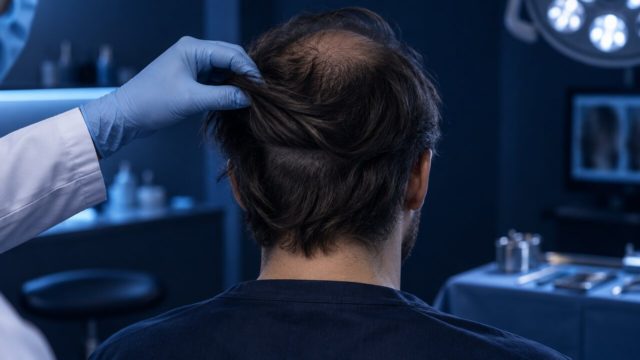
A good FUE result begins before any graft is extracted. The donor area needs to be examined for density, hair thickness, follicular-unit distribution and signs of scalp disease or previous surgery. A clinician also reviews the recipient area, the pattern of hair loss and the quality of existing hair. This assessment helps determine whether transplantation is appropriate and how many grafts may be collected without making the donor region appear excessively thinned.
Donor management is especially important because donor hair is limited. Removing too many grafts from a small area, or taking them too closely together, can leave visible thinning, patchiness or a moth-eaten appearance. A carefully planned extraction pattern distributes removals across a suitable donor zone. The goal is typically to preserve an even appearance in the donor area while collecting grafts that can contribute meaningfully to the recipient area.
Long-term planning also matters for younger patients and for anyone with active or progressive hair loss. A very low, dense hairline may look attractive immediately after surgery but may not remain balanced if hair loss continues behind it. Doctors commonly assess facial proportions, age, family history and the predicted pattern of loss before suggesting a hairline design. Your doctor will confirm whether a conservative or more extensive plan is clinically appropriate.
03Extraction Precision and Graft Protection During Surgery
FUE extraction uses a small punch instrument to separate each follicular unit from the surrounding tissue before it is removed. The punch size, extraction angle and depth must be adapted to the direction in which the follicles sit beneath the skin. If the angle is poorly matched, follicles can be damaged during extraction. This is why technical control and an experienced surgical team are central parts of the procedure.
After extraction, grafts require careful handling. They are commonly inspected, sorted and kept protected until implantation. Follicular units may contain one, two, three or more hairs, and their placement can be planned according to the visual needs of each area. Single-hair grafts are often useful at the front of a hairline, while multi-hair grafts may be placed behind it to build coverage. The precise distribution varies from patient to patient.
At Acibadem Hair Transplant Center, results are measured by trichoscopic graft survival at month 12, with a documented 98% rate under written guarantee. This measurement relates to graft survival and should not be interpreted as a promise of identical cosmetic density or appearance for every person. Individual results can be influenced by the donor supply, scalp characteristics, healing, existing hair loss and adherence to post-procedure instructions.
04Sapphire FUE and DHI: Understanding the Implantation Options
Sapphire FUE and DHI are both techniques used within modern hair restoration planning, but they describe different parts of the surgical process. In Sapphire FUE, grafts are extracted individually and the recipient area is prepared with fine sapphire blades before graft placement. The size, direction and angle of these recipient sites are planned to support a natural growth pattern and appropriate distribution of hair.
DHI, or direct hair implantation, uses a specialised implantation instrument to place grafts into the recipient area. Depending on the clinical plan, this method can allow the creation of the implantation channel and placement of the graft in a closely controlled step. It may be considered for certain patients, including those requiring detailed work between existing hairs, although suitability cannot be decided from a photograph alone.
Neither method is automatically superior for all patients. A technique that is helpful for a dense frontal zone may not be the ideal choice for a larger area of baldness, and some plans may use different approaches for different scalp zones. The most appropriate option depends on the number and type of grafts, the recipient-area goals, the condition of existing hair and the doctor’s assessment. A clinic should explain why a particular method is being recommended rather than presenting one name as a guaranteed solution.
05Hairline Design, Density and Natural Direction of Growth
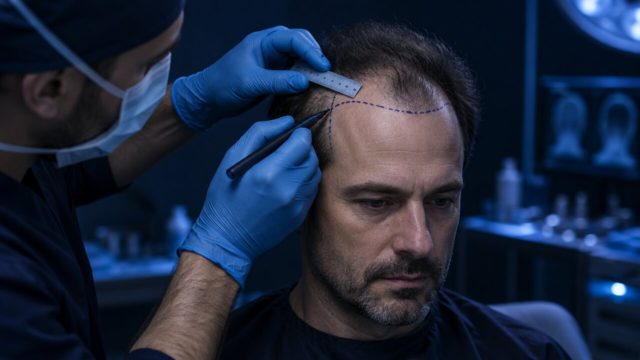
The visible quality of a transplant is shaped by more than the number of implanted grafts. Hair grows at different angles and directions across the scalp: forward and slightly downward at the hairline, gradually changing through the frontal region, temples, mid-scalp and crown. Recipient sites need to follow these patterns so that the transplanted hair blends with existing hair and can be styled naturally after it grows.
A natural hairline is generally irregular in a controlled way. It avoids looking like a straight drawn line and often includes fine, single-hair grafts at the leading edge. Behind this softer transition, grafts can be arranged to provide more visual fullness. The available donor hair, the texture of the hair and the contrast between skin and hair all affect the density that can be achieved. Curly or wavy hair, for example, may provide more visual coverage than very straight, fine hair with the same graft count.
In advanced fue planning, density goals should remain realistic. A transplant redistributes existing donor hair; it does not create new follicles. If the recipient area is large and donor resources are modest, the plan may prioritise the hairline and frontal region because these areas frame the face. In other cases, the mid-scalp or crown may also be treated. The right balance is personal and should be agreed after a clear discussion of priorities and limitations.
06Recovery, Growth Timeline and Aftercare Expectations
Immediately after FUE, small scabs, redness, mild swelling or tenderness can occur in the donor and recipient areas. These effects are usually temporary, but the degree and duration vary among patients. Your clinic should provide written aftercare instructions covering washing, sleeping position, activity restrictions, sun exposure and when to contact the medical team. Following these instructions helps protect the grafts during the early healing period.
It is common for transplanted hairs to shed in the weeks after surgery. This phase can be worrying, but it is typically part of the normal growth cycle because the follicles enter a resting period before producing new hair. Early new growth may begin gradually over subsequent months, and the hair often continues to mature in thickness and texture over a longer period. Final evaluation is commonly discussed around month 12, although individual growth patterns can differ.
Patients should also understand that transplanted hair does not necessarily prevent ongoing loss of non-transplanted native hair. Some people may need a long-term maintenance plan, which can include medical options if appropriate and prescribed by a doctor. Acibadem Hair Transplant Center provides 12 months of follow-up as part of its all-inclusive packages, allowing patients to receive ongoing guidance during the expected stages of recovery and growth.
07Who May Be Suitable for a Refined FUE Procedure?
FUE may be considered for men and women with pattern hair loss, selected cases of hairline recession, crown thinning or certain scar-related concerns. However, candidacy depends on more than the appearance of a bald area. The doctor needs to identify the likely cause of hair loss, assess whether it is stable enough for surgery and examine the quality and availability of donor hair. Not every form of hair loss is suitable for transplantation.
People with active inflammatory scalp conditions, uncontrolled medical concerns, very limited donor density or rapidly changing hair loss may need further assessment or treatment before surgery is considered. Some patients may be advised to delay transplantation, focus on medical management or choose a more conservative surgical goal. This is not a failure of the technique; it is part of safe and realistic clinical decision-making.
A free online hair analysis can be a useful first step for international patients, but it does not replace an in-person medical assessment. At Acibadem Hair Transplant Center in Istanbul, online submissions are reviewed by doctors, and WhatsApp replies are typically provided within around two hours. The clinic is licensed by the Turkish Ministry of Health and offers Sapphire FUE and DHI techniques, with the final method confirmed according to the patient’s individual assessment.
08Practical Aftercare: Protecting Grafts During the First Two Weeks
The first days after FUE are important because the newly implanted grafts need time to settle. Patients are typically asked to avoid touching, rubbing or scratching the recipient area, even if mild itching develops. They may also be advised to sleep with the head elevated for the first few nights to help limit swelling. The clinic will explain how to use any prescribed or recommended products and when normal sleeping positions can be resumed.
Hair washing is usually introduced gradually according to the clinic’s written protocol. This commonly involves applying a gentle lotion or foam without rubbing, followed by careful rinsing with low-pressure water. Scabs should be allowed to loosen naturally rather than picked off. Forceful washing, very hot water and direct shower pressure on the recipient area may disturb healing during the early period.
Patients are generally advised to avoid strenuous exercise, swimming, saunas, steam rooms and heavy sweating for a period confirmed by the medical team. Direct sunlight should also be avoided while the scalp is healing. If there is increasing pain, spreading redness, persistent bleeding, fever, discharge or another unexpected symptom, patients should contact their clinic promptly rather than relying on general online advice.
09A More Detailed FUE Timeline: From Travel Home to Month 12
In the first week, the scalp may look visibly red and have small crusts around the implanted hairs. Swelling, when it occurs, is often most noticeable in the early days and should gradually improve. By approximately 10 to 14 days, scabs commonly begin to clear as instructed, and many patients feel more comfortable returning to everyday social activities. Healing speed and visible redness can vary with skin type, scalp sensitivity and the extent of the procedure.
Between the second week and the first few months, transplanted shafts often shed. This is commonly called shock shedding or temporary shedding, although native hairs near the treated area can also look thinner for a time. It does not automatically indicate graft failure. During this stage, patients may see little visible improvement, which is why realistic expectations and planned follow-up are important.
New hair growth typically develops gradually rather than appearing all at once. Early hairs may initially look fine, uneven or different in texture before maturing. Changes are often easier to assess through regular photographs taken in consistent lighting and from the same angles. A clinical review at month 12 can provide a more meaningful assessment of graft survival, growth and cosmetic development; crown areas may sometimes appear to mature more slowly than frontal areas.
10Planning Your Istanbul Visit for an FUE Procedure
International patients should plan enough time in Istanbul for their consultation, procedure and the clinic’s immediate post-procedure review. The exact schedule depends on the individual treatment plan, travel times and medical assessment. It is sensible to avoid arranging demanding sightseeing, long walks or business commitments immediately after surgery, as rest and adherence to aftercare should be the priority.
Before travelling, patients should share clear, recent photographs for the online hair analysis and disclose relevant medical history, current medicines, allergies and previous scalp procedures. They should not stop prescribed medication without advice from their own doctor or the treating medical team. A final in-person examination remains necessary because photographs cannot fully assess scalp health, donor density or the direction of hair growth.
Acibadem Hair Transplant Center is a dedicated hair restoration clinic in Istanbul, licensed by the Turkish Ministry of Health. Its all-inclusive packages include VIP transfer, a 4-star hotel, a care kit and 12 months of follow-up. Patients should still check their passport, visa and airline requirements independently, and confirm the planned itinerary with the clinic before booking non-refundable travel arrangements.
11Frequently Asked Questions
What does Advanced FUE cost?
The cost of an advanced FUE procedure varies because each plan depends on factors such as the size of the treatment area, donor availability, the number of grafts required and the selected technique. Travel and follow-up arrangements may also affect the overall package. A clinic should provide a written, individual quotation after reviewing your hair analysis rather than offering a price that may not match your clinical needs.
Did Elon Musk have an FUE hair transplant?
There is no reliable public medical record confirming which hair restoration procedure Elon Musk may or may not have had. It is not appropriate to diagnose or confirm a person’s treatment from photographs alone. Public images cannot show the technique used, the timing of any procedure or whether medical treatments were involved.
What are the possible downsides of an FUE hair transplant?
FUE can involve temporary redness, swelling, scabbing, discomfort and shedding of transplanted hairs before new growth begins. Potential risks can include infection, bleeding, poor growth, uneven density, visible donor thinning, altered sensation and an unnatural appearance if planning or technique is inadequate. FUE also has a limited donor supply, and it cannot guarantee that future native hair loss will stop.
What is considered the most advanced hair transplant method?
There is no single hair transplant method that is most advanced for every patient. Sapphire FUE and DHI are modern options, but the best choice depends on donor quality, hair-loss pattern, the size of the recipient area and the desired distribution of grafts. A well-planned, doctor-led procedure with careful graft handling and realistic design is generally more important than the name of the method.
هذا المقال للمعلومات العامة فقط، وهو ليس بديلاً عن الاستشارة الطبية المتخصصة.
هذا الدليل للمعلومات العامة ولا يغني عن الاستشارة الطبية. تُتخذ قرارات العلاج بعد تقييم الطبيب حضورياً أو عبر الإنترنت.