في هذا المقال9
- نظرة عامة
- What an Alopecia Red Scalp Can Mean
- Symptoms That Should Delay a Hair Transplant Consultation
- How Doctors Assess Hair Loss Before Surgery
- Alopecia Areata, Scarring Alopecia and Transplant Timing
- Treating Scalp Inflammation Before Hair Restoration
- When Hair Transplantation May Be Considered Again
- Planning a Safer Journey From Diagnosis to Follow-Up
- Frequently Asked Questions
Alopecia red scalp may indicate active inflammation, infection, irritation or a form of scarring hair loss. Hair transplantation is typically postponed until the cause is diagnosed and the scalp is stable, because placing grafts into unhealthy skin can affect healing and graft survival.
- Redness with hair loss is not a diagnosis and should be assessed before planning a hair transplant.
- Active scalp inflammation, scaling, pain, crusting or pustules may require medical treatment before surgery.
- Some non-scarring conditions may settle and allow transplantation later, while scarring alopecia needs especially careful specialist evaluation.
- A stable scalp and a healthy donor area are important factors in deciding whether transplantation is appropriate.
- A doctor-reviewed online hair analysis can help international patients understand the next steps before travelling.
01Alopecia With a Red Scalp: When Transplant Must Wait
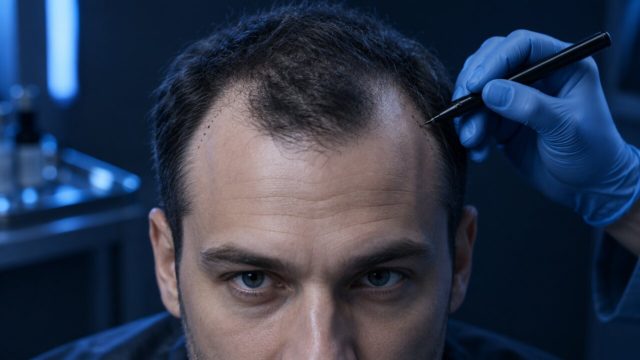
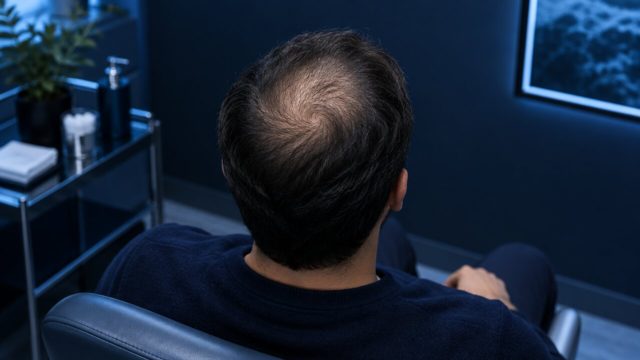
Alopecia red scalp is a combination that deserves careful medical attention before any cosmetic procedure is discussed. Redness can be temporary, for example after sun exposure, harsh hair products or scratching. However, when it appears together with thinning, patches of hair loss, itching, soreness, flakes or crusts, it may also be a sign of an active scalp condition. The priority is to identify what is affecting the skin and hair follicles, rather than trying to cover the area with a transplant immediately.
Hair transplantation moves follicles from a donor area, usually at the back and sides of the scalp, into areas with reduced density. For grafts to be placed and heal properly, the recipient skin generally needs to be calm and healthy. An inflamed scalp may bleed more easily, be more sensitive to local anaesthesia and have a less predictable healing environment. In most patients, the safest approach is to pause transplant planning while a dermatologist or hair-restoration doctor investigates the redness.
Waiting does not necessarily mean that a transplant will never be possible. It means that timing matters. Some causes of redness improve with simple changes or short-term treatment, while others need longer follow-up to show that hair loss is no longer active. Your doctor will consider the pattern of loss, scalp examination findings, medical history, medicines, donor density and, when needed, tests before advising whether a procedure can be considered.
02What an Alopecia Red Scalp Can Mean
An alopecia red scalp can result from several different conditions, and the appearance alone cannot confirm the cause. Seborrhoeic dermatitis may cause redness with greasy or dry flakes. Contact dermatitis can occur after a reaction to hair dye, shampoo, styling products or topical treatments. Psoriasis may create well-defined red plaques with thicker scaling. Folliculitis can lead to tender bumps or pustules around individual follicles.
Redness can also be present in inflammatory forms of hair loss. Alopecia areata usually causes smooth, round patches of hair loss and may sometimes be associated with mild redness, tingling or itching, especially during active periods. By contrast, scarring alopecias can damage the follicle permanently. These conditions may show redness, burning, scaling, changes in skin colour, crusting or a shiny scalp surface where follicle openings are reduced or absent.
Not every red scalp is caused by disease. Frequent scratching, vigorous brushing, recent chemical treatments, sunburn and overuse of strong anti-dandruff products may irritate the skin. Even so, visible redness that persists, returns repeatedly or occurs with noticeable shedding should not be ignored. A clinical examination is important because conditions with similar symptoms can require very different management and have different implications for future transplantation.
03Symptoms That Should Delay a Hair Transplant Consultation
Some symptoms suggest that the scalp may be actively inflamed and needs treatment before surgery. These include persistent redness, warmth, soreness, burning, severe itch, thick scaling, weeping areas, crusts, pustules or bleeding after light scratching. Sudden patchy hair loss, rapidly expanding thin areas or pain in the scalp also deserve prompt assessment. A transplant should not be used as a first response to an unexplained active scalp problem.
Hair loss with fever, swollen lymph nodes, widespread skin rash or discharge requires medical evaluation without delay. These features may point to an infection or a more general health condition rather than a purely local hair concern. It is also important to tell the doctor about recent illness, new medicines, changes in hair products, autoimmune conditions, nutritional concerns and any previous scalp treatments. This information can help guide a safe diagnostic plan.
Patients sometimes assume that redness only matters in the recipient area. In fact, the donor area also needs assessment. If inflammation, scaling or folliculitis affects the back and sides of the scalp, harvesting follicles may be postponed as well. A doctor will check whether the donor hair is stable, whether there are signs of miniaturisation and whether enough suitable grafts may be available after the underlying scalp issue is controlled.
04How Doctors Assess Hair Loss Before Surgery
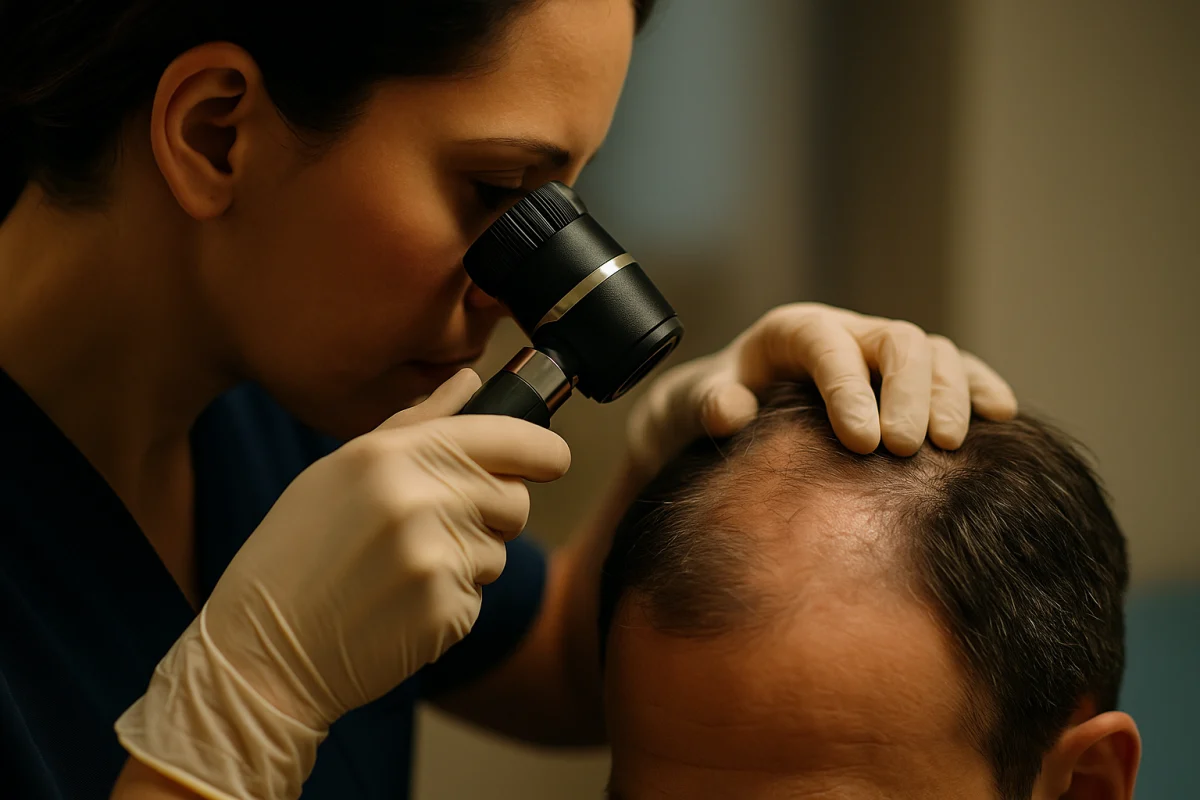
A proper assessment starts with questions about when the redness and hair loss began, how quickly they changed and whether symptoms such as itch or pain are present. The doctor will usually review the distribution of hair loss, scalp skin condition, family history and relevant medical history. Photographs taken over time can be useful because they may show whether a patch is stable, spreading or beginning to regrow.
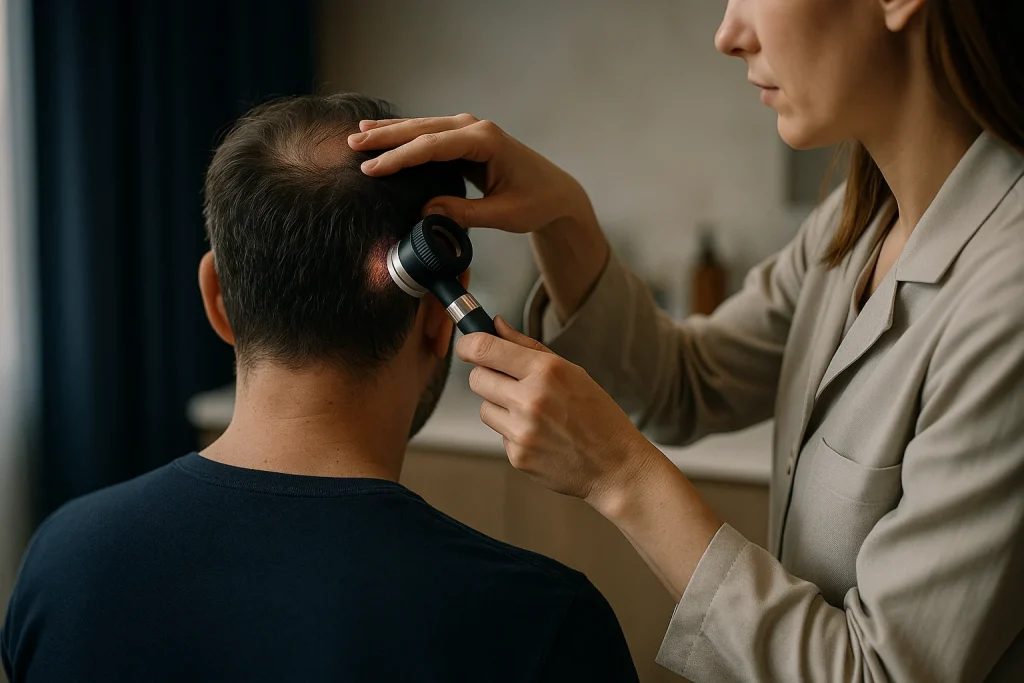
Trichoscopy is an important non-invasive examination that magnifies the scalp and hair shafts. It can help identify broken hairs, variation in hair diameter, empty follicles, scale, inflammation and patterns that may support a particular diagnosis. In selected cases, the doctor may recommend blood tests, fungal testing, bacterial testing or a small scalp biopsy. These investigations are not needed for every patient, but they can be valuable when the diagnosis is uncertain or scarring alopecia is suspected.
A transplant consultation should also include a realistic discussion of the likely cause of hair loss. Pattern hair loss, alopecia areata, traction-related loss and scarring conditions do not behave in the same way. It is possible to have more than one issue at once, such as genetic thinning together with dermatitis. Identifying every relevant factor helps the medical team avoid treating a visible gap while missing an active process that could continue after surgery.
05Alopecia Areata, Scarring Alopecia and Transplant Timing
Alopecia areata is an autoimmune condition in which the immune system attacks hair follicles, often causing sudden smooth patches of hair loss. The follicles are usually not destroyed, so regrowth can occur. Early signs of regrowth may include very fine pale hairs, short upright hairs or gradually darker and thicker new hairs within a patch. However, regrowth can be uneven, and a doctor should confirm whether the condition is inactive before a transplant is considered.
Hair transplantation in alopecia areata requires particular caution. The condition can relapse, and transplanted hair may be affected if autoimmune activity returns. Many doctors prefer to see a stable period without new patches, expansion or clear signs of activity before discussing surgery. The appropriate waiting period varies by diagnosis and individual history, so it should be decided by the treating doctor rather than by a fixed online rule.
Scarring alopecia is different because inflammation can permanently destroy follicles and replace them with scar tissue. Examples include lichen planopilaris, frontal fibrosing alopecia and discoid lupus erythematosus. In these cases, transplant surgery may sometimes be explored only after the disease has been clinically quiet for a sustained period and under specialist guidance. Even then, results may be less predictable because scar tissue may have a different blood supply and healing response than unaffected scalp skin.
06Treating Scalp Inflammation Before Hair Restoration
The treatment plan depends entirely on the cause of the redness. A clinician may advise avoiding an irritating product, improving scalp cleansing routines, treating dandruff-related inflammation, managing psoriasis or addressing a fungal or bacterial infection. If an autoimmune or scarring condition is suspected, medical treatment and follow-up with a dermatologist may be needed. It is important not to self-treat persistent redness with multiple strong products, as this can further irritate the skin and make assessment more difficult.
For an alopecia red scalp linked to contact irritation, a careful review of recent exposures may be especially helpful. Hair colouring, bleaching, fragranced products, adhesive systems, oils and leave-in treatments can all cause reactions in some people. Stopping a suspected trigger may be advised by a clinician, but persistent symptoms still require evaluation. A patch test may be considered in appropriate cases to identify an allergy, particularly when reactions recur after hair products are used.
During the treatment phase, it is sensible to avoid scratching, picking crusts, aggressive scalp massage and unapproved topical remedies. These habits can damage fragile hairs and increase irritation. Gentle handling does not cure an underlying condition, but it can reduce additional trauma while medical care is underway. Once symptoms settle, the doctor can reassess the scalp, review hair growth or stability and decide whether transplant planning can safely move forward.
07When Hair Transplantation May Be Considered Again
A transplant may be considered when the scalp diagnosis is clear, inflammation is controlled and there is no evidence that the hair loss is actively progressing. The doctor will look for a comfortable scalp without significant redness, pustules, crusting or troublesome scaling. They will also assess whether the recipient area has enough healthy tissue for implantation and whether the donor region can provide grafts without creating noticeable thinning.
For some patients with stable pattern hair loss and a previously irritated scalp, this process may be straightforward once the trigger has been addressed. For patients with autoimmune or scarring conditions, the decision is more cautious and may involve continued dermatology follow-up. A test area or conservative first session may occasionally be discussed, depending on the clinical situation. No surgical plan can remove the need to monitor the original condition over time.
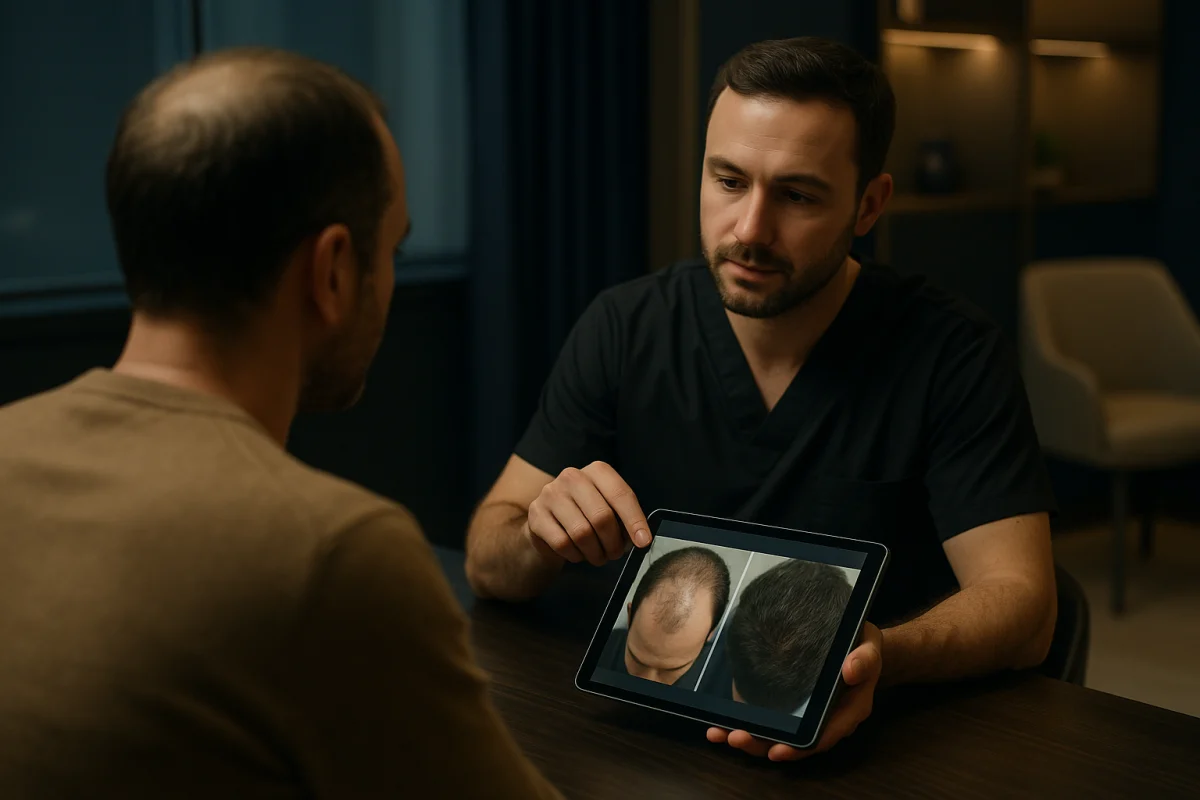
At Acibadem Hair Transplant Center in Istanbul, doctors review a free online hair analysis before travel planning. Patients can share clear scalp photographs and relevant medical information for an initial review, with WhatsApp replies typically available within around two hours. This first review does not replace an in-person diagnosis, but it can help identify whether visible redness or other symptoms should be medically assessed before a procedure is arranged.
08Planning a Safer Journey From Diagnosis to Follow-Up
International patients should avoid booking a hair transplant based only on the number of grafts suggested in a photograph. A responsible plan begins with scalp health, diagnosis and realistic expectations. If there is active redness or unexplained shedding, the next step is usually medical evaluation rather than an immediate surgery date. Bringing previous dermatology reports, test results and a list of medicines can help the consultation process when travelling for treatment.
Once a patient is considered suitable for surgery, techniques such as Sapphire FUE or DHI may be selected according to the hair characteristics, recipient area and surgical plan. Needle-free anaesthesia is also available for appropriate patients. The technique itself does not treat an active inflammatory condition, so it is never a substitute for controlling the cause of redness first. Your doctor will explain which approach, if any, is suitable after examining the scalp.
Acibadem Hair Transplant Center is a dedicated hair restoration clinic in Istanbul licensed by the Turkish Ministry of Health. Its all-inclusive packages can include VIP transfer, a 4-star hotel, a care kit and 12 months of follow-up. During follow-up, patients should report new redness, pain, swelling, discharge or unexpected hair shedding to the clinical team promptly. A calm, well-managed scalp provides the best foundation for recovery, while ongoing symptoms should always be assessed rather than hidden.
09Frequently Asked Questions
Why has my scalp suddenly become red?
Sudden scalp redness can be caused by irritation from hair products, sun exposure, scratching, dandruff-related inflammation, psoriasis, folliculitis or an infection. If redness is persistent or comes with pain, pus, crusting, rapid hair loss or a rash elsewhere, seek medical assessment promptly. A clinician can determine the cause and advise whether hair transplant planning should be delayed.
What may show that hair is regrowing in alopecia areata?
Possible signs include fine pale hairs appearing in the patch, followed by short hairs that gradually become darker and thicker. The patch may also stop enlarging, although visible regrowth does not always mean the condition is fully inactive. A dermatologist can assess activity and confirm whether the scalp is stable.
Can an STD cause hair loss?
Syphilis is a sexually transmitted infection that can cause patchy or diffuse hair loss during its secondary stage in some people. This type of hair loss needs medical testing and appropriate treatment because it can resemble other forms of alopecia. If there is any concern about exposure or related symptoms, arrange confidential medical evaluation rather than assuming the cause.
Which autoimmune diseases can affect the scalp and cause hair loss?
Alopecia areata can attack hair follicles and cause non-scarring patches of loss. Autoimmune-related scarring conditions can also affect the scalp, including discoid lupus erythematosus and lichen planopilaris. These conditions need specialist assessment because early management may help control inflammation and protect remaining follicles.
هذا المقال للمعلومات العامة فقط، وهو ليس بديلاً عن الاستشارة الطبية المتخصصة.
هذا الدليل للمعلومات العامة ولا يغني عن الاستشارة الطبية. تُتخذ قرارات العلاج بعد تقييم الطبيب حضورياً أو عبر الإنترنت.