
في هذا المقال9
- نظرة عامة
- Build Your Follow-Up Plan Before Your Departure
- Use Consistent Photos for Remote Recovery Reviews
- Follow the First Two Weeks of Home Aftercare Carefully
- Know What Is Expected and What Needs Medical Attention
- Plan Travel, Work, Exercise, and Sun Protection
- Understand the 12-Month Growth Timeline
- Choose a Clinic That Supports You Beyond Istanbul
- Frequently Asked Questions
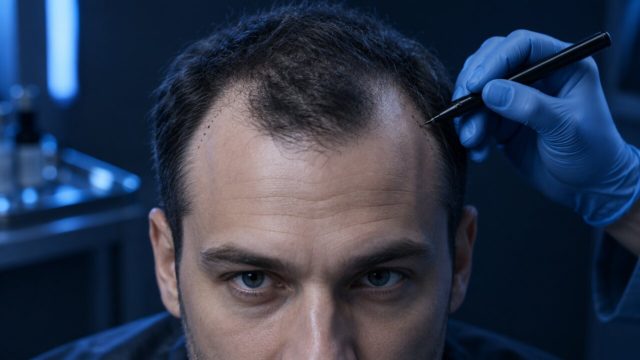
After a fue istanbul procedure, follow-up can usually continue safely from home through scheduled photo reviews, clear aftercare instructions, and direct communication with your clinic. Before travelling, make a written plan for washing, medication, local medical support if needed, and the key milestones during the first 12 months.
- Arrange your follow-up schedule before leaving Istanbul, including photo check-ins and contact details for the care team.
- Take clear, consistent scalp photographs so your recovery can be reviewed accurately from home.
- Protect the transplanted area carefully during the first days, and follow the washing and activity guidance provided by your doctor.
- Know which symptoms require prompt medical advice, especially increasing pain, spreading redness, fever, or unusual discharge.
- Hair growth after FUE is gradual, so the month 12 review is usually the most meaningful time to assess the result.
01Fue in Istanbul: Planning Follow-Up After You Return Home
Choosing fue istanbul treatment involves more than planning your procedure and return flight. A good recovery plan should explain what happens after you arrive home, who will review your progress, how you can ask questions, and when you may need local medical care. In most patients, the first days and weeks are focused on protecting the grafts and helping the scalp heal normally, while the visible growth journey takes many months.
Before you leave the clinic, ask for your aftercare instructions in a format that is easy to use at home. These instructions typically cover scalp washing, sleeping position, medications prescribed by your doctor, work and exercise, sun exposure, smoking, alcohol, and the safe removal of any crusting. Keep both a digital and printed copy, especially if you will be travelling through several airports or returning to a different time zone.
It is also helpful to confirm the clinic's communication route before you fly home. Save the relevant WhatsApp contact, email address, emergency guidance, and scheduled check-in dates. Acibadem Hair Transplant Center provides 12 months of follow-up within its all-inclusive packages, allowing patients to share recovery updates after they return home. A planned connection with the care team can make the recovery process feel clearer and more manageable.
02Build Your Follow-Up Plan Before Your Departure
Your follow-up plan should begin before you leave Istanbul. During your final appointment, make sure you understand the timing of the first wash, the next washes, and any individual instructions your doctor has given. Although many aspects of FUE recovery are similar, medical history, scalp condition, graft number, and the technique used can affect the details. Your doctor will confirm the schedule that applies to you.
Write down practical questions that may arise at home. For example, ask when you can wear a loose hat, when you can return to desk work, when strenuous training may be appropriate, and how to manage a long journey after the procedure. If you take regular medicines or have an ongoing health condition, ensure that your treating doctor has reviewed this information before treatment and that you understand any medicine-related instructions for the recovery period.
Consider the timing of your return to normal responsibilities. Some patients prefer to allow a few quiet days at home before seeing colleagues, attending social events, or travelling again. Swelling, redness, tiny scabs, and the appearance of the donor area can be noticeable early on, although this varies between patients. Planning some flexibility reduces pressure and makes it easier to follow your aftercare routine carefully.
03Use Consistent Photos for Remote Recovery Reviews
Clear photographs are one of the most useful tools for remote follow-up. They allow the clinical team to observe the recipient area, donor area, crusting, redness, and the general pattern of healing. For the most useful comparison, take photos in the same room where possible, using similar lighting, a clean camera lens, and the same angles each time. Avoid strong filters, editing tools, or dark images that hide important details.
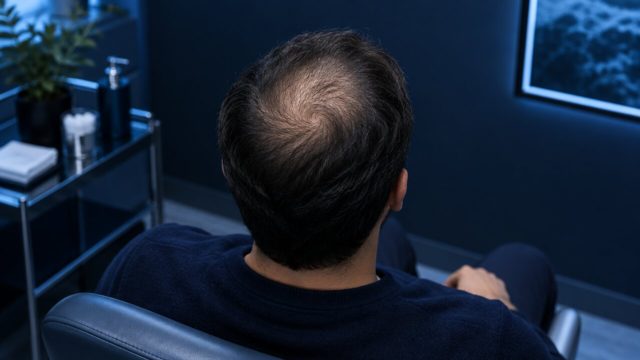
A simple photo set may include the front hairline, both temples, the top of the scalp, the crown if it was treated, and the donor area at the back and sides. Ask a family member to help if needed, particularly for the donor area. Take the images before washing or applying any topical product unless your clinic gives different guidance. Label the images with the date so the progress is easy to follow.
Do not judge the final result from early photographs. During the initial healing period, the transplanted hairs commonly shed before new growth begins. This expected shedding phase can be worrying if you are not prepared for it, but it does not automatically indicate graft loss. In most patients, visible growth develops gradually over subsequent months, and the clinic can explain whether your photographs appear consistent with the expected stage of recovery.
04Follow the First Two Weeks of Home Aftercare Carefully
The first two weeks are particularly important because the scalp is healing and the transplanted grafts need protection from friction, pressure, scratching, and accidental trauma. Follow the washing method demonstrated by your clinic rather than using a routine you find online. This often includes gentle application of the recommended products, careful rinsing, and avoiding rubbing with towels. Patting or allowing the area to air dry may be advised, depending on your instructions.
Sleeping guidance is also important during the early period. Your care team may advise sleeping with the head elevated for a limited number of nights, especially if swelling is a concern. Use clean bedding and take care not to rub the recipient area against pillows, headboards, or other surfaces. If you move frequently while sleeping, discuss practical ways to protect the area with the clinic before you travel home.
In the first days, avoid activities that may cause heavy sweating, direct impact, dust exposure, or unnecessary contact with the scalp. Swimming pools, sea water, saunas, steam rooms, and intense exercise are commonly restricted for a period advised by your doctor. When planning fue istanbul aftercare at home, it is wise to prepare your recovery space in advance with clean pillows, easy-to-wear clothing, and the care products supplied or recommended by the clinic.
05Know What Is Expected and What Needs Medical Attention
Mild tenderness, tightness, swelling, itching, redness, and small scabs can occur after FUE. The exact degree and duration vary between individuals and between the donor and recipient areas. Swelling may move down toward the forehead or around the eyes in some patients during the first few days. Your clinic should explain what is usually expected and which comfort measures are appropriate for you.
Contact the clinic promptly if you notice symptoms that seem unusual or are getting worse rather than better. Examples can include increasing or severe pain, fever, spreading redness, marked warmth, unpleasant-smelling discharge, persistent bleeding, or significant swelling that concerns you. These signs do not always mean a serious problem, but they deserve professional assessment. Do not attempt to diagnose or treat a possible complication based only on online information.
If you need urgent in-person care after returning home, seek appropriate local medical attention without delay, particularly for severe symptoms. Tell the local clinician that you have recently had a hair transplant and share your procedure and medication information where relevant. You can also update your Istanbul care team, who may be able to provide relevant procedure details and support communication about the follow-up process.
06Plan Travel, Work, Exercise, and Sun Protection
Returning home often means resuming work and family commitments quickly, but the scalp still needs care. If your job is office-based, you may be able to return sooner than someone whose work includes physical activity, heat, dust, protective helmets, or a high risk of scalp contact. Your doctor can advise on a suitable timeline based on the procedure and your individual recovery. If possible, avoid arranging demanding commitments immediately after your return.
Exercise should be restarted gradually according to the guidance you receive. Early intense activity can increase sweating, raise blood pressure, and make it harder to protect the healing scalp. Contact sports and activities where the head could be hit usually require extra caution. Rather than relying on a fixed online timetable, follow the staged recommendations from your treating clinic and ask before resuming an activity that may affect the grafted area.
Sun protection is another important part of fue istanbul recovery planning. Newly treated scalp skin can be sensitive to direct sunlight, and sun exposure may worsen discomfort or visible redness. Your clinic can advise when it may be appropriate to use a suitable loose-fitting head covering and when sunscreen may be used on healed skin. Avoid using products on the recipient area unless they have been approved for your stage of recovery.
07Understand the 12-Month Growth Timeline
FUE results should be assessed with patience. The healing phase comes first, followed by shedding of transplanted hairs in many patients, then gradual new growth. Early new hairs can initially look fine, light, or uneven. Over time, they usually mature in texture and coverage, although the pace differs from person to person. Comparing your progress week by week can be misleading, so monthly photographs are generally more useful.
The month 12 review is commonly an important point for evaluating the overall outcome because graft growth and hair maturation have had time to develop. Acibadem Hair Transplant Center measures results through trichoscopic graft survival at month 12 and has a documented 98% rate under a written guarantee. This measurement approach does not mean that every patient will experience an identical cosmetic result, as natural hair characteristics, scalp condition, and ongoing hair loss can affect the appearance.
Continue to discuss your long-term hair plan with your doctor, especially if you have progressive natural hair loss outside the transplanted area. A transplant redistributes existing donor hair; it does not stop future thinning in untreated areas. Your doctor may discuss suitable monitoring or treatment options based on your medical situation. Keeping the full 12-month follow-up schedule helps the team observe both the transplanted area and the broader pattern of hair change.
08Choose a Clinic That Supports You Beyond Istanbul
Istanbul can be a practical destination for international hair restoration patients when treatment is provided by an appropriately licensed clinic with clear clinical standards and follow-up arrangements. Acibadem Hair Transplant Center is a dedicated hair restoration clinic in Istanbul licensed by the Turkish Ministry of Health. Over 12 years, the center has welcomed patients from 38 countries, so the team understands the practical needs of people travelling home after treatment.
Follow-up support should be considered alongside the procedure itself. Ask how you will reach the clinic after you return home, who reviews your photographs, what information you will receive before departure, and how concerns are handled outside appointment times. Acibadem Hair Transplant Center offers free online hair analysis reviewed by doctors, with WhatsApp replies typically within around two hours. This can help patients begin planning questions before travelling.
Technique selection should also be confirmed through medical assessment rather than marketing claims. Sapphire FUE and DHI are available at the center, and needle-free anaesthesia is also available for suitable patients. The most appropriate approach depends on factors such as the donor area, degree of hair loss, hair characteristics, scalp health, and treatment goals. A careful consultation and a realistic follow-up plan are essential parts of responsible hair transplant care.
09Frequently Asked Questions
What does 3,000 grafts in Turkey usually cost?
The cost of 3,000 grafts in Turkey can vary significantly because graft needs, technique, clinical team, included services, and aftercare arrangements differ between patients and clinics. A responsible clinic should first assess your donor area and hair goals rather than quote a fixed amount based only on graft number. Ask for a written, itemised treatment plan explaining what is included.
Is Istanbul a good place for a hair transplant?
Istanbul can be a suitable option for a hair transplant when you choose a licensed clinic with experienced clinical oversight, transparent planning, and structured follow-up after you return home. The destination alone does not determine safety or quality. Check the clinic's licensing, consultation process, hygiene standards, treatment information, and long-term patient support.
How much does 5,000 grafts cost in Turkey?
A 5,000-graft procedure requires an individual assessment, and the cost should not be estimated from graft count alone. Not every patient is a suitable candidate for this number of grafts, as donor capacity and scalp safety must be assessed carefully. Request a doctor-reviewed treatment plan that explains the recommended graft range, technique, package inclusions, and follow-up support.
Is getting a hair transplant in Turkey risky?
Hair transplant surgery has potential risks in any country, including infection, bleeding, swelling, poor healing, shock loss, scarring, and an unsatisfactory aesthetic outcome. Travel can add practical challenges because follow-up takes place after you return home. Risk can be reduced by choosing a properly licensed clinic, sharing your medical history honestly, following aftercare instructions closely, and knowing how to access support if concerns arise.
هذا المقال للمعلومات العامة فقط، وهو ليس بديلاً عن الاستشارة الطبية المتخصصة.
هذا الدليل للمعلومات العامة ولا يغني عن الاستشارة الطبية. تُتخذ قرارات العلاج بعد تقييم الطبيب حضورياً أو عبر الإنترنت.