في هذا المقال12
- Hair Transplant Devices: What They Actually Do
- From Manual FUE to Sapphire FUE and DHI
- Extraction Technology and the Donor Area Limit
- Implantation Tools and Natural Hair Direction
- Comfort, Anaesthesia, and Digital Planning Tools
- What Devices Cannot Promise
- Choosing Technology Based on Your Needs, Not Marketing
- Aftercare: How to Protect Grafts After a Technology-Assisted Procedure
- Hair Growth Timeline: What Technology Cannot Accelerate
- Candidacy Questions That Devices Cannot Answer Alone
- Travel Planning for International Hair Transplant Patients
- Frequently Asked Questions
Hair transplant devices can help a surgical team extract, prepare, and place grafts with greater consistency and control. They cannot create new donor hair, guarantee a particular density, or replace an experienced doctor’s assessment of your scalp, donor area, and long-term hair-loss pattern.
- Modern devices can improve precision, comfort, and workflow, but they do not replace clinical skill.
- Sapphire FUE and DHI use different implantation approaches and may suit different treatment plans.
- The donor area sets the biological limit for how many grafts can be safely harvested.
- Marketing terms such as robotic, automated, or painless should be discussed carefully with a doctor.
- A natural-looking result depends on planning, graft handling, placement angles, and follow-up care, not on one device alone.
01Hair Transplant Devices: What They Actually Do
Hair transplant devices are instruments used during different stages of a hair restoration procedure, including local anaesthesia, graft extraction, graft storage, channel creation, and implantation. In modern clinics, these tools may support Sapphire FUE or DHI treatment, but the device itself is only one part of the procedure. A doctor must first evaluate the cause and stability of hair loss, scalp condition, hair characteristics, and the available donor supply before recommending a technique.
During FUE-based procedures, a motorised punch may help remove individual follicular units from the donor area. The aim is to collect grafts carefully while limiting unnecessary trauma to surrounding follicles. The team then examines, sorts, and protects the grafts until they are ready for placement. Device settings, punch size, extraction direction, and the operator’s experience can all affect how safely this stage is performed.
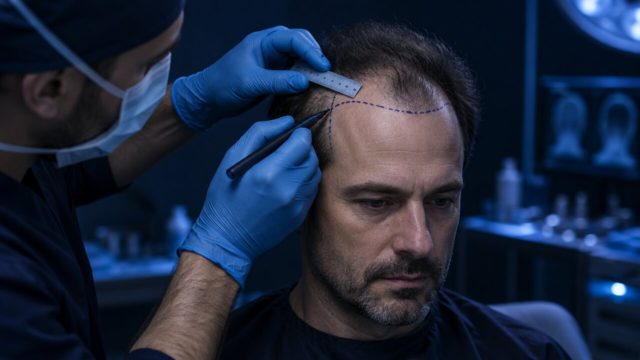
For implantation, the surgical team may use sapphire blades to create recipient channels or implanter pens to place grafts. These tools can help the team work with fine control, especially when planning the angle and direction of growing hair. However, a tool does not make aesthetic decisions on its own. The hairline design, distribution of single and multiple-hair grafts, and protection of existing hair require careful medical and artistic planning.
02From Manual FUE to Sapphire FUE and DHI
The idea behind FUE, or Follicular Unit Extraction, is to remove naturally occurring groups of hairs from a donor area and place them into thinning or bald areas. Traditional FUE can be performed with manual or motorised instruments. Modern motorised systems may make repetitive extraction more efficient, yet they still need controlled handling. Faster work is not automatically better if the donor area is not assessed and managed conservatively.
Sapphire FUE refers to a technique in which sapphire blades are commonly used to make small recipient channels before graft placement. These blades are designed to create precise incisions in the recipient area. In suitable patients, the approach may support controlled channel planning, but the expected result depends on many other factors, including scalp tissue, existing hair, graft quality, and how the channels are positioned. Your doctor will confirm whether this technique is appropriate for your goals.
DHI, often described as Direct Hair Implantation, generally uses a pen-like implanter device to place grafts into the recipient area. The device can allow the team to create an opening and insert a graft in a coordinated movement. This may be useful for selected areas, such as work around existing hair, but DHI is not universally superior to Sapphire FUE. The best method is usually the one that allows safe graft use and an appropriate design for the individual patient.
03Extraction Technology and the Donor Area Limit
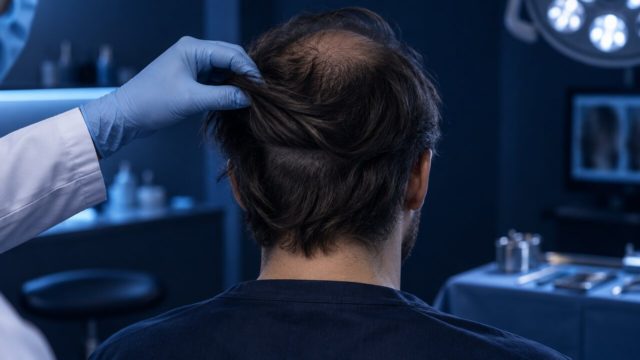
The donor area, usually at the back and sides of the scalp, is the foundation of every surgical hair restoration plan. It contains follicles that may be more resistant to common pattern hair loss, but it is not an unlimited source of grafts. Each patient has a different donor density, hair calibre, scalp flexibility, curl pattern, and likely progression of hair loss. No extraction machine can change these biological factors.
Modern hair transplant devices may include adjustable motorised punches designed to support accurate follicular extraction. The team chooses settings with attention to the patient’s hair and skin characteristics. An overly aggressive approach, an unsuitable punch size, or poorly distributed harvesting may increase the risk of visible thinning in the donor zone. For this reason, safe planning matters more than a claim that a device can remove a high number of grafts quickly.
A responsible assessment considers both today’s coverage needs and possible future hair loss. A very low hairline or an attempt to fill a large area densely may use donor grafts that could be needed later. Trichoscopic assessment can help examine donor hair and scalp characteristics, although it does not remove the need for clinical judgement. Your doctor should explain the proposed graft range, the reason for it, and how the donor area will be protected.
04Implantation Tools and Natural Hair Direction
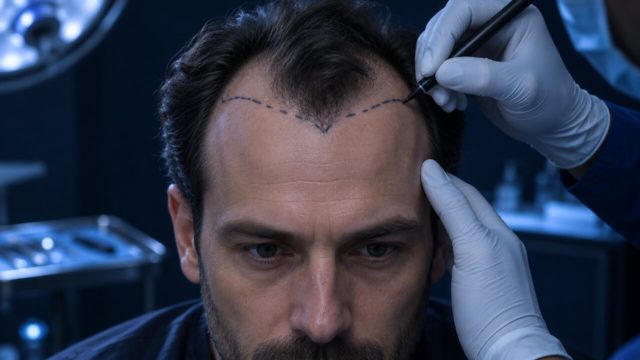
Creating a natural appearance is not simply a matter of placing the maximum possible number of grafts. Hair grows at different angles and directions across the frontal hairline, temples, mid-scalp, and crown. The surgeon or trained implantation team must reproduce these patterns as closely as possible. Fine devices can assist with small channels or controlled insertion, but they cannot independently judge what will look natural on a particular face and scalp.
At the hairline, single-hair follicular units are usually selected to create a softer transition. Behind this zone, grafts containing more than one hair may be positioned to improve visual coverage. The spacing between grafts must also respect blood supply to the scalp and allow safe healing. Placing grafts too close together can be unsuitable in some situations, even when a patient wishes for very high density.
DHI implanter pens and sapphire channel tools are often discussed as if they determine density by themselves. In reality, density is influenced by the number and quality of available grafts, recipient-area circulation, the extent of baldness, hair shaft thickness, colour contrast between hair and skin, and the design plan. A careful plan may produce a fuller visual effect without using unrealistic graft numbers in one small area.
05Comfort, Anaesthesia, and Digital Planning Tools
Some clinics use needle-free anaesthesia systems as an option to support patient comfort before local anaesthesia. This technology may reduce the sensation associated with the first stage of anaesthesia for some people, but individual experiences vary. It should not be presented as meaning that a procedure involves no sensation at all. Before treatment, the medical team should review your medical history, allergies, medications, and suitability for anaesthesia.
Digital imaging and trichoscopy can also support consultation and follow-up. These tools can help document hair density, scalp appearance, hair calibre, and changes over time. They are useful for comparing areas under similar conditions, but they cannot predict an exact final cosmetic result. Hair growth after transplantation follows a biological cycle, and visible changes develop gradually over months.
At Acibadem Hair Transplant Center, free online hair analysis is reviewed by doctors, with WhatsApp replies typically provided within around two hours. An online review can be a helpful first step for international patients, but it has limits. A complete treatment decision should be confirmed through appropriate medical assessment, including a detailed review of the donor area and expectations before any procedure is planned.
06What Devices Cannot Promise
No device can manufacture additional follicles when the donor area is limited. It also cannot stop future genetic hair loss in untreated native hair, guarantee that every transplanted graft will grow, or ensure that one procedure will meet every coverage goal. Medical treatment may be discussed in some cases to help manage ongoing hair loss, but suitability depends on the person’s health profile and should be decided by a qualified doctor.
Terms such as automated, AI-guided, robotic, scarless, and painless can sound reassuring, but they need context. Every surgical procedure involves clinical decisions, healing, and possible risks. FUE uses very small extraction sites rather than a linear strip scar, yet it may still leave tiny marks that are usually difficult to notice when harvesting is performed appropriately. A clinic should discuss realistic healing, temporary shedding, swelling, numbness, infection risk, and other potential concerns before treatment.
Technology can support quality control, including documentation and follow-up, but it cannot replace transparent reporting. At Acibadem Hair Transplant Center, results are measured by trichoscopic graft survival at month 12, with a documented 98% rate under written guarantee. This documented clinic standard should be understood alongside individual factors, because healing, baseline hair characteristics, and adherence to aftercare can differ from one patient to another.
07Choosing Technology Based on Your Needs, Not Marketing
The most suitable treatment is usually chosen after defining the clinical problem. Some patients mainly need a refined frontal hairline, while others need coverage over a larger mid-scalp or crown area. Patients with diffuse thinning may also need careful protection of existing hair. The same device and the same graft target would not necessarily be appropriate for all of these situations.
Ask practical questions during your consultation. You may ask who will assess the donor area, who will perform each stage of the procedure, how grafts will be counted and handled, why a specific technique is recommended, and what follow-up is included. A clear answer should focus on safety, realistic coverage, and long-term planning rather than only on impressive-sounding equipment or a large graft number.
International patients may also value organised support around the clinical process. Acibadem Hair Transplant Center is a dedicated hair restoration clinic in Istanbul, licensed by the Turkish Ministry of Health, and has welcomed patients from 38 countries over 12 years. Its all-inclusive packages include VIP transfer, a 4-star hotel, a care kit, and 12 months of follow-up. These services can make travel easier, but the central decision should remain whether the proposed medical plan is suitable for you.
08Aftercare: How to Protect Grafts After a Technology-Assisted Procedure
Modern extraction and implantation devices can support careful surgery, but they do not protect grafts after you leave the clinic. During the first days, the recipient area needs gentle handling because newly placed grafts are still settling into the scalp. Your medical team will provide individual washing and sleeping instructions. In general, patients are advised not to rub, scratch, pick, or press the transplanted area, even if crusting or itching develops.
The first wash is commonly performed or demonstrated by the clinic, followed by a gentle home-washing routine. This usually involves applying the recommended product carefully, allowing it to soften crusts, and rinsing without direct high-pressure water on the recipient area. Do not use unapproved products, fingernails, or towels to remove scabs. Removing crusts too forcefully may irritate the healing scalp and can affect newly implanted grafts.
Physical activity, sweating, sun exposure, swimming, helmets, and tight headwear may need to be limited for a period advised by your doctor. These restrictions are not simply routine rules: friction, contamination, heat, and accidental impact can interfere with comfortable healing. If you notice increasing pain, spreading redness, discharge, fever, or swelling that concerns you, contact your medical team promptly rather than relying on online advice.
09Hair Growth Timeline: What Technology Cannot Accelerate
Hair transplant devices can help with the surgical process, but they cannot bypass the normal hair-growth cycle. In the first days after treatment, small crusts and temporary redness are common. Swelling may occur in some patients, especially around the forehead, and usually settles during the early recovery period. The exact appearance and recovery speed vary according to skin type, procedure extent, and individual healing.
Transplanted hairs often shed in the weeks after the procedure. This is commonly called shock shedding and does not necessarily mean that the follicles have been lost. The follicles remain under the skin and typically enter a resting phase before producing new hairs. Existing non-transplanted hair can also appear temporarily thinner after surgery in some patients, particularly where diffuse thinning was already present.
Early new growth is often seen gradually from around month 3 or 4, although this varies. At first, hairs may be fine, uneven, or grow in different directions. Noticeable cosmetic improvement commonly develops over the following months as hairs thicken and mature. A more meaningful assessment is usually made around month 12. At Acibadem Hair Transplant Center, graft survival is measured trichoscopically at month 12, with a documented 98% rate under written guarantee. This clinic standard does not mean that every patient will experience the same visible density or growth timeline.
10Candidacy Questions That Devices Cannot Answer Alone
A device cannot determine whether hair transplantation is the right next step for every person with hair loss. Suitable candidacy usually depends on the cause of shedding, whether the hair-loss pattern is stable enough for planning, the quality of the donor area, and the condition of the scalp. Sudden shedding, patchy hair loss, scalp inflammation, or significant medical changes may need medical investigation before a surgical plan is considered.
Age alone does not decide candidacy, but patients with early or rapidly progressing hair loss may need especially cautious long-term planning. A dense, low hairline may look appealing in the short term but could become difficult to support if hair loss continues behind it. In these cases, a doctor may recommend a conservative design, a staged approach, medical management where clinically appropriate, or waiting until the pattern is clearer.
Hair characteristics also influence what can be achieved visually. Coarser or curlier hair may create more coverage per graft than very fine, straight hair, while strong contrast between dark hair and a light scalp can make thinning more noticeable. Previous procedures, scarring, smoking status, certain medications, and conditions affecting healing can also influence planning. A doctor-reviewed online analysis is a useful starting point, but your final suitability should be confirmed through a proper medical assessment.
11Travel Planning for International Hair Transplant Patients
International patients should plan their trip around recovery needs, not only the procedure date. It is sensible to arrive with enough time to rest, attend pre-procedure assessment, and review the treatment plan before surgery. Keep your travel documents, medication list, allergy information, and any relevant medical records available for the clinical team. If you take prescribed medicines, do not stop or change them without advice from the doctor managing your care.
After the procedure, avoid arranging a demanding sightseeing schedule or activities that increase sweating, sun exposure, or the risk of bumping your head. When travelling home, follow the clinic’s instructions about protecting the recipient area, using any recommended neck pillow, and carrying aftercare products. If you are flying, choose comfortable clothing that does not need to be pulled tightly over the scalp. Your team can advise on the appropriate timing of travel based on your procedure and recovery.
Acibadem Hair Transplant Center provides all-inclusive packages with VIP transfer, a 4-star hotel, a care kit, and 12 months of follow-up. This can help simplify the practical parts of treatment in Istanbul. Before booking, confirm the appointment schedule, what aftercare support is available once you return home, and how to contact the clinic if you have a recovery concern. Clear communication is as important as the technology used during the procedure.
12Frequently Asked Questions
What is the newest hair transplant method?
There is no single newest method that is clinically best for every patient. Current approaches often include Sapphire FUE and DHI, using refined extraction and implantation tools. Your doctor should recommend a technique based on your donor supply, hair-loss pattern, existing hair, and coverage goals rather than on how new a method sounds.
How much does 3,000 grafts cost?
The cost of 3,000 grafts varies between clinics and may depend on the technique, medical team, included services, travel arrangements, and follow-up period. A graft number alone does not show whether that number is medically suitable or how the procedure will be performed. Request a written treatment plan that clearly explains what is included and why that graft range is proposed.
What did Matthew McConaughey do to regrow his hair?
Public discussion about Matthew McConaughey’s hair has included different claims, but there is no reliable medical information that confirms exactly what treatment, if any, was responsible for changes in his appearance. Celebrity photos can also be affected by styling, lighting, hair length, and ageing. It is safer to base a hair restoration decision on a doctor’s assessment than on an unverified celebrity story.
Is 4,000 grafts considered overharvesting?
Not necessarily. Whether 4,000 grafts is overharvesting depends on the patient’s donor density, scalp characteristics, hair calibre, extraction distribution, previous procedures, and future hair-loss risk. For some patients it may be within a carefully planned safe range, while for others it may be too many. A donor-area examination and conservative long-term planning are essential.
هذا المقال للمعلومات العامة فقط، وهو ليس بديلاً عن الاستشارة الطبية المتخصصة.
هذا الدليل للمعلومات العامة ولا يغني عن الاستشارة الطبية. تُتخذ قرارات العلاج بعد تقييم الطبيب حضورياً أو عبر الإنترنت.