في هذا المقال13
- نظرة عامة
- Check the Facility Licence and Medical Governance
- Ask Who Performs Every Stage of the Procedure
- Compare Sapphire FUE and DHI by Indication, Not Marketing
- Understand Donor Capacity Before Discussing Graft Numbers
- Comparing hair transplant clinics in istanbul turkey
- Review Evidence, Guarantees and Before-and-After Images Carefully
- Plan Follow-Up, Recovery and Long-Term Hair Care
- Follow a Practical First-14-Days Aftercare Plan
- Know the Typical Growth Timeline Before You Travel
- Consider Candidacy Beyond Age, Graft Count and Hairline Goals
- Organise Your Istanbul Travel Schedule Around Clinical Appointments
- Frequently Asked Questions
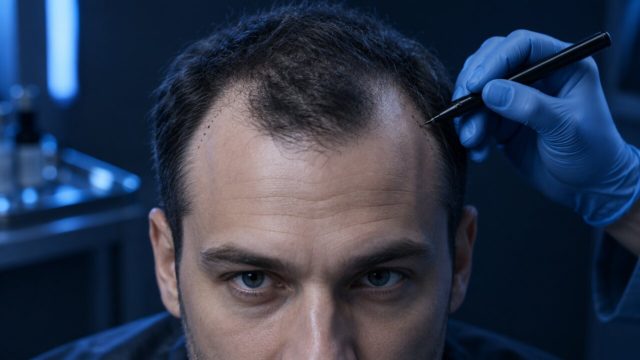
When selecting hair transplant clinics in istanbul turkey, start by confirming the clinic’s Ministry of Health licence, the doctor’s role and the surgical team’s qualifications. A reliable clinic should explain your candidacy, treatment plan, risks, graft strategy, aftercare and total package terms clearly before you travel.
- Confirm that the facility is licensed by the Turkish Ministry of Health before making plans or payments.
- Ask who performs each clinical step, including consultation, anaesthesia, extraction, channel opening and implantation.
- Choose a clinic that assesses donor capacity and long-term hair-loss patterns rather than promising a specific graft number.
- Request written information about what is included, what is not included and how follow-up will work after you return home.
- Understand that a hair transplant is a medical procedure, and suitability can only be confirmed after a doctor-led assessment.
01Selecting a Licensed Hair Transplant Clinic in Istanbul
Choosing among hair transplant clinics in istanbul turkey involves more than comparing photographs, package descriptions or social media posts. Hair restoration is a medical procedure that requires an appropriate clinical setting, a realistic assessment of your hair loss and careful planning for both the donor area and the recipient area. The safest starting point is to check whether the clinic is licensed by the Turkish Ministry of Health and whether it can explain its clinical process in clear, consistent language.
A licence is not simply an administrative detail. It helps show that the facility operates within the national healthcare framework and is subject to the requirements that apply to medical centres. Before booking, ask for the clinic’s official name, address and licensing information. You can also ask whether the procedure will take place at the named licensed facility rather than at a separate or unclear location.
A responsible clinic should welcome informed questions. It should not pressure you to reserve immediately, diagnose you from a single photograph or guarantee a result before reviewing your case. During early communication, notice whether the answers are specific and medically sensible. Clear communication about limitations, possible risks and expected stages of recovery is often as important as an attractive treatment plan.
02Check the Facility Licence and Medical Governance
First, verify that the clinic is licensed by the Turkish Ministry of Health. Ask directly which authority licenses the facility and request confirmation before you pay a deposit. A transparent provider should be able to share this information without hesitation and explain where your consultation and procedure will be carried out.
Next, ask about medical governance. This means understanding who is clinically responsible for your care, how your medical history is reviewed and what happens if the doctor identifies a reason to postpone or avoid treatment. A proper assessment typically considers your current hair loss, family history, previous procedures, medications, allergies, scalp health and general health factors that may affect suitability.
It is also sensible to ask about hygiene and safety routines. The clinic should explain how instruments are handled, how the operating area is prepared and how patients are monitored during the procedure. You do not need to become an expert in every clinical standard, but you should receive straightforward answers that make you feel informed rather than rushed.
03Ask Who Performs Every Stage of the Procedure
A hair transplant has several stages, and patients should understand who performs each one. Depending on the technique and the clinic’s clinical model, these stages may include consultation, local anaesthesia, donor-area preparation, follicular unit extraction, recipient-site planning, channel opening and graft placement. Ask which tasks are performed by the doctor and which are carried out by trained clinical staff under medical supervision.
The doctor’s involvement matters because hairline design, donor management and recipient-area planning affect both the appearance of the result and the preservation of options for the future. A good hairline is not based only on density. It should take account of facial proportions, age, likely future hair loss and the available donor supply. Your doctor should confirm whether the plan is appropriate for your individual pattern of loss.
When reviewing hair transplant clinics in istanbul turkey, be cautious of vague phrases such as “expert team” if the clinic cannot clearly describe responsibilities. You should know who will be present, how long the procedure may take and how clinical decisions are made during the day. Clear answers support informed consent and help you compare providers on meaningful medical factors, not only on promotional claims.
04Compare Sapphire FUE and DHI by Indication, Not Marketing
Sapphire FUE and DHI are both commonly discussed hair restoration approaches, but neither technique is automatically best for every person. Follicular unit extraction, often called FUE, involves removing individual follicular units from the donor area. Sapphire FUE refers to the use of sapphire blades when creating recipient sites. DHI generally describes implantation with a specialised implanter after graft extraction. The most suitable approach depends on your scalp, hair characteristics, treatment goals and donor availability.
Ask the clinic why it recommends a particular method for you. The answer should be connected to your case rather than based on a broad claim that one technique is always more advanced. Relevant considerations can include the size of the area to be covered, existing hair that needs protecting, curl pattern, graft quality, desired density and whether you need a carefully planned hairline, crown treatment or both.
It is reasonable to ask how the clinic manages grafts between extraction and implantation, how it aims to reduce unnecessary handling and how it plans recipient sites. However, technique names alone do not define quality. The clinical assessment, experienced planning, careful graft handling and appropriate aftercare are usually more important than a package label.
05Understand Donor Capacity Before Discussing Graft Numbers
Many patients begin by asking for a set number of grafts, but a suitable graft count cannot be decided safely from a marketing offer. The donor area, usually at the back and sides of the scalp, has a limited supply of follicles that should be managed carefully. Taking too many grafts can leave the donor area looking thinner or may limit options if further treatment is needed later.
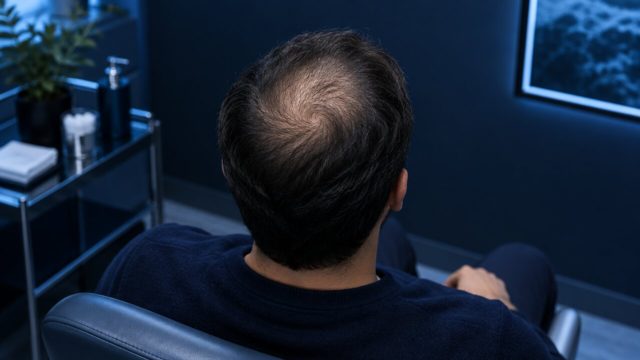
A doctor-led assessment should estimate donor density, hair shaft characteristics, scalp contrast and the pattern of hair loss. It should also consider whether your hair loss is stable or still progressing. In most patients, planning conservatively is important because transplanted hair may be permanent while surrounding non-transplanted hair can continue to thin over time.
Be careful with clinics that present a very high graft number as the goal in every case. More grafts do not always mean a better plan. A balanced strategy may prioritise a natural frontal appearance, protect the donor area and leave room for future needs. Your doctor will confirm whether the proposed graft range is clinically reasonable after reviewing your photos or examining you in person.
06Comparing hair transplant clinics in istanbul turkey
A useful comparison should cover clinical standards, communication and continuity of care, not just the advertised package. Create a short list and ask every clinic the same questions: Is the facility licensed? Who performs each stage? How is candidacy assessed? What technique is recommended and why? What is included in the quoted plan? Consistent questions make it easier to identify clear, patient-focused answers.
For international patients, travel arrangements can be helpful, but they should not distract from the medical details. Some clinics offer all-inclusive services such as airport transfers, hotel accommodation and a care kit. Confirm the exact number of hotel nights, transfer conditions, clinic appointments and whether follow-up support is included. Ask for these details in writing so that there are no assumptions after arrival.
Acibadem Hair Transplant Center is a dedicated hair restoration clinic in Istanbul licensed by the Turkish Ministry of Health. The centre provides Sapphire FUE and DHI options, needle-free anaesthesia where suitable, VIP transfer, 4-star hotel accommodation, a care kit and 12 months of follow-up within its all-inclusive packages. A free online hair analysis is reviewed by doctors, with WhatsApp replies typically provided within about two hours.
07Review Evidence, Guarantees and Before-and-After Images Carefully
Before-and-after images can be useful, but they are not a replacement for a clinical consultation. Ask whether photographs show the same patient, whether the lighting and angle are comparable and when the after image was taken. Hair transplant growth is gradual, so very early images may not represent the final appearance. Results also vary according to patient factors, graft quality, technique, healing and ongoing hair loss.
Be particularly cautious about guarantees that sound absolute. No ethical clinic can guarantee that every patient will achieve a particular cosmetic appearance or density. If a clinic offers a written guarantee, ask what is measured, when it is measured, what conditions apply and what the document does and does not cover. Written terms should be available for review before you commit to treatment.
At Acibadem Hair Transplant Center, outcomes are measured by trichoscopic graft survival at month 12, with a documented 98% rate under written guarantee. This is a defined measurement approach rather than a promise that every individual will have the same visual result. During your consultation, the doctor can explain how graft survival, appearance, native-hair changes and individual healing are considered separately.
08Plan Follow-Up, Recovery and Long-Term Hair Care
A transplant day is only one part of the treatment journey. You should receive written instructions for the first days after the procedure, including how to sleep, wash the scalp, protect grafts and recognise signs that need medical attention. The clinic should provide a clear way to contact its team once you are back home, especially if you are travelling internationally.
Most patients need to plan around a visible early recovery period. Temporary crusting, redness and shedding of transplanted hairs can occur as part of the usual healing process. The timeline for new growth differs between individuals, and the final appearance takes time to develop. Your clinic should explain the expected stages without presenting a fixed outcome or an unrealistic speed of growth.
Long-term planning also matters. A transplant does not necessarily stop future loss in non-transplanted hair. Ask what follow-up is available, when progress photographs may be requested and how the clinic reviews concerns at a distance. A provider offering structured follow-up for 12 months can help you stay connected to the clinical team while your result develops.
09Follow a Practical First-14-Days Aftercare Plan
The first two weeks are mainly about protecting the newly placed grafts while the scalp settles. Before leaving the clinic, make sure you understand exactly when to start washing, which products to use, how much pressure is safe and when you can wear a loose hat. Follow the written instructions given for your own procedure, as washing routines and activity restrictions can differ slightly between patients and techniques.
During the first few nights, patients are commonly advised to sleep with the head elevated and to avoid rubbing the recipient area against pillows, headboards or clothing. Choose loose, front-opening tops where possible, so you do not pull a garment over the scalp. Avoid touching, scratching or picking at crusts. If itching occurs, contact the clinic for guidance rather than applying an unapproved product to the treated areas.
Gentle washing usually begins according to the clinic’s schedule. This often involves applying the recommended lotion or foam carefully, then rinsing with low-pressure lukewarm water. Do not use strong water pressure, hot water, vigorous rubbing or a towel directly on the grafts unless your clinical team says it is safe. Pat surrounding areas dry carefully and allow the recipient area to dry as instructed.
For the first 10 to 14 days, it is generally sensible to avoid activities that may cause sweating, friction or accidental impact to the scalp. These can include strenuous exercise, swimming, saunas, steam rooms and contact sports. Alcohol, smoking and any medication changes should also be discussed with your doctor, as they may affect healing or interact with prescribed treatment. Seek medical advice promptly if you develop increasing pain, spreading redness, significant swelling, fever, discharge or another symptom that concerns you.
10Know the Typical Growth Timeline Before You Travel
A hair transplant result develops gradually, not immediately after the procedure. In the first days, small crusts, mild swelling or redness may be visible. These effects often improve during the early healing period, although the duration can vary with skin type, procedure extent and individual healing. If you need to attend an event, return to a public-facing role or meet clients soon after treatment, plan conservatively and discuss timing with the clinic before booking.
During the first several weeks, transplanted hairs commonly shed. This can be alarming, but it is often part of the normal cycle after transplantation and does not necessarily mean the grafts have failed. The follicles remain beneath the skin and may enter a resting phase before new hair begins to emerge. Do not judge the outcome by the appearance of the scalp in the first months.
Early new growth may become noticeable over the following months, then usually becomes more visible and mature over time. Growth can appear uneven at first, especially across different regions such as the hairline and crown. Hair calibre, curl, density and direction can continue to change as the result matures. Your doctor will explain the review schedule and when progress photographs are most useful.
Patients should also understand that transplanted growth and native-hair loss are separate issues. Existing, non-transplanted hair may continue to thin due to the underlying hair-loss pattern. This is why a long-term plan, realistic hairline design and follow-up are important. At Acibadem Hair Transplant Center, follow-up is available for 12 months, allowing the clinical team to review progress as the result develops.
11Consider Candidacy Beyond Age, Graft Count and Hairline Goals
Many people ask whether they are too young, too old or too bald for a hair transplant. Age alone does not determine suitability. More important factors typically include the cause and stability of hair loss, donor-area quality, scalp condition, general health, medication use and whether expectations are realistic. A doctor may recommend waiting, treating an underlying scalp concern first or planning a more conservative approach if future loss is difficult to predict.
Patients with rapidly progressing hair loss may need especially careful planning. A low, dense hairline can look appealing in the short term but may not suit the pattern of loss that develops later. In these cases, preserving donor supply and designing a mature, natural-looking frontal area may be more appropriate than attempting to cover every area at maximum density. Your doctor will confirm what can be achieved safely with the available donor hair.
Previous hair transplants, scalp scars, diffuse thinning and certain medical conditions can also make assessment more complex. A previous procedure does not automatically rule out another transplant, but the donor area and existing graft placement need close review. Likewise, body hair, beard hair or other alternative donor sources should not be assumed to be suitable without a doctor-led evaluation.
For an online assessment, send clear photographs in natural light from the front, both temples, top, crown, back and sides of the scalp. Keep the hair dry and avoid filters, fibres or styling products that hide thinning. Include brief information about your age, how long the hair loss has been present, family history, previous treatments or procedures, allergies and regular medicines. Acibadem Hair Transplant Center offers a free online hair analysis reviewed by doctors, with WhatsApp replies typically within about two hours.
12Organise Your Istanbul Travel Schedule Around Clinical Appointments
International patients should avoid treating the trip as a standard city break. Arrive with enough time to rest, complete the planned consultation and receive any pre-procedure checks required by the clinic. Keep your passport, booking confirmation, medical information and a list of current medicines accessible. If you take prescribed medication or have a medical condition, tell the clinic before travel rather than waiting until procedure day.
Ask for a written itinerary that states the airport transfer arrangements, hotel check-in, clinic visit times, procedure date, first wash or post-procedure review, and expected airport transfer for departure. Confirm whether your package includes one or more hotel nights and whether there are any circumstances that could require an extra night. This makes it easier to plan flights without rushing after a medical procedure.
When choosing flights, allow time for the clinic’s post-procedure instructions and avoid carrying heavy luggage immediately after treatment where possible. It can be helpful to travel with a companion, although this is not required for every patient. Pack loose, button-front or zip-front clothing, any regular medication in original packaging and a travel pillow only if approved by your clinic for use after the procedure.
Acibadem Hair Transplant Center’s all-inclusive packages include VIP transfer, 4-star hotel accommodation, a care kit and 12 months of follow-up. Before travel, confirm the individual package terms and provide an accurate medical history. If your doctor identifies a reason to alter, postpone or avoid treatment, this decision should be guided by safety rather than travel convenience.
13Frequently Asked Questions
What is the usual price for 3,000 grafts in Turkey?
There is no single responsible price for 3,000 grafts because the final plan may depend on donor assessment, technique, medical supervision, travel services and the clinic’s follow-up arrangements. A quoted graft number should be confirmed by a doctor, as 3,000 grafts may not be appropriate or necessary for every patient. Ask for a written breakdown of what the quote includes before booking.
What does a hair transplant in Istanbul cost?
Costs in Istanbul vary widely between licensed facilities and treatment plans. Factors may include the extent of hair loss, number of grafts considered suitable, technique, clinical team, accommodation, transfers and aftercare. Rather than choosing solely by price, request a doctor-reviewed assessment and confirm the full package terms in writing.
Is Istanbul a good place for a hair transplant?
Istanbul can be a suitable destination for patients who choose a properly licensed clinic with clear medical supervision and structured follow-up. The city has many providers, so careful comparison is essential. Check Ministry of Health licensing, the doctor’s role, treatment planning and post-procedure support before making travel arrangements.
What is the price of 5,000 grafts in Turkey?
A fixed price for 5,000 grafts is not a reliable guide to suitability or quality. This is a large graft number for many patients, and whether it can be performed safely depends on donor capacity, scalp characteristics and long-term planning. A doctor should assess whether that number is appropriate before any cost is discussed as a final treatment plan.
هذا المقال للمعلومات العامة فقط، وهو ليس بديلاً عن الاستشارة الطبية المتخصصة.
هذا الدليل للمعلومات العامة ولا يغني عن الاستشارة الطبية. تُتخذ قرارات العلاج بعد تقييم الطبيب حضورياً أو عبر الإنترنت.