في هذا المقال11
- نظرة عامة
- The 3 month post hair transplant growth timeline
- Why early growth may look thin, uneven or patchy
- What you can safely do during month three
- When slow growth needs a medical review
- Possible signs that should not be ignored
- How follow-up helps set realistic expectations
- Month Three Aftercare: Washing, Styling and Scalp Protection
- What Usually Happens Between Months Four and Twelve
- Planning Follow-up When You Have Travelled Home
- Frequently Asked Questions
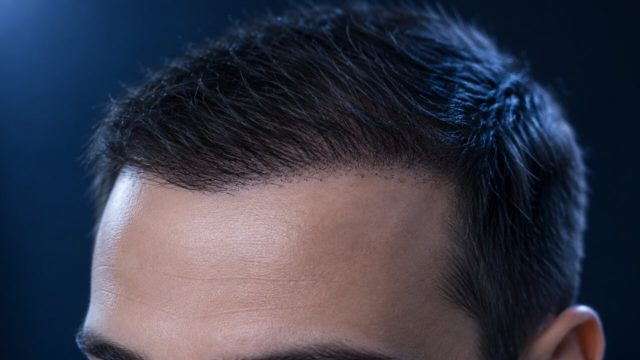
At three months, many patients are entering the early regrowth phase after a hair transplant. New hairs may look fine, short and uneven, while some areas may still appear sparse; a 3 month post hair transplant result is usually not the final result. Your doctor can assess your healing pattern, grafted area and native hair during follow-up.
- Fine, short and uneven new hairs are commonly seen around the third month after a transplant.
- Temporary shedding of transplanted and existing hair can make the area look less full before new growth becomes visible.
- Growth timing varies between patients, so one area may begin growing earlier than another.
- Persistent redness, pain, discharge or worsening swelling should be reviewed by a medical team promptly.
- A medical review is the most reliable way to distinguish a slow growth pattern from a possible concern.
01Three Months After a Hair Transplant: What Growth May Look Like
At the 3 month post hair transplant stage, the scalp often looks very different from how it looked in the first few weeks. Most visible scabs should be gone, the recipient area is usually healed on the surface, and the transplanted follicles are beginning or preparing to produce new hairs. However, the cosmetic change may still be modest. Many people see scattered short hairs rather than immediate density, and the difference between the transplanted zone and surrounding hair can be noticeable at this point.
It is common for early hairs to be thin, pale, soft or slightly curly. This happens because a newly growing follicle may initially produce a finer hair shaft before it settles into a more mature cycle. New growth can also appear in small groups, creating a patchy or irregular pattern. This does not automatically mean that grafts have been lost or that the final coverage will be patchy.
The appearance at month three depends on factors such as the original degree of hair loss, the area treated, the hair’s natural colour and thickness, the condition of the scalp, and individual growth cycles. A hairline transplant, crown procedure and larger restoration can each develop differently. Photographs taken in consistent lighting can be useful, but your clinic’s clinical assessment remains more informative than comparing your progress with another patient’s timeline.
02The 3 month post hair transplant growth timeline
A transplant moves through several biological stages, and the third month falls near the start of visible regrowth for many patients. During the first days, transplanted grafts establish themselves in the recipient sites. In the following weeks, the hair shafts often shed. This shedding can be concerning, but it is usually part of the normal cycle because the implanted follicle remains beneath the skin while the visible shaft falls away.
After the shedding phase, follicles commonly enter a resting period. For some patients, this quiet stage can last longer than expected, with very little visible change in the mirror. Around months three to four, early new hairs may begin to emerge. They may be difficult to see unless the hair is closely examined in bright, even light. Others may notice more obvious early growth slightly later, which can also be within an expected recovery range.
The speed of regrowth is not a scorecard for treatment success. Hair follicles do not all restart at the same moment, even when grafts were placed during the same procedure. The crown can appear slower than the frontal area, and areas with existing thinning hair may look less defined while surrounding native hair continues to change. Most clinics assess development over several later months rather than drawing a final conclusion at month three.
03Why early growth may look thin, uneven or patchy
Unevenness is one of the most frequent concerns at this stage. A newly transplanted area may show hairs along part of the hairline while the temples, mid-scalp or crown still appear sparse. Follicles follow independent growth rhythms, so early emergence is rarely perfectly uniform. The visual effect may be stronger if the surrounding hair is long, if there is a strong contrast between scalp and hair colour, or if the treatment area was extensive.
Early regrowth often lacks the calibre and length needed to create visible coverage. A hair can be present but contribute very little to density until it becomes thicker and longer. Fine baby hairs may stand upright, grow at different angles or look wavy before their texture gradually improves. This temporary change in texture is generally related to the growth cycle and does not necessarily predict how the hair will look when it matures.
In some patients, temporary shedding of existing, non-transplanted hair can add to the impression of patchiness. This is sometimes called shock loss. It may occur after surgical handling, local inflammation or changes in the scalp environment. Whether it happens, how much is visible and whether it recovers can vary. Your doctor should evaluate significant shedding, particularly if it continues or affects areas beyond those expected after the procedure.
04What you can safely do during month three
At three months, the focus is usually on maintaining gentle, consistent scalp and hair care rather than trying to force faster growth. Follow the washing, grooming and activity instructions provided by your medical team. In most patients, routine shampooing and careful styling are possible by this stage, but the exact advice may differ according to healing, scalp sensitivity and the technique used. Avoid changing your routine based only on social media photographs or unverified home remedies.
A balanced diet, adequate sleep and management of general health can support normal hair and skin function, although they cannot guarantee a particular transplant result or speed up the follicle cycle on demand. If you have been prescribed or advised to use any medication, supplement or topical treatment, ask your doctor before stopping, restarting or adding products. Some treatments may be unsuitable for certain medical histories or may require monitoring.
Do not judge a 3 month post hair transplant outcome through daily close-up checks. Hair grows slowly, and daily comparison can increase anxiety without showing meaningful change. Instead, take a photograph about once a month using the same angle, hair length, lighting and dry-hair condition. Bring these images to a planned review, where a clinician can compare the recipient area with earlier records and examine the scalp directly.
05When slow growth needs a medical review
Limited visible growth at three months is not, by itself, evidence that a transplant has failed. Many follicles may still be in a resting phase, and the first emerging hairs can be too fine to create a clear cosmetic difference. Even so, it is sensible to contact your clinic if you are worried. A scheduled follow-up gives the team an opportunity to review your photographs, discuss your recovery and explain whether the pattern appears consistent with the expected stage.
Seek medical advice sooner if you notice symptoms that are not simply slow growth. These can include increasing redness, warmth, pain, swelling, pus-like discharge, unpleasant odour, fever, persistent crusting, or new areas of skin breakdown. These signs do not confirm a specific diagnosis, but they require timely clinical assessment because scalp inflammation or infection should not be managed by self-treatment alone.
Your clinic may review the area through clear photographs, a video consultation or an in-person examination, depending on the concern. A close scalp assessment can help identify visible new hairs, assess skin healing and distinguish transplanted hair from surrounding native hair. At Acibadem Hair Transplant Center, patients can use a free online hair analysis reviewed by doctors, with WhatsApp replies typically available within around two hours for initial communication.
06Possible signs that should not be ignored
A true assessment of transplant success requires time, so there is no single visual sign at month three that can confirm failure. However, certain changes deserve professional attention. Ongoing scalp symptoms, significant discomfort, marked inflammation or a recipient area that appears to be healing poorly should be checked. A clinician can determine whether these findings are part of healing, related to a scalp condition, or need treatment.
Another reason to request review is a sudden or progressive change in your existing hair outside the transplant area. Hair loss can continue because the procedure does not stop the natural progression of androgenetic hair loss in untreated follicles. In addition, other causes of shedding, including illness, stress, nutritional issues or scalp disease, may affect the appearance of both native and transplanted hair. Only an appropriate medical assessment can clarify the likely cause in an individual case.
Be cautious about declaring graft loss from a few hairs seen on a pillow, in the shower or on a comb. By month three, the follicle is normally secure within the scalp, while hair shafts naturally shed as part of their cycle. What matters is the overall pattern, scalp condition and later regrowth. If you have concerns, send clear images to your medical team rather than attempting to inspect, pull or scratch the recipient sites.
07How follow-up helps set realistic expectations
Follow-up is valuable because a transplant is a gradual process, not a one-day result. During a review, the medical team can compare the current appearance with your baseline hair pattern, the surgical plan and previous recovery photographs. They can also discuss whether surrounding native hair is changing, whether the scalp looks healthy and when the next meaningful progress check should take place. This can provide a more reliable perspective than a single mirror check.
Modern follow-up may include trichoscopic examination, which allows close assessment of hair and scalp features. At Acibadem Hair Transplant Center, results are measured by trichoscopic graft survival at month 12, with a documented 98% rate under written guarantee. This is a later clinical measure and should not be confused with the early cosmetic appearance at month three, when many hairs may still be emerging or maturing.
Patients travelling for treatment should also understand how aftercare will be managed after they return home. Acibadem Hair Transplant Center is a dedicated hair restoration clinic in Istanbul, licensed by the Turkish Ministry of Health. Its all-inclusive packages include a care kit and 12 months of follow-up, alongside VIP transfer and a 4-star hotel. Your doctor will confirm the follow-up plan that fits your procedure and recovery needs.
08Month Three Aftercare: Washing, Styling and Scalp Protection
By month three, the transplanted follicles are normally secure, but the scalp and newly emerging hairs may still be sensitive. In most patients, regular shampooing can be resumed, using lukewarm rather than very hot water and gentle fingertip movements. There is usually no need to scrub the recipient area aggressively. If you have ongoing dryness, flaking, itching or sensitivity, ask your clinic which products are appropriate instead of introducing several new shampoos, oils or exfoliating treatments at once.
Haircuts and styling can often become easier at this stage, but practical choices may help early growth look more natural. A longer hairstyle can reduce the contrast between the transplanted and untreated areas while new hairs gain length. Avoid tight hairstyles that repeatedly pull on the hair, and use care with heated tools, strong chemical treatments or scalp camouflage products if the skin remains irritated. Your doctor can confirm when colouring, bleaching, perming or other chemical services are suitable for your individual recovery.
Sun protection remains important, especially when the transplanted area has limited coverage. A loose, clean hat may be practical outdoors, while prolonged direct sun exposure can irritate a sensitive scalp. If you swim, rinse the scalp afterwards and avoid remaining in wet headwear for long periods. These measures support scalp comfort, but they do not change the biological timing of new hair growth.
09What Usually Happens Between Months Four and Twelve
The period after month three is often when changes become easier to notice, although progress is still gradual. Between months four and six, many patients see an increasing number of new hairs and better coverage in the recipient area. The hair may remain fine or uneven in calibre, so improvement can be more visible in photographs taken several months apart than in daily mirror checks.
From approximately months six to nine, emerging hairs may become longer, stronger and easier to style. Coverage can improve as more follicles enter an active growth phase, but the rate of change differs across the hairline, mid-scalp and crown. Crown areas may take longer to create a visible cosmetic effect because of the natural direction and spread of hair in this region. Continued thinning in untreated native hair can also affect how full the overall result appears.
A later review is important because early growth is not the final assessment point. At month 12, a clinic can assess development more meaningfully, including graft survival and the appearance of both transplanted and native hair. Acibadem Hair Transplant Center measures results through trichoscopic graft survival at month 12, with a documented 98% rate under written guarantee. Your doctor will explain what this measure means for your follow-up rather than relying on a single cosmetic photograph.
10Planning Follow-up When You Have Travelled Home
International patients do not usually need to remain in Istanbul during the early regrowth stage, but they should know how to access support after returning home. Before travel, keep the clinic’s contact details, aftercare instructions and any procedure records in an accessible place. It can also be helpful to save a small set of baseline photographs taken after healing, with the same front, top, side and crown views that you can repeat during follow-up.
For a useful remote review, take images in natural or even indoor light with dry hair, without filters, flash glare or scalp-concealing fibres. Include both wider views and close views of any specific concern. State when symptoms started and whether there is pain, itching, redness, discharge or changes in shedding. This gives the medical team clearer information than a single close-up image and may help them decide whether virtual guidance is sufficient or whether local in-person medical care is needed.
Acibadem Hair Transplant Center provides 12 months of follow-up within its all-inclusive packages, which also include VIP transfer, a 4-star hotel and a care kit. Patients can use the clinic’s free online hair analysis, reviewed by doctors, for initial communication; WhatsApp replies are typically available within around two hours. Urgent symptoms such as fever, worsening pain, spreading redness or discharge should be assessed promptly by an appropriate medical professional where you are, rather than waiting for a routine remote review.
11Frequently Asked Questions
What may a hair transplant look like at the three-month point?
At three months, the recipient area may show short, fine new hairs with uneven coverage. Some areas may still look sparse because follicles restart growth at different times. Surface healing is usually complete, but the final density and hair texture are not normally visible yet.
Is it normal for new hair to start growing three months after a hair transplant?
Yes, early new growth is commonly seen around month three, although the exact timing varies. The first hairs may be thin, soft or irregular and may not create much visible density. Some patients notice clearer growth later, so a medical review is more useful than comparing timelines online.
What can indicate that a hair transplant may not be progressing normally?
Slow growth alone at month three does not confirm a failed transplant. Persistent pain, worsening redness, swelling, discharge, skin breakdown or other signs of poor healing should be reviewed promptly. A clinician can also assess concerns about ongoing hair loss, scalp inflammation or an unexpected growth pattern over time.
Why might there be little visible growth three months after a hair transplant?
Many transplanted follicles are still resting or producing hairs that are too fine and short to be easily seen at this stage. Individual growth cycles, temporary shedding of native hair and the location of the treated area can also affect appearance. Contact your clinic for a review if you are concerned, especially if slow growth occurs with scalp symptoms.
هذا المقال للمعلومات العامة فقط، وهو ليس بديلاً عن الاستشارة الطبية المتخصصة.
هذا الدليل للمعلومات العامة ولا يغني عن الاستشارة الطبية. تُتخذ قرارات العلاج بعد تقييم الطبيب حضورياً أو عبر الإنترنت.