في هذا المقال8
- Understanding older plug procedures and why results can look unnatural
- Why plug-shaped grafts become more noticeable over time
- When hair plugs gone wrong: signs that warrant a revision assessment
- How a specialist plans a safe and realistic revision
- Revision techniques: removal, redistribution, and refined graft placement
- Camouflage options beyond removing old plugs
- Recovery, timelines, and choosing a revision clinic
- Frequently Asked Questions
Hair plugs gone wrong can often be improved with a carefully planned combination of graft removal, redistribution, camouflage grafting, and treatment of visible scars. The best option depends on the size, direction, density, and survival of the existing grafts, as well as the available donor hair and your long-term goals.
- Older hair plug procedures may create visible clumps, an abrupt hairline, uneven direction, or scarring.
- A revision plan usually begins with a close assessment of the scalp, donor area, existing grafts, and future hair-loss pattern.
- Some prominent grafts may be removed or reduced, while others can be reused or hidden with finer grafts.
- Camouflage can improve hairline softness, density transitions, scars, and contrast between the scalp and transplanted hair.
- Revision work is usually more complex than a first procedure, so realistic planning and experienced medical assessment are important.
01Understanding older plug procedures and why results can look unnatural
Hair plugs gone wrong usually refers to an older type of hair transplant that used relatively large, round grafts. These grafts could contain many hairs and were often placed in clear rows or at a uniform spacing. While the hair may grow, the result can look different from natural hair growth, especially at the frontal hairline. Modern hair restoration aims to reproduce the irregular pattern, fine single-hair transition, and changing density seen in a natural scalp.
It is important to separate an old-fashioned appearance from a failed procedure. A person may have healthy, growing transplanted hair but still feel unhappy because the grafts are too large, the hairline is too low or straight, or the direction of growth is difficult to style. In other cases, visible scars, poor density between plugs, or continued loss of surrounding native hair can make the result more noticeable over time.
Large grafts are not the only reason a transplant can look unnatural. Hairline design, graft angle, curl pattern, skin tone, hair-to-skin contrast, and the amount of hair remaining behind the transplanted area can all affect the final appearance. A careful review should consider the whole scalp rather than focusing only on the most visible plugs.
Many people seek advice years after their original procedure. This can be emotionally difficult, particularly when styling choices have been limited for a long time. A revision consultation should be respectful and practical, explaining what may be improved, what may remain visible, and whether treatment should be staged over more than one procedure.
02Why plug-shaped grafts become more noticeable over time
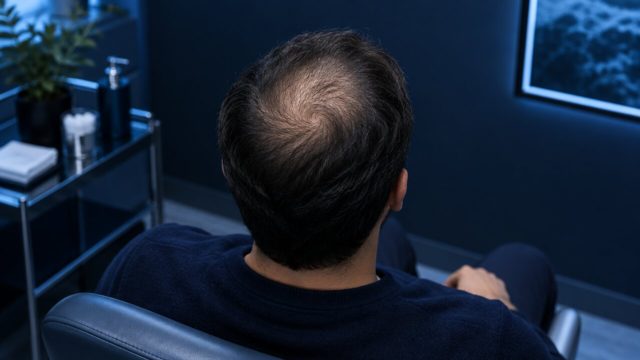
Older grafts may become more obvious as natural hair thinning continues around them. A plug that once blended into thicker hair can appear isolated when the surrounding native hair becomes finer or sheds. This is one reason why revision planning must include an assessment of possible future hair loss, not simply an attempt to add density where it looks sparse today.
An unnatural hairline often results from large multi-hair grafts placed too close to the front. Natural frontal hairlines usually contain a soft, uneven transition of finer single hairs. When thicker groups of hairs grow from round, regularly spaced areas, the border may look abrupt. Strong lighting, wet hair, or a short haircut can make this effect more visible.
Hair direction can also create concern. Transplanted hairs that grow too upright, backward, or in a direction different from nearby hair may be difficult to comb naturally. Although each hair can be healthy, the overall pattern may draw attention. In selected cases, improving direction involves removing certain grafts, reducing them, or placing new grafts around them at more natural angles.
Scarring may be present in both the recipient and donor areas. Old punch techniques could leave small circular marks in the recipient area, while a strip-based donor procedure may leave a linear scar at the back of the scalp. Scar appearance varies widely according to the original technique, healing, skin characteristics, and later procedures. A doctor will assess whether scar camouflage is medically suitable.
03When hair plugs gone wrong: signs that warrant a revision assessment
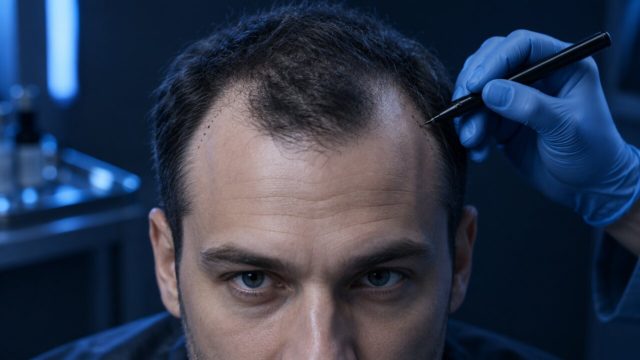
People searching for hair plugs gone wrong commonly describe a doll-like or cornrow appearance, visible circles at the hairline, patchy density, or hair that grows in an awkward direction. These signs do not automatically mean that every graft needs to be removed. Some grafts may be useful and can be blended with a more refined design, while others may need a different approach.
A consultation is especially valuable when a hairline appears too low for a person’s age or ongoing hair-loss pattern. Lowering or advancing a hairline may use a large number of grafts, and this can limit the donor supply available for later needs. In revision work, the doctor considers whether the hairline should be softened, raised visually, or balanced with additional coverage behind it.
Visible scalp between old grafts may also be caused by low overall density rather than plug size alone. Adding carefully selected finer grafts may improve the transition between existing hair and transplanted areas. However, density has biological and donor-area limits. A safe plan should protect the donor area and avoid creating a new concern while trying to correct the old one.
Other reasons to seek an assessment include itching, persistent redness, raised scars, recurring bumps, or pain in an old transplant area. These symptoms are not always related to the cosmetic appearance and should be evaluated clinically. A medical professional may recommend examination or treatment before any cosmetic revision is considered.
04How a specialist plans a safe and realistic revision
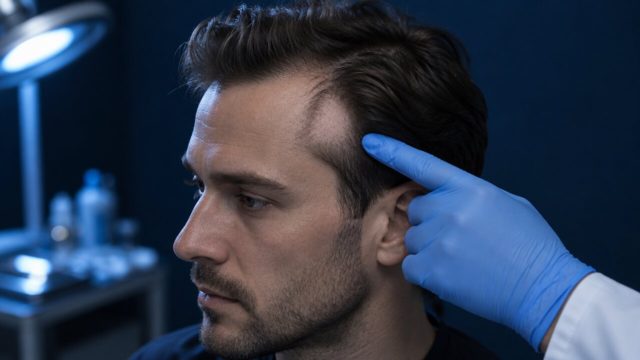
Revision begins with a detailed history of previous procedures, if records are available, and an examination of the scalp. The team typically reviews the location and size of existing grafts, hair direction, hair calibre, scalp laxity where relevant, donor density, scars, and the pattern of non-transplanted hair loss. Clear photographs in consistent lighting can also help document the starting point and support planning.
Trichoscopic examination may help the doctor look closely at hair shafts, follicles, scalp skin, and the relationship between grafts and surrounding hair. This assessment can show whether there are finer hairs available for a soft hairline, whether areas have active thinning, and whether scarring may affect implantation. Your doctor will confirm which tests or examinations are appropriate for your situation.
The plan should be built around priorities. For some patients, the most important goal is to break up a harsh hairline. For others, it is to conceal a scar, improve the crown, or make it easier to wear shorter hairstyles. Trying to correct every area in one session may not be suitable, particularly if donor hair is limited or if old grafts first need to be removed.
A responsible consultation also discusses limitations. A revision cannot always recreate the density of an untouched scalp, erase every scar, or restore an unlimited donor reserve. The aim is typically a more natural, balanced, and manageable appearance. Before proceeding, patients should understand the likely stages, the healing process, and the possibility that further treatment may be considered later.
05Revision techniques: removal, redistribution, and refined graft placement
Prominent plug grafts can sometimes be reduced by punch excision, a technique in which selected grafts are carefully removed. The resulting small sites may be closed, allowed to heal, or prepared for later grafting depending on the plan. Removing too many grafts at once may not be appropriate, so this method is often used selectively rather than as a complete solution for every old graft.
In selected cases, removed grafts may be dissected into smaller follicular units and reused. This can help transform a large graft into smaller groups that are more suitable for blending. Whether this is possible depends on graft condition, handling, scarring, and the quality of the follicles. A doctor cannot confirm graft reuse without evaluating the individual situation.
Camouflage grafting is frequently used around retained plugs. Fine single-hair grafts may be placed at the front of the hairline or between larger grafts to soften their outline. Slightly larger graft groupings can then be used farther behind to build a gradual density transition. Careful placement angle and direction are essential because these details strongly influence how natural the hair looks when styled.
At Acibadem Hair Transplant Center, a dedicated hair restoration clinic in Istanbul licensed by the Turkish Ministry of Health, Sapphire FUE and DHI techniques are available for suitable candidates. The chosen technique is not a guarantee of a particular result; in revision cases, the surgical method must match the scalp condition, donor resources, and treatment objective. Needle-free anaesthesia may also be available when clinically appropriate.
06Camouflage options beyond removing old plugs
Not every patient needs plug removal. When old grafts are stable and not excessively raised, surrounding them with well-directed, finer grafts can reduce contrast and make the pattern less noticeable. This option may preserve available hairs and avoid creating additional removal sites. It is particularly useful when the main concern is an abrupt hairline or uneven density rather than the physical size of every graft.
Scar camouflage may involve placing grafts into or around an appropriate healed scar to reduce the contrast between scalp skin and hair-bearing areas. Scar tissue has a different blood supply and texture from normal scalp, so graft survival can be less predictable. A specialist should assess the scar carefully and may recommend a conservative approach or more than one stage.
Hairstyling can be a useful temporary measure during planning and healing. Slightly longer hair, a side-swept style, texture, or avoiding very harsh lighting may help conceal an irregular hairline or scar. These measures do not change the grafts themselves, but they can help a person feel more comfortable while considering clinical options.
For some people with limited donor hair, non-surgical cosmetic camouflage may be discussed as part of a wider plan. This may be considered alongside surgery rather than instead of it, depending on the goals. Any scalp product or cosmetic approach should be selected carefully, especially if there is irritation, active inflammation, or a recent procedure.
07Recovery, timelines, and choosing a revision clinic
Recovery after revision depends on what was done. Small graft removal and limited camouflage grafting may involve short-term redness, swelling, crusting, and tenderness in treated areas. More extensive work can require a longer visible healing period. Patients are usually given specific washing, activity, and scalp-care instructions, and these should be followed closely to protect healing grafts and reduce avoidable irritation.
Transplanted hair commonly goes through an early shedding phase before visible new growth begins. This can be worrying, but temporary shedding after transplantation is a recognised part of the process in many patients. New growth develops gradually, and the appearance continues to mature over several months. Final assessment is generally delayed until the grafts have had sufficient time to grow and settle.
Hair plugs gone wrong may be improved substantially, but a revision should never be treated as a quick cosmetic fix. The scalp may have scarring, donor reserves may be reduced, and several treatment goals may compete with each other. A staged plan can allow the team to observe healing and growth before deciding whether further refinement is worthwhile.
International patients should choose a clinic that explains planning, aftercare, and follow-up clearly. Acibadem Hair Transplant Center offers free online hair analysis reviewed by doctors, with WhatsApp replies typically within around two hours. Its all-inclusive packages include VIP transfer, a 4-star hotel, a care kit, and 12 months of follow-up. The clinic documents a 98% trichoscopic graft survival rate at month 12 under a written guarantee, but individual aesthetic outcomes still depend on clinical factors and personal healing.
08Frequently Asked Questions
Can old hair plugs grow again after they have been treated?
If transplanted follicles remain healthy and are left in place, they may continue to grow hair because transplanted hair is usually intended to be permanent. If a graft is removed during revision, it will not grow in that location unless follicles are successfully reused or new grafts are implanted. Your doctor can explain which existing grafts may be retained, removed, or potentially redistributed.
What are the typical signs of bad-looking hair plugs?
Unnatural-looking plugs may appear as round clumps, regularly spaced rows, a harsh or very straight hairline, patchy density, or hair growing at an awkward angle. Some people also notice visible circular marks or contrast between thick grafts and thinning surrounding hair. The appearance varies with lighting, hair length, skin tone, and continued natural hair loss.
How long is recovery after a hair plug revision procedure?
Initial healing commonly involves crusting, redness, and mild swelling or tenderness for a period that can vary by procedure and person. The visible recovery is often shorter than the time needed to judge growth, because transplanted hairs may shed first and regrow gradually. Your surgical team will provide individual aftercare instructions and a timeline for review appointments.
Do hair plugs fall out over time?
The hair shafts from transplanted plugs can shed temporarily after surgery, while the follicles remain under the skin and may later produce new growth. Over many years, some transplanted hairs can also become finer or change as part of ageing, while untreated native hair around them may continue to thin. A clinical assessment is the best way to distinguish graft loss from changes in surrounding hair.
هذا المقال للمعلومات العامة فقط، وهو ليس بديلاً عن الاستشارة الطبية المتخصصة.
هذا الدليل للمعلومات العامة ولا يغني عن الاستشارة الطبية. تُتخذ قرارات العلاج بعد تقييم الطبيب حضورياً أو عبر الإنترنت.