
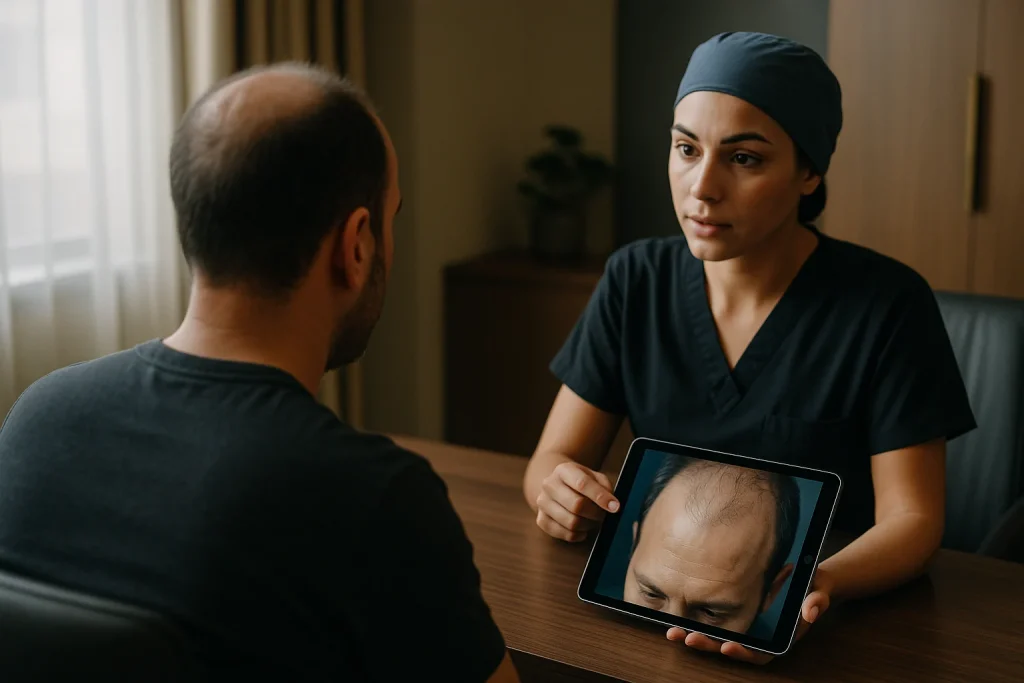
Can alopecia go away? It can improve or stop in some people, especially when the cause is temporary, treatable, or identified early. However, some forms of alopecia are long-term or cause permanent follicle damage, so a dermatologist should confirm the diagnosis before treatment or a hair transplant is considered.
- Alopecia is a broad term for hair loss, and its outlook depends on the specific type and underlying cause.
- Temporary shedding may improve after a trigger such as illness, stress, nutritional deficiency, or medication change is addressed.
- Pattern hair loss can usually be managed but tends to progress without appropriate medical assessment and treatment.
- A hair transplant is generally considered only when hair loss is stable and the donor area is suitable.
- Scalp care, balanced nutrition, and early medical evaluation can support overall hair health but cannot replace diagnosis-specific care.
01Can Alopecia Improve and When Is Transplant an Option?
Alopecia means hair loss, but it does not describe one single condition. It may affect the scalp, beard, eyebrows, eyelashes, or body hair, and it can develop suddenly or gradually. Whether it improves depends on why the hair is falling out and whether the follicles remain capable of producing hair. Some patients experience a temporary shedding phase that settles over time, while others have an ongoing condition that needs medical management.
The first step is to identify the type of hair loss rather than assuming that every form of alopecia has the same solution. A dermatologist may review your medical history, scalp appearance, hair distribution, family history, recent illnesses, medicines, and lifestyle factors. In some cases, blood tests, trichoscopy, or a scalp biopsy may be appropriate to help clarify the diagnosis.
Hair transplantation is not usually the first response to new or active hair loss. It may become an option when the cause has been properly assessed, hair loss is stable, and there is enough healthy donor hair. A transplant moves living follicles from a denser area to a thinning or bald area; it does not cure the underlying disease that caused hair loss. Your doctor will confirm whether this approach is medically suitable.
02Can alopecia go away? The answer depends on the type
Can alopecia go away? In temporary forms of hair loss, it may improve once the trigger is corrected and the normal hair cycle resumes. For example, diffuse shedding after a significant fever, surgery, childbirth, rapid weight change, or emotional stress may gradually settle. Regrowth can take time because hair grows in cycles, and visible density often returns more slowly than patients expect.
Alopecia areata is an autoimmune condition that often causes round or oval patches of hair loss. Some patches may regrow without treatment, while other patients experience repeated episodes or more extensive loss. The pattern is unpredictable, so professional review is important. Dermatology treatments may help control inflammation or encourage regrowth in appropriate cases, but the response varies from person to person.
Androgenetic alopecia, also called male or female pattern hair loss, is usually progressive. It is influenced by genetics and hormone sensitivity and commonly causes gradual thinning at the hairline, temples, crown, or central scalp. While it may be slowed or managed with doctor-recommended treatment, it does not typically disappear on its own. Early assessment can help protect existing hair and support realistic planning.
03Temporary shedding and the hair growth cycle
Hair normally passes through growing, resting, and shedding stages. When the body experiences a physical or emotional stressor, more hairs can move into the shedding phase at the same time. This condition is often called telogen effluvium. It usually presents as increased daily shedding or overall thinning rather than completely smooth bald patches.
The trigger may have happened two to three months before the shedding becomes noticeable. Common examples include a high fever, infection, major operation, childbirth, restrictive dieting, substantial weight loss, iron deficiency, thyroid imbalance, or a new medication. Not every case has an obvious trigger, and more than one factor can sometimes be involved.
In many patients, temporary shedding improves after the underlying issue is addressed and the hair cycle normalises. However, ongoing shedding, scalp symptoms, widening part lines, or a receding hairline should not be ignored. These signs may indicate another condition, including pattern hair loss, which can occur alongside temporary shedding. A medical assessment helps distinguish between these possibilities.
04Common triggers that may contribute to alopecia
Alopecia can be linked to many different factors. Genetic pattern hair loss is among the most common causes, but autoimmune disease, hormonal changes, inflammatory scalp conditions, fungal infections, traction from tight hairstyles, and some medicines may also contribute. Age, family history, recent health events, and the location of the hair loss can provide useful clinical clues.
Nutritional issues can matter when there is a genuine deficiency. Low iron stores, inadequate protein intake, and certain vitamin or mineral deficiencies may be associated with shedding in some patients. At the same time, taking high-dose supplements without confirmed need can be unhelpful or unsafe. Hair loss should not be treated with supplements alone before the cause has been investigated.
Hair practices may also affect the scalp and hair shaft. Frequent tight braids, extensions, buns, or head coverings that pull consistently on the same area can lead to traction alopecia. Heat styling, bleaching, and harsh chemical processes more often cause breakage than loss from the root, but they can make thinning look worse. Reducing repeated tension and damage may help preserve vulnerable hair.
05Diagnosis comes before choosing a treatment
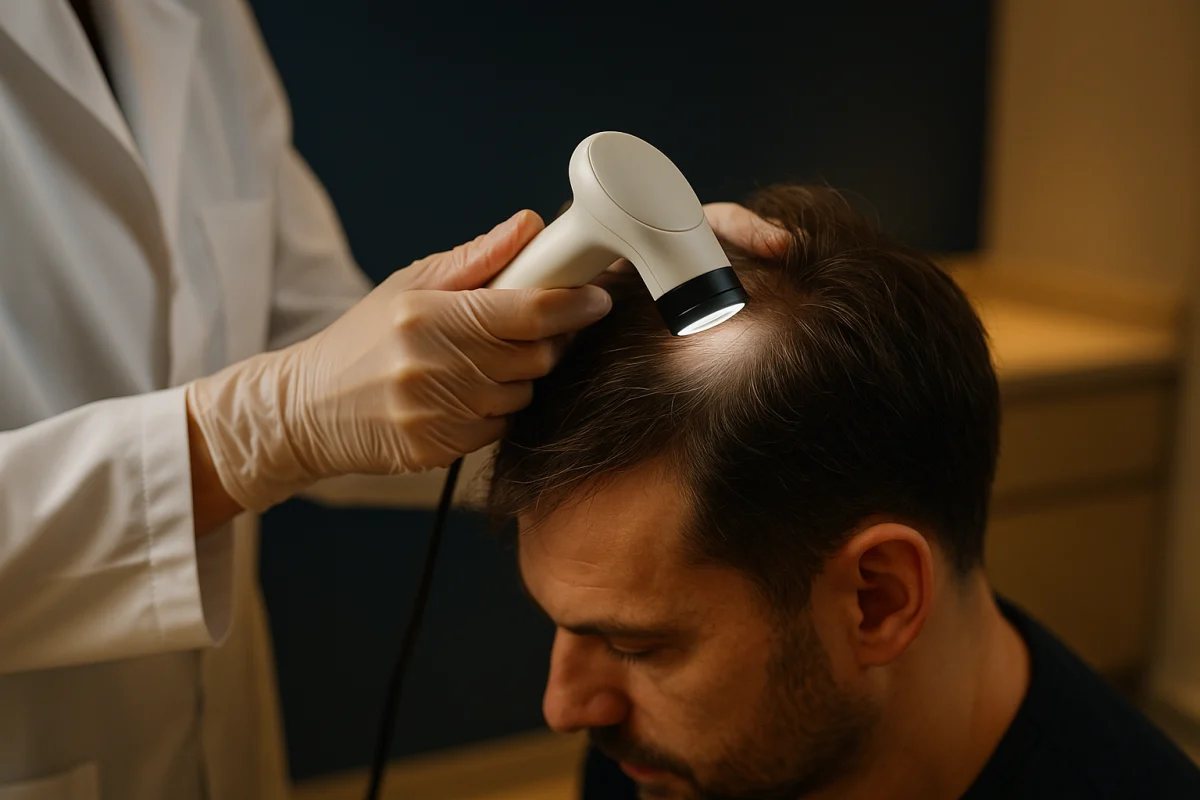
A clear diagnosis is important because treatments that are useful for one type of alopecia may not be appropriate for another. During a consultation, a doctor may look for signs such as scalp redness, scale, broken hairs, miniaturised hairs, patch shape, or scarring. Trichoscopy, a close examination of the scalp and follicles, can provide additional information without an invasive procedure.
Scarring alopecia requires particular attention. In these conditions, inflammation can permanently damage follicles and replace them with scar tissue. The scalp may look shiny, smooth, irritated, or show changes in skin colour and texture. Because lost follicles cannot usually regrow once scarred, early dermatology care is especially important to reduce further progression where possible.
At Acibadem Hair Transplant Center, patients can request a free online hair analysis that is reviewed by doctors. This can help provide initial guidance about visible thinning and possible next steps, but an online review cannot replace a full medical diagnosis when symptoms suggest active scalp disease, sudden patchy loss, or scarring. Patients typically receive a WhatsApp response within approximately two hours.
06Medical management and everyday hair care
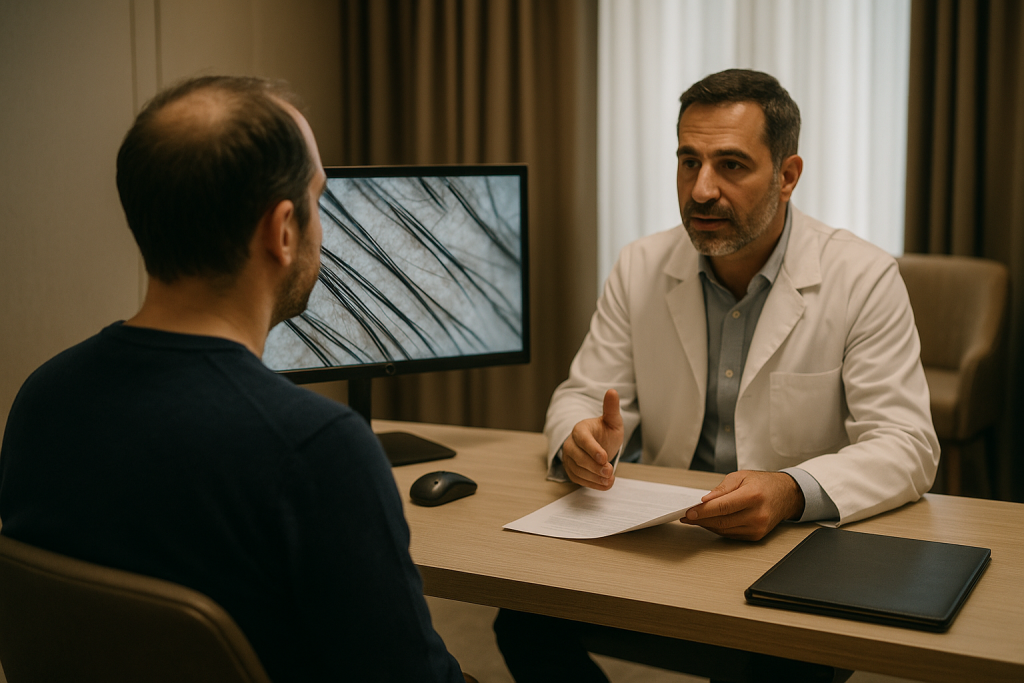
Treatment should be matched to the diagnosed condition. Depending on the cause, a dermatologist may recommend observation, treatment for an underlying health issue, anti-inflammatory therapy, management of infection, or evidence-based options for pattern hair loss. The right plan may aim to reduce shedding, preserve existing follicles, improve scalp health, or support regrowth. Results and timelines vary, and follow-up is often needed.
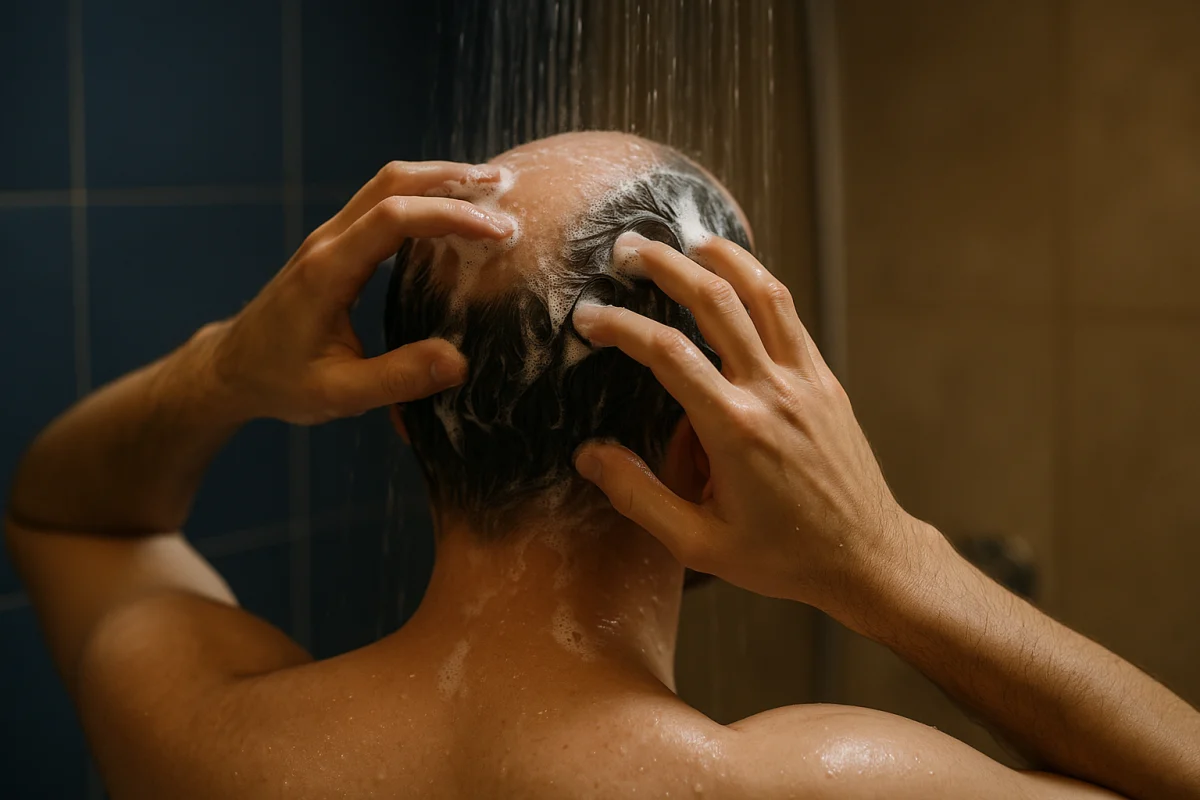
Daily hair care should be gentle, particularly when shedding is active. Wash the scalp as needed to keep it clean, using lukewarm rather than very hot water and a mild shampoo that suits your scalp. Apply shampoo with the fingertips rather than nails, avoid forceful rubbing, and rinse carefully. Hair that comes out during washing was often already in the shedding phase, so reducing washing frequency does not usually stop medically driven shedding.
A balanced diet that includes adequate protein, iron-rich foods, healthy fats, fruit, vegetables, and varied nutrients supports general health and normal hair production. Diet can help when poor intake or a deficiency contributes to shedding, but it cannot reliably reverse genetic or autoimmune alopecia by itself. If you are concerned about deficiencies or restrictive eating, your doctor can advise whether testing is appropriate.
07When a hair transplant may be considered
A hair transplant may be considered for suitable patients with stable pattern hair loss or selected stable areas of permanent hair loss. The procedure redistributes follicles from the donor zone, usually at the back and sides of the scalp, into areas with lower density. A successful plan depends on donor quality, the size of the recipient area, hair characteristics, future hair-loss risk, and realistic expectations.
Active alopecia areata, uncontrolled inflammatory scalp disease, active infection, and unstable shedding may make transplantation unsuitable or require treatment first. Transplanted follicles can also be affected if the underlying disease remains active. For this reason, a responsible assessment considers not only the area that looks thin today but also the likely long-term stability of both donor and recipient areas.
Acibadem Hair Transplant Center is a dedicated hair restoration clinic in Istanbul, licensed by the Turkish Ministry of Health. Sapphire FUE and DHI techniques are available, and needle-free anaesthesia may be offered for eligible patients. Technique selection should follow a doctor’s assessment rather than a general preference, because each approach must be adapted to the patient’s scalp, donor capacity, and hair-loss pattern.
08Planning for natural-looking, long-term results
A transplant plan should protect the donor area and account for future hair loss. In pattern alopecia, existing non-transplanted hair may continue to thin over time. This means a very low hairline or overly dense frontal design may not remain balanced later. Careful graft distribution and a conservative, age-appropriate design can help support a more natural appearance.
Patients travelling for treatment should understand the recovery process before making arrangements. Short-term redness, swelling, scabbing, and temporary shedding of transplanted hairs can occur after surgery. New growth is gradual rather than immediate, and doctors usually assess development over several months. Individual healing and growth patterns differ, so no clinic should promise the same outcome for every patient.
Acibadem Hair Transplant Center has treated patients from 38 countries over 12 years. Its all-inclusive packages include VIP transfer, a 4-star hotel, a care kit, and 12 months of follow-up. Trichoscopic graft survival is measured at month 12, with a documented 98% rate under written guarantee. These measures relate to graft survival assessment and should not be understood as a guarantee of an identical cosmetic result for every individual.
09Hair Transplant Recovery Timeline: What Patients Commonly See
The first 10 to 14 days after a hair transplant are mainly focused on protecting the grafts while the scalp heals. Small crusts, mild redness, tightness, itching, or swelling can occur. Patients are normally given written washing and sleeping instructions by their surgical team. It is important not to scratch, pick crusts, wear tight headwear, or expose the scalp to friction during this early stage, because newly placed grafts need time to settle.
During the following weeks, many transplanted hairs shed. This is often called temporary shedding or shock shedding and does not necessarily mean that the follicles have been lost. The follicles remain under the skin and may enter a resting phase before producing new hairs. Some existing, non-transplanted hair can also look temporarily thinner after surgery, particularly where the recipient area already contained fragile hairs.
Early new growth is often seen gradually from around the third or fourth month, although timing differs between patients. Hair commonly becomes more noticeable over the middle months as new shafts become longer and thicker. A fuller cosmetic change is generally assessed closer to month 12, when trichoscopic graft survival can also be evaluated. Acibadem Hair Transplant Center provides 12 months of follow-up, allowing patients to share progress and receive guidance throughout this longer growth period.
10Practical Aftercare Habits That Help Protect the Scalp
Aftercare instructions should always come from the treating medical team, as they may differ according to the technique used, the size of the procedure, and the patient’s healing needs. In general, patients are asked to keep the recipient area clean without direct pressure in the first days and to follow the recommended washing method carefully. The care kit included in Acibadem Hair Transplant Center’s all-inclusive packages is designed to support the clinic’s post-procedure routine.
Physical activity, sweating, swimming, sun exposure, and contact sports may need to be limited for a period advised by the doctor. These activities can increase irritation, introduce contamination, or create a risk of rubbing or impact to the scalp during early healing. Patients should also ask before restarting hair fibres, camouflage products, styling products, colouring treatments, or close shaving around the transplanted area.
Contact the clinic or seek medical advice promptly if you develop increasing pain, spreading redness, unusual discharge, fever, significant swelling that does not improve as expected, or another concern about healing. Mild crusting and temporary discomfort can be part of normal recovery, but a remote follow-up service does not replace urgent in-person medical care when concerning symptoms occur.
11Travel Planning for International Hair Transplant Patients
International patients should plan their visit around the early recovery period rather than only the procedure day. It is sensible to choose loose, comfortable clothing that does not need to be pulled over the head, arrange a calm journey home, and keep travel documents, prescribed medicines, and aftercare information easily available. Your coordinator and doctor can confirm when flying is appropriate in your individual case and whether you should schedule a post-procedure check before departure.
Acibadem Hair Transplant Center is a dedicated hair restoration clinic in Istanbul and supports international patients with VIP transfer and a 4-star hotel as part of its all-inclusive packages. Before travel, patients should share clear scalp photographs and relevant medical information through the free online hair analysis. The review is performed by doctors, and WhatsApp replies are typically provided within approximately two hours; however, final suitability still depends on medical assessment.
It is helpful to plan for follow-up photographs in consistent lighting and from the same angles after returning home. Clear images can help the clinical team monitor visible healing and growth over time. Patients should also maintain access to a local doctor or dermatologist, especially if they have an active scalp condition, a complex medical history, or symptoms that need in-person evaluation.
12Frequently Asked Questions
Can hair loss from alopecia stop without treatment?
Some forms of alopecia can stop or improve without treatment, particularly temporary shedding after a short-term trigger has resolved. Alopecia areata may also regrow in some patients, although recurrence is possible. Progressive pattern hair loss and scarring alopecia are less likely to stop on their own, so medical assessment is advisable.
What can trigger alopecia or increased hair shedding?
Possible triggers include genetics, illness with fever, surgery, childbirth, emotional stress, rapid weight loss, nutritional deficiencies, hormonal changes, autoimmune conditions, medications, scalp infections, and tight hairstyles. The likely cause depends on the pattern and timing of the loss. A doctor can help identify whether the hair loss is temporary, inflammatory, genetic, or related to another health condition.
Can a better diet help alopecia?
A balanced diet may support healthy hair growth, especially if low protein intake, iron deficiency, or another nutritional issue is contributing to shedding. However, diet alone does not usually reverse genetic pattern hair loss, autoimmune alopecia, or follicle loss caused by scarring. It is best to discuss suspected deficiencies with a doctor before starting high-dose supplements.
What is the best way to wash hair when you have alopecia?
Wash your scalp gently as needed with lukewarm water and a mild shampoo suitable for your scalp. Use your fingertips, avoid scratching with your nails or vigorous rubbing, and pat the hair dry rather than using a rough towel. Regular gentle washing does not normally cause alopecia; hairs released during washing may already have entered the shedding stage.
Dieser Artikel dient nur der allgemeinen Information und ersetzt keine professionelle medizinische Beratung.
 06
06 12
12