
Can steroids cause baldness? Some steroids may speed up genetically predisposed hair loss by changing hormone activity around the follicle. The effect depends on the type of steroid, dose, duration, personal genetics and whether another medical condition is also affecting the hair.
- Anabolic steroids may accelerate male or female pattern hair loss in people with a genetic sensitivity to androgens.
- Corticosteroid medicines do not usually cause pattern baldness, but the underlying illness, stress or treatment changes may affect shedding.
- Hair shedding after steroid use can sometimes improve, while follicles affected by established pattern hair loss may not fully recover.
- TRT may contribute to hair loss in genetically susceptible people, but it should only be adjusted with the prescribing doctor.
- A hair transplant assessment is usually best considered after the cause and future pattern of hair loss are stable.
01How steroids may affect the hair growth cycle
Can steroids cause baldness? The short answer is that certain steroids can contribute to hair loss, particularly anabolic-androgenic steroids that affect testosterone-related pathways. They do not create the same response in every person. In most patients, the main question is whether they already have a genetic tendency towards androgenetic alopecia, also called male or female pattern hair loss.
Healthy scalp hair moves through a repeating growth cycle. Most follicles are in the active growing phase, while a smaller number are resting or shedding. Hormonal changes, illness, rapid weight change, emotional stress, nutritional deficiency and some medicines can disturb this cycle. When more hairs shift into the resting phase at once, visible shedding may occur several weeks or months later.
It is important to separate shedding from permanent follicle miniaturisation. Shedding means hairs leave the scalp sooner than expected and may regrow if the trigger settles. Miniaturisation happens when genetically sensitive follicles gradually produce finer, shorter hairs. Over time, this can make the temples, hairline, crown or central part appear less dense.
02Can steroids cause baldness through hormone changes?
Anabolic steroids are synthetic substances related to testosterone. Some can increase androgen activity directly or indirectly. In susceptible follicles, androgens can be converted or act in ways that make the growth phase shorter. Each new hair may then grow thinner than the previous one, which is why a person may notice progressive recession or crown thinning rather than only a temporary shed.
When patients ask can steroids cause baldness, genetics are often the most important part of the answer. A person without a strong family tendency may experience little visible change, while another person may notice rapid progression after using an anabolic steroid. Family history on either side can be relevant, although it cannot predict an individual outcome with certainty.
The type of substance also matters. Different anabolic compounds have different hormonal effects, and use may involve combinations, changing doses or medicines obtained without clinical supervision. This makes it difficult to predict scalp effects. If you are using prescribed hormone treatment, do not stop it suddenly because of hair concerns; speak with the doctor who manages your treatment.
03Anabolic steroids, corticosteroids and other medicines are different
The word steroid covers several different medicines and substances. Anabolic-androgenic steroids are sometimes used for muscle growth or performance and are the group most often linked with accelerated androgen-related hair loss. Their potential effect on the scalp is different from that of corticosteroids prescribed for inflammation, allergies, autoimmune conditions or other medical needs.
Corticosteroids such as tablets, injections, inhalers or creams are not generally known for causing classic male pattern baldness in the same way as anabolic steroids. However, long-term systemic corticosteroid treatment can have important effects elsewhere in the body. The health condition being treated, physical stress, fever, surgery or changes in medication may also contribute to diffuse shedding in some people.
Other medicines can occasionally be associated with hair shedding, but timing alone does not prove that a medicine is responsible. A qualified clinician may review your symptoms, medical history, blood tests where appropriate, scalp appearance and family history. This helps identify whether the pattern is likely androgenetic alopecia, telogen effluvium, alopecia areata, scalp inflammation or another condition.
04What steroid-related hair loss can look like
Hair loss linked to increased androgen activity often follows a recognisable pattern. Some men first see recession at the temples or thinning around the crown. Some women notice a widening central part or reduced density over the top of the scalp. These changes can develop gradually, but a hormonal trigger may make a previously mild pattern more noticeable in a shorter period.
Diffuse shedding looks different. Hair may seem to come out from across the scalp during washing, brushing or styling, without one clearly defined bald area. The scalp may still look normal, although overall density can feel reduced. This type of shedding can be emotionally difficult, yet it may improve when the trigger is identified and the hair cycle returns towards its usual rhythm.
Patchy, sharply defined hair loss, scalp pain, redness, scaling, itching or pustules should not be assumed to be caused by steroid use alone. These signs may need medical assessment because they can occur with inflammatory, infectious or autoimmune scalp conditions. Early evaluation is especially important when hair loss is sudden, severe or accompanied by other changes in health.
05Is hair loss after steroids reversible?
Whether hair loss improves after steroids depends on the underlying mechanism. If a temporary change has pushed hairs into the shedding phase, regrowth may be possible once the trigger is resolved and the body has time to recover. Hair grows slowly, so visible improvement is typically measured over months rather than days or weeks.
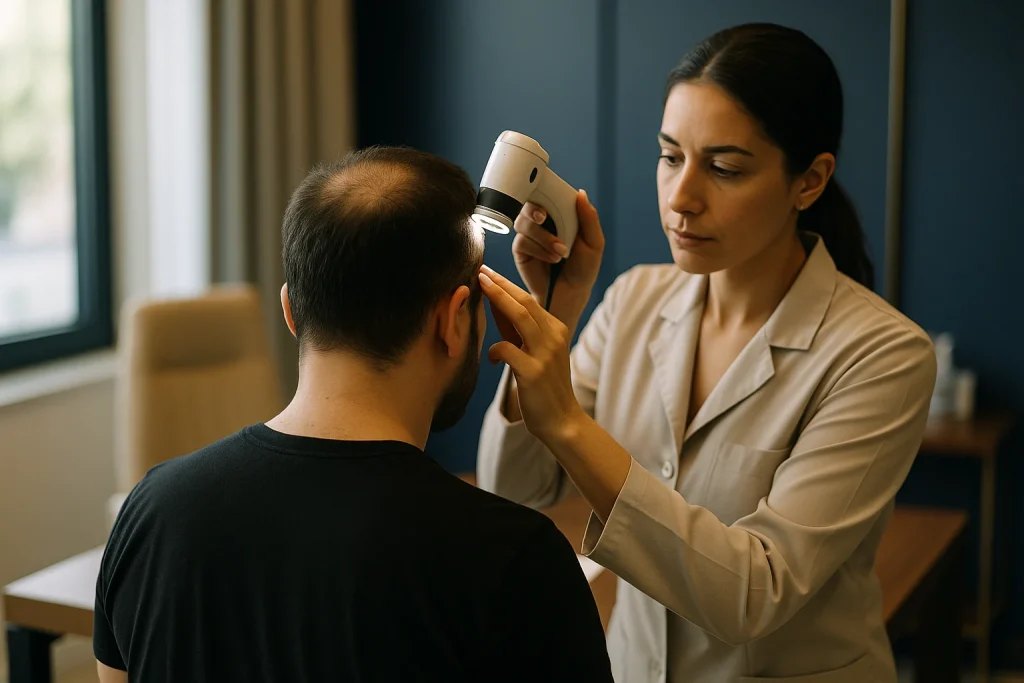
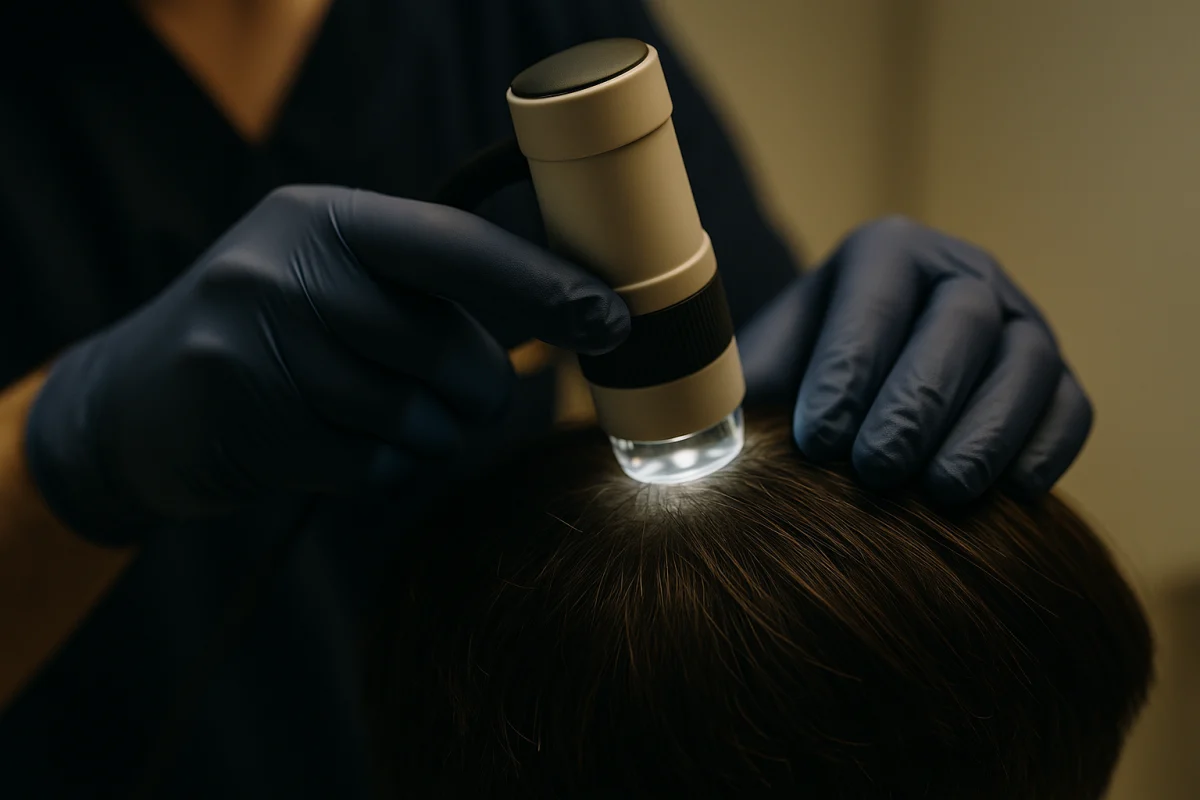
If steroid use has accelerated established androgenetic alopecia, some miniaturised follicles may continue to weaken even after the substance is stopped. Earlier-stage thinning may sometimes respond better to doctor-guided management than areas where follicles have been inactive for a long time. A scalp examination can help distinguish between active shedding, miniaturisation and areas with more advanced loss.
The answer to can steroids cause baldness should therefore not be understood as a guarantee of either permanent loss or complete recovery. Avoid self-prescribing hair medicines, hormones or supplements in response to a shed. A doctor can consider your wider health, the reason for steroid exposure and whether any treatment changes would be medically safe.
06TRT and hair loss: why medical supervision matters
Testosterone replacement therapy, often called TRT, is prescribed for selected patients with confirmed medical need. It is not the same as non-prescribed anabolic steroid use. However, testosterone and its related hormonal pathways may influence genetically sensitive scalp follicles, so some patients receiving TRT may notice pattern hair loss becoming more visible over time.
TRT does not cause baldness in every patient. The likelihood and speed of change can vary according to genetics, age, baseline hair density, dose, delivery method and other health factors. If hair shedding starts after beginning treatment, the prescribing clinician should be informed. They can decide whether the timing suggests a possible link and whether further assessment is needed.
Do not change, pause or combine TRT with other hormonal products without medical guidance. Hormone treatment can affect more than hair, and balancing potential benefits with side effects requires professional follow-up. A hair restoration consultation can support the scalp assessment, but it does not replace care from the doctor managing endocrine treatment.
07Hair transplant planning after steroid-related hair loss
A hair transplant redistributes healthy follicles from a donor area, usually at the back and sides of the scalp, to thinning areas. It does not stop ongoing loss in the surrounding native hair. For this reason, surgeons typically assess whether the hair-loss pattern is stable enough for a natural-looking, sustainable plan before recommending surgery.
If active anabolic steroid use, unexplained shedding or rapid thinning is continuing, it may be sensible to investigate the cause before scheduling a procedure. The surgeon may need to understand your medical history, current medicines, hormonal treatment and expected future hair-loss pattern. This helps protect the donor area and avoids designing a hairline that may not suit future changes.
At Acibadem Hair Transplant Center, a dedicated hair restoration clinic in Istanbul licensed by the Turkish Ministry of Health, doctors review free online hair analyses before advising on suitability. Sapphire FUE and DHI techniques are available, and your doctor will confirm whether a procedure, further monitoring or medical evaluation is the appropriate next step for your situation.
08Practical next steps for sudden or progressive thinning
Start by recording when the hair change began and whether it followed a new medicine, non-prescribed anabolic steroid use, TRT, illness, intense stress, weight change or dietary restriction. Clear photographs taken in similar lighting can help show whether the pattern is diffuse, concentrated at the hairline or crown, or forming patches. This information can be useful during a medical consultation.
Seek professional advice promptly if you have rapid shedding, patchy loss, scalp symptoms or other signs of hormonal change. A clinician may assess the scalp and discuss appropriate investigations. In many cases, identifying the cause early provides more options for protecting existing hair, although the right approach always depends on the diagnosis and your overall health.
If you are considering restoration after a period of hair loss, allow a qualified clinic to assess both donor capacity and ongoing risk. Acibadem Hair Transplant Center provides 12 months of follow-up within its all-inclusive packages, alongside VIP transfer, 4-star hotel accommodation and a care kit. Patients can send photographs for a doctor-reviewed online analysis and typically receive a WhatsApp reply within around two hours.
09When to seek assessment before considering a hair transplant
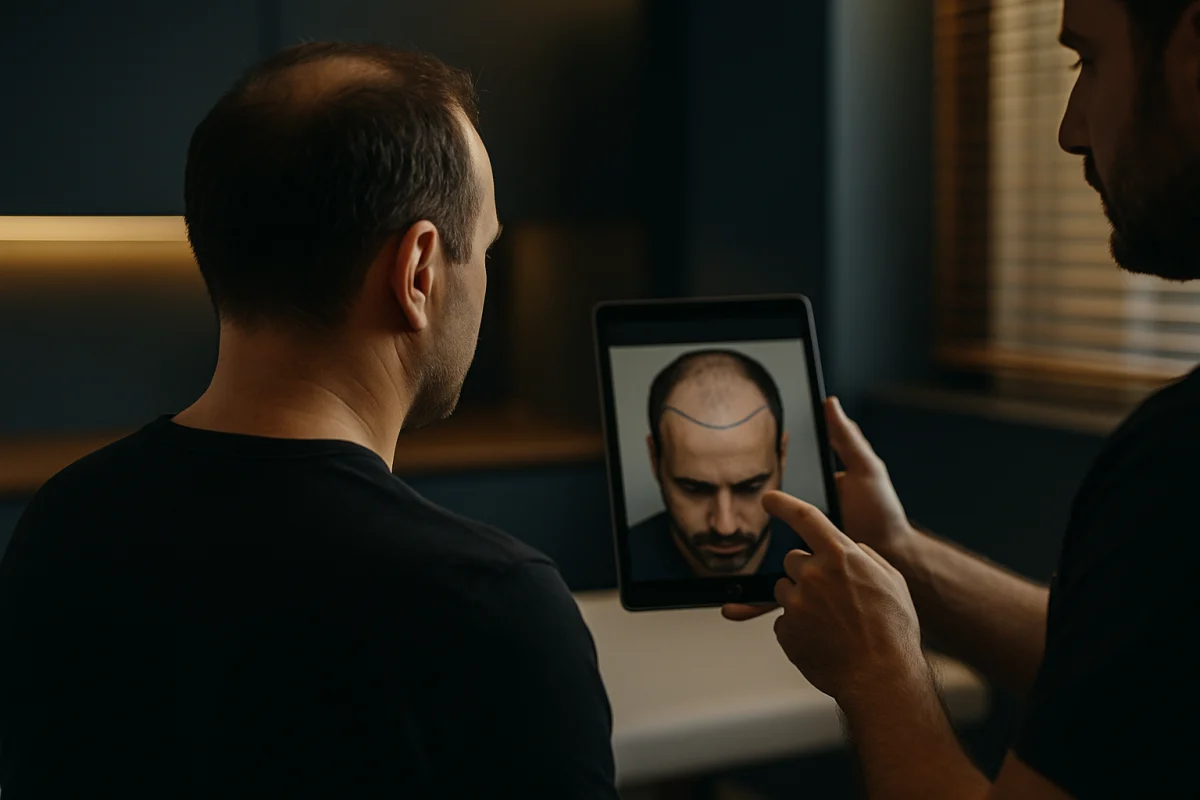
A transplant is not usually the first step when hair loss is sudden, diffuse or changing quickly. Before planning surgery, it is important to clarify whether the scalp is affected by temporary shedding, androgenetic alopecia, an inflammatory condition or a combination of causes. This is particularly relevant after a hormone change, anabolic steroid cycle, new prescription, significant illness or rapid weight loss.
During an assessment, be ready to share all prescribed medicines, hormone treatments, supplements and non-prescribed substances. It is also useful to explain when each was started or stopped, as well as any recent changes in dose. This information is confidential and helps the doctor judge whether there may be an ongoing trigger that could affect existing hair after a transplant.
Some patients may need a period of observation before surgery is considered. This can allow the hair-loss pattern to become clearer and may help avoid placing grafts into an area where native hair is still rapidly thinning. Your doctor will also consider donor density, scalp condition, family history and the likely long-term pattern before confirming candidacy.
10Timeline: what to expect before and after hair restoration
Hair recovery and transplant growth both require patience. Where a temporary shedding trigger has been resolved, the shedding phase may settle before visible density improves. New growth is gradual because each follicle follows its own cycle. Comparing photographs taken under the same lighting and angle can be more useful than checking the scalp every day.
After a hair transplant, the early appearance does not show the final result. The treated area needs time to heal, and transplanted hairs commonly enter a resting phase before new growth begins. Early shedding of the transplanted hair shafts can be a normal part of this process; it does not necessarily mean that the follicles have been lost. Your clinical team should explain which changes are expected and which symptoms need attention.
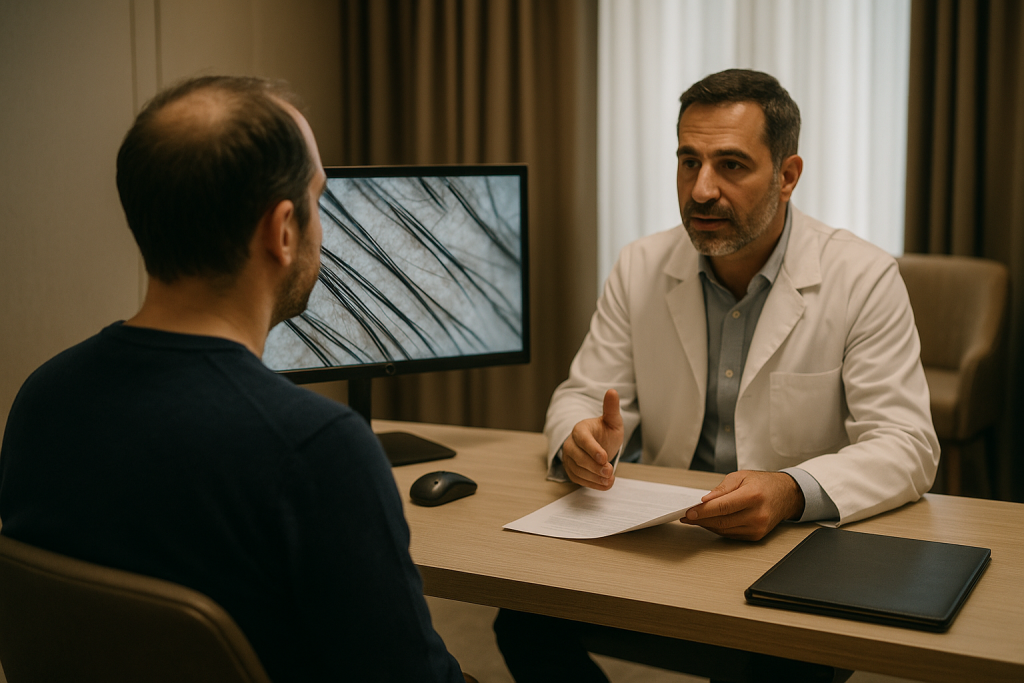
Hair growth is typically reviewed over several months rather than weeks. At Acibadem Hair Transplant Center, graft survival is assessed with trichoscopy at month 12. The clinic documents a 98% graft survival rate under a written guarantee. Individual cosmetic density and the appearance of surrounding native hair can still vary according to donor characteristics, healing and any ongoing hair-loss process.
11Aftercare considerations when hormones or medicines are involved
Careful aftercare helps protect the scalp while transplanted grafts settle. Follow the washing, sleeping, activity and sun-exposure instructions provided by your clinical team, and use the care kit as directed. Avoid rubbing, scratching or picking at the recipient area during the early healing period. If you develop increasing pain, spreading redness, discharge, fever or any unexpected concern, contact the clinic or seek medical advice promptly.
Do not independently restart, stop or change TRT, corticosteroids, anabolic substances or other medicines around a procedure. Some prescribed medicines are medically necessary, while non-prescribed substances may create avoidable uncertainty for scalp health and overall recovery. The hair restoration team and the clinician who manages your hormone treatment may need to consider timing and safety together.
Maintaining regular meals, hydration and a stable routine can support general recovery, but supplements are not a substitute for diagnosis or medical care. If diffuse shedding continues after the procedure, it should be assessed rather than assumed to be a problem with the grafts. Acibadem Hair Transplant Center includes 12 months of follow-up in its all-inclusive packages, so patients can raise recovery questions with the care team during the monitored period.
12Planning an Istanbul visit for a hair restoration assessment
International patients can begin with a free online hair analysis. Send clear scalp photographs as requested, including views of the hairline, top, crown and donor area in good light. Doctors review the analysis to give an initial opinion, but an online review does not replace the in-person clinical assessment needed to confirm suitability and the treatment plan.
Before travelling, prepare an accurate list of your medicines, allergies, previous procedures and relevant medical conditions. If you use prescribed TRT, corticosteroids or other hormone-related treatment, bring the details of the prescribing clinician and any recent medical information that may be relevant. Honest preparation supports safer planning and reduces the risk of important details being missed.
Acibadem Hair Transplant Center is a dedicated hair restoration clinic in Istanbul licensed by the Turkish Ministry of Health. Its all-inclusive packages include VIP transfer, 4-star hotel accommodation, a care kit and 12 months of follow-up. Patients may contact the team on WhatsApp for the online analysis, with replies typically provided within around two hours. Your travel plan should still allow time to follow the clinic’s post-procedure instructions before returning home.
13Frequently Asked Questions
Can hair loss caused by steroids grow back?
It can sometimes improve, especially when the loss is temporary shedding related to a change in the hair cycle. If steroids have accelerated genetically driven pattern hair loss, recovery may be incomplete because affected follicles can become progressively smaller. A doctor can assess the likely type of hair loss and discuss suitable next steps.
Why does Gen Z seem to be experiencing hair loss earlier?
There is no single reason why younger adults may notice thinning earlier. Genetics, greater awareness through social media and photographs, stress, restrictive dieting, hormonal conditions, scalp problems and certain medicines may all play a role. Early pattern hair loss can occur in adulthood, and an assessment is useful when shedding is persistent or rapidly progressing.
What are five common side effects associated with steroids?
Side effects depend greatly on the steroid type, dose and duration. Anabolic steroids may be associated with acne, mood changes, changes in cholesterol levels, reduced natural hormone production and hair loss in genetically susceptible people. Corticosteroids have a different side-effect profile, which can include increased appetite, sleep changes, mood changes, raised blood sugar and increased infection risk, particularly with systemic use.
Can testosterone replacement therapy lead to baldness?
TRT may accelerate pattern hair loss in people whose follicles are genetically sensitive to androgen-related changes, but it does not cause baldness in everyone. Any concern about shedding or thinning should be discussed with the clinician who prescribed TRT. Do not alter prescribed hormone treatment without medical supervision.
Should I have a hair transplant if I am still using steroids?
A transplant consultation should include an honest discussion about all prescribed and non-prescribed substances. Ongoing hormone-related loss can affect the long-term appearance of native hair around transplanted grafts. Your doctor will confirm whether it is better to proceed, monitor the pattern or investigate active shedding first.
Dieser Artikel dient nur der allgemeinen Information und ersetzt keine professionelle medizinische Beratung.
 06
06 12
12