In diesem Artikel9
- Überblick
- Who May Be a Candidate for Eyelash Restoration
- How Eyelashes Transplant Surgery Is Planned
- Why Growth Direction Matters So Much
- Procedure Steps and Early Recovery
- Risks, Limitations, and When to Seek Help
- Expected Growth, Maintenance, and Long-Term Appearance
- Non-Surgical Alternatives and Questions to Discuss
- Frequently Asked Questions
An eyelashes transplant uses carefully selected hair follicles, usually from the scalp, to restore sparse or missing eyelashes. Candidacy depends on the cause of lash loss, eye health, donor-hair quality, and realistic expectations, while correct growth direction is essential for comfort and appearance.
- Eyelash transplantation may be considered for stable eyelash loss when the eyes, eyelid skin, and donor area are suitable.
- Because transplanted follicles usually come from the scalp, the new lashes may keep growing and require regular trimming.
- Graft angle, curl, and direction require highly precise planning to reduce the chance of lashes turning toward the eye.
- Potential risks include swelling, infection, scarring, uneven growth, ingrown hairs, and eye irritation.
- A specialist assessment is important to identify the cause of lash loss and discuss suitable alternatives before surgery.
01Eyelash Transplant: Candidacy, Risks, and Growth Direction
An eyelashes transplant is a surgical procedure designed to place living hair follicles into the eyelid margin where eyelashes are thin or absent. It is different from cosmetic false lashes, lash extensions, and lash-lifting treatments because it uses a person’s own follicles. The procedure may help selected patients who have lost lashes after injury, burns, surgery, traction, stable skin conditions, or naturally sparse lashes. However, it is not suitable for every cause of eyelash loss, and a careful medical assessment is needed before planning treatment.
The central challenge is not only placing follicles in the eyelid. Natural eyelashes sit at a very low angle and have a curved, outward-growing direction that helps keep them away from the eye. Hair from the scalp has different growth characteristics, including a longer growth phase and often a different thickness or curl pattern. For this reason, the surgeon must select fine donor hairs and place each graft with exceptional attention to direction.
Patients should also understand that a fuller appearance cannot be promised. The number of grafts that can be placed safely depends on the eyelid tissue, existing lash pattern, blood supply, donor-hair availability, and the need to avoid crowding the lid margin. Your doctor will discuss what degree of coverage may be realistic and whether a staged approach or a non-surgical option should be considered.
02Who May Be a Candidate for Eyelash Restoration
A potential candidate usually has stable eyelash loss, healthy eyelids, and enough suitable donor hair. Donor follicles are commonly taken from the scalp, often from an area where the hair is relatively fine. A clinician will look at the texture, colour, curl, and calibre of the donor hair because these features can influence how natural the transplanted lashes appear and how much maintenance they need afterward.
People with lash loss following a healed injury, burn, scar revision, or previous eyelid surgery may be considered after the area has fully recovered. Some patients with congenital sparse eyelashes may also ask about surgery. In each situation, the quality and flexibility of the eyelid skin matter. Scar tissue may have a reduced blood supply, which can affect graft survival and may make the planning more conservative.
The underlying reason for loss must be reviewed carefully. Active inflammatory eyelid disease, uncontrolled skin disease, infection, ongoing rubbing or pulling, and certain forms of autoimmune hair loss can make surgery less appropriate or require treatment first. People with trichotillomania may need the pulling behaviour to be well managed before surgery is considered, since continued traction can damage both existing and transplanted hairs.
An eye and eyelid assessment is especially important. Symptoms such as persistent redness, pain, discharge, dry-eye discomfort, sensitivity to light, or changes in vision should be medically evaluated. A cosmetic concern should never delay assessment of a potentially treatable eye or skin condition. Your doctor may recommend that eyelid health is stabilised before any transplant decision is made.
03How Eyelashes Transplant Surgery Is Planned
An eyelashes transplant consultation should begin with a detailed history rather than an immediate graft estimate. The clinician may ask when the loss started, whether it is getting worse, whether there has been trauma or surgery, and what treatments have been tried. Photographs of earlier lash appearance can sometimes help establish the natural density and direction that the patient is hoping to restore.
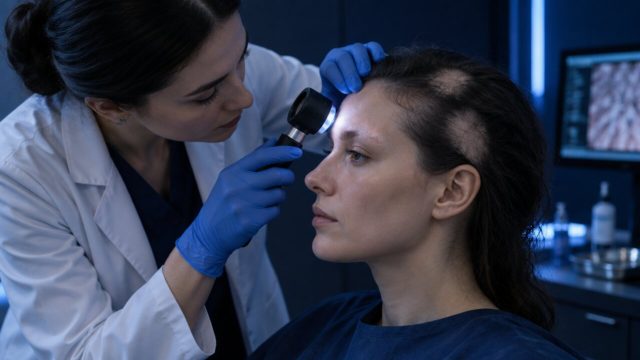
Planning normally includes examination of the upper and lower lids, remaining lashes, lid shape, skin quality, and the donor area. In many cases, upper-lid restoration receives the main focus because upper lashes have a stronger visible framing role and may offer more room for carefully positioned grafts. Lower-lid work can be more technically sensitive because lashes near the eye require particularly cautious direction control.
The desired result should be discussed in practical terms. Some patients want a subtle improvement in an existing lash line, while others have a wider area of loss. A natural-looking outcome often depends more on appropriate spacing and correct orientation than on placing the highest possible number of follicles. The aim is generally to recreate a soft lash pattern without creating stiffness, crowding, or lashes that are difficult to manage.
At Acibadem Hair Transplant Center in Istanbul, patients can request a free online hair analysis that is reviewed by doctors, with WhatsApp replies typically provided within around two hours. An online review can be useful for an initial discussion, but an eyelash procedure requires an in-person clinical assessment of the eyelids, eye safety, donor hair, and individual medical history before surgery can be confirmed.
04Why Growth Direction Matters So Much
The growth direction of each graft is one of the most important safety and aesthetic considerations in eyelash transplantation. Natural upper lashes emerge almost parallel to the skin before curving outward and upward. If a transplanted hair points too steeply, too inwardly, or crosses another hair at an awkward angle, it may look unnatural or touch the surface of the eye.
During placement, the surgeon creates very small recipient sites at a shallow angle and follows the natural lash line as closely as possible. This work requires careful control because even small changes in angle can be noticeable. The direction selected for the inner, middle, and outer parts of the lid may vary, reflecting the way natural lashes fan across the eyelid rather than growing in one identical direction.
An eyelashes transplant performed with poor directional planning can lead to lashes that irritate the conjunctiva or cornea, the clear front surface of the eye. This may cause a foreign-body sensation, watering, redness, or repeated blinking. In some cases, a misdirected hair may need trimming, removal, or another corrective procedure. This is why the procedure should be approached as delicate eyelid surgery, not simply as the transfer of scalp hairs.
Curl pattern also deserves discussion. Scalp hairs can be straighter, curlier, thicker, or more variable than natural eyelashes. Although careful donor selection can help, it cannot make scalp hair behave exactly like native lash hair. Patients may need to gently curl, trim, or otherwise maintain the transplanted hairs as they grow.
05Procedure Steps and Early Recovery
Eyelash transplantation is usually performed using individual follicular units containing one hair, rather than larger multi-hair groupings. The donor follicles are extracted from a suitable scalp area and prepared under magnification. They are then inserted one by one into tiny sites along the eyelid margin, following the planned density and direction. The exact technique, anaesthesia plan, and treatment setting will be confirmed by the treating medical team.
Some centres may use local anaesthesia for this type of procedure. Needle-free anaesthesia may be available in selected hair restoration settings, but suitability depends on the planned procedure and the patient’s medical assessment. Patients should disclose medicines, allergies, bleeding concerns, previous eye procedures, and any history of dry eye or eyelid inflammation before treatment.
In the first days, mild swelling, redness, crusting, tenderness, and temporary changes in the appearance of the lash line can occur. Patients are typically instructed to avoid rubbing the eyes, pulling at crusts, using eye makeup too early, swimming, and activities that may expose the area to sweat, dust, or accidental trauma. The treating team should provide specific aftercare instructions based on the procedure performed.
The transplanted hairs may shed in the weeks after surgery. This can be a normal part of the follicle’s adjustment cycle and does not necessarily mean the graft has failed. New growth usually takes time, and the pace varies between individuals. Follow-up appointments help the clinical team assess healing, early growth, hair direction, and any signs of irritation.
06Risks, Limitations, and When to Seek Help
Like all surgical procedures, eyelash transplantation has potential risks. These can include bleeding, bruising, swelling, discomfort, infection, temporary numbness, visible scarring, poor graft growth, uneven density, and an appearance that does not meet the patient’s expectations. The donor area can also heal with small marks, although the visibility of these depends on the extraction method, hair style, skin characteristics, and individual healing.
Specific eyelid-related concerns include ingrown hairs, folliculitis, cyst formation, irregular lash direction, excessive curl, and hairs rubbing against the eye. A lash that repeatedly touches the eye can be more than a cosmetic issue. Ongoing corneal irritation may need prompt ophthalmic review, particularly if there is pain, persistent redness, blurred vision, light sensitivity, or a feeling that something is trapped in the eye.
In an eyelashes transplant, long-term maintenance is a limitation that should be accepted before surgery. Scalp-derived follicles commonly continue to grow more like scalp hair than natural lashes. They may therefore require regular careful trimming, and some hairs may need to be guided or curled to sit comfortably. A transplant does not remove the need for ongoing observation of lash direction.
Contact the treating team promptly if swelling becomes severe, pain increases rather than improves, there is pus-like discharge, fever, spreading redness, sudden visual symptoms, or a graft repeatedly scratches the eye. Emergency eye symptoms should be assessed without delay. Early review may help prevent complications from becoming more serious.
07Expected Growth, Maintenance, and Long-Term Appearance
Hair growth after transplantation follows a biological cycle, so results develop gradually. After an initial shedding phase, new hairs may begin to become visible over several months. The timing and pattern can differ from person to person, and the final appearance may take longer to judge as the hairs lengthen and their direction becomes clear. Your doctor will explain the expected follow-up schedule for your case.
The transplanted follicles are living follicles and can continue producing hair over the long term when they establish successfully. This is why the result is often described as permanent in the sense that it is not a temporary adhesive or extension treatment. However, permanence should not be confused with being maintenance-free, nor does it guarantee that every graft will grow or retain the same behaviour indefinitely.
Regular trimming is usually necessary because scalp donor hairs can grow longer than eyelashes. Patients should use a cautious approach around the eyes and follow the advice of their medical team about when grooming can begin. Pulling, plucking, or aggressively curling transplanted hairs may increase the chance of trauma. If a hair becomes persistently misdirected, professional assessment is safer than trying to remove it at home.
Natural ageing and changes in surrounding native lashes can also alter the overall appearance over time. Some patients may later consider additional treatment for density, but this depends on eyelid health, donor supply, healing, and the outcome of the first procedure. A conservative plan is often preferable to overfilling a delicate eyelid margin.
08Non-Surgical Alternatives and Questions to Discuss
Not every person with sparse lashes needs or wants surgery. Depending on the cause of loss, alternatives may include treating an underlying eyelid or skin condition, changing cosmetic practices that create traction, using temporary cosmetic lashes, or discussing medically appropriate topical treatments with a qualified clinician. The most suitable option depends on eye health, the pattern of lash loss, and the patient’s goals.
Cosmetic lash extensions and strip lashes can provide a temporary visual effect, but they do not restore living follicles. They can also cause irritation or traction in some people, particularly when adhesives are used repeatedly or when existing lashes are fragile. Anyone with sensitive eyes, dermatitis, recurrent blepharitis, or a history of allergic reactions should discuss these concerns with an appropriate healthcare professional.
Before choosing surgery, it is helpful to ask who will assess your eye health, how donor hairs will be selected, how many grafts may be suitable, what maintenance is expected, and what happens if hairs grow toward the eye. You can also ask about follow-up arrangements and the plan for managing complications. Clear answers support informed consent and more realistic expectations.
Acibadem Hair Transplant Center is a dedicated hair restoration clinic in Istanbul, licensed by the Turkish Ministry of Health. The centre provides Sapphire FUE and DHI hair restoration techniques and has welcomed patients from 38 countries over 12 years. Patients considering any hair restoration procedure should still receive an individual medical evaluation, because the best approach depends on the treatment area and their clinical needs.
09Frequently Asked Questions
What does an eyelash transplant usually cost?
The cost can vary considerably depending on the clinic, country, number of grafts planned, complexity of the eyelid area, anaesthesia, follow-up care, and whether a corrective procedure is needed. A safe quote should follow a medical assessment rather than be based only on photographs. Ask for a clear written explanation of what is included and what aftercare may cost.
How long do transplanted eyelashes last?
When transplanted follicles establish successfully, they may continue producing hair for the long term. Because donor follicles are commonly taken from the scalp, the hairs often continue to grow and need regular trimming. Individual graft survival and long-term appearance can vary, so no outcome can be guaranteed.
Can I have permanent eyelashes?
A transplant may provide long-lasting growing hairs because living follicles are moved into the eyelid area. However, the term permanent does not mean maintenance-free, and scalp-derived hairs may need trimming, curling, or management if their direction changes. A clinician can explain whether this approach is appropriate for the reason behind your lash loss.
Could an eye transplant become possible in the future?
Whole-eye transplantation is not a routine treatment at present. A major challenge is reconnecting the optic nerve so that visual signals can travel successfully from the eye to the brain. Research in transplantation, nerve repair, and regenerative medicine continues, but there is no confirmed timeline for whole-eye transplantation to restore vision in routine patient care.
Dieser Artikel dient nur der allgemeinen Information und ersetzt keine professionelle medizinische Beratung.
Dieser Ratgeber dient der allgemeinen Information und ersetzt keine ärztliche Beratung. Behandlungsentscheidungen werden nach einer persönlichen oder Online-Untersuchung durch einen Arzt getroffen.