
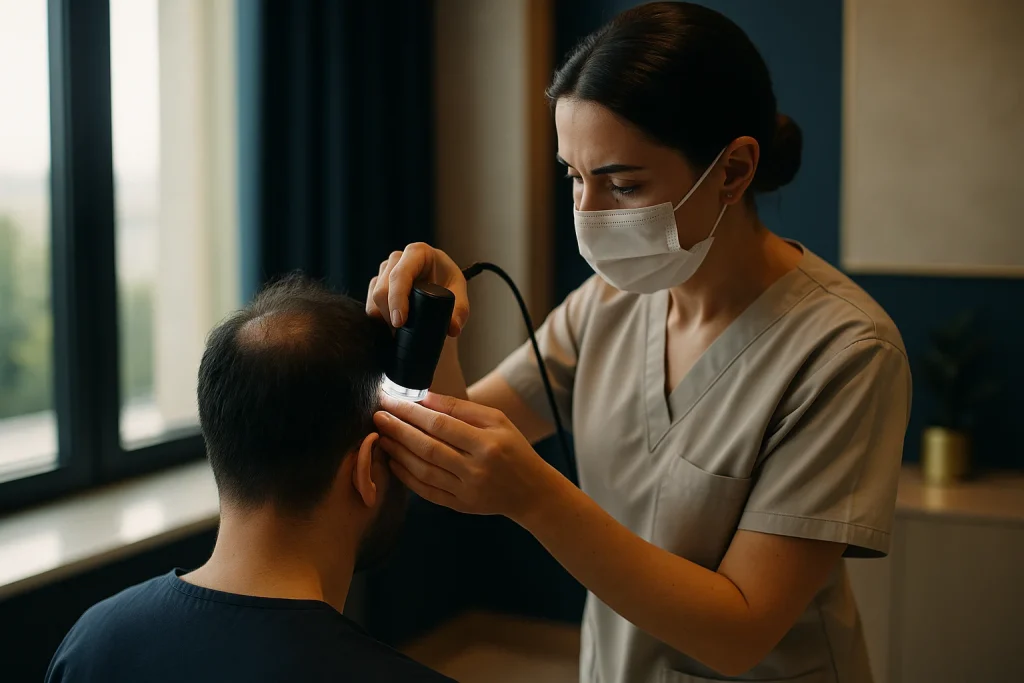
Hair loss medicine may help slow ongoing thinning and protect existing hair before a transplant, but it cannot replace a proper medical diagnosis. In most patients, a doctor assesses the cause, pattern, scalp health, and treatment response before confirming whether medicine, transplantation, or both may be suitable.
- Medicines may help stabilise progressive hair thinning before a hair transplant is planned.
- A medical assessment is important because hair loss can have genetic, hormonal, nutritional, inflammatory, or temporary causes.
- Topical and oral treatments have different benefits, limitations, and safety considerations.
- Hair transplantation redistributes resistant donor follicles but does not usually stop future loss in untreated native hair.
- Consistent follow-up helps doctors review scalp health, treatment tolerance, and long-term hair planning.
01Hair Loss Medicines and Their Role Before Transplantation
Hair loss medicine can play an important role before transplantation because it may help reduce ongoing shedding and support the hair that is still present. A transplant moves follicles from a donor area to areas of thinning; it does not usually prevent further loss of the original, non-transplanted hair. For this reason, doctors often consider whether medical treatment could stabilise the pattern before surgery is scheduled.
Not every patient needs medication before a transplant, and not every type of hair loss responds in the same way. Some people have gradual genetic thinning, while others experience sudden shedding after illness, stress, weight change, childbirth, medication use, or a scalp condition. Identifying the cause matters because a temporary shedding problem may improve without transplantation, whereas progressive pattern hair loss may require a longer-term plan.
The purpose of treatment before surgery is usually to protect existing hair, improve scalp conditions where possible, and make the surgical design more realistic. If surrounding native hair continues to thin after a transplant, the result may look less balanced over time. Your doctor will confirm whether waiting, starting treatment, or proceeding with surgery is clinically appropriate for your individual situation.
02Which medicines may be discussed for thinning hair
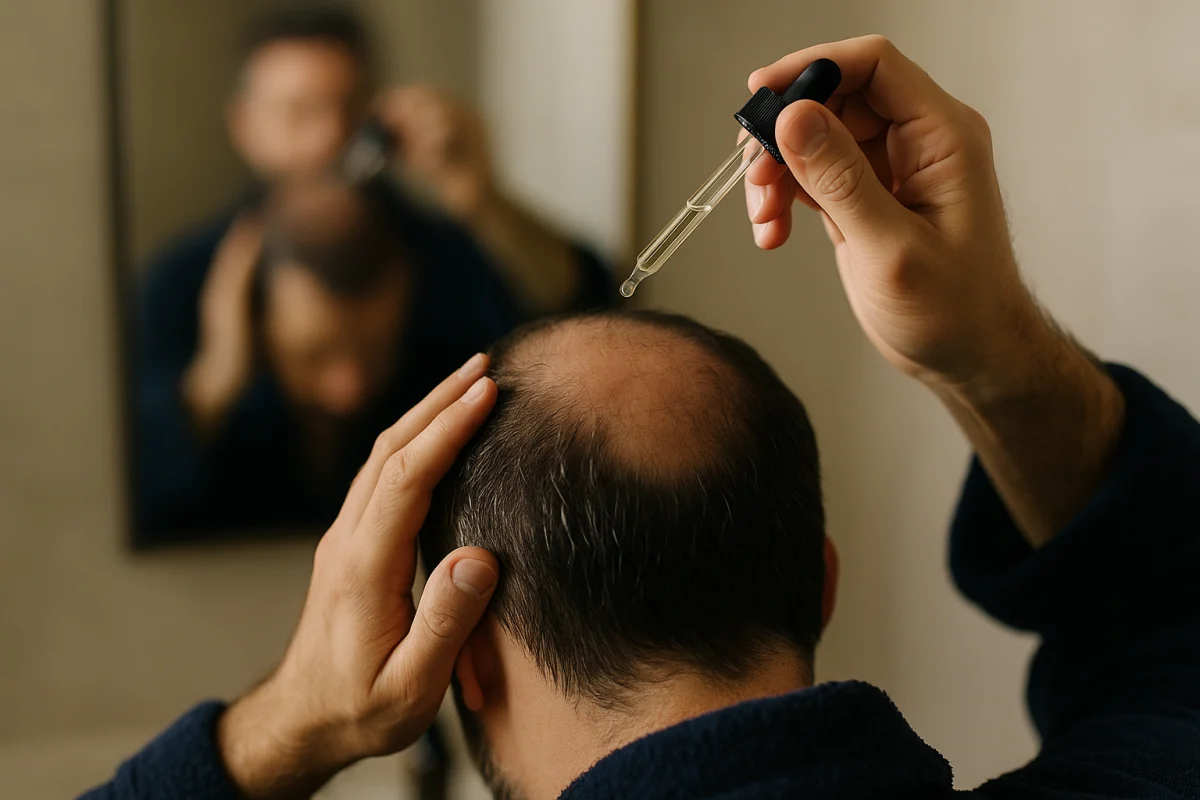
Topical treatments applied to the scalp are commonly discussed for certain forms of pattern hair loss. They are intended to support follicles that are becoming smaller and producing finer hairs. Results, if they occur, are usually gradual, and regular use over several months is often needed before a doctor can assess whether the treatment is helping.
For some adult patients, doctors may also discuss prescription oral medicines that influence hormonal pathways linked with pattern hair loss. These medicines are not suitable for everyone and require medical screening. Factors such as sex, age, medical history, current medicines, reproductive plans, and possible side effects all need careful consideration before a prescription is made.
In selected cases, a doctor may investigate and treat an underlying medical issue rather than prescribe a standard pattern-hair-loss treatment. Examples can include iron deficiency, thyroid disorders, scalp inflammation, or hair loss related to another health condition. Supplements should not be taken simply because hair is shedding; testing and professional advice can help avoid unnecessary or unsuitable treatment.
03Why diagnosis should come before a transplant plan
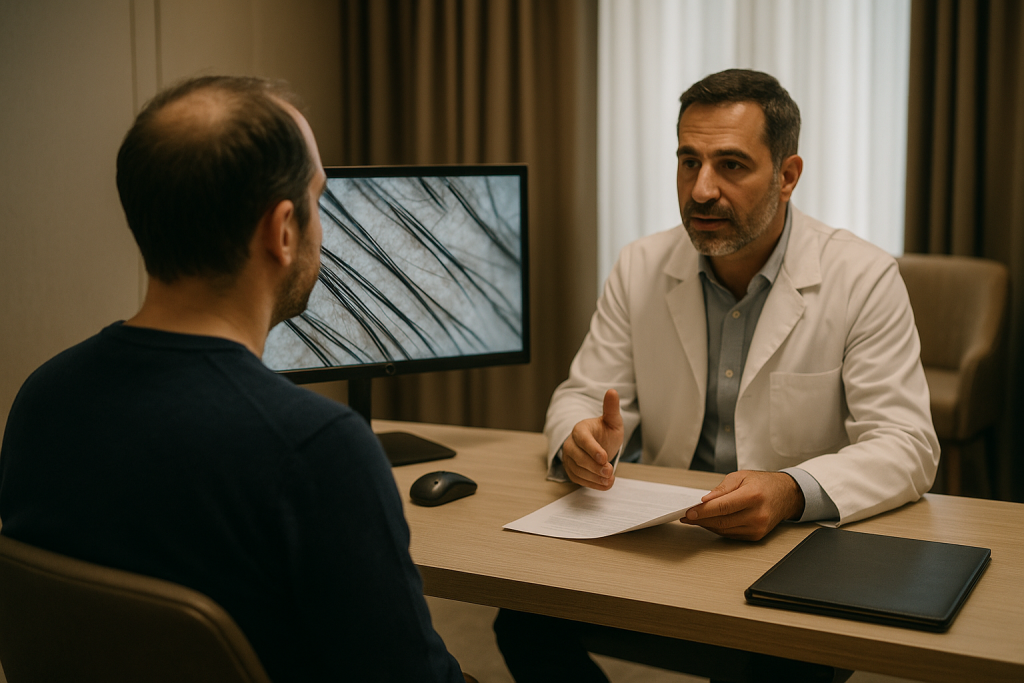
A careful diagnosis helps distinguish between permanent follicle miniaturisation and conditions that may be reversible or temporary. During an assessment, a clinician may ask when shedding began, whether it is diffuse or localised, whether there is itching or scaling, and whether close family members have similar thinning. They may also review medicines, recent illnesses, dietary changes, and hormonal history where relevant.
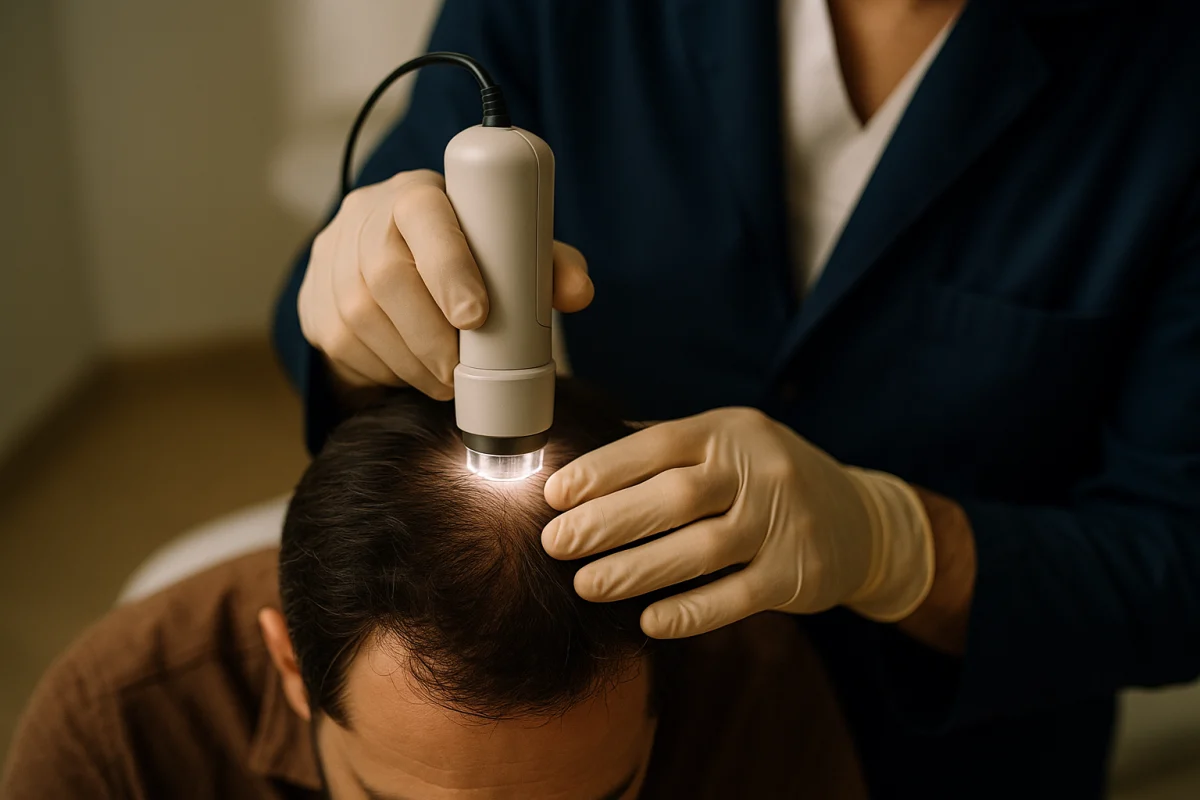
Scalp examination and trichoscopic assessment can provide a closer view of hair density, shaft thickness, follicle variation, and scalp condition. This information can help determine whether donor hair appears stable and whether the recipient area is likely to continue changing. A transplantation plan should take into account both the current appearance and the expected future pattern of loss.
Some types of hair loss need medical treatment first and may not be suitable for immediate surgery. Active inflammatory scalp disease, sudden patchy loss, extensive shedding with an unclear cause, or an unstable donor area should be reviewed carefully. In these situations, rushing into transplantation may not address the underlying problem and could make long-term planning more difficult.
04When hair loss medicine is considered before surgery
Hair loss medicine is often considered before surgery when thinning is still progressing around the proposed transplant zone. The goal is not necessarily to create a full recovery of density before the procedure. Rather, it may be to preserve vulnerable native hairs so that the transplanted follicles can blend more naturally with the hair that remains.
Doctors may recommend a period of observation after treatment begins, particularly when the rate of shedding is unclear. This can show whether hair loss is stabilising, whether side effects occur, and whether the original surgical plan needs to change. In some patients, improved stability may allow a more conservative and sustainable approach to hairline design and graft placement.
Medication is also relevant when a patient is young or has a strong family history of progressive thinning. A very low or dense-looking hairline may not remain appropriate if loss advances later. Medical treatment, when suitable, may support a long-term strategy that protects donor reserves rather than using too many grafts too early.
05Expected treatment timelines and realistic results
Hair growth follows a slow biological cycle, so treatment results are rarely immediate. During the first weeks or months, some patients may notice continued shedding, and others may experience a temporary change in shedding as the hair cycle adjusts. This does not automatically mean a treatment has failed, but persistent or concerning changes should be discussed with the prescribing doctor.
In most cases, treatment response is reviewed over months rather than days. A doctor may use consistent photographs, scalp examination, and trichoscopic findings to assess change over time. The aim may be reduced shedding, better maintenance of existing density, or slower progression, rather than a dramatic visible increase in hair volume.
A transplant also requires patience. Transplanted follicles typically go through an early shedding phase before new growth becomes visible, and maturation continues over many months. Medical treatment and transplantation can therefore have different timelines. Your doctor can explain what follow-up is appropriate and when results can be meaningfully reviewed.
06Safety, side effects, and situations needing extra care
All medicines can have side effects, even when they are used for hair loss. Topical products may cause irritation, dryness, redness, or unwanted hair growth outside the intended area if they spread. Oral medicines may have systemic effects and should only be used after a doctor reviews whether the potential benefits and risks are appropriate.
Pregnancy, breastfeeding, plans for pregnancy, liver or heart conditions, blood pressure concerns, mental health history, and interactions with other medicines can affect treatment decisions. It is important to provide a full medical history and to tell your doctor about prescribed medicines, over-the-counter products, vitamins, and herbal preparations. Do not start, stop, or change prescribed treatment without medical guidance.
Urgent medical advice may be needed if hair loss is accompanied by pain, scalp sores, marked redness, sudden bald patches, fever, or other new symptoms. These signs can suggest a condition different from ordinary pattern thinning. A consultation is also advisable when shedding is rapid, unexplained, or associated with tiredness, weight change, menstrual changes, or other general health concerns.
07Preparing for transplantation while protecting native hair
Preparation for a transplant should begin with a realistic discussion about goals, donor capacity, and future hair loss. A good plan does not focus only on filling the thinnest area today. It also considers how the pattern may develop and how to use the available donor follicles responsibly over time.
Patients should disclose all treatments and supplements during their pre-operative assessment. Some products may need to be reviewed before surgery because they can affect scalp irritation, bleeding risk, or recovery. The exact pre-operative instructions vary, so your surgical team should provide written guidance tailored to the planned procedure and your medical history.
Healthy daily habits can support general hair and scalp health, although they cannot always stop genetic hair loss. Adequate nutrition, management of health conditions, gentle hair care, and avoiding repeated traction or harsh chemical damage may be helpful. These measures are supportive rather than a substitute for diagnosis or clinically indicated treatment.
08Long-term planning after the procedure
Hair transplantation can provide lasting growth from transplanted donor follicles, but surrounding native hair may still be affected by the original hair-loss process. For this reason, many patients need a long-term maintenance discussion after surgery. This may include monitoring, scalp care, and medically appropriate treatment where a doctor considers it suitable.
At Acibadem Hair Transplant Center, a dedicated hair restoration clinic in Istanbul licensed by the Turkish Ministry of Health, doctors review online hair analyses before confirming a treatment direction. The clinic offers Sapphire FUE and DHI techniques, while the most suitable option depends on factors such as hair characteristics, donor availability, scalp findings, and the individual treatment plan.
Patients can request a free online hair analysis, reviewed by doctors, with WhatsApp replies typically within around two hours. For patients who proceed with treatment, all-inclusive packages include VIP transfer, a 4-star hotel, a care kit, and 12 months of follow-up. Follow-up allows the team to monitor recovery and discuss the next appropriate steps without making assumptions about individual results.
09Managing hair loss medicines around the day of surgery
Before a hair transplant, your surgical team needs an up-to-date list of everything you use for hair loss and general health. This includes topical scalp products, prescription tablets, pain medicines, vitamins, herbal products, protein powders, and treatments obtained without a prescription. Bringing photographs of product labels or a written list can help avoid confusion during an online assessment or pre-operative consultation.
Do not assume that a hair loss medicine should be continued or stopped before the procedure. The timing can depend on the active ingredient, your scalp condition, your medical history, and the clinic’s protocol. For example, a topical product may be reviewed if it causes irritation or leaves residue on the scalp, while oral medicines and supplements may need individual consideration because of possible interactions or bleeding-related concerns. Your doctor and surgical team will give the relevant written instructions.
It is equally important not to restart a treatment simply because the procedure is complete. The recipient area needs careful early recovery, and any product applied to the scalp should only be reintroduced when the team confirms it is appropriate. If you have previously had itching, redness, dizziness, palpitations, mood changes, or another suspected side effect with a hair loss treatment, report this before travel and before surgery. A safe plan should always take priority over trying to speed up growth.
10Practical recovery timeline after a hair transplant
The first days after transplantation are focused on protecting the grafts and keeping the scalp clean according to the clinic’s instructions. Mild swelling, tenderness, tightness, crusting, or temporary numbness can occur in some patients. The recipient and donor areas should be handled gently. Patients are usually advised to avoid rubbing, scratching, picking crusts, or allowing direct pressure on the newly transplanted area during the early healing period.
Your clinic will explain when and how to perform the first wash, which products to use, and how to dry the scalp without friction. This matters because aftercare instructions can differ according to the technique used, the extent of treatment, and individual scalp findings. Activities that cause heavy sweating, scalp friction, or a risk of impact are commonly restricted for a period after surgery. Sun exposure, swimming, hats, exercise, work duties, and travel arrangements should be discussed in advance so you can plan recovery realistically.
In the following weeks, the implanted hairs commonly shed as part of the normal growth cycle. This can be worrying, but it does not by itself indicate loss of the transplanted follicles. New growth generally begins gradually rather than all at once, and visual density continues to develop over subsequent months. At Acibadem Hair Transplant Center, results are assessed with trichoscopic graft-survival measurement at month 12; the clinic documents a 98% rate under written guarantee. Individual appearance, density, and timing can still vary, and your follow-up team will advise when progress should be reviewed.
11Planning an Istanbul visit for hair restoration treatment
International patients should plan the trip around both the procedure and the first stage of recovery. Avoid arranging a rushed departure, demanding sightseeing schedule, or work commitments that may make it difficult to follow post-operative instructions. It is useful to travel with comfortable front-opening clothing, as garments pulled over the head may disturb the scalp during the first days. Patients should also keep any regular prescription medicines in their original packaging and carry relevant medical documents.
Before booking flights, confirm the recommended arrival and departure dates with the clinic. The team may need time for an in-person examination, consent process, procedure, first wash, and early aftercare review. If you have a health condition, allergies, mobility needs, dietary requirements, or require a companion, mention this during planning. Clear communication before travel helps the team prepare appropriate arrangements and helps you understand what support is included.
Acibadem Hair Transplant Center is a dedicated hair restoration clinic in Istanbul, licensed by the Turkish Ministry of Health, and has welcomed patients from 38 countries over 12 years. Its all-inclusive packages include VIP transfer, a 4-star hotel, a care kit, and 12 months of follow-up. A free online hair analysis can be reviewed by doctors before travel, with WhatsApp replies typically within around two hours. The online review is helpful for initial planning, but the final suitability assessment and treatment plan are confirmed clinically.
12Frequently Asked Questions
Can hair thinning be reversed?
Some hair thinning may improve when the underlying cause is identified and addressed, especially when it is linked to a temporary trigger, nutritional issue, scalp condition, or certain medical factors. Genetic pattern thinning is usually progressive, but treatment may help slow it or support existing hair in suitable patients. A doctor can determine whether the cause appears reversible, manageable, or more likely to need long-term planning.
What can help prevent hair loss?
Prevention depends on the cause of hair loss. Managing underlying health conditions, avoiding tight hairstyles and repeated chemical damage, maintaining adequate nutrition, and seeking early assessment for new shedding can be helpful. For genetic pattern hair loss, a doctor may discuss treatment options intended to slow further thinning, but no approach can guarantee prevention for every patient.
Which shampoo may a dermatologist suggest for female hair loss?
There is no single shampoo that is right for all female hair loss. A dermatologist may recommend a gentle shampoo for sensitive scalps, or a medicated anti-dandruff or anti-inflammatory shampoo when scaling, irritation, or a specific scalp condition is present. Shampoo can support scalp hygiene, but it does not usually treat the hormonal or genetic causes of female pattern hair loss on its own.
How can I stop my hair from falling out?
The first step is to identify why the hair is falling out, as sudden shedding, pattern thinning, breakage, and inflammatory hair loss need different approaches. Avoiding harsh hair practices and addressing medical or nutritional causes may help in some cases, while progressive thinning may require medical treatment. Seek a professional assessment if loss is sudden, patchy, painful, or continues for several months.
Dieser Artikel dient nur der allgemeinen Information und ersetzt keine professionelle medizinische Beratung.
 06
06 12
12