In diesem Artikel9
- Überblick
- what not to do after hair transplant in the first 14 days
- Washing, drying, and caring for scalp crusts
- Exercise, heat, sun, and water exposure
- Work, travel, clothing, and social plans
- Food, hydration, smoking, and everyday scalp habits
- Warning signs that need medical advice
- Building a realistic recovery routine for the months ahead
- Frequently Asked Questions
Knowing what not to do after hair transplant surgery can help protect newly placed grafts while the scalp heals. In the first days and weeks, avoid rubbing the scalp, strenuous activity, heat, direct sun, smoking, alcohol, and any washing or medication routine that differs from your doctor’s instructions.
- Protect the recipient area from rubbing, pressure, scratching, and accidental knocks during the early healing phase.
- Follow your clinic’s washing instructions carefully, because timing and technique may differ according to your procedure and scalp condition.
- Avoid intense exercise, swimming, saunas, and prolonged sun exposure until your doctor confirms that these activities are safe.
- Do not smoke, drink alcohol, or restart supplements and medicines without discussing them with your medical team.
- Contact your clinic promptly if you notice increasing pain, spreading redness, fever, discharge, or other unexpected symptoms.
01Hair Transplant Aftercare: Activities and Habits to Avoid
The first weeks after a hair transplant are an important healing period. If you are searching for what not to do after hair transplant surgery, the main goal is simple: protect the grafts from pressure, friction, infection risk, and unnecessary irritation while the scalp recovers. Newly transplanted follicles need time to settle into their new blood supply. They are not usually permanently secure immediately after the procedure, so careful aftercare can support normal healing and help you avoid preventable complications.
Your clinic should give you a personalised written aftercare plan before you travel home. This plan takes priority over general advice online because the appropriate routine can depend on the technique used, the number of grafts, the condition of your donor area, your medical history, and the medicines prescribed. At Acibadem Hair Transplant Center, patients receive a care kit and follow-up support for 12 months, but your doctor will still confirm the instructions that apply to your individual recovery.
Most patients experience some redness, swelling, tenderness, small crusts, and temporary numbness during the early days. These changes are often part of the normal healing process, but they should be monitored. Good aftercare is not about staying indoors without moving for weeks. It is about returning to normal activities gradually, avoiding known triggers, and asking your medical team when you are unsure. A calm, consistent routine is usually safer than trying to speed up recovery.
02what not to do after hair transplant in the first 14 days
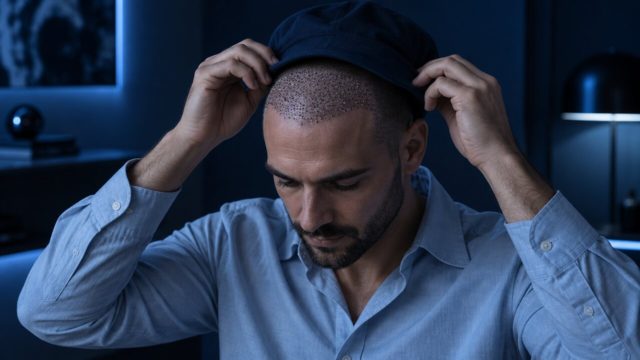
During the first 10 to 14 days, avoid anything that may dislodge, scrape, compress, or contaminate the recipient area. This includes scratching, rubbing with a towel, picking crusts, wearing tight caps or helmets, and allowing pets or young children to touch the scalp. People often ask what not to do after hair transplant because grafts look small and delicate at first. Treating the area gently is especially important until your doctor confirms that the grafts are secure.
Sleeping position matters during the first few nights. Many clinics recommend sleeping with the head elevated and avoiding direct pressure on the transplanted area, particularly if grafts were placed near the hairline, crown, or temples. A clean pillowcase, a travel pillow, and loose clothing that does not pull over the head can reduce accidental contact. Your doctor will explain how many nights this precaution is needed, as recommendations can vary between patients and procedures.
Avoid smoking and alcohol during the period advised by your surgical team. Nicotine can affect blood flow and wound healing, while alcohol may increase swelling, dehydration, or bleeding risk and can interact with some medicines. Do not restart blood-thinning medicines, herbal supplements, anti-inflammatory medicines, or gym supplements without medical approval. Even products that seem harmless can affect bleeding, blood pressure, or the healing process.
03Washing, drying, and caring for scalp crusts
Hair washing is usually introduced gradually rather than immediately. In many patients, the first wash or gentle rinse is arranged for the next day or within the first few days, but the exact timing and technique must come from your clinic. You may be asked to use a prescribed lotion or foam, apply shampoo gently, and rinse with low-pressure lukewarm water. Do not use hot water, a powerful shower stream, nails, or vigorous circular movements over the grafts.
When washing begins, let the recommended product sit only for the time stated in your instructions. Use fingertips very lightly around the area if your doctor permits it, rather than rubbing or massaging the grafts. Pat the scalp dry or allow it to air-dry; do not drag a towel across the recipient zone. A hairdryer, if permitted later, should normally be used on a cool and gentle setting from a safe distance. Your clinic can demonstrate the correct method if you are uncertain.
Small crusts commonly form as tiny healing sites close. Do not pick them, even if they feel itchy or look uneven. Premature crust removal can cause bleeding, irritation, and possible trauma to the healing area. With the approved washing routine, crusts usually soften and shed naturally over time. If crusts remain longer than expected, or if you see thick yellow discharge, worsening redness, a bad smell, or increasing pain, contact your clinic rather than trying to remove them yourself.
04Exercise, heat, sun, and water exposure
Avoid strenuous exercise in the early recovery period unless your doctor has cleared it. Weight training, running, team sports, intense cycling, hot yoga, and similar activities can increase sweating, blood pressure, and the chance of knocking or rubbing the scalp. Sweat itself is not always harmful, but heavy sweating may irritate healing skin and make it harder to keep the area clean. Gentle walking is often easier to introduce first, but your doctor should confirm an appropriate activity timeline.
Saunas, steam rooms, Turkish baths, hot tubs, and very hot showers should also be postponed until the scalp has recovered sufficiently. Heat can increase swelling and discomfort during the first stage of healing. Swimming in pools, the sea, lakes, or other open water should be avoided until your medical team says the skin has healed enough. Chlorine, salt, bacteria, and prolonged soaking may irritate the scalp or raise the risk of infection before the small healing sites have closed.
Direct sunlight is another important concern. Freshly treated skin can be sensitive to ultraviolet light, heat, and sunburn. Avoid prolonged outdoor exposure, especially at midday, and do not apply sunscreen directly to healing grafts unless your doctor specifically approves a product and timing. If you need to go outside, seek shade and follow the guidance on loose, non-contact head protection. Once the scalp is healed, continued sun protection can help limit skin irritation and colour changes.
05Work, travel, clothing, and social plans
Many people can return to desk-based work relatively soon, but this depends on swelling, comfort, travel demands, and whether the workplace exposes the scalp to dust, heat, sweat, or physical contact. When considering what not to do after hair transplant, do not focus only on the calendar. Consider whether your usual day involves lifting, bending repeatedly, wearing protective equipment, rushing through crowded spaces, or working outdoors. Your doctor can advise when your role and commute are suitable for a safe return.
Going out socially may be possible after about a week for some patients, provided they protect the scalp and follow their washing routine. However, visible redness, scabbing, or swelling can last longer in others. Avoid busy settings where the head may be bumped, smoky environments, alcohol-centred events, and long periods in direct sun. Choose comfortable plans with easy transport, clean surroundings, and enough time to rest. There is no need to isolate completely, but it is sensible to avoid situations that make aftercare difficult.
Choose clothing that does not need to be pulled tightly over the head. Button-front shirts, zip-up tops, and loose neck openings can reduce accidental friction when changing clothes. If you travel after the procedure, keep your care products, written instructions, clinic contact details, and prescribed medicines accessible. Long journeys can be tiring, so drink water, move gently when appropriate, and avoid placing luggage or headrests against the recipient area. Follow the airline and clinic advice for your specific travel plans.
06Food, hydration, smoking, and everyday scalp habits
A balanced diet and regular hydration can support general recovery, although no food can guarantee hair growth or replace proper medical aftercare. Aim for varied meals that provide adequate protein, vegetables, fruit, whole grains, and healthy fats, unless your doctor has advised a different diet for a medical reason. Avoid extreme dieting, fasting, or suddenly starting high-dose vitamins after surgery. Nutritional supplements should only be used if your doctor confirms they are suitable for you.
Smoking, vaping with nicotine, and alcohol are habits worth taking seriously around surgery. They may interfere with circulation, hydration, sleep quality, and healing. Your clinic will tell you when to stop before surgery and when it may be appropriate to restart, if at all. It is also wise to limit excessive caffeine if it makes you dehydrated, anxious, or unable to sleep. Rest is part of recovery, and regular sleep can make it easier to follow the care routine consistently.
Avoid introducing new scalp oils, styling waxes, hair fibres, sprays, dyes, chemical treatments, or home remedies while the recipient area is healing. These products can cause irritation, residue build-up, or an allergic reaction, and some may make proper cleansing more difficult. Haircuts should also be approached carefully. Clippers, razors, and close trimming should not be used near the treated area until your clinic confirms it is safe. If you want to cover thinning or redness, ask your team about the safest timing and option.
07Warning signs that need medical advice
Some swelling, redness, itching, and temporary tightness can occur after a hair transplant, particularly during the first days. However, symptoms should generally improve rather than become progressively worse. Contact your clinic promptly if you have severe or increasing pain, spreading redness, persistent warmth, thick discharge, a fever, significant bleeding, or swelling that seems unusual. These signs do not always mean there is a serious problem, but they need professional assessment rather than self-treatment.
It is also important to understand that temporary shedding can be part of the expected process. Transplanted hairs may shed in the weeks after surgery before new growth begins later. This is often called shock shedding or shedding of the transplanted hair shafts, and it does not automatically mean the follicles have failed. Your clinic can explain the expected growth stages and assess concerns through follow-up. Do not pull at loose hairs or assume early appearance reflects the final result.
Avoid relying on social media advice, unverified forums, or another patient’s timeline when you have a concern. Individual healing differs, and photos can be misleading because lighting, hairstyle, density, and scalp tone vary. Your medical team can evaluate symptoms in context and advise whether an in-person review is needed. Acibadem Hair Transplant Center offers a free online hair analysis reviewed by doctors before treatment, and follow-up questions can be directed to the patient support team after surgery.
08Building a realistic recovery routine for the months ahead
Recovery continues after the first two weeks, even when the scalp looks calmer. The donor area and recipient area may heal at different speeds, and temporary numbness or mild sensitivity can persist for a while in some patients. Keep attending or responding to planned follow-ups, especially if your clinic requests photographs. Trichoscopic assessment, where available, can help monitor graft survival and scalp recovery more objectively than appearance alone.
Be patient with the visible timeline. Initial shedding may be followed by a quiet period before new growth becomes noticeable. Early hairs can appear fine, uneven, or different in texture before they mature. This does not mean you should change products frequently, trim aggressively, or chase unproven treatments. Consistent scalp care, medical follow-up, and realistic expectations are more useful than daily inspection in the mirror. Your doctor will explain what changes are typical at each stage.
Long-term hair care should be discussed with your doctor, particularly if you have ongoing hair thinning in areas that were not transplanted. A transplant redistributes follicles; it does not necessarily stop the underlying process of hair loss. Your doctor may discuss monitoring, medical options, or future planning where clinically appropriate. By avoiding risky habits early and maintaining follow-up later, you give your scalp the best possible conditions for a measured and well-supported recovery.
09Frequently Asked Questions
When can I wash my hair after a hair transplant?
The timing of the first wash varies by clinic and procedure, but it is commonly introduced gently within the first few days after surgery. Your doctor will confirm when to start, which products to use, and how to rinse and dry the scalp without disturbing the grafts. Do not use a strong shower stream, hot water, or rubbing motions unless your clinic has specifically advised otherwise.
How long does hair transplant recovery usually take?
The initial healing period commonly lasts around 10 to 14 days, when crusting and visible redness often reduce. However, scalp sensitivity, donor-area healing, and the return to exercise or other activities can take longer. Hair growth results develop gradually over months, and your doctor will explain the expected follow-up timeline for your case.
Can I go outside seven days after a hair transplant?
Many patients can go outside after seven days if they feel well and can protect the scalp appropriately. Avoid direct sun, crowded situations where the scalp could be bumped, sweating, smoke, alcohol, and any headwear that rubs the grafts. Your clinic should confirm whether a loose hat or other protection is suitable at that stage.
What risks can be associated with hair transplant surgery?
Possible risks include bleeding, swelling, discomfort, infection, inflammation, scarring, temporary numbness, and uneven growth or density. Some patients also experience temporary shedding of existing or transplanted hairs. A qualified medical assessment, sterile surgical conditions, careful aftercare, and prompt reporting of unusual symptoms can help reduce risks, but no procedure is completely risk-free.
Dieser Artikel dient nur der allgemeinen Information und ersetzt keine professionelle medizinische Beratung.
Dieser Ratgeber dient der allgemeinen Information und ersetzt keine ärztliche Beratung. Behandlungsentscheidungen werden nach einer persönlichen oder Online-Untersuchung durch einen Arzt getroffen.