In diesem Artikel8
- What Low-Level Laser Therapy Can Do Before a Hair Transplant
- How Light Therapy May Affect Hair Follicles and the Scalp
- Who May Be Considered for low level laser hair Treatment
- Timing Light Therapy in the Months Before Surgery
- Combining Laser Therapy With Medical Hair Loss Management
- What to Expect From a Hair Transplant After Supportive Treatment
- New and Emerging Options for Hair Loss Care
- Frequently Asked Questions
Low level laser hair therapy may be used before hair transplant surgery to support scalp health and help manage ongoing thinning, but it does not replace a transplant plan. Your doctor should confirm whether it is suitable for your diagnosis, current medications, scalp condition, and surgery timeline.
- Low-level laser therapy uses specific red or near-infrared light wavelengths intended to support follicle activity without surgery.
- It may be considered before a hair transplant when the scalp is healthy and the cause of hair loss has been properly diagnosed.
- Light therapy cannot create donor hair or replace follicles that have permanently stopped producing visible hair.
- Managing ongoing hair thinning before surgery may help doctors plan a more natural, long-term transplant strategy.
- A doctor-led assessment is important because hair loss may have medical, hormonal, nutritional, inflammatory, or genetic causes.
01What Low-Level Laser Therapy Can Do Before a Hair Transplant
Low level laser hair therapy is a non-invasive approach that exposes the scalp to controlled red or near-infrared light. Before hair transplant surgery, it may be discussed as one part of a wider hair restoration plan, particularly for people with early or continuing thinning in their existing hair. It is not a surgical treatment and does not move, create, or multiply hair follicles. Instead, the aim is generally to support the environment around follicles that are still present and producing hair.
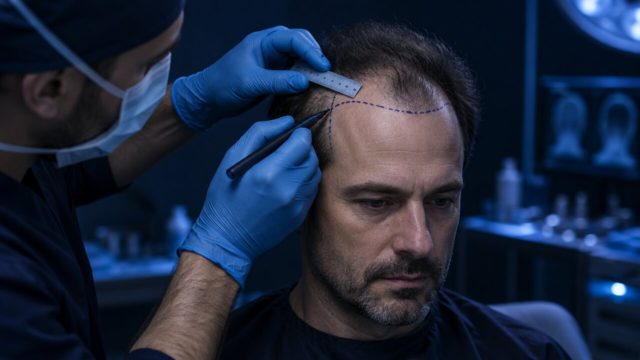
Hair transplant surgery works differently. During Sapphire FUE or DHI treatment, follicles are carefully taken from the donor area and placed into areas of thinning or hair loss. Low-level laser therapy does not replace this process. In suitable patients, it may be used before or after surgery as supportive care, while the transplant itself addresses areas where follicle density is no longer sufficient for the desired coverage.
The most appropriate role for light therapy depends on the reason for hair loss, the degree of miniaturisation, donor-area quality, scalp health, and the patient’s long-term goals. A person with stable pattern hair loss may have different needs from someone with sudden shedding, scalp inflammation, or a nutritional issue. For this reason, doctors should assess the pattern of loss before recommending any device or pre-surgery routine.
It is also important to have realistic expectations. In most patients, non-surgical treatments are intended to preserve or improve the appearance of vulnerable existing hairs rather than produce dramatic regrowth in fully bald skin. A careful consultation can clarify what may be achievable with supportive treatments and what may require transplantation.
02How Light Therapy May Affect Hair Follicles and the Scalp
Low-level laser therapy is often described as photobiomodulation. The light used is low energy and is not intended to heat, burn, cut, or remove tissue. It is different from high-energy medical lasers used for procedures on the skin. Although the biological response is still an active area of research, the proposed mechanism involves light being absorbed by cells, potentially influencing cellular energy processes and local signalling.
Hair follicles move through natural growth, transition, and resting phases. In androgenetic hair loss, genetically susceptible follicles can gradually produce finer, shorter hairs over time. Light-based treatment may help support follicles that remain active but are becoming weaker. However, it cannot reliably restore a follicle that has been absent for many years or overcome every cause of hair loss.
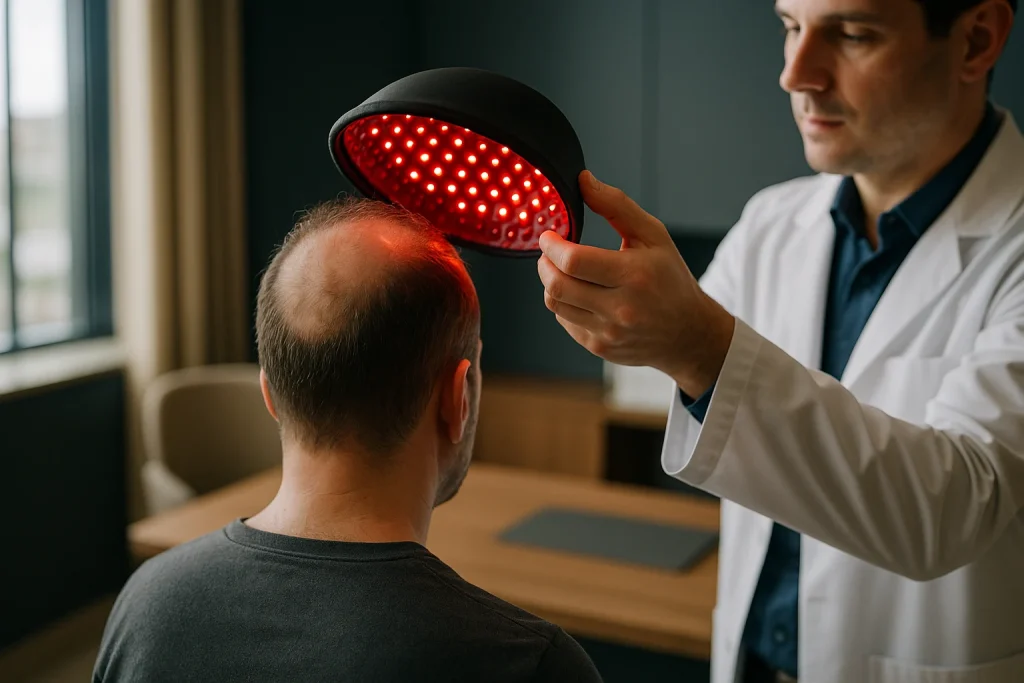
Some patients use a cap, helmet, comb, or other home-use light device. The treatment schedule, light specifications, and quality controls can differ between devices. This variation is one reason why results cannot be predicted from a product label alone. Your doctor may review the device type, your scalp condition, and whether the treatment could fit safely alongside your wider medical plan.
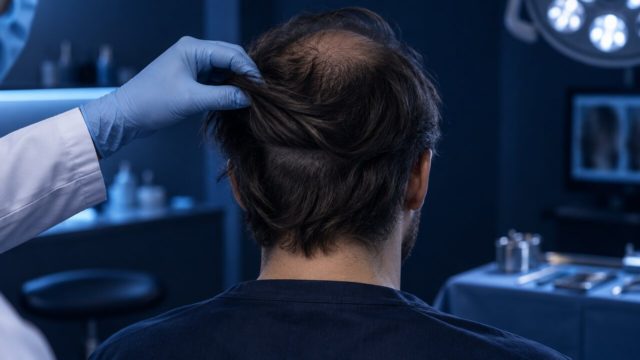
Before a transplant, the main clinical value may be in understanding and supporting the existing native hair around the planned recipient area. Preserving these hairs matters because transplanted grafts are placed among them to create a balanced and natural-looking distribution. A transplant plan should always consider how the native hair may change over the coming years.
03Who May Be Considered for low level laser hair Treatment
Low level laser hair treatment may be considered for adults with mild to moderate thinning where follicles are still present. It is most often discussed in the context of androgenetic alopecia, also called male-pattern or female-pattern hair loss. This condition usually develops gradually and follows a recognisable pattern, such as receding temples, crown thinning, widening of the part line, or diffuse reduction in density.
It may also be considered when a doctor wants to improve the overall condition of existing hair before designing a transplant. For example, a patient may have a defined bald area suitable for graft placement but also have finer surrounding hair that needs long-term management. Supporting existing hair, where clinically appropriate, can help make the surgical plan more sustainable and avoid placing unrealistic expectations on the donor area.
Not every form of hair loss is suitable for light therapy. Sudden shedding, patchy hair loss, marked redness, scaling, pain, pustules, or scarring may require medical investigation first. Conditions such as alopecia areata, active scalp disease, traction-related loss, or shedding linked to illness may need a different approach. Starting a treatment without understanding the diagnosis can delay appropriate care.
Pregnancy, breastfeeding, photosensitivity, a history of light-sensitive skin reactions, and certain medicines may also affect whether a device is appropriate. Patients should share their health history and current treatments with their doctor. A professional assessment is especially important when hair loss begins quickly, occurs at a young age, or is accompanied by other changes in health.
04Timing Light Therapy in the Months Before Surgery
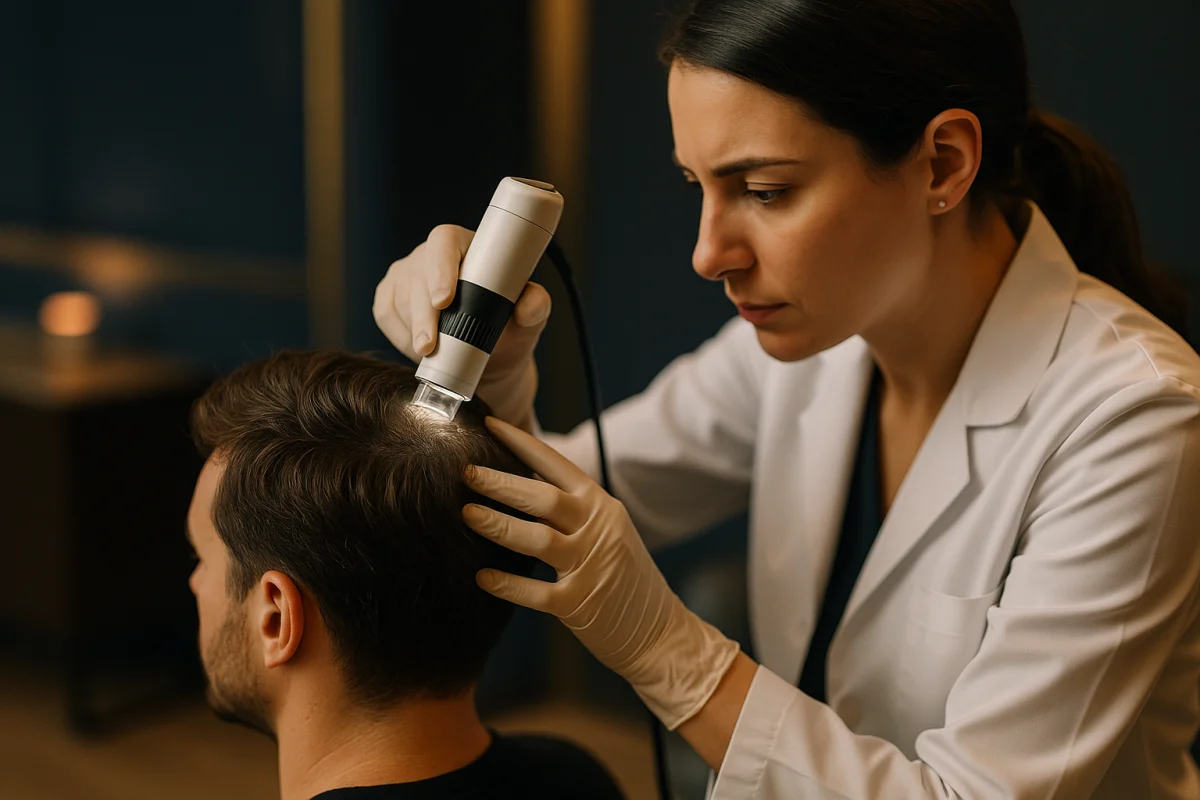
When light therapy is included before a hair transplant, it is typically introduced as part of a structured plan rather than as a last-minute preparation step. Hair growth changes take time to observe because follicles follow slow biological cycles. A doctor may therefore recommend monitoring the scalp and existing hair over several months before deciding whether surgery should proceed immediately or whether non-surgical management should first be optimised.
Pre-surgery planning is not only about encouraging hair growth. It also helps establish whether hair loss is stable, where future thinning may occur, and how many grafts should be reserved for future needs. This is particularly important for younger patients or those with active progression. Conserving donor hair and planning a conservative hairline can be as important as improving the appearance of the current thinning area.
Patients should not assume that more sessions will necessarily produce better results. Excessive use, unverified device settings, or combining several treatments without medical guidance may not be helpful. A clinician can advise when to use, pause, or avoid a supportive treatment around surgery. Instructions can differ according to the device, scalp sensitivity, surgical technique, and other therapies being used.
At Acibadem Hair Transplant Center, a dedicated hair restoration clinic in Istanbul licensed by the Turkish Ministry of Health, patients can begin with a free online hair analysis reviewed by doctors. Photos and history help the team consider the pattern of loss and whether a surgical consultation is appropriate. Replies on WhatsApp are usually provided within around two hours, although timing can vary.
05Combining Laser Therapy With Medical Hair Loss Management
Many people ask about the “big three” for thinning hair. This informal term commonly refers to a medical hair loss treatment, a topical hair-growth treatment, and low-level laser therapy. The exact combination is not right for everyone, and some options may be unsuitable because of sex, age, pregnancy plans, medical history, side effects, or the cause of hair loss. A doctor should explain the potential benefits and limitations of each option.
For androgenetic alopecia, medical treatment may be used to help slow the hormonal process that contributes to follicle miniaturisation in some patients. Topical approaches may also be considered to support the growth phase of susceptible follicles. These treatments require consistency, and any response is usually assessed over months rather than days. Stopping an effective treatment may allow the underlying pattern of loss to continue.
Low level laser hair approaches can be discussed as an additional supportive option, not as a guaranteed substitute for medical treatment or transplantation. Some patients prefer non-invasive approaches, while others need a more comprehensive plan because their loss is advanced. The best plan is based on clinical findings rather than on a fixed list of treatments from social media or advertising.
It is essential to tell your doctor about tablets, topical products, supplements, and procedures you are already using. Supplements can be useful when a confirmed deficiency exists, but they are not a universal solution for hereditary hair loss. Inappropriate supplements may also interfere with tests or cause unwanted effects. A measured, doctor-led approach is safer than starting multiple products at once.

06What to Expect From a Hair Transplant After Supportive Treatment
A hair transplant can redistribute permanent donor follicles to areas of visible loss, but it does not stop future thinning in non-transplanted hair. This is why supportive treatments, including light therapy in selected cases, may remain relevant after surgery. The goal is often to protect the native hairs around transplanted grafts and maintain a harmonious result as the patient ages.
Sapphire FUE and DHI are two techniques available at Acibadem Hair Transplant Center. The appropriate technique depends on the patient’s hair characteristics, recipient-area requirements, donor supply, and the doctor’s surgical assessment. Needle-free anaesthesia is also available for eligible patients. Your medical team will explain what the procedure involves and which elements may be suitable for you.
After surgery, transplanted hairs commonly go through an early shedding phase before new growth becomes visible. This is a normal part of the process in many patients, but timelines differ. Light therapy should not be restarted simply because it is marketed as helpful; the scalp needs time to heal, and only the surgical team can confirm when any device or topical treatment is safe to resume.
Results should be evaluated carefully rather than judged too early. At the clinic, results are measured by trichoscopic graft survival at month 12, with a documented 98% rate under written guarantee. Individual cosmetic appearance still depends on factors such as donor quality, hair characteristics, scalp condition, progression of native hair loss, and adherence to aftercare instructions.
07New and Emerging Options for Hair Loss Care
Hair loss treatment continues to develop, and patients may hear about platelet-based procedures, microneedling protocols, regenerative approaches, advanced topical formulations, oral treatments, and research into cell-based therapies. Some options are already used in selected clinical settings, while others remain investigational or have limited evidence for certain types of hair loss. New does not automatically mean proven, safe, or appropriate for every patient.
Platelet-rich plasma, often called PRP, is one example that may be offered as a supportive procedure in some clinics. It uses a concentration prepared from the patient’s own blood. Outcomes can vary, treatment protocols are not fully standardised, and it should not be presented as a replacement for a well-planned transplant when significant follicle loss has occurred. Your doctor can discuss whether it has a role in your individual treatment pathway.
Researchers are also investigating ways to influence follicle biology through new molecules, delivery methods, and regenerative techniques. These developments are promising areas of scientific interest, but patients should be cautious about claims of permanent cures, instant regrowth, or guaranteed follicle multiplication. Reliable care begins with a confirmed diagnosis and transparent discussion of evidence, risks, cost, and expected maintenance.
For international patients, practical continuity of care matters as well as treatment choice. Acibadem Hair Transplant Center has welcomed patients from 38 countries over 12 years and provides all-inclusive packages that can include VIP transfer, a 4-star hotel, a care kit, and 12 months of follow-up. The care team can explain the available package details and the recommended follow-up process after a doctor reviews your case.
08Frequently Asked Questions
Does low-level laser therapy work for hair loss?
Low-level laser therapy may help some people with early or moderate thinning, especially when active follicles are still present. Results vary by diagnosis, device, consistency of use, and the severity of hair loss. It is not a guaranteed treatment and does not replace a medical evaluation for sudden, patchy, or advanced hair loss.
What are the big three treatments for thinning hair?
The phrase “big three” usually refers to a doctor-prescribed or doctor-supervised medical treatment, a topical hair-growth treatment, and low-level laser therapy. This is an informal term rather than a universal medical protocol. Your doctor should determine whether any of these options are appropriate and safe for your situation.
What is androgenetic alopecia?
Androgenetic alopecia is a common inherited form of hair loss linked to genetic sensitivity of hair follicles to hormones. It may cause receding hairlines and crown thinning in men, or widening of the part and diffuse thinning in women. The condition often progresses gradually, and early assessment may help with long-term planning.
What newer hair loss treatments are available?
Options that may be discussed include platelet-rich plasma, microneedling-based protocols, newer topical or oral medical approaches, and light-based devices. Some regenerative and cell-based treatments are still being researched and may not have established long-term evidence. A doctor can help separate clinically appropriate options from unproven claims.
Dieser Artikel dient nur der allgemeinen Information und ersetzt keine professionelle medizinische Beratung.
Dieser Ratgeber dient der allgemeinen Information und ersetzt keine ärztliche Beratung. Behandlungsentscheidungen werden nach einer persönlichen oder Online-Untersuchung durch einen Arzt getroffen.