
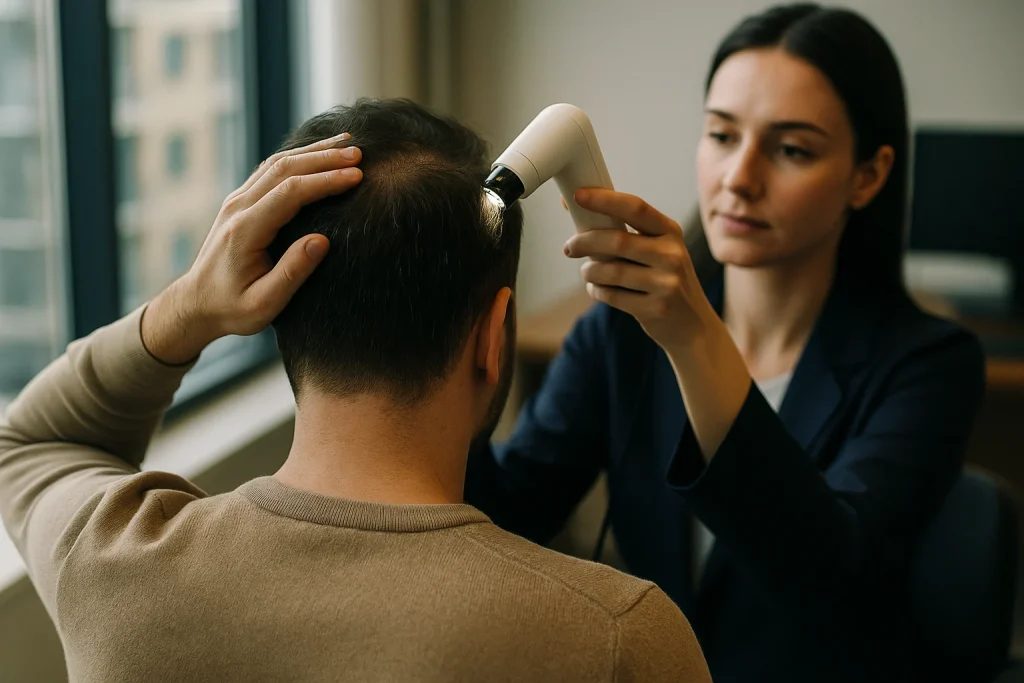
Painful hair follicles usually reflect sensitivity in the scalp skin, nerves, or tissue around the follicles rather than pain from the follicles themselves. If there is active inflammation, infection, unexplained tenderness, crusting, or shedding, hair transplant surgery is typically delayed until a doctor confirms the scalp is stable.
- Scalp tenderness can be linked to irritation, tight hairstyles, product buildup, inflammatory conditions, infection, or headache-related sensitivity.
- A painful, red, crusted, or pus-filled scalp should be medically assessed before planning a hair transplant.
- Hair transplant surgery is usually postponed when the recipient or donor area has active inflammation or infection.
- Treating the underlying scalp condition first can help create safer conditions for graft placement and healing.
- A doctor-led scalp examination, sometimes supported by trichoscopy, helps confirm whether surgery can proceed.
01Why do my hair follicles hurt? Understanding scalp pain
When people ask, "why do my hair follicles hurt", they are usually describing tenderness when touching the scalp, moving the hair, brushing, washing, or lying on a certain area. Hair follicles do not normally create pain on their own. The discomfort more often comes from the skin, tiny nerves, oil glands, muscles, or inflammation around the follicle. This distinction matters because scalp pain can have many causes, from simple irritation to a condition that needs medical treatment.
Short-term tenderness may occur after wearing a tight ponytail, braids, headwear, or hair extensions. It may also follow sun exposure, vigorous scratching, harsh cosmetic products, frequent dry shampoo use, or a buildup of oil and skin cells. In these situations, the scalp may feel sore without there being a serious infection. However, pain that is persistent, worsening, or combined with visible skin changes should not be ignored.
For someone considering a hair transplant, scalp pain is an important signal to discuss during the medical assessment. Transplant surgery involves placing grafts into carefully prepared recipient sites, so the skin should be calm and healthy beforehand. Your doctor will examine both the donor and recipient areas and confirm whether tenderness is temporary or whether it suggests an active scalp problem that should be managed first.
02Common everyday triggers for sore scalp and hair roots
Traction is one of the most common reasons for tenderness around the hair roots. Hairstyles that pull continuously on the hair can strain the follicles and surrounding tissue. A high bun, tightly secured ponytail, braids, extensions, clips, or a helmet worn for long periods may all contribute. Pain after releasing the hair from a tight style can be a useful sign that the scalp needs a break from tension.
An oily or unwashed scalp can also feel uncomfortable, especially if sweat, sebum, dead skin cells, and styling residue collect near the follicle openings. This does not mean that unwashed hair itself causes infection, but buildup may increase itching and irritation in some people. Scratching can then make the scalp more tender and may damage the skin barrier. Gentle, regular cleansing suited to an individual's scalp type is often part of maintaining scalp comfort.
Some people notice scalp discomfort during periods of stress, poor sleep, migraine, or tension headache. The scalp muscles and nerves can become more sensitive, and ordinary hair movement may feel unpleasant. This kind of sensitivity may not involve visible follicle inflammation. Still, a clinician should assess new, severe, one-sided, or ongoing tenderness, particularly when it occurs with headache symptoms or changes in the skin.
03Folliculitis, dermatitis, and other inflammatory scalp conditions
Inflammation around hair follicles is called folliculitis. It can appear as small tender bumps, spots, pustules, or crusted areas on the scalp. It may be related to bacteria, yeast, friction, blocked follicle openings, or other skin conditions. Because several problems can look similar, it is not advisable to self-diagnose based on photographs alone. A doctor or dermatologist can assess the pattern, the skin condition, and whether further testing is appropriate.
Seborrhoeic dermatitis, contact dermatitis, psoriasis, and eczema can also cause itching, flaking, burning, and tenderness. These conditions may affect the scalp surface more broadly than a single follicle. Cosmetic dyes, fragranced products, oils, sprays, or certain shampoos can sometimes trigger contact irritation in sensitive people. Identifying a possible trigger and receiving a proper diagnosis can help avoid repeated inflammation.
Patients asking why do my hair follicles hurt may also be experiencing an inflammatory form of hair loss. Some inflammatory disorders can damage follicles over time if they are not assessed and controlled. Signs such as smooth shiny patches, reduced visible follicle openings, spreading hair loss, significant burning, or scarring require prompt dermatological evaluation. Hair transplantation is not normally planned into scalp areas where inflammatory disease is active or not yet clearly diagnosed.
04When hair shedding and tenderness occur together
Hair shedding and scalp tenderness can occur at the same time, but they do not always have the same cause. For example, temporary shedding after illness, major stress, rapid weight change, or hormonal changes may be accompanied by general scalp sensitivity. In many cases, the hair follicles remain capable of growing new hair, but the reason for the shedding should still be considered before any surgical plan is made.
Androgenetic hair loss, often called pattern hair loss, is usually not painful by itself. If a person with pattern hair loss develops burning, soreness, scaling, pustules, or sudden increased shedding, another scalp condition may be present as well. A transplant consultation should distinguish stable pattern hair loss from active shedding or inflammation, because graft planning depends on the long-term condition of both the donor and recipient areas.
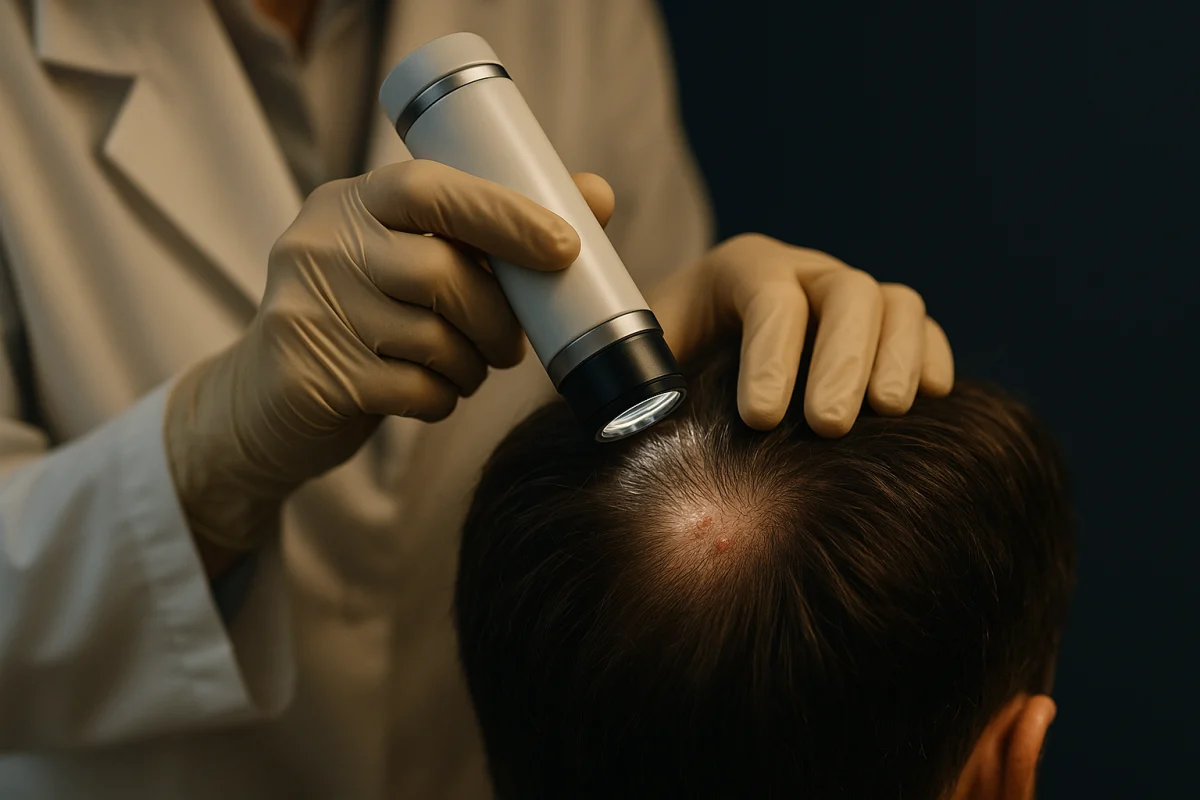
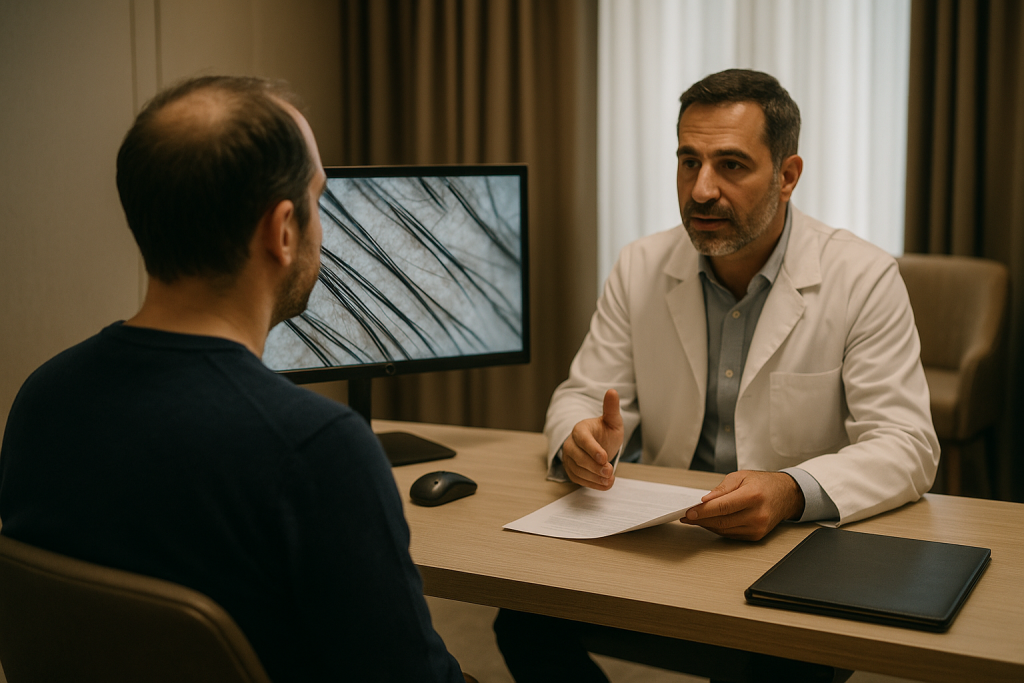
Trichoscopy is a close examination of the scalp and hair shafts that can help doctors identify signs of miniaturisation, inflammation, scaling, or follicle changes. It does not replace all medical investigations, but it can support a more informed assessment. At Acibadem Hair Transplant Center, online hair analysis is reviewed by doctors, and an in-person clinical examination is used to confirm whether transplant planning is appropriate.
05Warning signs that need medical assessment before surgery
A sore scalp should be assessed promptly if there are painful red bumps, pus, yellow crusts, bleeding, fever, swollen lymph nodes, or rapidly spreading redness. These signs can indicate infection or significant inflammation. Surgery through an infected or actively inflamed area may increase healing concerns and may affect the environment needed for graft survival. Your doctor will advise on the next steps and whether a referral to a dermatologist is needed.
Other warning signs include severe itch with thick scaling, painful patches of hair loss, patchy broken hairs, a rash that spreads beyond the scalp, or tenderness that continues for several weeks. Tenderness following a new hair product, colouring treatment, or chemical service may suggest irritation or an allergic reaction. It is sensible to stop using a suspected irritating product and seek professional advice rather than adding multiple new treatments to the scalp.
Tenderness of the skull or scalp can occasionally be related to causes outside the follicles, including tension-type headache, migraine-related sensitivity, nerve irritation, jaw clenching, or skin conditions. New scalp pain with severe headache, visual symptoms, weakness, confusion, jaw pain, or other concerning symptoms needs urgent medical evaluation. A hair transplant clinic can assess surgical readiness, but urgent or complex medical symptoms should be evaluated through appropriate medical services.
06When active symptoms mean transplant surgery should be delayed
Hair transplant surgery is typically delayed if there is active folliculitis, untreated infection, open sores, severe dermatitis, significant sunburn, or unexplained scalp pain. This is a safety-focused decision, not a failure of the treatment plan. The priority is to understand why the scalp is irritated and allow the skin to return to a stable condition before donor extraction or recipient-site implantation is considered.
Operating on an unhealthy scalp may be less comfortable and can make it harder to assess the correct treatment area. Inflammation can alter the appearance of the skin and hair density, while scratching or crusting can increase trauma to the surface. If a condition is causing ongoing hair loss, it is also important to determine whether that process is controlled before placing grafts. Your doctor will confirm whether the donor region and the planned recipient area are suitable.
The length of any delay depends on the diagnosis, the severity of symptoms, and how the scalp responds to medical management. Some mild irritation may settle quickly once a trigger is avoided, while chronic inflammatory conditions may require longer observation. There is no universal waiting period that is right for every patient. A surgeon should make the decision after examination and, where relevant, after reviewing dermatology findings.
07How doctors restore scalp health before considering graft placement
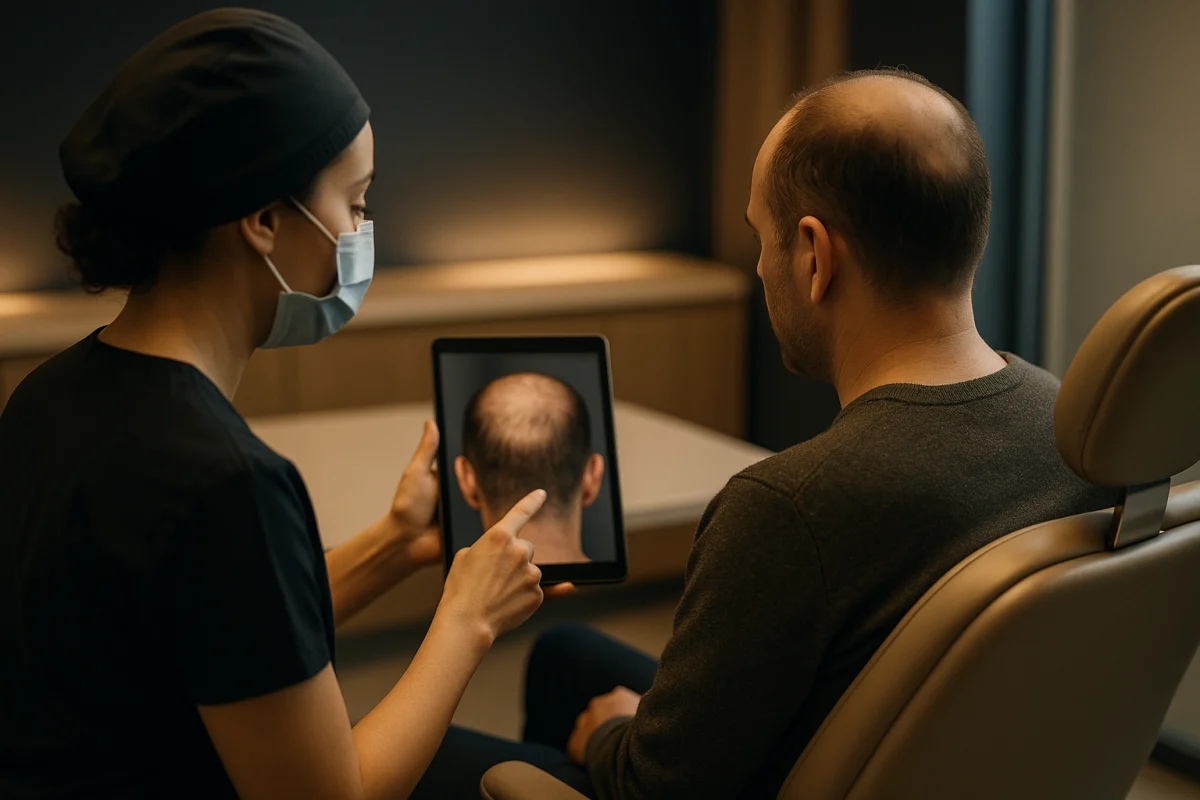
The first step is an accurate diagnosis. A clinician may ask about the timing of pain, hair-care habits, medical history, medicines, recent illness, stress, hair shedding, and family history of hair loss. They will inspect the scalp for redness, scale, bumps, scarring, broken hairs, and signs of traction. Depending on the findings, a doctor may recommend dermatology review, tests, or treatment for the underlying problem before transplant planning continues.
Management of inflamed follicles depends on the cause. A doctor may recommend changes to scalp care, avoidance of a suspected irritant, or prescribed treatment when an infection or inflammatory disease is confirmed. It is important not to pick pustules, scrub aggressively, use harsh exfoliants, or apply unverified home remedies to a painful scalp. These measures can worsen irritation and make it more difficult to evaluate the original condition.
If you are wondering why do my hair follicles hurt while preparing for a transplant, share the symptom early rather than waiting until the procedure date. Clear photographs may be useful for an initial online review, but they cannot always show the full condition of the scalp. Acibadem Hair Transplant Center provides free online hair analysis reviewed by doctors, with WhatsApp replies typically within around two hours, followed by further assessment when required.
08Planning a transplant after tenderness has settled
Once the scalp condition has settled, the transplant team can reassess candidacy and create a plan based on hair loss pattern, donor supply, hair characteristics, and medical suitability. The aim is not simply to proceed quickly, but to select an appropriate time for surgery. A stable scalp supports more predictable surgical handling and allows the team to design the recipient area more accurately.
Sapphire FUE and DHI are available at Acibadem Hair Transplant Center, and the most suitable technique is decided after clinical review rather than chosen only by preference. Needle-free anaesthesia is also available for eligible patients. These procedural options do not replace the need to resolve active scalp disease first. Even a well-planned technique should be performed only when the surgeon considers the skin condition appropriate.
After surgery, patients should follow the clinic's washing, protection, and follow-up instructions carefully and report unusual pain, increasing redness, discharge, or swelling. Acibadem Hair Transplant Center is a dedicated hair restoration clinic in Istanbul, licensed by the Turkish Ministry of Health, with 12 months of follow-up included in its all-inclusive packages. Continued follow-up helps the medical team monitor healing and address concerns at the appropriate stage.
09Frequently Asked Questions
Why does my scalp hurt when I move my hair when it is dirty?
Oil, sweat, dead skin cells, and styling residue may build up around the scalp and make it itch or feel tender, especially if you have scratched or worn tight hairstyles. Moving the hair can then pull on already sensitive skin. Gentle cleansing may help in some cases, but persistent pain, bumps, crusting, or shedding should be assessed by a doctor.
How are inflamed hair follicles treated?
Treatment depends on the cause of the inflammation, which may include irritation, friction, bacteria, yeast, or an underlying skin condition. A doctor may recommend scalp-care changes or prescribe treatment after examining the area. Avoid squeezing bumps, harsh scrubbing, or applying multiple strong products, as these can further irritate the scalp.
Can a vitamin deficiency cause scalp tenderness?
Nutritional deficiencies can contribute to hair shedding or changes in hair quality, but they are not a common direct explanation for scalp tenderness on their own. Low iron or other nutritional concerns may be considered by a doctor when symptoms and medical history suggest it. Testing and treatment decisions should be guided by a qualified clinician rather than taking high-dose supplements without assessment.
Why is my skull or scalp tender to touch?
Tenderness may come from the scalp skin, hair follicles, muscles, or nerves rather than the skull itself. Possible causes include tight hairstyles, skin inflammation, migraine or tension headache, sun exposure, and infection. New severe tenderness or pain with neurological symptoms, fever, visual changes, or jaw pain requires prompt medical evaluation.
Dieser Artikel dient nur der allgemeinen Information und ersetzt keine professionelle medizinische Beratung.
 06
06 12
12