In diesem Artikel9
- Überblick
- Understanding dhi advantages in graft placement
- Hairline design and direction in detailed recipient areas
- DHI, FUE and why the distinction matters
- Comfort, anaesthesia and the treatment-day experience
- Early healing after DHI placement
- Who may be a suitable candidate for DHI?
- Choosing a clinic and planning for the long term
- Frequently Asked Questions
DHI graft placement may offer careful control of the direction, angle and depth of each implanted follicular unit. The potential dhi advantages are most relevant in detailed areas such as the hairline, but suitability depends on your donor area, hair-loss pattern and the treatment plan confirmed by a doctor.
- DHI is a method of placing extracted follicular units with a specialised implanter pen.
- It may support detailed control of graft angle, direction and depth during placement.
- DHI and FUE are often related because grafts can be harvested with FUE before DHI placement.
- Recovery commonly includes temporary redness, swelling and small crusts during the early healing period.
- The best technique depends on medical assessment, donor supply, the area being restored and realistic goals.
01Potential Advantages of DHI Graft Placement
DHI, or Direct Hair Implantation, is a hair restoration technique that focuses on how follicular units are placed into the recipient area. The main dhi advantages relate to the potential for controlled placement, especially where the natural direction of the hair is important. During the procedure, the medical team places grafts using a fine implanter device rather than placing them with forceps into channels prepared beforehand. This approach may be useful when planning a refined frontal hairline, adding density between existing hairs, or working in smaller areas where careful positioning is needed.
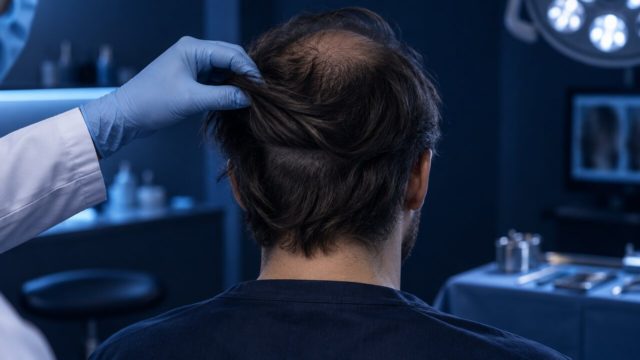
It is important to understand that DHI is not always a completely separate alternative to FUE. In many procedures, follicular units are first removed individually from the donor area using the FUE method. DHI then describes the implantation stage. For this reason, comparisons should consider both harvesting and placement, as well as the experience of the clinical team and the quality of the treatment plan. Your doctor will assess whether the donor area can safely provide the required grafts before recommending any method.
A natural-looking result usually depends on much more than the implantation tool. Hair calibre, curl pattern, contrast between hair and skin, the existing hairline, graft handling and long-term hair-loss planning all matter. DHI can be one useful option within this wider process. It should be chosen because it fits the clinical needs of the patient, not simply because it is presented as a newer or better technique. A doctor-reviewed assessment helps set an appropriate plan and realistic expectations.
02Understanding dhi advantages in graft placement
The implanter used for DHI can allow the clinician to make the recipient opening and insert the graft in one controlled movement. In suitable cases, this may help the team place each follicular unit at a planned angle and depth. Angle is especially important at the frontal hairline, temples and crown, where hair naturally changes direction. Depth also matters because grafts need to sit securely while avoiding placement that is too shallow or too deep.
One of the potential dhi advantages is the ability to work with close attention to the arrangement of individual grafts. Single-hair follicular units are commonly reserved for the leading edge of a hairline, while units containing more than one hair may be used behind it to create visual density. The choice and distribution of grafts remain a clinical decision. An implanter pen does not create a natural result on its own; it is the planning and skilled execution of the placement that make the difference.
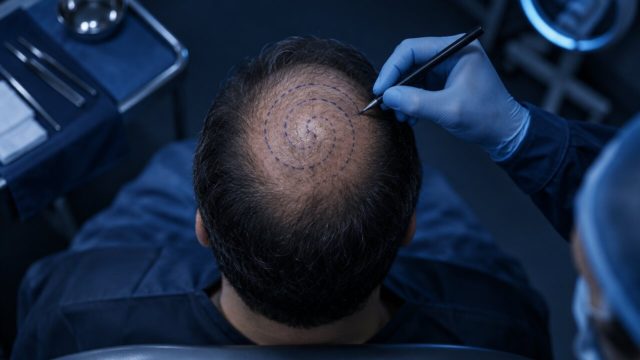
The recipient area must also be designed with future hair loss in mind. A low or overly dense hairline may not remain balanced if surrounding native hair continues to thin. Responsible planning considers the patient's age, family pattern, current progression and likely need to preserve donor supply. DHI may assist detailed placement, but it cannot stop genetic hair loss. Your doctor may discuss medical management or future planning where clinically appropriate.
03Hairline design and direction in detailed recipient areas
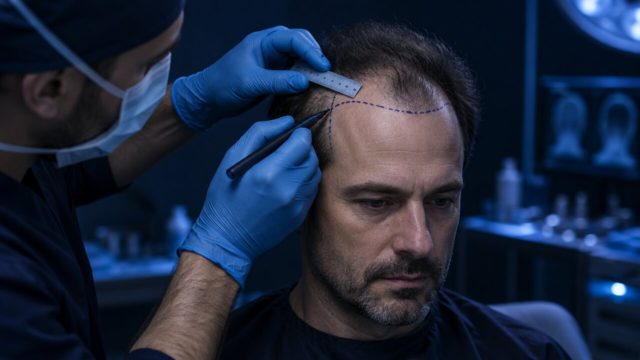
The front hairline is often the most visible part of a hair transplant, so it requires a conservative and individual design. A good design generally respects facial proportions, the patient's existing features and the expected progression of hair loss. It should also avoid a straight, artificial outline. Fine, irregular transitions and naturally varied spacing can help the result blend with the surrounding hair over time.
DHI placement may be considered for hairline work because the team can position follicular units one by one with close attention to direction. At the very front, hairs generally emerge at a low angle and follow subtle changes across the forehead. Temple points and the corners of the hairline require additional care because their direction differs from the central frontal area. These details are planned before and during the procedure, not left to the device alone.
The same principles can apply when adding density around existing hair. In patients with diffuse thinning, the team must avoid unnecessary trauma to native hairs while creating a distribution that looks balanced rather than concentrated in one small area. Not every person with thinning is a suitable transplant candidate at that time. If loss is active or the donor area is limited, the doctor may recommend waiting, medical evaluation or a more conservative strategy.
04DHI, FUE and why the distinction matters
FUE refers to the extraction of follicular units from the donor area, usually at the back and sides of the scalp where hair is more resistant to thinning. DHI usually refers to the implantation method used after extraction. This means a patient may have FUE harvesting followed by DHI placement. Using the terms accurately helps patients ask clearer questions and understand what each part of the procedure involves.
With conventional recipient-site placement, the team typically creates small channels in the recipient area before placing the grafts. With DHI, an implanter may create the opening and place the graft in the same step. Both methods can be used responsibly when they are selected and performed appropriately. Neither label alone confirms quality, safety or a particular cosmetic outcome. Sterile conditions, careful graft handling, sound medical judgement and aftercare are essential in every procedure.
When considering dhi advantages, it is helpful to focus on the specific goal rather than a simple comparison. For example, detailed frontal work, work between existing hairs or a smaller restoration may lead a doctor to discuss DHI placement. Larger areas may require a different workflow or a combined approach. The right question is not which technique is universally best, but which plan can use the available donor hair responsibly and meet the patient's priorities.
05Comfort, anaesthesia and the treatment-day experience
A hair transplant is a medical procedure, and comfort levels vary from person to person. Local anaesthesia is used to numb the donor and recipient areas. Patients may feel brief discomfort during the anaesthetic stage and pressure or movement during parts of the procedure, but they should not usually feel sharp pain after effective numbing. The clinical team should monitor comfort throughout treatment and explain what to expect before starting.
DHI itself is not automatically less painful than FUE because these terms often describe different stages of the same procedure. Sensation is more closely related to the anaesthesia method, the areas treated, individual sensitivity and the duration of the session. At Acibadem Hair Transplant Center, needle-free anaesthesia is available for eligible patients. Your medical team will confirm whether it is appropriate for your situation and explain the process clearly.
A calm treatment experience also depends on preparation. Patients are usually given instructions about medicines, alcohol, smoking and scalp care before their procedure, based on their medical history. It is important to share all relevant health information and follow the clinic's instructions rather than changing medication independently. After the procedure, clear written aftercare guidance can help patients protect the grafts during the early healing period.
06Early healing after DHI placement
The first phase of healing after DHI is usually similar to recovery after other follicular-unit transplant methods. Mild redness, tenderness, swelling and small crusts can occur in the treated areas. In many patients, crusts begin to clear within around seven to ten days when aftercare instructions are followed. The exact pace varies according to skin type, the size of the procedure, individual healing and whether there are any pre-existing scalp conditions.
The newly placed grafts need protection during the first days. Patients are typically asked not to rub, scratch or pick at the recipient area. They also receive guidance on washing, sleep position, hats, exercise, sun exposure and travel. These instructions are not minor details: careful early care can reduce avoidable disturbance to the grafts and support normal healing. If unexpected pain, increasing redness, discharge, fever or other concerning symptoms occur, the clinic should be contacted promptly.
It is also normal for transplanted hairs to shed after the early healing stage. This does not necessarily mean that the follicles have failed, as the follicle remains beneath the skin and enters a new growth cycle. Visible growth is gradual and requires patience. Follow-up appointments or remote check-ins allow the medical team to review recovery, answer questions and identify whether further assessment is needed.
07Who may be a suitable candidate for DHI?
A suitable candidate for DHI is not defined by age or hair-loss stage alone. Doctors consider the cause and stability of hair loss, donor density, hair quality, scalp health, medical history and the patient's expectations. People with adequate donor hair and a clearly defined restoration goal may be considered, but eligibility can only be confirmed after professional assessment. Some patients may be better served by another approach or by delaying surgery.
The potential dhi advantages may be particularly relevant for patients seeking focused work in a hairline, temple, eyebrow or density area, although each site requires its own assessment. A person with extensive baldness may need a careful graft-allocation plan because donor supply is limited. In such cases, priority is often given to the areas that create the greatest visual impact while preserving a natural, age-appropriate appearance.
At Acibadem Hair Transplant Center in Istanbul, a free online hair analysis can be reviewed by doctors before travel plans are made. Clear photographs and a medical history help the team provide preliminary information, but an online review does not replace the clinical assessment required before treatment. The clinic is licensed by the Turkish Ministry of Health and provides care for international patients with an emphasis on informed planning.
08Choosing a clinic and planning for the long term
Technique should be only one part of a patient's decision. Ask who will assess your donor area, who performs each stage, how the hairline is planned, how grafts are handled and what follow-up is available. A responsible clinic should explain limitations as well as potential benefits. It should not suggest that one technique can guarantee density, prevent future hair loss or suit every patient.
Long-term follow-up is valuable because hair restoration continues after the procedure day. Acibadem Hair Transplant Center has welcomed patients from 38 countries over 12 years and offers all-inclusive packages that can include VIP transfer, a 4-star hotel, a care kit and 12 months of follow-up. The clinic measures results through trichoscopic graft survival at month 12 and documents a 98% rate under a written guarantee. Individual healing and cosmetic results can still vary, and your doctor will discuss what can reasonably be expected in your case.
If you are exploring DHI, begin with a doctor-reviewed online hair analysis rather than relying on photographs of other patients or broad marketing claims. The team can review your concerns, explain whether DHI placement may be relevant and discuss the next steps. WhatsApp replies are typically provided within around two hours, helping international patients receive initial information before deciding whether to arrange a consultation.
09Frequently Asked Questions
What limitations or disadvantages can DHI have?
DHI can require careful, time-intensive placement and may not be the most practical approach for every large recipient area. It can also be more dependent on experienced planning and technique, while the use of an implanter does not guarantee a better result. Suitability, donor availability and the desired coverage should be assessed by a doctor.
Is DHI usually less painful than FUE?
Not necessarily. FUE commonly describes graft extraction, while DHI commonly describes graft placement, so they are often parts of the same procedure. Comfort is more influenced by local anaesthesia, individual sensitivity, the treatment area and the procedure plan than by the label DHI alone.
Is a DHI hair transplant worth considering?
DHI may be worth considering when its placement approach fits a patient's clinical needs, particularly for detailed work or placement among existing hairs. Whether it offers good value depends on the treatment plan, donor supply, safety standards, aftercare and realistic goals. A doctor should confirm if it is appropriate rather than assuming it is the best choice for every patient.
How long does healing after DHI usually take?
Early scalp healing typically involves redness, tenderness and small crusts, with crusts often clearing in around seven to ten days when aftercare is followed. The timing varies between patients, and transplanted hairs may shed before new growth begins gradually. Your clinic should provide individual aftercare guidance and review any symptoms that seem unusual.
Dieser Artikel dient nur der allgemeinen Information und ersetzt keine professionelle medizinische Beratung.
Dieser Ratgeber dient der allgemeinen Information und ersetzt keine ärztliche Beratung. Behandlungsentscheidungen werden nach einer persönlichen oder Online-Untersuchung durch einen Arzt getroffen.