

Protein and hair thinning can be connected when protein intake is consistently too low, especially alongside restrictive dieting, illness, or other nutrient deficiencies. Protein alone is not the cause of most hair loss, but a balanced diet and medical assessment can support hair health and safe hair transplant planning.
- Hair follicles need adequate protein and energy, but low protein is only one of several possible reasons for hair shedding.
- Pattern hair loss is commonly driven by genetic and hormonal factors, so dietary changes may not reverse it on their own.
- Sudden or diffuse shedding should be assessed for recent illness, stress, weight loss, medication changes, and nutritional deficiencies.
- A doctor can decide whether blood tests, nutritional support, or a delay in hair transplant planning is appropriate.
- Before surgery, avoid extreme diets and follow the clinic’s pre-operative instructions for meals, medicines, and supplements.
01Why protein matters when planning a hair transplant
Hair follicles are active tissues that require energy, amino acids, vitamins, and minerals to produce a normal hair shaft. This is why protein and hair thinning are sometimes discussed together, particularly when a person has had a very low-calorie diet, rapid weight loss, prolonged poor appetite, or an illness that affected food intake. However, low protein is not the explanation for every case of thinning hair, and it is not usually the main cause of typical male or female pattern hair loss.
Hair is largely made from keratin, a structural protein. The body breaks down dietary protein into amino acids, then uses these building blocks for many essential functions, including muscles, enzymes, immune activity, skin, and hair. When overall nutrition is inadequate, the body may prioritise vital organs and processes over hair production. In some people, this can contribute to increased shedding or slower hair growth over time.
For a person considering a hair transplant, nutrition is one part of preparation rather than a replacement for medical diagnosis. A transplant redistributes healthy follicles from the donor area to thinning areas; it does not correct an underlying nutritional problem. Your doctor will review your hair-loss pattern, medical history, donor capacity, and any concerns about nutrition before confirming whether treatment is suitable.】【”】【},{
h2
Understanding protein and hair thinning before surgery
paragraphs 】【:】【“】【Protein deficiency severe enough to affect hair is more likely in the context of significant dietary restriction, malabsorption conditions, chronic illness, eating difficulties, or substantial unplanned weight loss. Mild day-to-day variations in protein intake do not normally cause immediate hair loss. Hair growth follows a slow cycle, so shedding related to a trigger may become noticeable weeks or months after the trigger occurred.
Diffuse shedding means hair appears to fall from many parts of the scalp rather than mainly from the temples, crown, or hairline. This pattern can occur with a temporary shedding condition called telogen effluvium, which may follow physical stress, fever, surgery, childbirth, emotional stress, nutritional changes, or certain medications. It is important not to assume that protein is the cause without a proper assessment.
Pattern hair loss usually develops gradually in a recognisable distribution. In men, it may affect the hairline, temples, and crown. In women, it may appear as widening along the central parting or reduced density over the top of the scalp. These patterns are often influenced by genetics and hormones, and a nutritious diet supports general hair health but may not stop progression on its own.】【”】【},{
h2
Signs that diet may be contributing to shedding
paragraphs 】【:】【“】【There is no reliable home test that can prove the hair is lacking protein. Hair texture changes, breakage, or shedding can have many causes, including heat or chemical damage, scalp inflammation, inherited hair loss, thyroid disorders, iron deficiency, and recent stress. Looking at the wider picture is more useful than judging hair strands alone.
Possible clues that deserve discussion with a doctor or registered dietitian include an unusually restrictive diet, skipping meals for long periods, a recent major decrease in body weight, frequent digestive symptoms, ongoing fatigue, or reduced intake after illness. Brittle nails, dry skin, reduced muscle strength, or swelling can also occur in more significant nutritional problems, but they do not identify a specific deficiency by themselves.
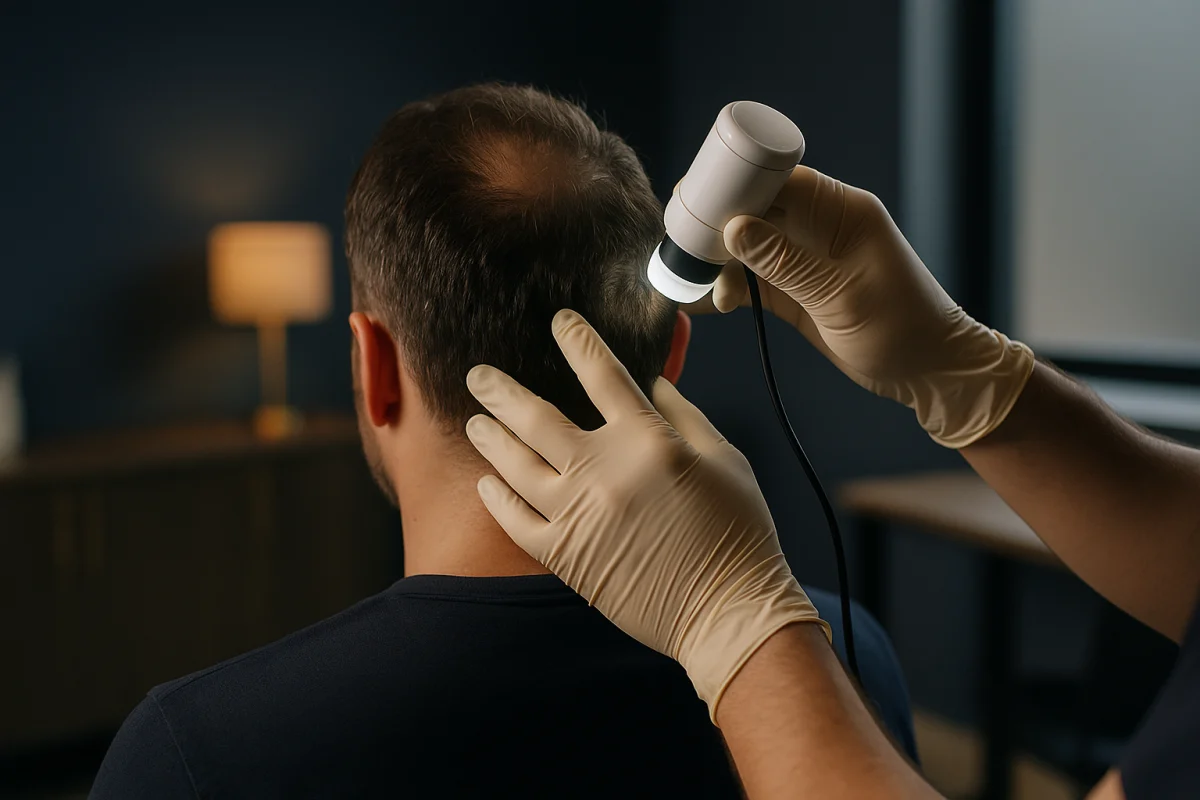
A clinician may ask when shedding started, how quickly it changed, whether it is diffuse or patterned, and whether there were recent health events. They may also review medications, menstrual history where relevant, family history, and food intake. If clinically indicated, they can arrange blood tests to investigate possible nutrient deficiencies or medical conditions rather than relying on supplements without evidence.】【”】【},{
h2
How much protein is generally appropriate for hair health
paragraphs 】【:】【“】【Protein needs vary with body size, age, activity level, health status, pregnancy, recovery from illness, and overall energy intake. As a broad reference point, the usual recommended dietary allowance for healthy adults is around 0.8 grams of protein per kilogram of body weight each day. Some people may need a different amount, so individual targets should be confirmed with a qualified healthcare professional or dietitian.
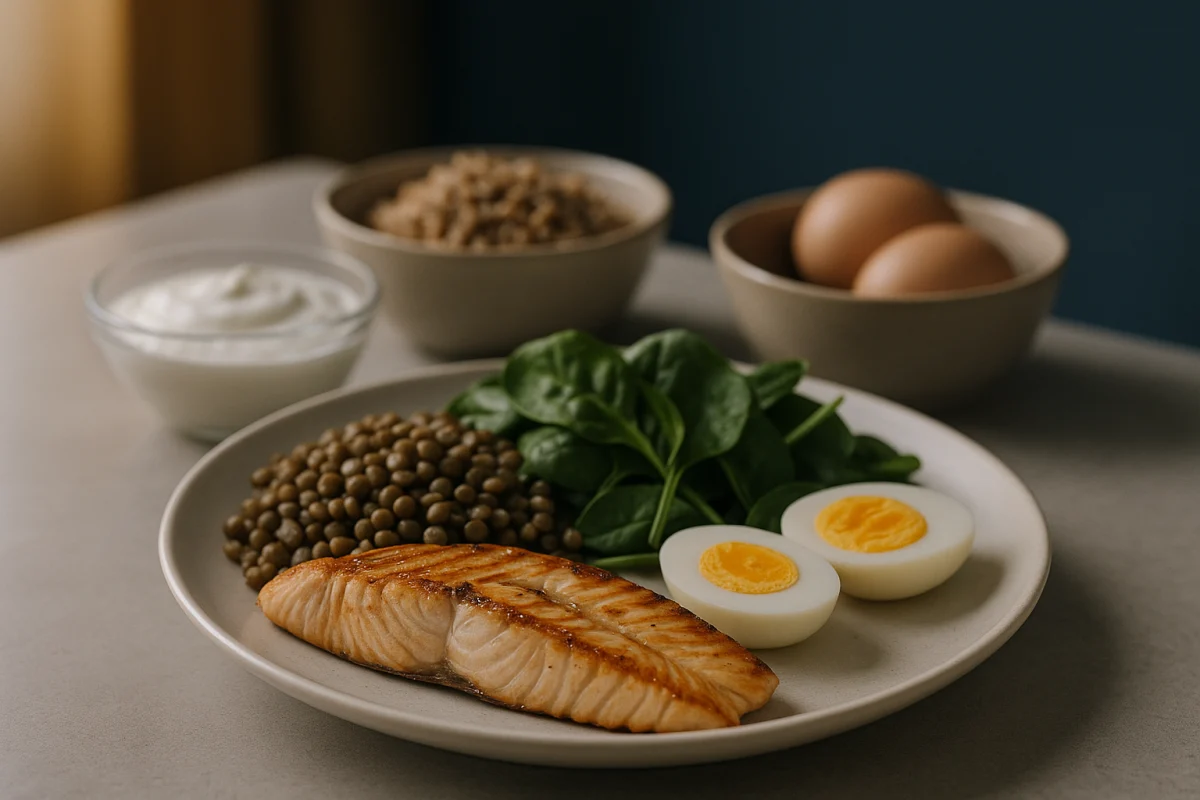
Rather than focusing on a single large serving, many people find it practical to include a protein-containing food at regular meals. Options can include eggs, fish, poultry, meat, dairy foods, soy products, lentils, beans, chickpeas, nuts, seeds, and whole grains. Vegetarian and vegan diets can support adequate protein intake when they are well planned, with attention to variety and overall calorie intake.
The relationship between protein and hair thinning is not simply solved by eating more protein than the body needs. Excessive protein intake, high-dose powders, or restrictive high-protein diets may not be appropriate for everyone, especially people with certain kidney, liver, or metabolic conditions. A balanced eating pattern with enough calories, fibre, healthy fats, and micronutrient-rich foods is generally more helpful than an extreme approach.
If appetite has been poor or eating has been difficult, a doctor or dietitian can help identify a manageable plan. This is particularly important before an elective procedure, when stable nutrition and hydration can support normal recovery. Do not start nutritional supplements shortly before surgery without informing your medical team, as some products may affect preparation or interact with medicines.
02The big three factors often discussed in thinning hair
When people ask about the “big three” for thinning hair, they may mean the three broad areas that should be considered: inherited or hormonal hair loss, medical or nutritional contributors, and hair or scalp conditions. These categories can overlap. For example, a person may have early pattern hair loss and also experience temporary shedding after a stressful illness or a restrictive diet.
Inherited and hormone-related thinning is common and can affect all genders. It typically develops gradually and may continue without treatment. A hair transplant may be an option for selected patients with stable enough loss and adequate donor hair, but the decision should follow a proper consultation and long-term plan because surrounding native hair can continue to thin.
The second and third areas include health factors and local scalp or hair-shaft problems. Iron status, thyroid disease, nutritional intake, medication changes, inflammation, dandruff-like scalp disorders, tight hairstyles, bleaching, and heat damage may all be relevant in different situations. A doctor can distinguish shedding from breakage and assess whether a dermatology review is needed before a transplant is considered.
03Vitamins, minerals, and supplements: what to check carefully
No single vitamin is responsible for every case of hair fall. Nutrients that may be evaluated when symptoms and history suggest a concern include iron, vitamin D, vitamin B12, folate, zinc, and others depending on the individual situation. Low levels can be associated with hair changes in some patients, but testing and interpretation should be guided by a clinician.
Biotin is widely marketed for hair, yet biotin deficiency is uncommon in people who eat a varied diet. Taking high-dose biotin without medical advice is not a simple solution for shedding and can interfere with certain laboratory test results. Tell your doctor about all vitamins, powders, herbal products, and over-the-counter supplements you use, particularly when planning surgery or blood tests.
If a confirmed deficiency is found, treatment usually focuses on correcting the cause as well as restoring the nutrient level. This may include dietary changes, targeted supplementation, or investigation of absorption, blood loss, or another health condition. Improvement in hair shedding, when it occurs, is often gradual because the hair cycle takes time to respond.
04Preparing your diet and expectations before hair restoration
A sensible pre-transplant plan usually starts with stable eating habits rather than a short-term “hair diet.” Include regular meals, sufficient fluids, and a range of protein sources, vegetables, fruits, whole grains, and healthy fats. Avoid crash dieting or major attempts to lose weight immediately before a planned procedure unless this is medically supervised.
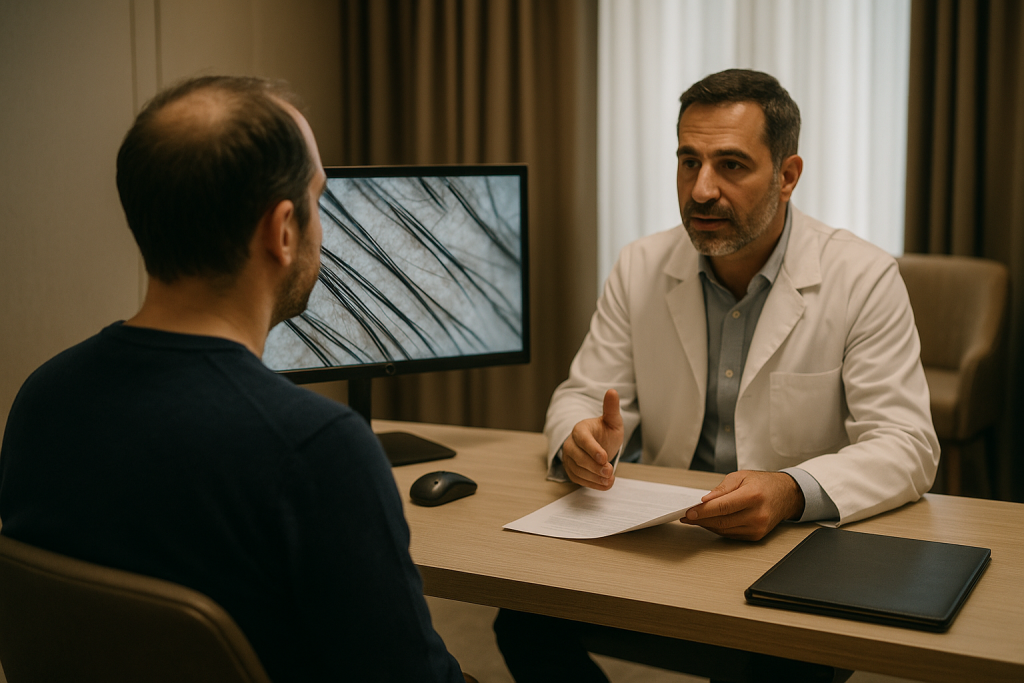
During the consultation process, explain if you have had recent hair shedding, rapid weight loss, bariatric surgery, digestive disease, food restrictions, or known anaemia. These details can help the doctor determine whether further assessment is needed. In some cases, it may be better to address active shedding or an underlying health issue first, before finalising a surgical plan.
At Acibadem Hair Transplant Center in Istanbul, patients can begin with a free online hair analysis reviewed by doctors. The assessment considers photographs and the information you provide, but an in-person clinical evaluation and medical history remain important for confirming suitability. Our team can also explain Sapphire FUE and DHI options, while your doctor confirms the technique and preparation appropriate for your case.
05When to seek medical advice before booking a transplant
Seek medical assessment if hair loss is sudden, patchy, painful, associated with scalp redness or scaling, or accompanied by symptoms such as marked fatigue, unexplained weight change, or changes in general health. These signs do not automatically indicate a serious condition, but they should not be managed by supplements or a transplant consultation alone.
It is also wise to speak with a doctor if hair shedding began after a major illness, surgery, childbirth, a medication change, or a period of significant dietary restriction. Identifying the timing and possible trigger may help clarify whether shedding is temporary, whether it is occurring alongside pattern loss, and whether treatment should be directed at the underlying cause first.
A hair transplant is a medical procedure and works best when expectations are realistic and the wider hair-loss picture has been assessed. Acibadem Hair Transplant Center is a dedicated hair restoration clinic in Istanbul licensed by the Turkish Ministry of Health. Patients considering treatment can use the free online hair analysis and receive a WhatsApp response in approximately two hours, after which doctors can advise on the next appropriate steps.
06Frequently Asked Questions
What are the three main areas to consider with thinning hair?
The three broad areas are inherited or hormonal pattern hair loss, medical or nutritional factors that may trigger shedding, and scalp or hair-shaft conditions such as inflammation or breakage. More than one factor can be present at the same time. A doctor can assess the pattern and decide whether testing or specialist review is appropriate.
Which vitamin deficiency can cause hair to fall out?
There is no single vitamin deficiency that explains all hair loss. Depending on symptoms and medical history, a clinician may consider vitamin D, vitamin B12, folate, iron status, zinc, or other factors. Testing is usually more useful than choosing a supplement based on hair shedding alone.
How can I tell whether my hair loss is related to low protein?
You cannot confirm low protein intake simply by looking at your hair. Diffuse shedding alongside restrictive eating, rapid weight loss, poor appetite, illness, or signs of undernutrition may justify a medical and dietary review. Your doctor can assess other common causes and arrange tests if they are clinically needed.
How much protein should I eat to prevent hair shedding?
For healthy adults, the general recommended dietary allowance is around 0.8 grams of protein per kilogram of body weight per day, but needs vary. Eating enough total calories and a varied diet is also important for hair health. A doctor or registered dietitian can provide an individual recommendation, especially if you have a medical condition, follow a restricted diet, or are preparing for surgery.
Dieser Artikel dient nur der allgemeinen Information und ersetzt keine professionelle medizinische Beratung.
 06
06 12
12