In diesem Artikel9
- Überblick
- What Pumpkin Seed Oil May Do for the Scalp and Hair
- Pumpkin Seed Oil for Hair Growth Before and After: How to Read Results
- Topical Use and Oral Supplements Are Not the Same
- How to Prepare Your Scalp Before a Hair Transplant
- When Thinning Hair Needs More Than an Oil
- Creating Realistic Before-and-After Records at Home
- Planning Hair Restoration With Professional Guidance
- Frequently Asked Questions
Pumpkin seed oil may support scalp comfort and hair quality for some people, but it is not a proven replacement for medical treatment or hair transplantation. When reviewing pumpkin seed oil for hair growth before and after results, expect subtle and gradual changes at most, especially if hair loss has an underlying medical or genetic cause.
- Pumpkin seed oil may be a supportive part of a hair-care routine, but it cannot reliably reverse advanced hair loss.
- Topical oil can condition the scalp and hair shaft, while oral supplements may carry different safety considerations.
- Before a hair transplant, it is important to tell your doctor about every oil, supplement and medication you use.
- Consistent photos, a scalp assessment and realistic goals are more useful than isolated online before-and-after images.
- A qualified doctor can help identify whether shedding, pattern hair loss, scalp inflammation or another condition is affecting your hair.
01Pumpkin Seed Oil for Hair Growth: Expectations Before Transplant
Interest in pumpkin seed oil for hair growth before and after hair transplantation is understandable. Many people look for a gentle, natural option when they first notice thinning, wider part lines, recession or increased shedding. Pumpkin seed oil is commonly used on the scalp, added to hair masks or taken as a supplement. It contains fatty acids and plant compounds that may support the appearance and feel of hair. However, it should be viewed as a supportive cosmetic or wellness measure rather than a confirmed solution for every form of hair loss.
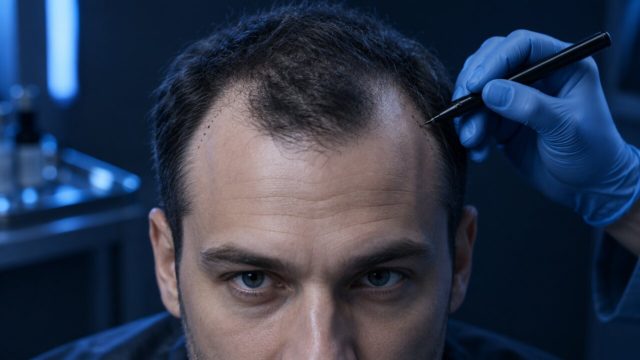
Before considering a transplant, the most important question is why your hair is thinning. Genetic pattern hair loss, temporary shedding after stress, iron deficiency, hormonal changes, scalp conditions, traction and some medications can all affect density. These causes do not respond in the same way. An oil may make dry hair look smoother or reduce the feeling of scalp dryness, but it cannot create new follicles in areas where follicles have permanently miniaturised or disappeared.
For patients planning hair restoration, expectations matter as much as the product itself. A transplant consultation usually focuses on hair-loss pattern, donor-area quality, scalp health, family history and long-term preservation of existing hair. Using a scalp oil does not normally prevent an assessment, but your doctor should know about it. This helps the team give appropriate instructions before a procedure and recognise any irritation, allergy or product buildup that may affect the scalp.
02What Pumpkin Seed Oil May Do for the Scalp and Hair
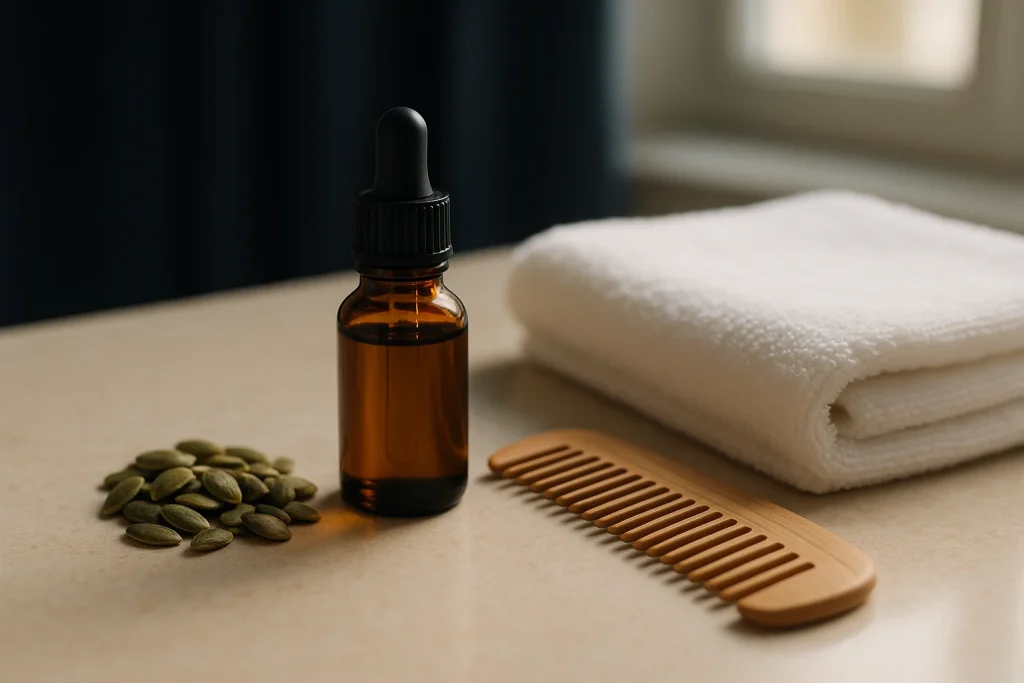
Pumpkin seed oil contains unsaturated fatty acids, antioxidants and plant sterols. When applied externally in a suitable formulation, it may help soften the hair shaft and reduce the dry, rough feeling that can make hair appear dull or fragile. Some people also find that a light oil massage feels calming on a dry scalp. These cosmetic benefits can improve the immediate appearance of hair, particularly in lengths that are dry or exposed to frequent heat styling.
There is scientific interest in whether plant compounds in pumpkin seed oil could influence pathways involved in pattern hair loss. However, the available evidence is limited and does not mean that every person will see visible regrowth. Hair growth is slow, and changes can be difficult to judge without standardised photographs taken under the same lighting, angle and hairstyle. Online claims often do not account for natural shedding cycles, changes in styling or the use of several treatments at the same time.
It is also useful to separate healthier-looking hair from increased follicle density. A conditioning oil can reduce frizz, add shine and make individual hairs appear more defined. This may make a thinning area look slightly fuller in certain light. It is not the same as restoring lost density. If you have progressive thinning, a medical assessment can clarify whether monitoring, medical treatment, lifestyle changes or a future transplant plan may be more appropriate.
03Pumpkin Seed Oil for Hair Growth Before and After: How to Read Results
When looking at pumpkin seed oil for hair growth before and after photographs, check whether the images are truly comparable. The same hair length, wash schedule, lighting, camera distance, parting and styling products can significantly change how much scalp is visible. Wet hair, bright overhead lighting and a freshly widened part can make thinning appear more pronounced. Conversely, hair fibres, blow-drying and darker lighting may create an impression of increased density.
A meaningful hair-growth comparison usually takes several months, not a few days or weeks. Hair grows in cycles, and a period of reduced shedding may be mistaken for new growth. Small hairs along the hairline can also be broken hairs or naturally finer hairs rather than newly activated follicles. A doctor may use scalp examination and trichoscopic assessment to look more closely at hair calibre, follicle distribution and signs of inflammation.
In most patients, an oil alone should not be expected to fill clearly bald areas, rebuild a deeply receded hairline or replace the coverage provided by a transplant. It may still have a place in a broader routine if it suits your scalp and does not interfere with prescribed care. The best approach is to define a realistic goal first: better hair condition, reduced dryness, stabilisation of ongoing loss, or restoration of density in a selected area.
04Topical Use and Oral Supplements Are Not the Same
Topical pumpkin seed oil is placed on the scalp or hair, often diluted in a carrier oil or included in a cosmetic product. A small amount is generally easier to wash out and less likely to leave heavy residue. Applying too much oil can make fine hair look flatter and may lead to product buildup. If you choose to try it, use a simple routine and stop if you notice itching, burning, redness, flaking or worsening scalp discomfort.
Oral pumpkin seed oil supplements are different from topical products because they enter the body and may interact with individual health conditions or medicines. Product quality, dose and ingredients can vary. For this reason, it is sensible to speak with a doctor or pharmacist before starting a supplement, particularly if you are pregnant, breastfeeding, have a chronic health condition, have an upcoming procedure or take regular medication.
People searching for pumpkin seed oil for hair growth before and after advice may see oral and topical results discussed as though they are interchangeable. They are not. A scalp massage with oil and a daily capsule have different potential benefits, limitations and safety considerations. Do not assume that a topical product is automatically safe to ingest, and do not use a supplement as a substitute for investigating sudden or significant hair loss.
05How to Prepare Your Scalp Before a Hair Transplant
A clean, calm scalp is generally the goal before hair transplantation. If you are considering a procedure, avoid introducing several new oils, serums or supplements at once. This makes it harder to identify the cause if irritation develops. During your consultation, share a full list of products you apply to the scalp and everything you take by mouth, including herbal products, vitamins and oils.
Your clinical team will provide specific pre-procedure instructions based on your health history and planned technique. These instructions may include when to wash your hair, which styling products to avoid, and whether any supplements should be paused. Do not stop prescribed medication without advice from the clinician who manages it. Your doctor will confirm which products are suitable and when to stop or restart them.
Pumpkin seed oil should not be used to cover active scalp problems before a procedure. Persistent dandruff, crusting, painful bumps, marked itching, psoriasis-like plaques or signs of infection should be assessed first. Treating scalp inflammation before transplantation may help create a better environment for the procedure and recovery. A consultation is also the right time to discuss whether your current shedding needs monitoring before surgery is planned.
06When Thinning Hair Needs More Than an Oil
Hair loss can be emotionally difficult, and trying an accessible home remedy is a common first step. Still, certain changes deserve timely medical attention. These include sudden diffuse shedding, circular bald patches, loss of eyebrows or body hair, scalp pain, scarring, discharge, or hair loss that follows illness, rapid weight change or a new medication. An oil cannot diagnose these causes.
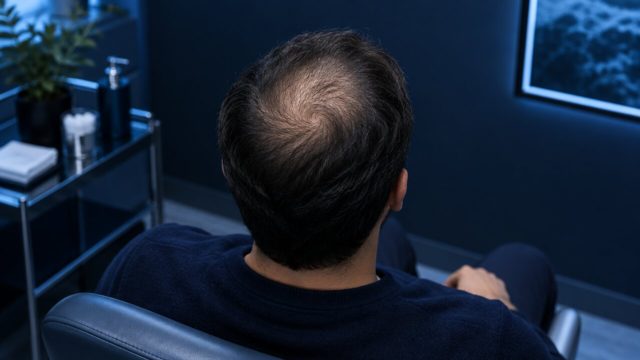
Genetic pattern hair loss usually develops gradually. In men, it may appear as temple recession, a thinning crown or both. In women, it may be noticed as a widening central part, reduced ponytail volume or more visible scalp around the crown. Because existing hairs can become progressively finer, early assessment may be useful even when a transplant is not currently needed. Preserving native hair is an important part of long-term planning.
A doctor may ask about your family history, general health, diet, stress, menstrual or hormonal history where relevant, and previous hair treatments. Examination may reveal whether hairs are miniaturising or whether there are signs of a scalp condition. This information is much more reliable than choosing a treatment solely because it appears in a social media transformation. It also helps set a safe timeline if you may wish to explore transplantation later.

07Creating Realistic Before-and-After Records at Home
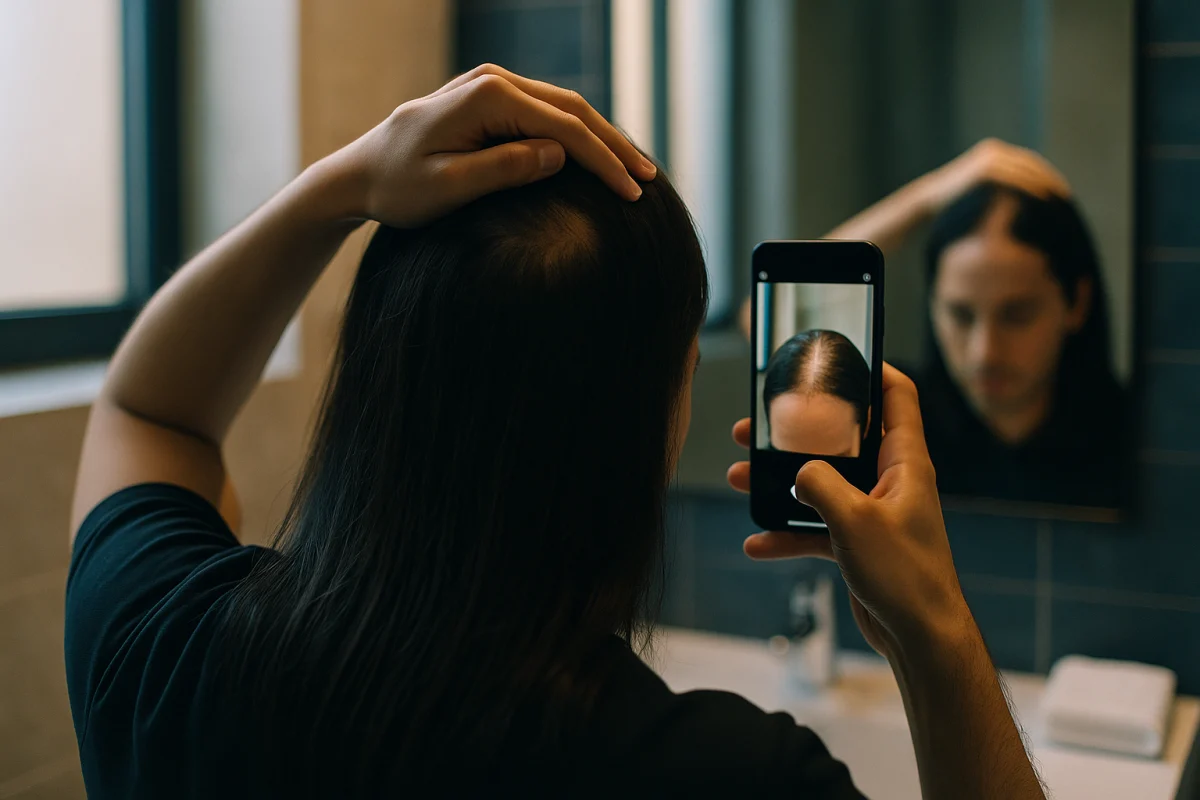
If you want to evaluate a new routine, take clear photographs before you begin and repeat them at regular intervals. Use daylight or the same indoor light, keep the camera at a similar distance, and photograph the hairline, temples, part line, crown and donor area if relevant. Keep your hair clean and dry, without fibres, sprays or heavy oil. This method is more useful than relying on memory from day to day.
For a fair pumpkin seed oil for hair growth before and after review, keep other major hair changes stable where possible. Changing shampoo, starting supplements, colouring hair, reducing heat styling and improving nutrition at the same time can make it impossible to know what influenced the result. Record shedding, scalp symptoms and any breakage, but remember that a small amount of daily shedding is normal.
Photographs can support a consultation, but they do not replace clinical examination. A specialist may identify details that are not obvious in phone images, such as changes in hair shaft thickness or early donor-area thinning. If you are thinking about a transplant, bring your records to the consultation. They may help you and the doctor discuss whether your hair loss is stable enough for planning and what outcome is realistically achievable.
08Planning Hair Restoration With Professional Guidance
A hair transplant redistributes healthy follicles from a donor area to thinning or bald areas; it does not stop future loss in untreated native hair. For this reason, the decision should be based on a long-term design rather than a short-term wish for instant density. Your doctor will assess whether you are a suitable candidate, how much donor hair is available and whether medical management or observation should come before surgery.
At Acibadem Hair Transplant Center in Istanbul, patients can request a free online hair analysis reviewed by doctors, with WhatsApp replies typically available within around two hours. The clinic is licensed by the Turkish Ministry of Health and offers Sapphire FUE and DHI techniques. A remote review can provide initial guidance, while the final suitability assessment and treatment plan require proper clinical evaluation.
For patients who proceed with treatment, the clinic provides all-inclusive packages with VIP transfer, a 4-star hotel, a care kit and 12 months of follow-up. Needle-free anaesthesia is also available. Results are measured by trichoscopic graft survival at month 12, with a documented 98% rate under written guarantee. Individual cosmetic outcomes, density and recovery experience can still vary according to scalp characteristics, donor supply, healing and aftercare adherence.
09Frequently Asked Questions
Can pumpkin seed oil actually encourage hair growth?
Pumpkin seed oil may support hair and scalp condition, and there is limited interest in its possible role in hair-growth pathways. However, it is not a proven cure for all types of hair loss and should not be expected to restore advanced thinning or bald areas on its own.
Which oil makes hair grow fastest?
No hair oil has been clinically confirmed to make everyone’s hair grow quickly. Oils can improve softness, reduce dryness and support a comfortable scalp, but the rate of growth and density depend mainly on follicle health and the cause of hair loss.
Is pumpkin seed oil generally safe for hair use?
Topical use is generally tolerated by many people, but irritation or allergy is possible. Patch testing is sensible, and you should stop use if you develop redness, itching, burning or a rash; oral supplements should be discussed with a doctor or pharmacist if you have health conditions or take medication.
What do users commonly report about pumpkin seed oil for hair?
People commonly describe softer, shinier hair and a scalp that feels less dry, while some report less breakage or shedding. Experiences vary greatly, and personal reviews cannot confirm true regrowth because lighting, styling, other treatments and normal hair cycles can affect results.
Dieser Artikel dient nur der allgemeinen Information und ersetzt keine professionelle medizinische Beratung.
Dieser Ratgeber dient der allgemeinen Information und ersetzt keine ärztliche Beratung. Behandlungsentscheidungen werden nach einer persönlichen oder Online-Untersuchung durch einen Arzt getroffen.