
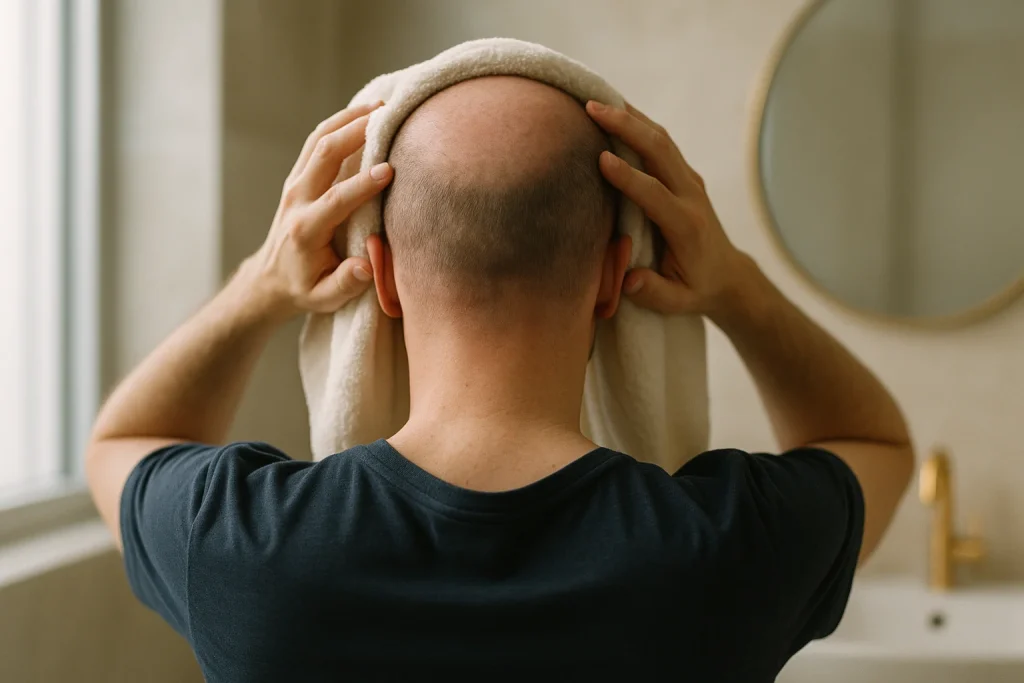
Apple cider vinegar for dry scalp is usually not recommended during the early period after a hair transplant because its acidity may sting, dry the skin further, or irritate healing graft areas. Follow your clinic’s washing plan instead, and ask your doctor before using any home remedy on the scalp.
- Dryness, flaking, and mild itching can be part of normal scalp healing after a hair transplant.
- Apple cider vinegar can be irritating on sensitive, broken, or recently transplanted skin.
- New grafts need gentle cleansing and should not be rubbed, scratched, or exposed to unapproved products.
- A clinic-approved shampoo, careful washing, and avoiding scratching are usually safer than home remedies.
- Contact your medical team if redness, pain, swelling, discharge, or worsening itching develops.
01Apple Cider Vinegar for Dry Scalp After Hair Transplant
Apple cider vinegar for dry scalp may sound like a simple natural solution, but it is not usually a suitable choice soon after a hair transplant. The scalp has tiny healing sites where grafts were placed and where donor hairs were removed. Even when the surface looks better, the skin barrier can still be sensitive. An acidic liquid may cause burning, redness, or additional dryness, especially if it reaches healing areas before your doctor has cleared the scalp for normal products.
Dryness and light flaking are common during recovery. They can happen because the scalp has been cleaned differently, because crusts are forming and shedding, or because the skin is repairing itself. These changes do not automatically mean that the grafts are failing or that the follicles are blocked. In most patients, careful washing and time are more helpful than adding strong home treatments.
The best approach is to follow the aftercare instructions provided by your hair transplant clinic. This normally includes a recommended washing method, a gentle shampoo or lotion if advised, and clear guidance about when regular scalp care can restart. If dryness feels uncomfortable, your doctor can confirm whether a specific soothing product is appropriate for your stage of healing.
02Why the scalp can feel dry after graft placement
A hair transplant creates many small, controlled wounds in the recipient area and usually in the donor area as well. During the first days, the body begins to repair these sites. Crusting, tightness, mild itching, and a dry feeling can occur as part of this process. The exact timing and degree of dryness vary between patients, depending on skin type, the technique used, climate, and how the scalp responds to healing.
Washing instructions can also temporarily change the way the scalp feels. Patients are generally asked to wash carefully and avoid direct pressure, rubbing, very hot water, and vigorous towel drying. While this protects the new grafts, it may make the scalp feel different from a normal hair-washing routine. Using extra products without approval can disturb this carefully planned recovery process.
Environmental factors may add to discomfort. Indoor heating, air conditioning, sun exposure, sweating, dust, and dry weather can all affect the scalp. A hat may be advised at certain stages when outdoors, but it should only be worn according to your clinic’s instructions. It is also important not to scratch flakes or crusts, as this can irritate the skin and may affect fragile grafts early in recovery.
03When newly transplanted grafts need the most protection
The earliest recovery period is when protection matters most. New grafts are delicate before they become established in the recipient skin. For this reason, patients are normally advised not to touch the transplant area unnecessarily and not to apply oils, acids, exfoliants, styling products, or herbal mixtures unless the clinic has specifically approved them. A product that was harmless before surgery may not be suitable for a healing scalp.
The first wash is often performed or explained by the clinic, followed by a careful home routine. This routine is designed to soften crusting gradually rather than remove it forcefully. It may feel slower than using a scrub or a strong rinse, but gentle care supports normal healing. Your doctor will confirm when you can return to your usual shampoo, hair products, exercise habits, and sun exposure routine.
Sapphire FUE and DHI are both hair restoration techniques that require thoughtful aftercare. Although the method may influence details of your plan, the general principle remains the same: protect the recipient area while the skin heals. Do not assume that a remedy recommended online is safe for every technique or every stage. Your treating team knows the details of your procedure and can give the most relevant guidance.
04How to consider apple cider vinegar for dry scalp safely
Apple cider vinegar for dry scalp is often discussed because vinegar is acidic and some people believe it can remove product buildup or balance the scalp. However, a recently transplanted scalp is not the same as an unaffected scalp with cosmetic buildup. It may have healing micro-wounds, temporary inflammation, and increased sensitivity. These factors make an acidic rinse more likely to feel uncomfortable or cause irritation.
Using undiluted vinegar is particularly risky on sensitive skin. It can sting and, in some cases, contribute to irritation or a contact reaction. Diluting a product may reduce its strength, but dilution does not automatically make it suitable after surgery. It is still important to wait for medical clearance rather than testing a mixture on the recipient or donor area during recovery.
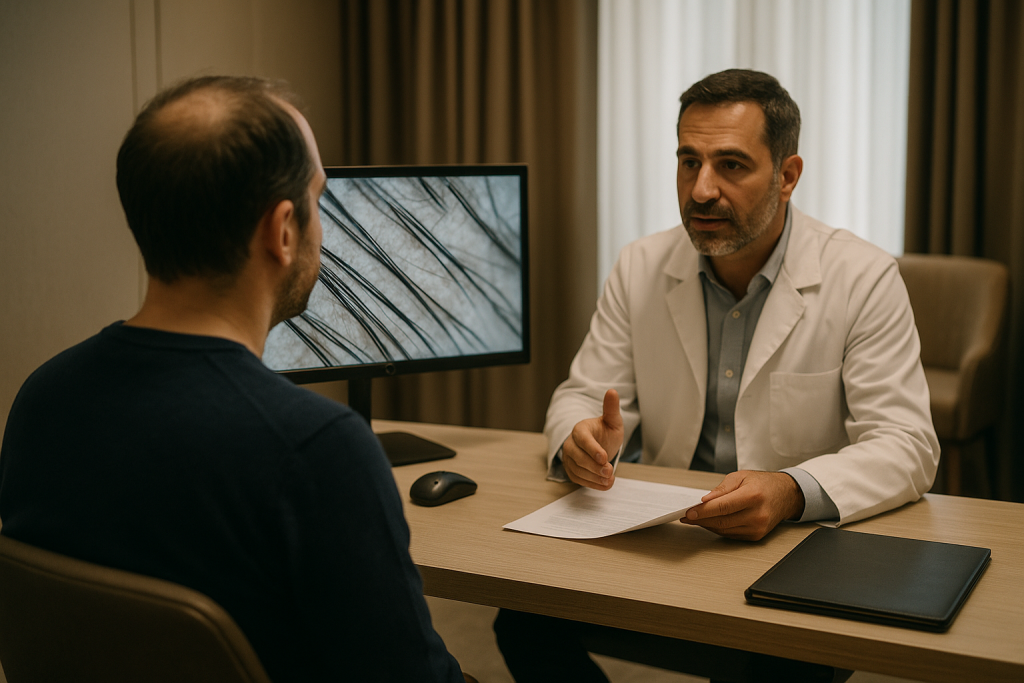
At a later stage, some patients may ask about restarting personal scalp-care products. The right time depends on how the skin has healed and whether there are ongoing concerns such as redness, dermatitis, or persistent flaking. Your doctor can assess this during follow-up and advise whether a product should be avoided, introduced carefully, or replaced with a gentler option.
05Possible downsides of vinegar on healing scalp skin
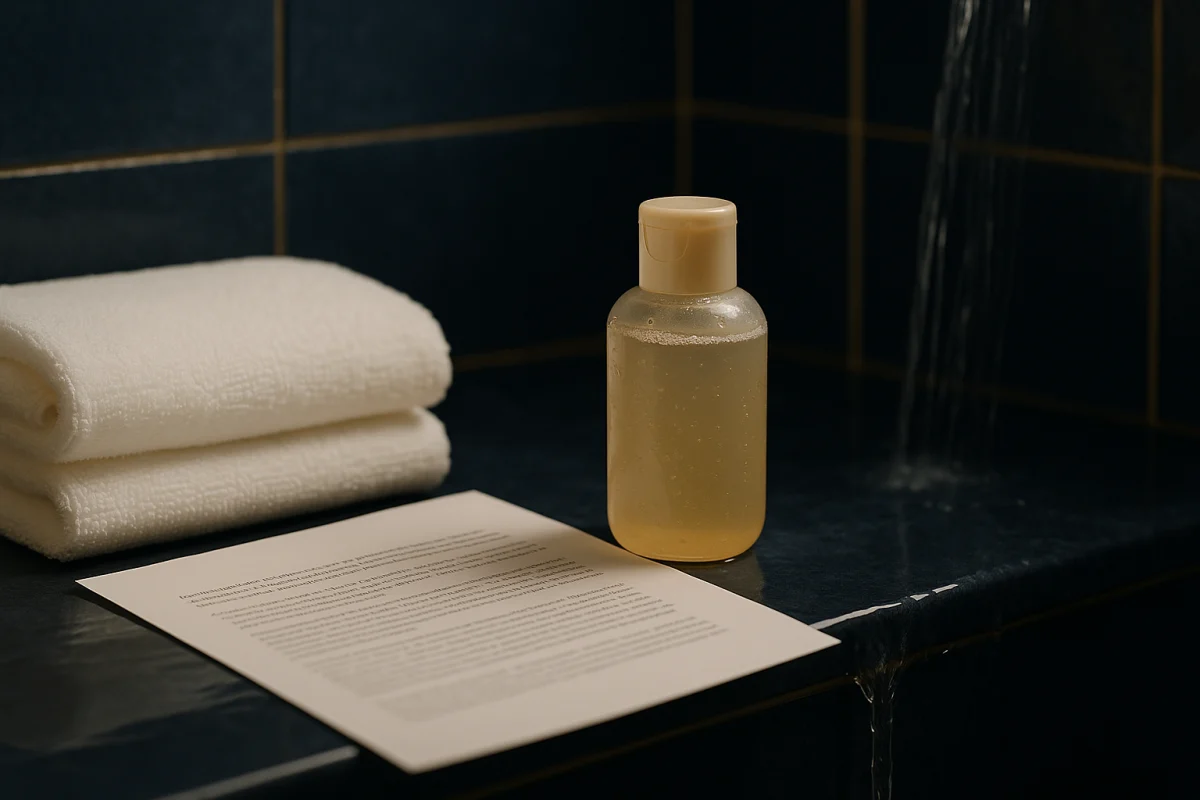
The main concern with vinegar after a hair transplant is irritation. Its acidic nature may trigger stinging, burning, redness, or itching when the skin barrier is still recovering. If the scalp is already dry, an irritating rinse may make the feeling of tightness worse rather than improve it. A strong smell can also make it difficult to judge whether the scalp has developed an unusual odor that needs medical review.
Vinegar may also create a false sense that the scalp needs deep cleansing. Flakes after surgery are frequently related to normal healing and should not be treated like ordinary dandruff or heavy product residue. Trying to dissolve, lift, or scrub off crusts too early can lead to unnecessary trauma. The goal during recovery is not to make the scalp look instantly clear; it is to allow crusts and dryness to settle safely over time.
Some people have sensitive skin conditions, allergies, seborrheic dermatitis, eczema, or a history of reactions to cosmetic products. These issues can make self-treatment less predictable. If you notice increasing redness, marked tenderness, a rash, oozing, or swelling after using any product, stop using it and contact your clinic. Do not try to correct a reaction by applying additional home remedies.
06Gentle ways to relieve dryness without home acids
For most patients, the fastest safe way to improve dry scalp discomfort is to follow the recommended wash routine consistently. Use the water temperature and washing technique advised by your clinic. Avoid nails, massage pressure, and strong shower spray on the recipient area until you have been told it is safe. Gentle washing helps keep the scalp clean while allowing crusts to soften and release naturally.
Hydration, rest, and avoiding irritants can also support comfortable recovery. Drink water as part of your normal daily routine, avoid smoking if applicable, and protect the scalp from direct sun as instructed. Do not use hair dye, sprays, dry shampoo, scalp scrubs, essential oils, or anti-dandruff treatments without approval. Even products described as gentle or natural can contain ingredients that are unsuitable for healing skin.
Apple cider vinegar for dry scalp is not a substitute for a clinic-approved recovery plan. If dryness continues, a medical professional may recommend a specific moisturizer, lotion, or medicated treatment only after assessing the scalp. This is safer than choosing a product based on another person’s experience, because the cause of dryness may not be the same in every patient.
07How to tell normal flaking from a problem that needs review
Mild dryness, small flakes, and itching that gradually improves can be expected during recovery. Crusts may appear around the implanted hairs and then shed over the period explained in your aftercare plan. Some temporary shedding of transplanted hair shafts can also occur later as part of the normal growth cycle. These changes can be worrying, but they do not always indicate a problem with the grafts.
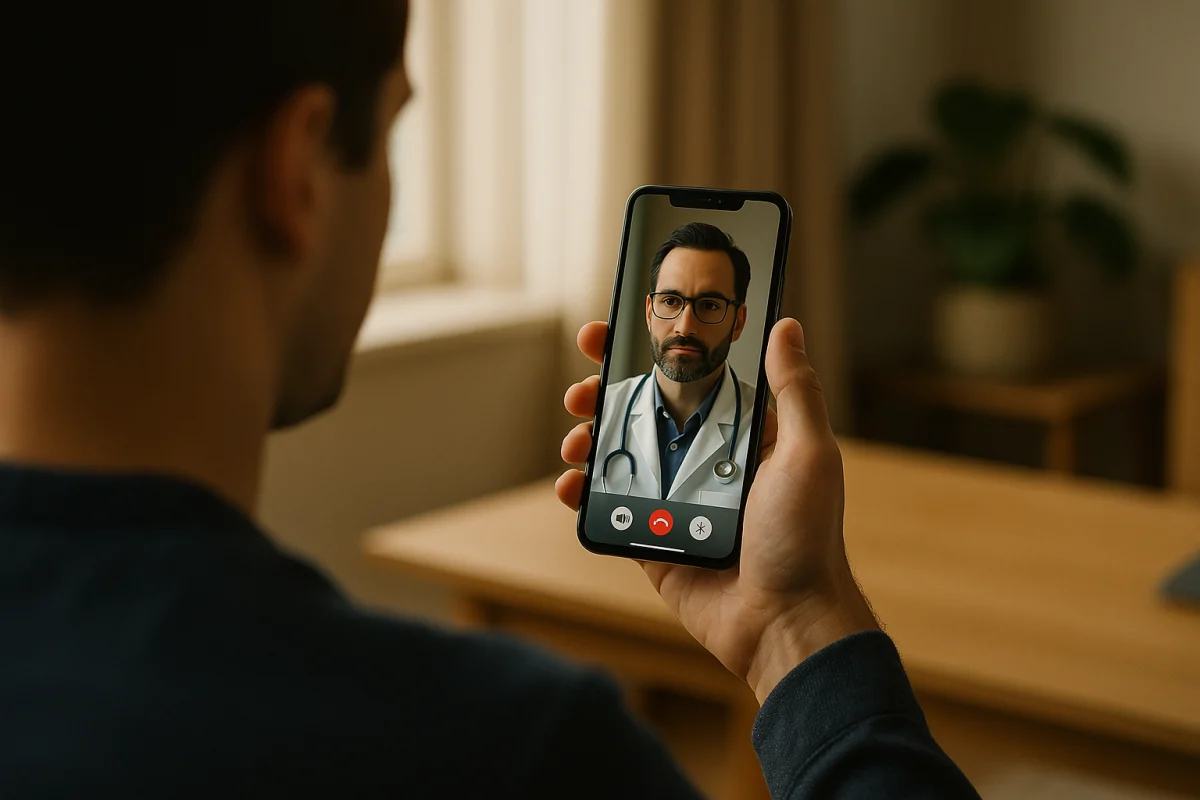
You should contact your medical team if symptoms are worsening rather than improving. Important signs include increasing pain, spreading redness, warmth, significant swelling, pus-like discharge, bleeding that does not settle, fever, or a strong unpleasant smell from the scalp. Severe itching or a widespread rash should also be assessed, especially if it begins after using a new product.
Taking clear photographs in good light can help your clinic understand what you are seeing, particularly if you are recovering at home. Avoid repeatedly touching the area to inspect it closely. A dedicated hair restoration clinic can guide you through normal recovery milestones and explain whether your symptoms require an in-person examination or a change in aftercare.
08Follow-up support after a hair transplant in Istanbul
A clear aftercare plan is an important part of hair transplant recovery, not an extra detail. At Acibadem Hair Transplant Center in Istanbul, patients receive guidance for the healing period and follow-up support for 12 months as part of all-inclusive packages. The clinic is licensed by the Turkish Ministry of Health and provides Sapphire FUE and DHI procedures, with needle-free anaesthesia available for eligible patients.
Patients should keep their follow-up instructions available and ask before introducing new scalp products. This includes vinegar rinses, oils, masks, exfoliating products, medicated shampoos, and supplements marketed for hair health. A free online hair analysis can be reviewed by doctors before treatment planning, and the team typically replies on WhatsApp within around two hours for general coordination and support questions.
Hair restoration results develop gradually, and the recovery period requires patience. Acibadem Hair Transplant Center measures results through trichoscopic graft survival at month 12 and documents a 98% rate under a written guarantee. Individual healing and cosmetic outcomes can still vary, so your doctor will explain realistic expectations, the recovery timeline, and the care steps that are most appropriate for you.
09A practical recovery timeline for dry scalp and crusts
Dryness can change from one recovery stage to another, so it helps to know what the scalp may need at each point. During the first 24 to 72 hours, the priority is usually protection rather than treating dryness. The recipient area should be kept free from unnecessary contact, and patients should use only the spray, lotion, or washing steps provided by their clinic. Do not apply apple cider vinegar, scalp serum, or a moisturising product simply because the skin feels tight.
Over the following days, small crusts and fine flaking may become more visible. This can make the scalp look drier before it looks better. Your clinic may instruct you to begin a gentle wash routine at a specific time and show you how to apply any recommended foam or shampoo without rubbing. Follow that individual schedule carefully. Trying to remove flakes early with fingernails, a comb, a towel, or an acidic rinse can irritate the healing surface.
By the end of the early healing phase, crusts commonly begin to release with the approved washing routine. The skin may still feel sensitive, particularly in dry weather or after time in air-conditioned rooms. This is not necessarily the right time to restart every product you used before surgery. Your doctor will confirm when normal shampooing, hair styling products, hats, and more active scalp treatments can be introduced again.
In the weeks that follow, the scalp often becomes more comfortable, although some patients can experience temporary shedding of transplanted hair shafts. This is a recognised part of the growth cycle and is different from using a product that causes irritation. If dryness suddenly becomes worse after you start a new shampoo, oil, or home remedy, stop the product and ask your medical team for guidance rather than continuing to test it.
10Travel and hotel tips that can reduce scalp irritation
For international patients, recovery starts before the journey home. Pack the clinic-approved aftercare items in a place that is easy to reach, along with written instructions and your clinic contact details. If you are travelling by air, keep the scalp away from unnecessary contact with seat headrests, blankets, tight hoods, or other surfaces that may create friction. If you need to rest, use the sleeping position advised by your surgical team rather than placing pressure on the recipient area.
Cabin air, hotel air conditioning, and changes in climate can make skin feel dry. This does not mean that the scalp needs a strong rinse or extra cleansing. Keep the room at a comfortable temperature where possible, drink fluids as part of your usual routine, and use only the products included in or approved for your aftercare plan. Avoid experimenting with a hotel shampoo, conditioner, body lotion, or travel-size cosmetic product on the scalp.
When travelling outdoors in Istanbul or after returning home, follow the clinic’s advice on sun protection and head coverings. A cap or hat may be appropriate only after the stage confirmed by your team, and it should fit loosely enough to avoid pressure or rubbing. Do not use sunscreen directly on the recipient area unless your doctor has told you it is safe. The donor area may also need protection, even if it appears to have healed more quickly.
At Acibadem Hair Transplant Center, all-inclusive packages include VIP transfer, a 4-star hotel, a care kit, and 12 months of follow-up. Before departure, patients can use the transfer and accommodation arrangements to focus on rest and receive clarification about their first washing steps. Keep any concerns for follow-up, including photographs taken in clear light, so the team can review changes after you return home.
11Who should be especially careful with post-transplant scalp dryness
Some patients may be more likely to have prolonged dryness or a stronger reaction to home remedies. This can include people with a history of eczema, seborrheic dermatitis, psoriasis, contact allergies, or reactions to hair dye and fragranced cosmetics. A dry, flaky scalp before surgery may have more than one cause, and it should not automatically be treated as simple dandruff after surgery. Tell your doctor about any previous scalp condition and bring details of regular treatments to your consultation.
Patients who use prescription creams, medicated shampoos, topical hair treatments, or oral medicines should also ask when and whether these can be restarted. Stopping or restarting a prescribed treatment without medical advice may not be appropriate. Likewise, a product that helped a scalp condition before surgery may be too active for the recipient area while it is healing. Your doctor can balance the need to protect grafts with the need to manage an existing skin concern.
Sensitivity can also develop unexpectedly after a procedure. For example, itching that is mild and gradually settles may fit normal healing, while burning soon after a newly introduced product may suggest irritation. Pay attention to the pattern rather than relying only on how the scalp looks. Note when the symptom began, which product was used, and whether redness, rash, swelling, or discharge is present. This information can help your clinic give safer follow-up advice.
A free online hair analysis at Acibadem Hair Transplant Center can be reviewed by doctors before treatment planning. It is useful to mention scalp dryness, flaking, allergies, and previous dermatology treatment during this process. This allows the team to explain what may be expected after Sapphire FUE or DHI and to provide an aftercare plan suited to the procedure and your medical history.
12Frequently Asked Questions
What can help dry scalp feel better quickly after a hair transplant?
The safest first step is usually to follow your clinic’s approved washing routine and avoid scratching or adding unapproved products. Mild dryness often improves as the scalp heals and crusts shed naturally. If the discomfort is significant or getting worse, contact your medical team so they can advise you based on your recovery stage.
Can I apply plain apple cider vinegar directly to my scalp?
Plain apple cider vinegar is not generally recommended on a recently transplanted scalp. It is acidic and may sting or irritate healing skin, especially around recipient and donor sites. Ask your doctor before using vinegar, even if it is diluted.
What are the disadvantages of using apple cider vinegar on hair and scalp?
Apple cider vinegar may cause burning, dryness, redness, itching, or a skin reaction, particularly in people with sensitive skin. It can also encourage overly aggressive cleansing when the scalp needs gentle care. After a hair transplant, these effects may interfere with comfort and normal healing.
Does vinegar unclog hair follicles after a transplant?
Vinegar does not unclog transplanted hair follicles. Hair follicles are living structures in the skin, not pores that can be cleared with a rinse. Post-transplant flakes and crusts are usually part of healing and should be managed with the washing instructions given by your clinic.
Este artículo tiene fines exclusivamente informativos y no sustituye el consejo médico profesional.
 06
 12