
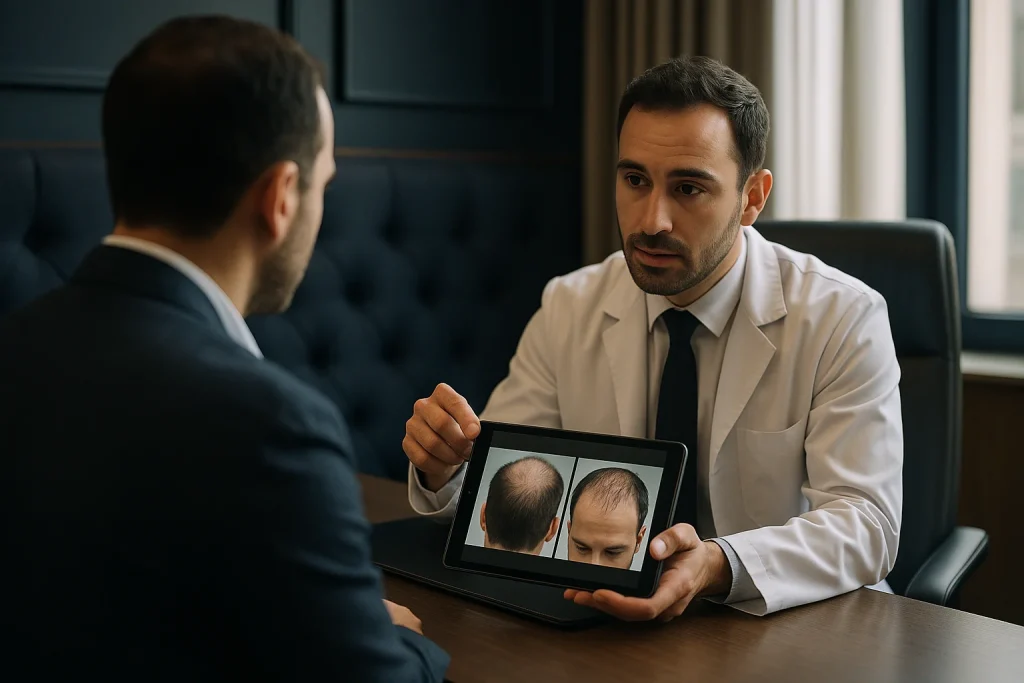
Ashwagandha hair growth claims are mainly linked to the herb’s possible role in stress management, rather than direct proof that it regrows hair or improves transplanted grafts. It may be relevant for some patients with stress-related shedding, but supplements should not replace a medical hair-loss assessment or your transplant care plan.
- Ashwagandha is not a proven treatment for androgenetic hair loss and cannot create new transplanted follicles.
- Stress may contribute to temporary shedding in some people, but hair loss can have several medical and genetic causes.
- Herbal supplements can cause side effects and may interact with medicines, anaesthesia or thyroid treatment.
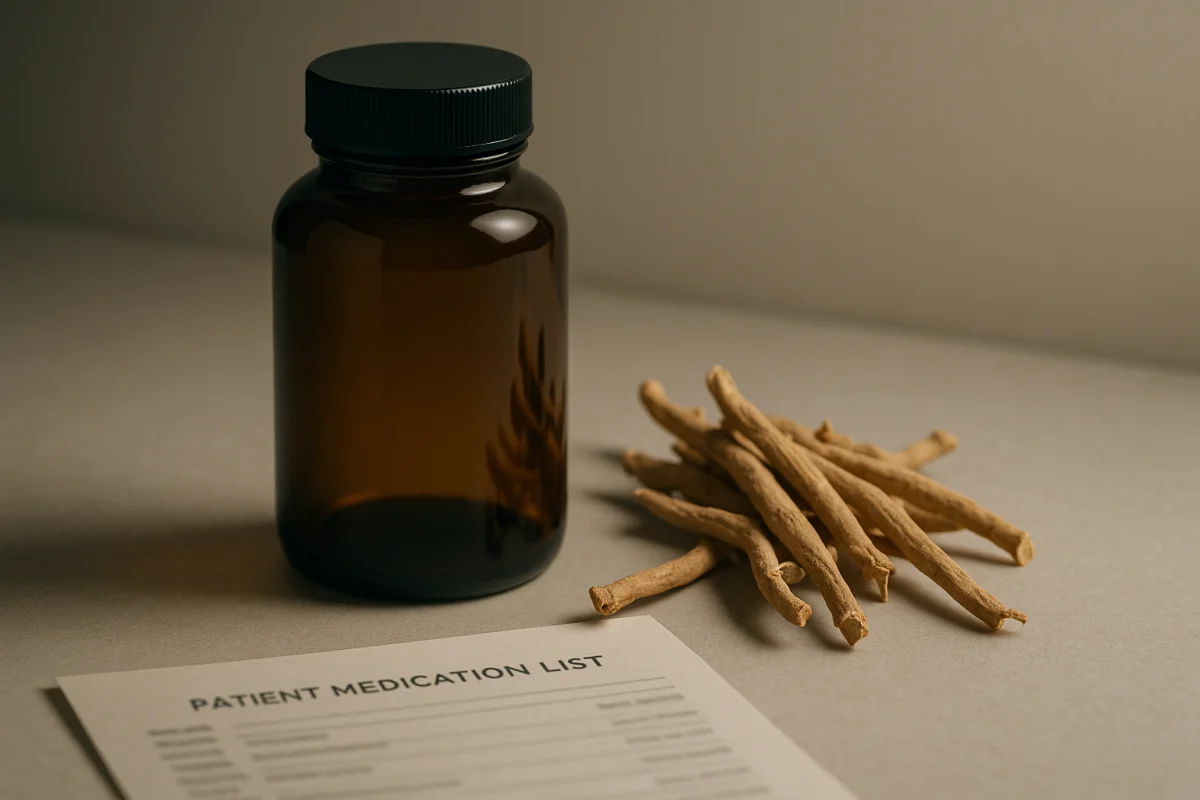
- Patients should tell their surgical team about every supplement before a hair transplant.
- The most appropriate hair-loss plan depends on the diagnosis, donor area, medical history and long-term goals.
01Why Transplant Patients Ask About Ashwagandha
Many people searching for ashwagandha hair growth advice are trying to understand whether a supplement can protect their existing hair, reduce shedding, or improve the result of a transplant. This interest is understandable. Hair thinning can be emotionally difficult, and online content often presents herbs as simple solutions. However, hair loss is rarely caused by one factor alone. Genetics, hormones, nutritional status, illness, medication, scalp conditions and physical or emotional stress can all play a role.
Ashwagandha is an herbal product traditionally used in some health systems. It is often described as an adaptogen, meaning that it may help the body respond to stress. This description does not mean that it is a direct hair-growth medicine. For transplant patients, the important distinction is between supporting general wellbeing and treating the biological process that causes patterned hair loss. A supplement that helps one person feel calmer may not change the condition of their follicles.
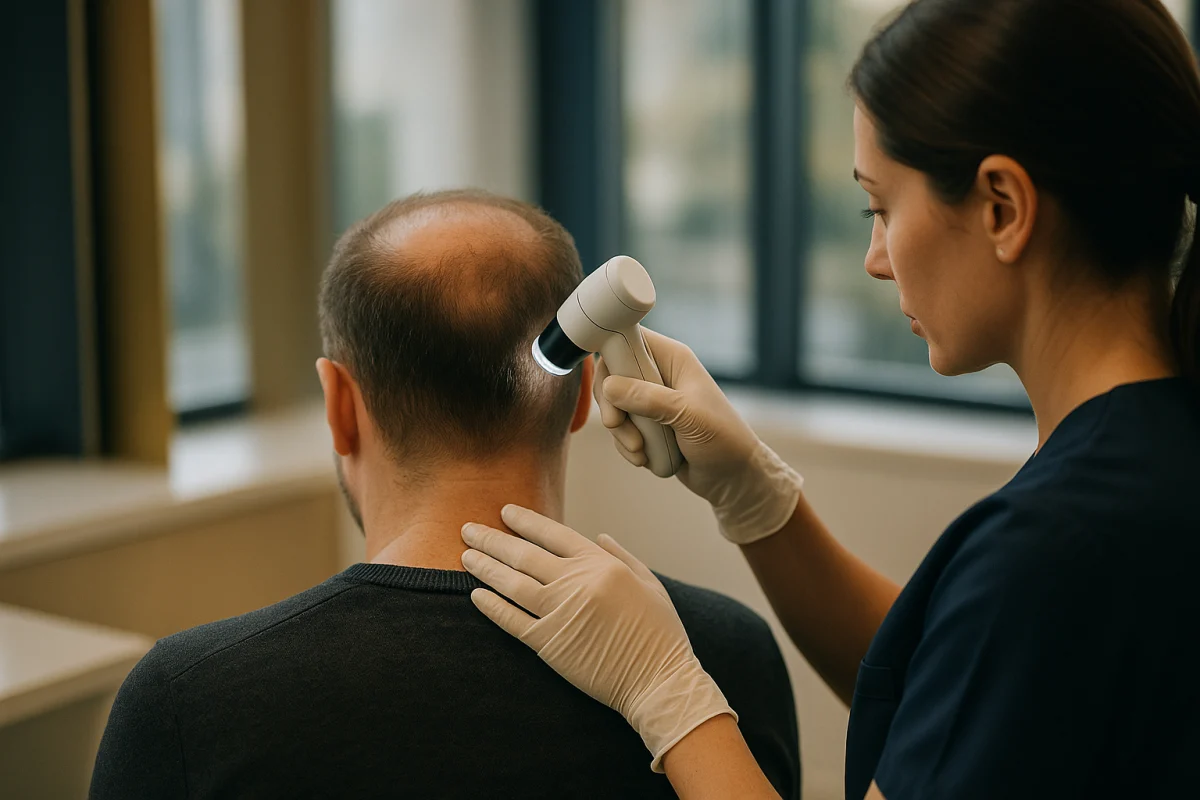
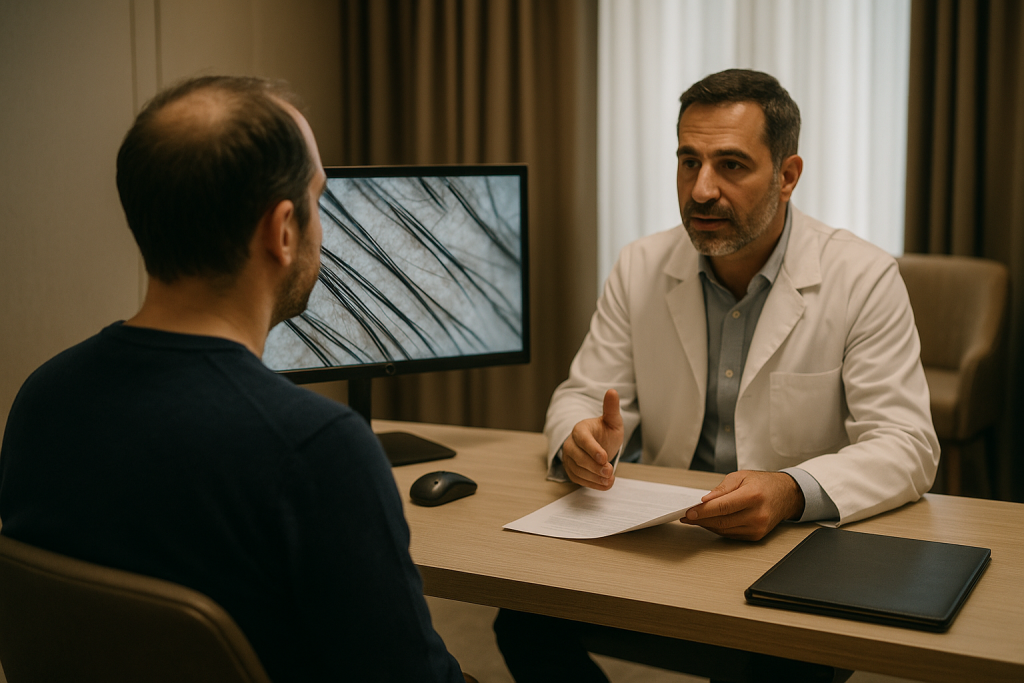
Before considering any supplement, it is useful to know your diagnosis. A doctor may look at the pattern and speed of hair loss, the scalp, family history, medical history and, where appropriate, blood tests. At Acibadem Hair Transplant Center, patients can begin with a free online hair analysis reviewed by doctors. This helps identify whether transplantation, medical management, observation, or further assessment may be more suitable before making decisions about supplements.
02Evidence Behind ashwagandha hair growth Claims
There is currently no strong clinical evidence that ashwagandha directly treats common genetic hair loss or reliably increases the growth of scalp hair. Some small or indirect research may explore stress, sleep, wellbeing, or biological pathways that can affect the hair cycle. These findings can be interesting, but they do not establish that taking ashwagandha will restore a receding hairline, thicken miniaturised hair, or replace lost follicles.
Hair follicles move through stages of growth, transition and resting. A major physical or psychological stressor can sometimes shift more hairs into the resting phase, leading to increased shedding several weeks or months later. This is often called telogen effluvium. If stress is a contributing factor, improving sleep, nutrition, recovery and stress management may support normal hair-cycle recovery over time. That is different from proving that one herb is responsible for new growth.
Claims about ashwagandha hair growth should therefore be interpreted carefully. Before-and-after images online may reflect lighting, styling, camouflage products, a natural recovery from temporary shedding, medical treatment used at the same time, or simply different hair length. A clinician can help distinguish temporary shedding from androgenetic hair loss, scarring conditions and other causes that need different care.
03Stress, Cortisol and Temporary Shedding
Stress is a genuine part of the hair-health conversation, but it should not be used as an explanation for every case of thinning. Significant illness, surgery, rapid weight change, fever, childbirth, restrictive diets, emotional strain and some medications can be associated with diffuse shedding. In many patients, this type of shedding is temporary once the trigger has passed, although recovery can take time because hair grows slowly.
Cortisol is commonly called the stress hormone. It has important normal functions in the body, and its relationship with hair is more complex than many social-media posts suggest. Chronic stress may affect sleep, appetite, inflammation and daily health habits, which can indirectly influence the hair cycle. It does not automatically mean that a high cortisol level is the sole reason for hair loss, or that lowering stress with a supplement will reverse it.
Practical stress support can be valuable before and after a hair transplant. This may include regular sleep, balanced meals, gentle activity when medically appropriate, realistic work planning and emotional support. These steps support overall recovery, but they do not replace the post-operative instructions given by your surgical team. If shedding is sudden, patchy, painful, accompanied by scalp changes, or persistent, a medical review is important.
04The Safety Questions Patients Should Not Skip
The possible downside of ashwagandha matters as much as any potential benefit. Although many people tolerate herbal supplements, they can cause digestive upset, diarrhoea, nausea, headache, sleepiness or, in some cases, a feeling of restlessness. Product strength and ingredient quality may also vary between suppliers, which makes it difficult to predict how an individual product will affect a particular patient.
Ashwagandha may not be suitable for everyone. Caution is particularly important for people who are pregnant or breastfeeding, have thyroid disease, autoimmune conditions, liver concerns, hormone-sensitive health conditions, or take medicines that affect blood sugar, blood pressure, immunity, sleep or thyroid function. Rare reports of liver injury have been associated with some ashwagandha-containing products. Your doctor or pharmacist can assess risks based on your full medical history and medicines.
For a planned procedure, disclose all vitamins, herbs, powders, teas and over-the-counter products, not only prescribed medicines. Some supplements may need to be stopped before surgery because of possible effects on bleeding, sedation, blood pressure or anaesthesia. Do not stop prescribed medication independently. Your transplant team and prescribing doctor will confirm which products are appropriate and the timing for pausing or restarting them.
05Ashwagandha Before and After a Hair Transplant
A hair transplant moves healthy follicles from a donor area to areas of thinning. Sapphire FUE and DHI are established methods used to place grafts, but the final plan depends on hair characteristics, donor capacity and the pattern of loss. Ashwagandha does not make grafts grow faster, increase the number of available donor follicles, or change the precision needed during implantation. Surgical results depend on careful assessment, technique, aftercare and the individual healing process.
In the early recovery period, patients should keep their routine simple and follow the clinic’s instructions closely. The scalp needs protection while grafts settle, and the body needs time to heal. Introducing a new supplement immediately before or after surgery can make it harder to identify the cause of nausea, rash, sleep changes or other symptoms. For this reason, it is usually better to discuss any new product with the medical team before beginning it.
Some shedding after a transplant can be expected. Transplanted hairs may shed before new growth starts, and nearby existing hairs can also temporarily shed in response to the procedure. This does not necessarily indicate graft failure. Clinics monitor progress through scheduled reviews, photographs and clinical assessment. At Acibadem Hair Transplant Center, all-inclusive care includes 12 months of follow-up, helping patients raise questions at the appropriate stage of recovery.
06Appearance Changes: What Is Realistic to Expect
Ashwagandha is sometimes promoted as a supplement that can improve appearance by reducing stress, supporting sleep or influencing hormones. These broad statements should be treated with caution. If a person’s sleep, appetite or stress-related habits improve, they may feel and look better overall. That is not the same as a predictable cosmetic effect, and it does not mean the herb will change facial features, hair density or skin quality in a reliable way.
For hair, visible appearance is affected by density, shaft thickness, curl pattern, colour contrast, grooming, scalp coverage and lighting. A person with temporary shedding may notice a fuller look when the hair cycle normalises. In contrast, people with progressive genetic thinning usually need a longer-term plan to preserve existing hair and address areas where follicles have become too weak to produce visible coverage.
A well-planned transplant can improve the appearance of selected thinning areas, but it cannot stop future loss in untreated native hair. Your doctor will consider age, family pattern, donor area and likely progression before recommending a hairline or density goal. A cautious plan often aims to look natural over time rather than chasing an immediate, unrealistic change.
07Choosing an Evidence-Led Hair Plan Instead of a Miracle Herb
There is no single herb that can be named the best for hair growth for every person. The best next step is to identify the cause of the concern. Iron deficiency, thyroid disorders, inflammatory scalp conditions, nutritional problems and medication-related shedding may need medical treatment. Genetic hair loss may need a different long-term discussion. Herbs may be part of a wellbeing routine for some people, but they should not delay an appropriate diagnosis.
An evidence-led plan may include scalp examination, trichoscopic assessment, lifestyle review, treatment of any identified medical issue and discussion of appropriate medical or surgical options. For patients who are suitable candidates, transplantation can redistribute permanent donor hair; it does not create unlimited new hair. Realistic density and preservation of donor reserves are central to responsible planning.
International patients should also consider continuity of care. Acibadem Hair Transplant Center is a dedicated hair restoration clinic in Istanbul, licensed by the Turkish Ministry of Health. Patients can share clear photographs through the free online hair analysis service, which is reviewed by doctors, and WhatsApp replies are typically provided within around two hours. This conversation is a useful place to disclose supplements such as ashwagandha and ask how they fit safely into an individual pre-operative or recovery plan.
08A Practical Recovery Timeline: When Hair Changes Usually Happen
Understanding the normal transplant timeline can prevent patients from linking every early change to a supplement, stress level or single daily habit. In the first days after the procedure, the priority is protecting the implanted area and allowing the scalp to heal. Mild redness, swelling, tenderness and small crusts can occur. Your surgical team will explain how to sleep, wash the scalp and use any recommended care products. Follow these instructions exactly, even if online advice suggests a different routine.
During the first few weeks, implanted hair shafts commonly fall out. This is often called post-transplant shedding or shock shedding. The follicle remains beneath the skin, but the visible shaft can shed as part of the normal cycle after implantation. Some patients also notice temporary shedding of existing nearby hair. Although this stage can be worrying, it does not by itself show whether the transplant has succeeded or failed.
New visible growth usually begins gradually rather than all at once. Early hairs may initially look fine, lighter or uneven. Density and hair calibre typically improve over the following months as more follicles enter an active growth phase. Final maturation takes time, and the medical team will set an appropriate review schedule. At Acibadem Hair Transplant Center, graft survival is assessed trichoscopically at month 12; the clinic documents a 98% rate under its written guarantee. This clinical review is more meaningful than judging progress from daily mirror checks or isolated photographs.
09Day-to-Day Aftercare That Supports Graft Protection
Aftercare is not about finding a special supplement. It is mainly about reducing avoidable irritation and following the washing, activity and medication plan provided by the surgical team. In the first healing period, avoid touching, rubbing, picking or scratching the recipient area. Crusts should soften and come away only in the way and at the time advised by the clinic. Pulling them off early can irritate healing skin and may disturb grafts.
Patients should also plan practical details before travelling for treatment. Bring loose, front-opening clothing for the procedure and the journey home, so that garments do not need to pass over the scalp. Protect the recipient area from direct sun, rain, dust and accidental contact in busy places. Do not wear a hat, helmet or other head covering unless the team has confirmed it is safe and explained when it can be used. If itching, pain, redness or swelling changes unexpectedly, contact the clinic rather than applying a new oil, cream or herbal preparation yourself.
Physical activity should return gradually. Strenuous exercise, swimming, sauna use and activities that create heavy sweating or a risk of impact may need to be postponed for a period confirmed by your team. Alcohol, smoking and poor sleep can also complicate recovery for some patients. Your clinician can explain the specific restrictions for your procedure, health status and travel dates. A calm routine, adequate hydration and regular meals are generally more helpful than making several unplanned changes at once.
10Candidacy Nuances: When Supplement Questions Need Further Investigation
Not every person with hair shedding is immediately a transplant candidate. A transplant is generally considered when hair loss has been assessed, the donor area has sufficient stable hair and the expected pattern of future loss has been discussed. People with very recent diffuse shedding, active scalp inflammation, unexplained patchy loss or a rapidly changing hairline may need diagnosis and treatment first. In these situations, starting ashwagandha without assessment could delay attention to the actual cause.
Candidacy also depends on the difference between donor and recipient areas. Transplantation redistributes follicles; it does not produce an unlimited supply of new hair. A person with extensive thinning, limited donor density or ongoing loss may need a conservative plan, staged planning or non-surgical management before surgery is considered. Your doctor will evaluate hair characteristics, scalp health, family history and long-term expectations rather than basing suitability on age or a single photograph alone.
Supplement use can be especially relevant when a patient has symptoms beyond hair loss. Fatigue, unexpected weight change, temperature sensitivity, menstrual changes, digestive symptoms, scalp discomfort or sudden widespread shedding may suggest that a wider medical review is needed. These symptoms do not diagnose a particular condition, but they are important to report. A clinician may recommend appropriate assessment before deciding whether hair restoration surgery, medical care, observation or another pathway is suitable.
11Planning Travel From Consultation to Follow-Up
International patients can make their visit smoother by preparing their health information before booking travel. Share clear, recent scalp photographs through the free online hair analysis, along with a list of prescribed medicines, over-the-counter products, vitamins and herbal supplements. Include ashwagandha even if it seems unrelated to surgery. The doctor-led review helps the team understand your hair-loss pattern and identify questions that may need to be clarified before the procedure. WhatsApp replies are typically available within around two hours, although a full clinical review may require additional information.
Do not make non-refundable travel arrangements until the clinic has discussed the proposed plan and pre-operative requirements with you. Ask about the expected appointment schedule, washing visit if applicable, medication instructions, when you can safely fly and what support is available after you return home. Acibadem Hair Transplant Center provides all-inclusive packages that include VIP transfer, a 4-star hotel, a care kit and 12 months of follow-up. Your coordinator can confirm the arrangements that apply to your individual booking.
For the journey home, keep post-operative instructions and clinic contact details accessible. Avoid carrying heavy luggage if this is uncomfortable or contrary to your team’s guidance, and allow extra time at the airport to avoid rushing through crowds. Take progress photographs only at the intervals recommended by the clinic and in consistent lighting. This creates a clearer record for follow-up than frequent close-up images taken under different conditions. If you are considering restarting ashwagandha or another supplement after returning home, first check the agreed timing with the medical team or your own doctor.
12Frequently Asked Questions
Can ashwagandha actually increase hair growth?
Ashwagandha is not proven to directly increase scalp hair growth or treat genetic pattern hair loss. It may be of interest where stress is contributing to temporary shedding, but the evidence does not show that it reliably regrows hair or improves transplant graft growth. A doctor can help identify the type of hair loss before treatment decisions are made.
What are the possible negative effects of ashwagandha?
Possible side effects include stomach upset, diarrhoea, nausea, headache, drowsiness or restlessness. It may also interact with certain medicines and may be unsuitable for people with specific medical conditions, including some thyroid, autoimmune or liver concerns. Tell your doctor and transplant team about any supplement before a procedure.
Can ashwagandha visibly change how you look?
There is no reliable evidence that ashwagandha predictably changes a person’s facial appearance, hair density or skin. Some people may feel better if stress or sleep improves, which can influence general wellbeing, but this is not a guaranteed cosmetic result. Any noticeable change in hair should be assessed in the context of the underlying cause of hair loss.
Which herbal remedy is best for growing hair?
No herb has been shown to be the best hair-growth solution for everyone. The most appropriate approach depends on whether thinning is genetic, temporary, nutritional, inflammatory or related to another health issue. A medical assessment is more useful than choosing a supplement based on broad online claims.
Este artículo tiene fines exclusivamente informativos y no sustituye el consejo médico profesional.
 06
06 12
12