En este artículo9
- Resumen
- dhi turkey: What the Technique Actually Involves
- Who May Be Considered for DHI Implantation
- Planning the Hairline, Crown and Graft Distribution
- What Happens on the Procedure Day in Istanbul
- Recovery, Washing and the Timeline for Visible Growth
- Travel Planning and Follow-Up for International Patients
- Questions to Ask Before You Commit to Treatment
- Frequently Asked Questions
A DHI hair transplant uses extracted follicular units that are placed with a specialised implantation tool, allowing the surgical team to plan the angle, direction and distribution of each graft carefully. For patients considering dhi turkey options, safe planning should begin with a doctor-reviewed assessment of hair loss, donor capacity, health history and realistic coverage goals.
- DHI is a graft implantation approach that is usually combined with FUE-style follicle extraction.
- A suitable DHI plan depends on donor supply, hair characteristics, scalp condition and the area that needs coverage.
- The number of grafts should be planned for natural-looking distribution rather than maximum density in one small area.
- Recovery is gradual, and the visible result is commonly assessed over several months rather than days or weeks.
- International patients should confirm what clinical care, accommodation, transfers and follow-up are included before travelling.
01Dhi Hair Transplant in Istanbul: Technique and Patient Planning
A dhi turkey treatment plan is not simply about choosing an implantation tool. It is a clinical and aesthetic process that starts by identifying the pattern and likely cause of hair loss, examining the donor area and discussing what can reasonably be achieved. DHI, commonly explained as Direct Hair Implantation, is a method in which individual hair follicles are placed into the recipient area with a specialised implanter. The method can support detailed control during placement, but the final plan remains more important than the name of the technique.
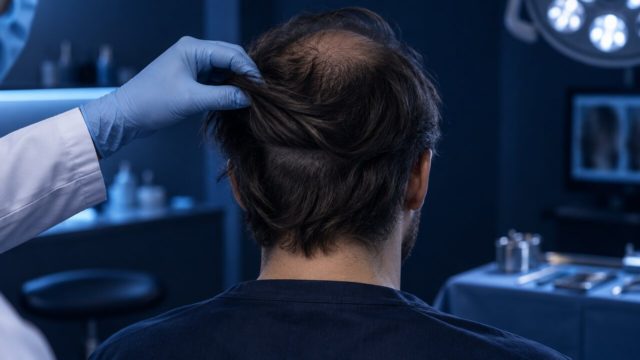
In most patients, the first step is an online or in-person assessment. Clear photographs of the front, top, crown and donor area can help the medical team make an initial review. Your doctor will then need to confirm whether transplantation is appropriate, whether hair loss appears stable enough for surgery and whether the donor area can provide the required grafts without looking noticeably reduced. A responsible assessment also considers medical history, current medicines, scalp conditions and expectations.
Istanbul is a popular destination for international hair restoration patients because treatment and travel can be organised in one visit. However, convenience should not replace clinical due diligence. Patients should understand who will assess them, how graft numbers are decided, which parts of the procedure are performed by the medical team and how aftercare will be managed after returning home. At Acibadem Hair Transplant Center, free online hair analysis is reviewed by doctors, with WhatsApp replies typically available within around two hours.
02dhi turkey: What the Technique Actually Involves
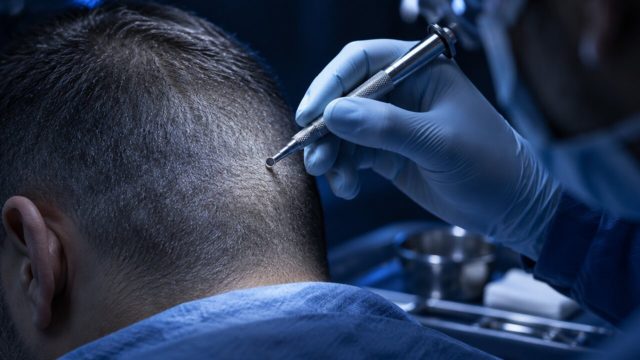
DHI refers to the implantation phase of a hair transplant. Follicular units are generally extracted one by one from the donor area, usually at the back and sides of the scalp, using an FUE-based extraction process. They are then checked, protected and placed into thinning or bald areas with an implanter. The instrument allows the team to load a graft and implant it with controlled movement. It does not create new hair or increase the number of available donor follicles.
During conventional planning, recipient channels may be made before graft placement. With DHI, the implanter can create the placement opening and insert the graft in a single action. This may be useful when the surgical team needs detailed work around an existing hairline or between existing hairs. The correct angle, direction and depth of each graft remain essential. Poorly planned placement can look unnatural regardless of whether DHI, Sapphire FUE or another accepted approach is used.
For dhi turkey research, it is helpful to separate a technique from a marketing label. Not every patient needs DHI, and not every area of the scalp requires the same approach. A doctor may discuss Sapphire FUE, DHI or a combination of planning methods according to the recipient area, hair calibre, curl pattern, donor characteristics and intended density. The most suitable option should be explained in relation to your individual findings rather than presented as a universal solution.
03Who May Be Considered for DHI Implantation
Adults with pattern hair loss and a stable, healthy donor zone may be considered for a hair transplant after medical assessment. DHI can be discussed for patients seeking refinement of the frontal hairline, coverage in smaller or medium-sized thinning areas, or placement around existing native hair. It may also be considered in some cases where a previous transplant needs careful adjustment. Eligibility cannot be confirmed from a single photograph, because the scalp, hair quality and wider health picture all matter.
Donor supply is one of the main limits of any transplant. The donor area contains a finite number of follicles that can be removed safely. If too many grafts are harvested from one area, the donor zone may appear thin. For this reason, a good plan protects long-term donor appearance and considers possible future hair loss. A smaller, well-distributed procedure can sometimes be more appropriate than pursuing a very high graft number without adequate donor capacity.
Some people should delay surgery or seek further medical evaluation first. Examples can include active scalp inflammation, sudden unexplained shedding, untreated medical conditions or hair loss that may be related to a reversible cause. Your doctor may advise blood tests, dermatology review or a period of observation where clinically appropriate. A transplant redistributes existing follicles; it does not treat every cause of shedding, and it may not be the first step for every patient.
04Planning the Hairline, Crown and Graft Distribution
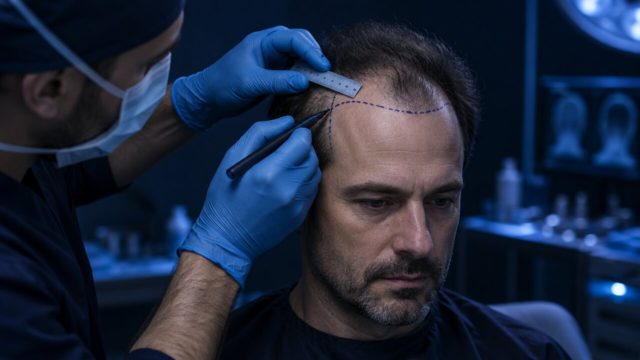
A natural hair transplant is designed as a pattern, not as a simple collection of grafts. The hairline should suit the patient’s facial proportions, age and likely future hair loss. Placing a hairline too low may use grafts that could later be needed for the mid-scalp or crown. In most patients, a measured, slightly irregular hairline with finer single-hair grafts at the leading edge can create a more natural transition than an overly straight or dense line.
The crown often requires especially careful planning. Its circular growth pattern can require many grafts to create the appearance of coverage, and the area may continue to thin over time. When donor supply is limited, the medical team may prioritise the frontal and mid-scalp areas because they frame the face and are more visible in daily interaction. This is not a rule for every patient, but it shows why a graft plan should reflect both present concerns and possible future needs.
Density expectations should also be discussed openly. Native hair density is not always achievable in a transplant because donor follicles are limited and must be distributed strategically. Hair calibre, contrast between hair and scalp, curl, colour and styling can all influence how full the result appears. A doctor should explain the likely visual effect rather than promising a specific density. Photographs taken under consistent lighting can be useful for planning and for reviewing progress after treatment.
05What Happens on the Procedure Day in Istanbul
On the day of treatment, the clinical team typically confirms the plan, examines the donor and recipient zones again and marks the proposed hairline or treatment area. This is an important moment for questions, because the final design should be understood before the procedure starts. Hair may be trimmed or shaved depending on the chosen plan and the area being treated. The team then prepares the scalp using clinical hygiene protocols before extraction and implantation begin.
Local anaesthesia is commonly used for hair transplantation. Acibadem Hair Transplant Center also offers needle-free anaesthesia as an available option. Your medical team will explain the anaesthesia process and check whether it is suitable in your case. Patients are usually awake during the procedure, although comfort measures and scheduled breaks can be used. The total time can vary according to the number of grafts, the complexity of the placement plan and the individual procedure workflow.
Following extraction, grafts are kept in controlled conditions while the recipient area is prepared and implantation takes place. Careful handling matters because follicles are delicate living structures. At Acibadem Hair Transplant Center, Sapphire FUE and DHI techniques are available as part of clinical planning. The technique should support the agreed surgical objective, whether that is improving a receding hairline, adding mid-scalp coverage or addressing another suitable area, rather than being selected solely because it is widely advertised.
06Recovery, Washing and the Timeline for Visible Growth
After a DHI procedure, temporary redness, small scabs and mild swelling can occur. These effects vary between patients and are usually managed with the aftercare instructions provided by the clinic. The treated area should be protected from rubbing, scratching and unapproved products during the early healing phase. Patients should follow instructions about sleeping position, washing, physical activity, headwear and sun exposure. Your medical team should be contacted if you have symptoms that seem unusual or concerning.
Transplanted hairs commonly shed after the early recovery period. This can be expected and does not necessarily mean that the follicles have been lost. The follicles remain beneath the skin and later enter a new growth phase. Visible growth is gradual, and different areas may grow at different speeds. It is therefore important not to judge the outcome too early. Follow-up photographs and trichoscopic assessment can give a more structured view of progress than day-to-day mirror checks.
At Acibadem Hair Transplant Center, results are measured by trichoscopic graft survival at month 12, with a documented 98% rate under written guarantee conditions. This measurement approach does not mean that every patient will have identical cosmetic density or growth speed, as individual biology and the original treatment plan still affect appearance. It does show the value of objective follow-up. Patients should read the written guarantee terms carefully and ask how their follow-up checks will be arranged after they return home.
07Travel Planning and Follow-Up for International Patients
International treatment requires practical planning alongside medical planning. Patients should allow enough time in Istanbul for consultation, the procedure and the first post-procedure review advised by the clinic. Flights should be arranged with comfort in mind, particularly if there is any early swelling or if sleep has been disrupted. It is also sensible to avoid scheduling demanding work, major social events or strenuous activities immediately after treatment, as early healing can be visible.
When comparing dhi turkey packages, ask for a clear written explanation of what is included and what follow-up support is available. Acibadem Hair Transplant Center provides all-inclusive packages that include VIP transfer, a 4-star hotel, a care kit and 12 months of follow-up. Patients should still confirm the planned duration of stay, what documents they will receive, how to reach the care team after travelling and what to do if they need local medical advice at home.
Good planning continues after the flight home. Keep the clinic’s instructions accessible, attend requested remote follow-ups and send photographs in the recommended format and lighting. Do not change prescribed medicines or begin additional scalp treatments without appropriate medical advice. Acibadem Hair Transplant Center is a dedicated hair restoration clinic in Istanbul, licensed by the Turkish Ministry of Health, and has welcomed patients from 38 countries over 12 years. These facts can be reassuring, but your own decision should remain based on a clear consultation, documented plan and informed consent.
08Questions to Ask Before You Commit to Treatment
Before booking, ask who will perform the medical assessment, how the clinic determines candidacy and how the donor area will be protected. Ask to see the planned distribution of grafts between the hairline, mid-scalp and crown, where relevant. It is reasonable to ask what may happen if future hair loss progresses and whether non-surgical management should be considered alongside or before surgery. Clear answers can help you understand the limits as well as the potential benefits of treatment.
You can also ask how graft survival and results are monitored, which aftercare products or instructions will be supplied and how follow-up works across international borders. A reliable clinic should explain that results develop gradually and that photographs may not capture every detail of texture or density. It should also be transparent about possible temporary effects, the recovery process and the importance of complying with aftercare instructions. Informed consent is part of safe treatment, not an administrative formality.
Finally, make sure the proposed treatment fits your personal priorities. Some patients value a subtle hairline refinement, while others want broader coverage and accept a more conservative density. Neither goal is automatically right or wrong. The best plan is one that respects donor limitations, considers long-term hair loss and is medically appropriate for you. A free online hair analysis can be a useful first step, but the treating doctor should confirm the final plan before any procedure takes place.
09Frequently Asked Questions
How much does a DHI hair transplant in Turkey cost?
The cost of a DHI hair transplant in Turkey varies according to the planned graft number, the complexity of the case, the clinical team, the level of aftercare and what is included in the travel package. A meaningful quote should follow a review of your donor area and treatment goals rather than a generic graft estimate. Ask for written confirmation of inclusions, follow-up and any guarantee conditions before making a decision.
Is DHI a company or a hair transplant method?
DHI is most commonly used in hair restoration to mean Direct Hair Implantation, which describes a method of placing hair follicles with an implanter. It is not, by itself, a single company type or a guarantee of a particular clinical standard. Some businesses may also use DHI in their names, so patients should check the legal identity, licensing and medical responsibility of the specific provider they are considering.
Who owns the DHI Group?
The term DHI Group can refer to different businesses in different countries, while DHI as a transplant term is not a company that has one owner. Ownership can only be confirmed by identifying the exact legal entity and reviewing current official corporate records in its country of registration. Patients should not rely on an assumed connection between a clinic using the term DHI and any unrelated business with a similar name.
What does DHI stand for in hair transplantation?
In hair transplantation, DHI usually stands for Direct Hair Implantation. It generally refers to placing extracted follicular units into the recipient area using a specialised implantation tool. The extraction method, graft planning, team experience, donor management and follow-up remain important factors in the overall procedure.
Este artículo tiene fines exclusivamente informativos y no sustituye el consejo médico profesional.
Esta guía es de carácter informativo y no sustituye una consulta médica. Las decisiones de tratamiento se toman tras una valoración médica presencial u online.