En este artículo13
- Can hair transplant cause cancer: the direct medical answer
- What happens to the scalp during FUE and DHI surgery
- Why cancer concerns can arise after hair restoration
- Real health risks of hair transplant surgery
- Scalp changes that should be checked before surgery
- Cancer causes, inherited risk, and everyday exposure
- Understanding cancer risk after a hair transplant
- Choosing medically supervised hair restoration in Istanbul
- Practical aftercare: protecting the scalp while it heals
- Hair transplant recovery timeline: what is usually expected
- Candidacy questions that deserve a doctor-led review
- Travel planning for international hair transplant patients
- Frequently Asked Questions
Can hair transplant cause cancer? Standard hair transplant surgery is not considered a cause of cancer, and it does not involve radiation, cancer-causing medicines, or immune-suppressing treatment. Like any procedure, it has possible surgical risks, so an appropriate medical assessment and careful scalp examination remain important.
- Hair transplant surgery is not known to increase a patient’s cancer risk when it is performed using standard medical techniques.
- FUE and DHI move a patient’s own hair follicles and do not introduce cancer-causing radiation or systemic medication.
- A suspicious scalp lump, bleeding patch, changing mole, or non-healing sore should be assessed before surgery.
- Most cancer risk is linked to a complex mix of age, genes, environment, infections, lifestyle, and chance rather than one single cause.
- Choosing a licensed clinic and following aftercare guidance can help reduce preventable surgical complications.
01Can hair transplant cause cancer: the direct medical answer
Hair loss can be distressing, and it is understandable to ask, can hair transplant cause cancer before planning a procedure. Based on current medical understanding, standard hair restoration surgery is not considered a cause of cancer. The procedure relocates living follicles from a donor area, usually at the back or sides of the scalp, to areas with thinning hair. It does not change the patient’s DNA, expose the scalp to ionising radiation, or require the type of medicines that intentionally weaken the immune system.
Sapphire FUE and DHI are surgical methods for extracting and implanting hair follicles. In both approaches, the grafts are the patient’s own tissue. The follicles continue their normal biological function after they are placed in a new scalp area. Although the skin needs time to heal and hair growth develops gradually, moving follicles does not create a known mechanism by which cancer would begin.
It is important to separate a theoretical worry from a known clinical risk. Cancer may be diagnosed in a person who has previously had hair restoration, just as it may be diagnosed in anyone else. A diagnosis after a procedure does not automatically mean the procedure caused it. Your doctor will consider your medical history, family history, scalp findings, and any symptoms that need investigation before surgery is considered.
02What happens to the scalp during FUE and DHI surgery
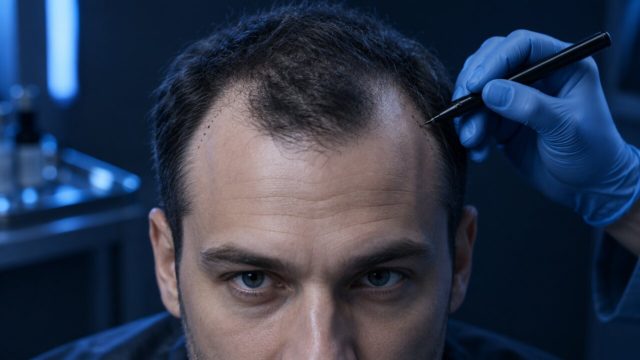
Hair transplant surgery is a local procedure that works on the skin and hair follicles. During FUE, individual follicular units are removed from the donor zone and then placed into carefully prepared recipient sites. During DHI, extracted follicles are implanted with a specialised implanter. The techniques differ in how implantation is performed, but neither method is designed to alter cells at a genetic level.
The scalp normally responds to surgery through wound healing. Temporary redness, small crusts, mild swelling, itching, or tenderness may occur during the early recovery period. These changes are usually related to the normal healing response rather than cancer. Patients should receive clear aftercare instructions and should contact the clinical team if symptoms are severe, worsening, or unexpected.
Local anaesthesia is generally used to keep the procedure comfortable. Some clinics also offer needle-free anaesthesia as an option for suitable patients. Anaesthetic suitability depends on medical history, allergies, current medicines, and other health factors. A pre-procedure review helps the medical team identify issues that may affect safety, healing, or the choice of treatment.
03Why cancer concerns can arise after hair restoration
Cancer concerns sometimes arise because patients notice normal early healing changes and worry about their appearance. Crusting, tiny marks in the recipient area, or temporary shedding of transplanted hairs can look unfamiliar. In most patients, these effects improve as the skin heals according to the aftercare plan. However, no online guide can diagnose a scalp change, and persistent or unusual symptoms should be checked by a qualified doctor.
Another reason for confusion is that people may mix hair transplantation with organ transplantation. Organ transplant recipients may need long-term immune-suppressing medicines, which can affect some health risks. Hair transplantation is different: it usually transfers a patient’s own follicles within the scalp and does not normally require ongoing immune suppression. Therefore, conclusions about organ transplantation should not be applied to hair restoration surgery.
Occasionally, a scalp lesion may already be present but hidden by hair thinning, inflammation, sun damage, or styling products. If it is noticed around the time of a hair transplant consultation, this does not mean hair loss surgery created it. It means the finding needs proper assessment before an elective procedure goes ahead. A responsible clinic should not simply implant grafts into an unexplained lesion.
04Real health risks of hair transplant surgery
Although cancer is not a recognised outcome of standard hair restoration surgery, hair transplantation is still a medical procedure with potential risks. These may include bleeding, swelling, discomfort, infection, inflammation of follicles, temporary numbness, delayed healing, scarring, or an unsatisfactory cosmetic result. The likelihood and severity can vary according to the technique, the patient’s health, the quality of aftercare, and the experience of the clinical team.
Can hair transplant cause cancer is not the same question as whether hair transplant can cause health problems. A poorly managed infection or an allergic reaction, for example, can affect recovery but is not cancer. Smoking, uncontrolled medical conditions, certain medicines, active skin disease, and failure to follow aftercare instructions may increase surgical concerns. Your doctor will confirm whether a procedure is appropriate and whether any health issue should be addressed first.
A safe treatment plan includes medical history taking, scalp assessment, discussion of realistic density expectations, sterile technique, and follow-up support. It should also include honest information about limitations. A hair transplant may not be suitable for every type of hair loss, and surgery cannot replace diagnosis when sudden shedding, patchy hair loss, scalp pain, or inflammation is present.
05Scalp changes that should be checked before surgery
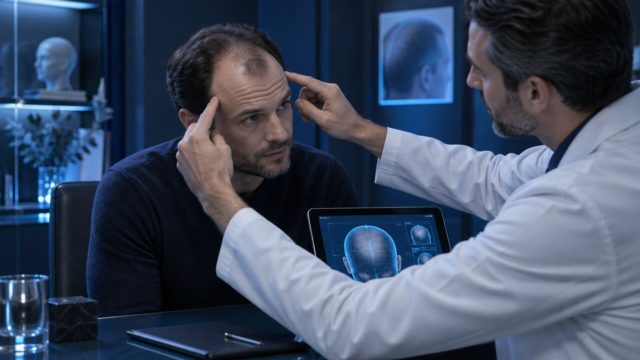
Before hair restoration, tell the medical team about any mole, lump, pigmented area, persistent scab, ulcer, recurrent bleeding, or sore patch on the scalp. Many skin changes are harmless, but some require assessment by a dermatologist or another appropriate doctor. Elective surgery is commonly postponed when there is an unexplained lesion in the planned donor or recipient area.
Features that deserve prompt medical attention include a spot that changes in colour, shape, size, or texture; a wound that does not heal; repeated bleeding without a clear injury; or a painful, enlarging lump. These symptoms do not confirm cancer by themselves. They are reasons for a professional examination, which may include dermoscopy or other tests when clinically indicated.
Patients should also mention a previous history of skin cancer, radiation treatment to the scalp, major scarring, autoimmune conditions, or family history that concerns them. This information helps clinicians plan responsibly. The aim is not to create unnecessary anxiety, but to make sure an aesthetic procedure does not delay evaluation of a condition that needs medical care.
06Cancer causes, inherited risk, and everyday exposure
The statement that 90% of cancer is caused by one factor is too simple and can be misleading. Cancer develops through accumulated genetic changes in cells, and the reasons for those changes differ between cancer types and individuals. Ageing, inherited genetic factors, tobacco, alcohol, ultraviolet light, some infections, occupational and environmental exposures, diet, body weight, physical activity, and chance can all play a role.
In many cancers, non-inherited factors and lifetime exposures are important. However, it is not medically accurate to give one universal percentage for all cancers or to assume that a person’s diagnosis has a single cause. Some cancers have a stronger inherited component, while others are more closely associated with preventable exposures. A treating doctor can explain recognised risk factors for a particular cancer type.
When asking can hair transplant cause cancer, it is useful to focus on what the procedure actually involves. Hair transplantation does not add ultraviolet exposure, tobacco-related toxins, or radiation to the body. It is a local surgical treatment for hair loss. Maintaining sun protection for exposed scalp skin and attending routine medical checks remain sensible health measures, whether or not a person chooses hair restoration.
07Understanding cancer risk after a hair transplant
There is no established cancer risk that is specifically created by a standard hair transplant. A person’s background risk of cancer continues after surgery, as it does after many other routine medical or cosmetic procedures. That background risk is influenced by personal factors, not by the relocation of healthy hair follicles from one part of the scalp to another.
If a cancer is found after hair restoration, doctors consider the timing carefully rather than assuming cause and effect. Some skin cancers develop over years, particularly in areas with significant sun exposure. A lesion may also have existed before treatment but been difficult to see among hair. This is why pre-treatment scalp assessment and ongoing awareness of new skin changes are valuable.
Patients should not ignore concerning symptoms because they recently had surgery. Seek medical advice for a new or growing scalp lesion, unexplained bleeding, a sore that does not heal, persistent increasing pain, spreading redness with fever, or significant discharge. Some symptoms may relate to healing or infection, while others need a different type of evaluation. Only an in-person clinician can make that distinction.
08Choosing medically supervised hair restoration in Istanbul
The quality of the clinical setting matters for reducing preventable surgical risks. Look for a licensed medical provider, a doctor-led assessment, transparent discussion of possible complications, hygienic operating conditions, and accessible follow-up. Be cautious about any service that dismisses medical questions, pressures you to book quickly, or presents cosmetic results as guaranteed for every patient.
Acibadem Hair Transplant Center is a dedicated hair restoration clinic in Istanbul licensed by the Turkish Ministry of Health. The clinic provides Sapphire FUE and DHI techniques, as well as needle-free anaesthesia for suitable patients. Patients receive a free online hair analysis reviewed by doctors, helping them discuss their hair loss pattern and relevant health information before travelling.
For international patients, practical planning can support a calmer recovery. All-inclusive packages may include VIP transfer, a 4-star hotel, a care kit, and 12 months of follow-up. Acibadem Hair Transplant Center has welcomed patients from 38 countries over 12 years, and WhatsApp enquiries typically receive a reply within about two hours. A consultation is still essential because only the clinical team can confirm suitability, explain risks, and advise on the right next step.
09Practical aftercare: protecting the scalp while it heals
After a hair transplant, the recipient and donor areas should be treated as healing skin. Follow the washing, sleeping, moisturising, and activity instructions given by your clinical team, as these may vary by technique and by your individual recovery. In the first days, patients are commonly advised to avoid touching, scratching, rubbing, or picking at crusts because this can irritate the skin and may disturb newly placed grafts.
Avoid exposing the healing scalp to direct sun, dirty water, heavy sweating, and friction from tight headwear until your medical team says it is appropriate. You should also discuss any planned use of hair fibres, styling products, dyes, or scalp treatments before restarting them. These products can irritate sensitive skin or make it harder to identify a developing reaction.
Contact the clinic promptly if you develop increasing rather than improving pain, spreading redness, warmth, marked swelling, fever, unpleasant-smelling discharge, or a rash. These signs do not indicate cancer, but they may need timely clinical review for infection, allergy, or another post-procedure concern. Do not self-treat a significant scalp reaction with leftover medicines without medical advice.
10Hair transplant recovery timeline: what is usually expected
Recovery happens in stages, and normal healing can look different from final hair growth. During the first several days, small crusts, redness, and tenderness can occur in the treated areas. Mild forehead swelling may also occur in some patients. The clinical team will explain how and when to wash the scalp so that crusting can clear safely without unnecessary rubbing.
In the following weeks, transplanted hairs often shed. This is commonly called shock shedding and does not necessarily mean the follicles have failed. The follicles remain beneath the skin and generally enter a resting phase before new growth begins. Existing, non-transplanted hair can also look temporarily thinner after surgery, particularly if it was already fragile.
New growth usually develops gradually over subsequent months, with changes in texture, direction, and coverage becoming easier to assess over time. Final maturation takes patience, and the exact timeline varies with hair characteristics, the treated area, healing, and the underlying cause of hair loss. Attend scheduled follow-ups so the team can monitor progress and discuss any concern based on an examination rather than photographs alone.
11Candidacy questions that deserve a doctor-led review
A person may be interested in hair restoration but still need further assessment before surgery. Sudden diffuse shedding, round bald patches, scalp burning, scaling, pustules, or pain can suggest a cause of hair loss that requires diagnosis and treatment first. A transplant is generally planned only when the hair-loss pattern, donor supply, and scalp health have been assessed appropriately.
Donor hair is limited. The density and quality of hair at the back and sides of the scalp, the contrast between hair and skin, hair thickness, curl pattern, and the size of the thinning area can all affect what is realistically achievable. A responsible plan considers future hair loss as well as the current appearance, rather than using too many grafts in one area without protecting the donor zone.
Tell the doctor about medical conditions, previous scalp surgery, keloid or abnormal scarring history, allergies, regular medicines, supplements, smoking, and any previous hair treatment. Some factors may require extra precautions, a change in timing, or referral to another specialist. An online review can help begin the discussion, but it cannot replace clinical confirmation of suitability.
12Travel planning for international hair transplant patients
International patients should plan enough time in Istanbul for the procedure, the initial checks, and the first aftercare appointment if this is included in their treatment plan. Confirm your itinerary with the clinic before booking flights. Avoid arranging a rushed departure that could make immediate post-procedure review difficult or leave little flexibility if travel plans change.
Pack loose, comfortable clothing that does not need to be pulled tightly over the head, together with your usual medicines in their original packaging. Bring a written list of medicines, allergies, and relevant medical history in English where possible. Before travelling, ask the clinic about guidance for flying, luggage handling, sleeping position, exercise, sun exposure, and the safe transport of your care products.
Acibadem Hair Transplant Center offers all-inclusive packages that may include VIP transfer, a 4-star hotel, a care kit, and 12 months of follow-up. Patients should still make personal travel arrangements carefully, including passport, visa, travel insurance, and any airline requirements. The clinic’s team can explain the practical schedule, while your doctor will confirm medical instructions for your recovery and return journey.
13Frequently Asked Questions
Does a hair transplant increase the risk of cancer?
Standard hair transplant surgery is not known to increase cancer risk. It moves a patient’s own follicles within the scalp and does not involve radiation or long-term immune-suppressing medication. A doctor should assess any suspicious scalp finding before an elective procedure.
Is it true that 90% of cancer is caused by one thing?
No single percentage accurately explains the cause of all cancers. Cancer can be influenced by age, inherited factors, tobacco, ultraviolet exposure, infections, environmental factors, lifestyle, and random cell changes. The balance of these factors differs by cancer type and by person.
Can a hair transplant lead to other health problems?
Like any surgery, hair transplantation can have possible complications such as swelling, infection, bleeding, discomfort, numbness, inflammation, scarring, or delayed healing. These are not the same as cancer risks. Careful medical screening, sterile practice, and following aftercare guidance can help lower preventable risks.
What is the cancer risk after a hair transplant?
There is no established additional cancer risk caused by a standard hair transplant. Your usual background cancer risk remains based on factors such as age, family history, sun exposure, lifestyle, and general health. New, changing, bleeding, or non-healing scalp lesions should be assessed by a doctor, regardless of whether you have had surgery.
Este artículo tiene fines exclusivamente informativos y no sustituye el consejo médico profesional.
Esta guía es de carácter informativo y no sustituye una consulta médica. Las decisiones de tratamiento se toman tras una valoración médica presencial u online.