En este artículo9
- Resumen
- Why Small Grafts Matter in Natural-Looking Transplants
- How Micro Hair Implants Are Planned and Performed
- FUE, Sapphire FUE and DHI: Understanding the Terms
- Hair Transplantation and Scalp Micropigmentation Compared
- Who May Be a Candidate for a Small-Graft Procedure?
- Recovery, Growth Timeline and Long-Term Expectations
- How to Choose Information You Can Trust Before Treatment
- Frequently Asked Questions
Micro hair implants is an informal term that may describe modern hair transplantation with very small grafts, or it may be confused with scalp micropigmentation. A doctor should confirm whether surgical transplantation, scalp camouflage, medical treatment, or a combined plan is appropriate for your hair loss pattern.
- Micro hair implants usually refer to carefully placed follicular grafts rather than a separate, standardised procedure.
- Scalp micropigmentation creates the visual effect of short hair but does not grow new hair.
- FUE and DHI are established approaches that can use small, precisely handled grafts when clinically suitable.
- A realistic treatment plan considers donor supply, hair loss progression, scalp health, and long-term goals.
- A medical assessment is important because not every person with thinning hair is a suitable transplant candidate.
01Micro Hair Implants: What the Term Means in Hair Restoration
Micro hair implants is a popular but non-clinical phrase used in several different ways. In most hair restoration conversations, it refers to a hair transplant performed with small follicular grafts and fine instruments. A graft is a naturally occurring group of one to several hair follicles taken from the donor area, usually at the back or sides of the scalp. These grafts are then placed in areas affected by thinning, recession, or baldness. The phrase may sound as if it describes a unique procedure, but it does not identify one officially separate transplant technique.
The meaning can become confusing because some people use the same phrase for scalp micropigmentation, also called SMP. This is not a surgical hair transplant. It is a cosmetic procedure in which small pigment impressions are placed into the scalp to create the appearance of closely shaved hair or added density between existing hairs. It can improve the visual contrast between hair and scalp, but it does not create follicles, grow hair, or replace transplanted grafts.
When considering any hair restoration option, it is helpful to ask exactly what is being offered. A surgical plan should explain the graft harvesting method, how the hairline will be designed, where grafts will be placed, and what healing and follow-up may involve. A non-surgical plan should clarify whether its purpose is camouflage, support for existing hair, or both. Clear terminology helps patients compare options safely and set realistic expectations.
02Why Small Grafts Matter in Natural-Looking Transplants
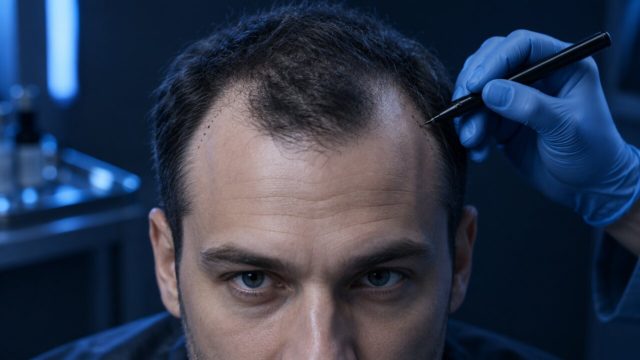
Modern transplantation aims to work with follicular units as they naturally grow in the scalp. Single-hair grafts are often used around the front hairline and temple points because they can create a softer transition from forehead to hair. Grafts containing more hairs may be placed behind the hairline where greater visual density is usually needed. This careful distribution can help the result look more natural than using the same graft type in every area.
Small grafts do not automatically mean that a procedure is better or that every patient needs a very high graft number. The right approach depends on the size of the area, the calibre and colour of the hair, curl pattern, scalp-to-hair contrast, donor density, and the likely future pattern of loss. Your doctor will assess these factors before recommending a coverage strategy. Protecting the donor area is especially important because donor hair is limited.
The recipient sites that receive grafts are also made with careful attention to angle, direction, and spacing. Hair at the crown grows in a different pattern from hair at the frontal hairline, for example. Planning should respect these differences rather than simply filling an area with grafts. In experienced clinical planning, density is balanced with healthy circulation, healing needs, and the preservation of space for possible future hair loss.
03How Micro Hair Implants Are Planned and Performed
For patients using the term micro hair implants to mean transplantation, the process normally begins with an assessment of the scalp and donor region. The doctor considers the cause and stability of hair loss, current hair characteristics, family history, previous procedures, medications, and relevant health information. A transplant is generally most successful when there is a clear, realistic plan for both the immediate concern and the possibility that native hair may continue to thin over time.
On the procedure day, the donor hair is usually trimmed or prepared according to the technique and treatment plan. Local anaesthesia is used to make the surgical area comfortable. At Acibadem Hair Transplant Center, needle-free anaesthesia is available for suitable patients. Follicular units are collected from the donor area, examined and kept protected before placement. The team then creates or prepares recipient sites and places grafts according to the agreed design.
Patients are generally able to return to their accommodation after the procedure with written aftercare instructions. Early healing commonly includes small scabs, temporary redness, and a need to avoid rubbing or pressure on the treated scalp. Transplanted hairs may shed in the weeks after surgery, which is a typical part of the cycle and is not the same as losing the follicles. Visible growth develops gradually, and the final assessment is commonly made many months later.
04FUE, Sapphire FUE and DHI: Understanding the Terms
Follicular Unit Extraction, known as FUE, is a harvesting method in which individual follicular units are removed from the donor area with a small punch instrument. The grafts are then implanted into recipient sites. FUE is widely used because it can avoid a linear donor scar, although it still requires skilled handling and creates tiny extraction sites. The suitability of FUE depends on the donor area, scalp features, hair characteristics, and overall treatment goals.
Sapphire FUE refers to FUE treatment in which sapphire blades may be used when creating recipient channels. These fine blades can support precise site creation in appropriately selected cases. DHI, or Direct Hair Implantation, generally describes implantation with a specialised implanter tool that can place grafts without the same channel-creation sequence used in some FUE workflows. Neither label alone can determine quality; the doctor’s planning, graft care, and appropriate technique selection remain central.
In practice, micro hair implants may be used as a broad description for either Sapphire FUE or DHI when small grafts are placed with attention to detail. However, patients should not choose a procedure only because it sounds newer or more advanced. A doctor should explain why a method may fit the desired area, whether it is suitable for the available donor supply, and what density can reasonably be expected after healing.
05Hair Transplantation and Scalp Micropigmentation Compared
Hair transplantation moves living follicles from one area of the scalp to another. When the grafts establish blood supply and enter their normal growth cycle, they can produce hair in the recipient area. The result still needs ongoing care as part of a person’s general hair and scalp routine. A transplant cannot stop all future thinning in non-transplanted hair, so long-term planning remains important.
Scalp micropigmentation places pigment in the upper scalp skin to simulate tiny hair follicles or reduce the contrast of visible scalp. It may be considered by people who prefer a shaved-hair appearance, have limited donor hair, want to make scars less noticeable, or wish to create an impression of density. It does not involve graft removal, surgical implantation, or new hair growth. The appearance depends on pigment selection, placement technique, skin type, sun exposure, and aftercare.
Some patients may discuss a combined approach. For example, transplantation can restore a hairline or selected areas while scalp micropigmentation may reduce the appearance of scalp show-through elsewhere. This is not necessary for everyone and should be planned conservatively. A professional assessment can help determine whether the scalp is healthy enough for treatment and whether the expected visual effect matches the patient’s preferred hairstyle.
06Who May Be a Candidate for a Small-Graft Procedure?
Adults with pattern hair loss and a stable, healthy donor area may be assessed for a transplant, but eligibility is individual. The cause of shedding matters. Hair loss can be linked to genetic pattern loss, inflammatory scalp conditions, nutritional issues, hormone changes, traction, illness, or other medical factors. Some causes need medical evaluation or treatment before surgery is considered. A careful consultation is therefore more useful than relying on photographs alone.
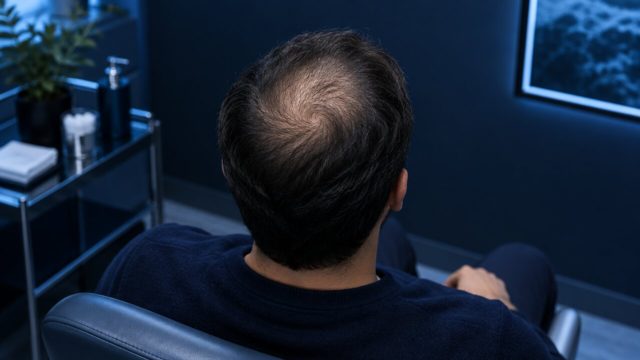
A person with extensive hair loss is not necessarily unsuitable, but the available donor supply may not be enough to recreate the density seen in childhood. In these situations, the medical team may prioritise the frontal hairline and central scalp because these areas frame the face. The crown may require a separate discussion, particularly if hair loss is progressing. Honest planning is designed to avoid overharvesting and to preserve options for the future.
Age alone does not decide candidacy. However, younger patients with rapidly changing hair loss patterns may need especially cautious planning. A very low or dense hairline may look attractive in the short term but can become difficult to maintain if native hair recedes further. The most appropriate plan typically takes account of facial proportions, family pattern, donor capacity, and the patient’s willingness to follow long-term medical advice from their doctor.
07Recovery, Growth Timeline and Long-Term Expectations
After a transplant, the scalp needs time to heal. Clinics commonly provide guidance about sleeping position, gentle washing, exercise, hats, sun exposure, and when to return to normal activities. Following these instructions can help protect newly placed grafts during the early period. Patients should contact their clinical team if they have concerning pain, increasing swelling, discharge, fever, or any symptoms they have been asked to report.
It is common for the visible shafts of transplanted hair to shed after the first few weeks. The follicles remain beneath the skin and later begin a new growth phase. Early growth can be fine, uneven, or lighter in appearance before it matures. In most patients, progress is gradual rather than immediate. Photographs taken under similar lighting and at planned intervals can provide a more reliable comparison than checking the mirror every day.
At Acibadem Hair Transplant Center in Istanbul, results are measured by trichoscopic graft survival at month 12, with a documented 98% rate under written guarantee. This clinical measure does not mean that every patient will have the same cosmetic density or styling result. Individual appearance is influenced by factors such as original hair thickness, scalp contrast, the treatment area, ongoing native hair loss, and adherence to aftercare and follow-up guidance.
08How to Choose Information You Can Trust Before Treatment
Online images and short videos can make hair restoration appear simple, but they rarely show the full clinical decision-making process. Look for clear information about who assesses you, how donor limits are considered, what the proposed technique involves, and how aftercare is organised. Be cautious about claims of instant density, pain-free surgery for everyone, or results that are presented as guaranteed without explaining the conditions and clinical measurements involved.
A useful consultation should give you time to ask about the proposed hairline, graft distribution, possible alternatives, recovery needs, and the likely impact of future hair loss. It should also cover risks such as temporary shock loss, uneven growth, visible scarring, infection, numbness, and the possibility that a further procedure may be considered later. Every surgical procedure carries risks, and informed consent should be based on your individual assessment.
Acibadem Hair Transplant Center is a dedicated hair restoration clinic in Istanbul licensed by the Turkish Ministry of Health. The centre offers Sapphire FUE and DHI techniques, along with a free online hair analysis reviewed by doctors. International patients can receive replies on WhatsApp in approximately two hours, and all-inclusive packages include VIP transfer, a 4-star hotel, a care kit, and 12 months of follow-up. Your doctor will confirm the appropriate clinical plan after reviewing your case.
09Frequently Asked Questions
How long can scalp micropigmentation remain visible?
Scalp micropigmentation is generally long-lasting, but it is not usually considered permanent. The pigment may fade gradually over time due to factors such as sun exposure, skin type, immune response, and skincare habits. Many people may choose a refresh session later, and the provider can explain what maintenance may be appropriate.
Will hair cloning be available in 2026?
Hair cloning is not an established, routinely available hair restoration treatment in 2026. Research into hair follicle multiplication and regenerative approaches continues, but there is no standard clinical option that can reliably create unlimited new donor hair for general patient use. Patients should be cautious about services that present experimental concepts as proven treatments.
What did Matthew McConaughey do to regrow his hair?
Public reports and interviews have included different claims about Matthew McConaughey’s hair changes, but his exact medical history and any treatment details cannot be independently confirmed as a clinical recommendation. Hair appearance can also change because of styling, hair length, lighting, concealers, medications, or procedures. A doctor can assess the cause of your own hair loss instead of using a celebrity example as a treatment guide.
What is the newest hair transplant method?
There is no single newest method that is clinically best for every patient. Sapphire FUE and DHI are established modern techniques used for different treatment plans, while research into regenerative treatments continues. The most suitable option depends on donor supply, the treatment area, hair characteristics, and your doctor’s assessment rather than the newest marketing term.
Este artículo tiene fines exclusivamente informativos y no sustituye el consejo médico profesional.
Esta guía es de carácter informativo y no sustituye una consulta médica. Las decisiones de tratamiento se toman tras una valoración médica presencial u online.