
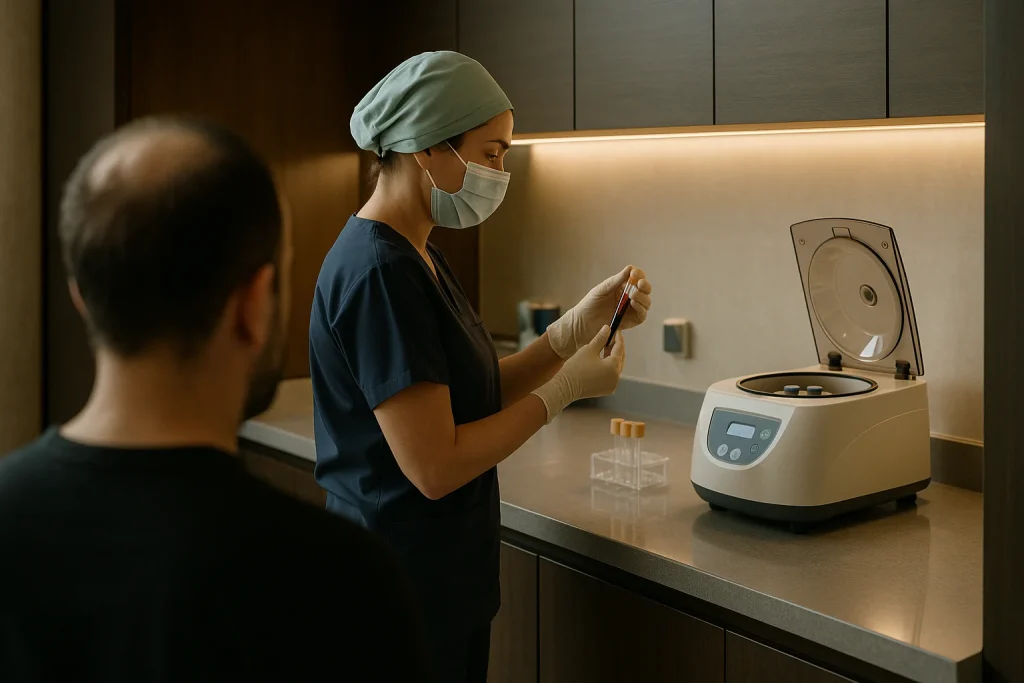
The prp therapy price depends on the clinic, the preparation method, the number of sessions, and whether treatment is planned alone or alongside another hair restoration procedure. A clear plan should show the cost of the initial course, possible maintenance sessions, consultations, and any related follow-up before you decide.
- PRP pricing is usually based on a treatment course rather than a single session alone.
- The lowest quoted fee may not include consultation, blood preparation, follow-up, or future maintenance sessions.
- PRP may be used as supportive care for suitable patients, but results and treatment response vary.
- A doctor should assess the cause and pattern of hair loss before recommending PRP or a hair transplant.
- Insurance commonly treats PRP for hair loss as an elective service, so patients often pay privately.
01How PRP Fits Into a Thoughtful Hair Restoration Plan
Platelet-rich plasma, usually called PRP, is a treatment that uses a concentrated portion of your own blood. After a small blood sample is collected, it is processed to concentrate platelets and plasma, then placed into selected scalp areas by a trained clinician. When people research prp therapy price, it is helpful to begin with the purpose of treatment rather than looking at one number alone. PRP may be considered for suitable people with early thinning, pattern hair loss, or reduced hair quality. It is not a replacement for a diagnosis, and it cannot create new follicles in areas where follicles are no longer present.
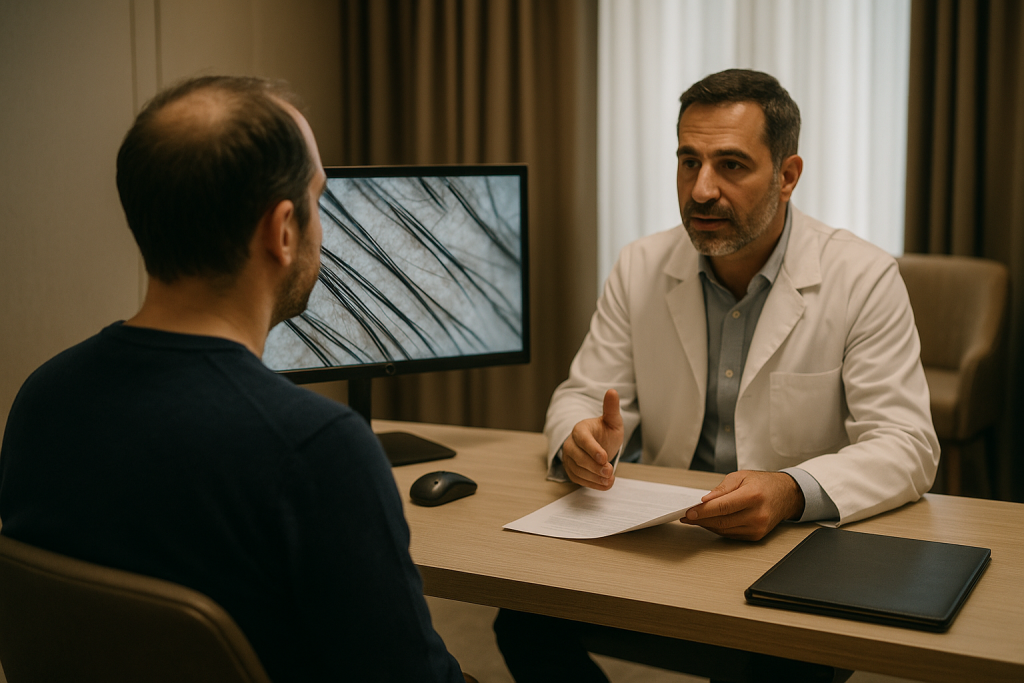
In hair restoration planning, PRP is often discussed as supportive treatment. Some patients use it before considering surgery, while others may use it as part of a wider plan designed to support existing hair. A doctor will look at the distribution of thinning, family history, scalp health, medical history, and the stability of hair loss. This assessment matters because hair shedding can have several causes, including temporary changes that need a different type of care. The expected role of PRP should be clear from the start: improving the condition of existing hair is different from restoring a bald area with transplanted grafts.
A complete plan also considers timing. PRP appointments are commonly arranged as an initial series, followed by review visits and, where appropriate, maintenance treatment. The exact interval and number of sessions depend on the clinic protocol and the doctor’s assessment. Patients should avoid viewing PRP as a one-time purchase with a permanent result. Hair loss is often progressive, so follow-up and realistic expectations are important parts of any responsible treatment discussion.
02What Shapes the prp therapy price?
The fee for PRP can vary because clinics may use different preparation systems, appointment lengths, injection approaches, and clinical protocols. A quote may reflect the cost of a medical assessment, blood collection, laboratory-style preparation, sterile equipment, clinician time, and post-treatment instructions. The experience of the medical team and the standards followed by the clinic may also affect the overall fee. For this reason, comparing two prices without comparing what each plan includes can be misleading.
The number of sessions is one of the biggest cost factors. Many clinics recommend an initial course rather than one isolated visit, but the appropriate number should be decided after assessment. Some plans include a review after the initial course, while others charge for every consultation separately. Ask whether the quotation is for one session, a set of sessions, or a complete first-stage plan. This simple question can make a major difference when you calculate the full budget.
Location can influence pricing as well. Costs may differ between cities and countries because of staffing, facilities, local regulations, and patient services. International patients may also need to consider travel, accommodation, local transport, and time away from work. A medical clinic should explain the treatment fee clearly and should not pressure a patient to choose a package before the doctor has confirmed whether PRP is clinically suitable.
03Understanding a Three-Session PRP Quote
A three-session quote is commonly used as a starting point in discussions about PRP, but it should not be treated as a universal rule. The right course can differ according to the degree of thinning, the treatment goal, scalp condition, and how hair loss develops over time. A clinic may suggest separate appointments spaced over a period so that the doctor can observe tolerance and early changes. Your written quote should state how many sessions are included, how long the offer is valid, and whether the proposed schedule can be adjusted if needed.
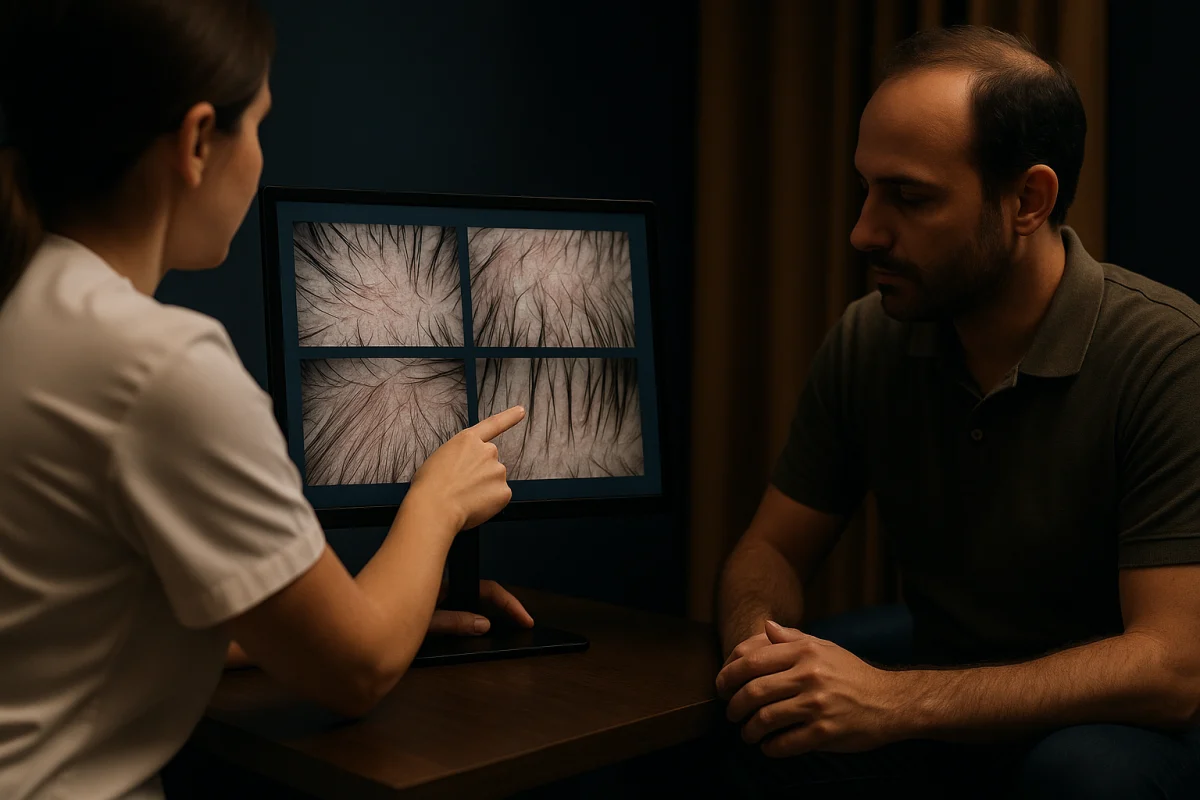
Before accepting a quote, ask what happens at each appointment. It is useful to know whether every session includes a clinical review, blood draw, preparation of the PRP, scalp cleansing, application or injections, and aftercare guidance. You may also ask whether photographs or trichoscopic assessment are used to monitor progress. Consistent assessment methods can support a more meaningful discussion at follow-up, although visible improvement and treatment response still vary from one person to another.
It is equally important to ask what is not included. A three-session price may exclude a first consultation, medicines, blood tests, extra review appointments, or future maintenance sessions. It may also exclude treatment for another scalp concern identified during the examination. Getting these details in writing helps avoid surprise costs and allows you to compare plans fairly. The most useful quote is not simply the cheapest one; it is the one that clearly explains the clinical service you will receive.
04PRP, Hair Transplant Surgery, and Other Supportive Care
PRP and hair transplant surgery serve different purposes. A hair transplant moves healthy follicles from a donor area to areas with permanent hair loss, while PRP works with the follicles already present in the treated scalp. For this reason, PRP may be more relevant when follicles are still active but hair appears finer or less dense. It is generally not expected to rebuild a completely bald hairline or large bald crown area. A doctor can explain whether your concern is more likely to benefit from supportive treatment, surgical restoration, or a combined long-term approach.
For patients considering a hair transplant, the treatment plan should focus first on donor availability, hair loss pattern, scalp condition, and realistic coverage goals. At Acibadem Hair Transplant Center in Istanbul, doctors assess patients through a free online hair analysis before discussing suitable options. The clinic provides Sapphire FUE and DHI hair transplant techniques, but the appropriate technique and any supportive care must be confirmed by the medical team. PRP should not be presented as an automatic add-on to surgery without a clinical reason and clear explanation of its cost.
There may also be non-procedural elements in a hair loss plan, depending on the cause of thinning and medical suitability. These can include scalp care, monitoring, or doctor-directed treatments. It is sensible to disclose all medicines, supplements, allergies, bleeding concerns, and previous hair treatments during consultation. This helps the doctor consider safety and avoid a plan built around marketing rather than your health needs. A good provider will explain the limits of each option as openly as its potential role.
05Planning for Maintenance and Long-Term Value
The initial appointment series is not always the full financial picture. Because hair loss can continue over time, some patients are advised to return for maintenance or review sessions after the first course. Whether this is appropriate, and how often it may be considered, depends on the individual and the doctor’s findings. When reviewing a prp therapy price, ask for an estimate of the likely first-year and longer-term costs, while understanding that no clinic can predict your future needs with complete certainty.
Value should also include the quality of clinical supervision. A lower initial cost may be less useful if there is no medical assessment, no clear record of the treatment protocol, or no planned review of your response. In contrast, a transparent plan can help you decide whether the treatment is affordable and appropriate for your goals. Look for clear information about who performs the procedure, how concerns are handled, and when you should contact the clinic after treatment.
Patients should be cautious about paying for more sessions than they understand. You can ask what signs the clinician will use to judge whether the plan is helping, whether photographs will be taken under similar conditions, and when the plan will be reviewed. If a treatment is not meeting the agreed goal, the doctor may reassess rather than simply continue sessions without discussion. This approach respects both patient safety and budget planning.
06Safety, Suitability, and Questions to Raise Before Booking
PRP uses material from your own blood, which may reduce certain risks linked to introducing an outside substance. However, it is not 100% risk-free. Temporary tenderness, redness, swelling, bruising, headache, or discomfort at the treatment area can occur. As with any procedure involving needles and scalp injections, there can also be risks related to infection or bleeding, although careful sterile practice is important in reducing these risks. A qualified clinician should explain possible side effects and give clear aftercare instructions.
Not every person is a suitable candidate. Your doctor may need to consider medical conditions, active scalp infection, blood or platelet-related concerns, certain medicines, pregnancy status, and the reason for hair loss. Do not stop prescribed medication or make changes to medical treatment solely to prepare for PRP unless your own doctor advises you to do so. A proper consultation provides the opportunity to discuss these issues privately and decide whether postponing or avoiding treatment is safer.
Before booking, ask who will assess you, who will perform the procedure, and how the clinic manages complications or unexpected symptoms. Ask whether the treatment area will be examined and whether your hair loss diagnosis has been confirmed. You should also tell the team about recent illness, allergies, previous reactions to procedures, and any treatment that affects blood clotting. These steps support informed consent and help ensure that the recommended plan is based on your situation, not a standard sales package.

07Budgeting for PRP When Travelling to Istanbul
International patients should separate medical costs from travel costs when planning treatment abroad. Your budget may include flights, hotel nights, airport transport, meals, and time for recovery or follow-up before travel home. PRP appointments themselves are often brief, but your itinerary should still allow for the consultation, treatment, and the clinic’s aftercare guidance. It is wise not to arrange non-refundable travel until the clinic has reviewed your case and confirmed the proposed schedule.
Acibadem Hair Transplant Center is a dedicated hair restoration clinic in Istanbul, licensed by the Turkish Ministry of Health. The center has treated patients from 38 countries over 12 years and offers a free online hair analysis reviewed by doctors, with WhatsApp replies typically within about two hours. This initial review can help you ask focused questions about suitability and planning before travel. It should not be viewed as a substitute for any in-person examination the doctor considers necessary.
The center offers all-inclusive packages that can include VIP transfer, a 4-star hotel, a care kit, and 12 months of follow-up for eligible hair transplant plans. Patients should confirm whether PRP is included in a particular package or quoted separately, because inclusions can depend on the agreed treatment plan. Asking for an itemised written proposal is especially useful for international travel. It allows you to understand what is covered, what may cost extra, and what follow-up can be managed after you return home.
08A Clear Checklist Before You Compare PRP Options
Start by asking what diagnosis or hair loss pattern the clinician believes you have and why PRP is being considered. Then ask what the treatment is intended to achieve: reduced shedding, support for existing hair, improved hair quality, or another clearly stated goal. A responsible answer should include limits as well as possible benefits. If the expected result is described in very broad or guaranteed terms, ask for clarification. Hair biology, genetics, and the stage of hair loss mean that outcomes can differ between patients.
Next, request a written breakdown of the prp therapy price and the full treatment timeline. It should identify the number of sessions, consultation fees, review appointments, preparation and procedure costs, aftercare, and possible maintenance charges. Ask how long the clinician expects to monitor your response and what factors might lead to a change in plan. This gives you a practical basis for comparing providers without relying on advertising claims or a headline price alone.
Finally, consider whether you feel informed and comfortable with the proposed plan. You should have time to read consent information, ask questions, and discuss medical concerns before committing. Keep copies of your quote, treatment schedule, and contact details for the clinic. When cost, safety, travel arrangements, and realistic expectations are considered together, you are better placed to make a calm and informed decision about PRP within your wider hair restoration journey.
09Frequently Asked Questions
What should I expect to pay for three PRP sessions?
The cost of three sessions varies by clinic, city, treatment protocol, and what the quote includes. Ask whether the stated amount covers consultation, each blood preparation and procedure, review visits, aftercare, and any applicable taxes or service charges. A doctor should also confirm whether a three-session course is appropriate for your needs.
Is PRP completely safe for hair treatment?
No medical procedure is completely risk-free, including PRP. Because it uses your own blood components, it may be suitable for many patients, but temporary soreness, redness, swelling, bruising, bleeding, infection, or other reactions can still occur. Your doctor will review your health history and explain relevant risks before treatment.
For how long can PRP hair results remain noticeable?
PRP response and duration vary because the underlying cause and progression of hair loss vary. Any changes are usually assessed over several months, and some patients may be advised to consider review or maintenance sessions to support their plan. PRP does not stop all types of ongoing hair loss permanently.
Will health insurance pay for PRP for hair loss?
In many cases, PRP for hair restoration is considered an elective or cosmetic treatment and is not covered by insurance. Coverage rules differ by insurer, policy, country, and medical indication, so you should check directly with your insurance provider before booking. The clinic can provide treatment documentation where appropriate, but it cannot guarantee reimbursement.
Este artículo tiene fines exclusivamente informativos y no sustituye el consejo médico profesional.
 06
06 12
12