En este artículo8
- Resumen
- Why Old Plug Grafts Can Look Unnatural
- Hair Plug Removal: Excision, Reduction, and Redistribution
- Rebuilding a Softer and More Natural Hairline
- Donor Scars, Limited Graft Supply, and Scalp Health
- What the Repair Process and Recovery May Involve
- Choosing Between Revision, Camouflage, or No Further Surgery
- Frequently Asked Questions
Old hair plugs can often be improved or removed through carefully planned surgical revision, graft redistribution, camouflage, or a combination of these options. The most suitable approach depends on plug size, placement, scalp laxity, scarring, donor supply, and your personal goals, so a doctor should assess the area before recommending treatment.
- Older plug grafts may be revised through excision, reduction, redistribution, camouflage, or staged treatment.
- A natural-looking repair usually depends on improving the hairline, direction, density transition, and visible scarring together.
- Not every old graft needs to be removed; some can be retained and blended into a new design.
- Repair surgery requires careful donor-area planning because previous procedures may have reduced the available graft supply.
- A detailed medical assessment helps set realistic expectations about the number of sessions, healing, and likely improvement.
01Removing Old Hair Plugs: Repair Options and Considerations
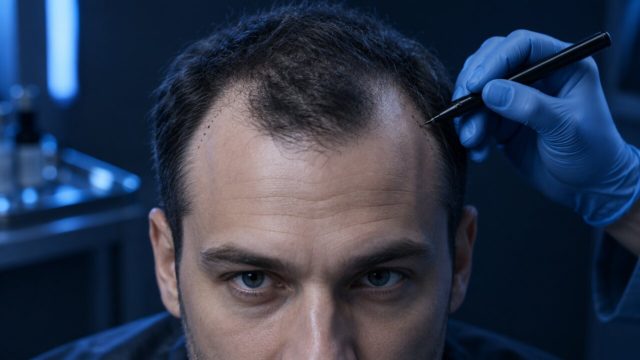
Hair plug removal is one possible part of repairing an older hair transplant, but it is not always the only or best solution. Older procedures often used larger round grafts containing many hairs. When these grafts were placed along the hairline or too close together, they could create a clustered, doll-like, or uneven appearance. Modern repair planning looks beyond simply taking plugs out. It considers how to create a softer transition from the forehead into the transplanted area, how to protect the donor area, and how to use any remaining hair in the most effective way. Your doctor will normally examine the scalp closely before deciding which grafts, if any, should be altered.
The term hair plugs is commonly used for older large grafts, although patients may use it to describe several different concerns. Some people dislike visibly rounded grafts at the front of the scalp. Others are more concerned about an unnaturally straight hairline, wide scars, hair growing in the wrong direction, or a contrast between coarse transplanted hair and thinning natural hair. These concerns may occur separately or together. A successful revision therefore begins by identifying the specific features that are most noticeable in normal lighting, at different hair lengths, and from conversational distance.
Repair can be worthwhile for people who feel self-conscious about a previous transplant, but it should be approached as a gradual reconstruction process rather than a quick correction. In most patients, the aim is improvement and better blending, not erasing every sign of earlier surgery. The quality of the scalp tissue, degree of existing scarring, hair colour and texture, available donor hair, and future pattern of hair loss can all affect the plan. A conservative, well-designed repair may provide a more natural result than an aggressive attempt to change everything in one session.
02Why Old Plug Grafts Can Look Unnatural
The main downside of traditional plug grafts is their size. Large circular grafts can contain multiple hairs that emerge from one small area. Natural hairlines do not usually grow this way. They tend to have irregular spacing, single finer hairs at the leading edge, and gradual increases in density behind the hairline. When several thick grafts sit close together, especially in a straight line, the pattern can appear obvious. This visibility may become stronger when the hair is wet, cut short, styled away from the face, or viewed under bright overhead light.
Hair direction is another important consideration. In a natural hairline, hairs grow forward and slightly to the side, with subtle variation across the temples and frontal scalp. Older grafts may have been placed at an angle that does not match this pattern. A graft can be healthy and continue growing, yet still look out of place because its direction, curl, calibre, or position does not blend with surrounding hair. Revision surgery may address this by removing selected grafts, trimming their visible effect, or placing finer grafts around them to soften the contrast.
Scarring may also contribute to dissatisfaction. Older plug harvesting techniques sometimes left round, lighter, raised, depressed, or uneven scars in the donor area. The recipient area can also show small textural changes around grafts. Scar appearance varies between individuals and cannot be predicted precisely in advance. Factors such as skin type, healing response, previous procedures, sun exposure, and local circulation may all play a role. During a consultation, the doctor should assess both the front of the scalp and the donor area, because a repair plan that improves one area should not create an avoidable concern in another.
03Hair Plug Removal: Excision, Reduction, and Redistribution
Hair plug removal may involve surgical excision of selected grafts, but this technique is chosen selectively. During excision, a doctor removes a plug or part of a plug from the recipient area and closes or manages the small wound according to the clinical plan. This can reduce the prominence of particularly large or poorly positioned grafts. It may be helpful when a few plugs create the main cosmetic issue, such as a highly visible row at the hairline. However, removing many grafts at once may not be appropriate if it could place excess tension on the scalp or leave additional visible marks.
In some cases, graft reduction is considered instead of complete removal. This means making a large graft less noticeable while preserving some growing hair. A surgeon may divide a larger graft into smaller units when the tissue quality and graft structure allow it. The resulting follicular units may potentially be reused in a less visible area, although this depends on the condition of the graft and the surgeon’s assessment. Not every old plug can be safely divided or reused. Some grafts may have scar tissue around them, limited blood supply, or an arrangement that makes redistribution less predictable.
A staged approach is common in complex repairs. One session may focus on reducing the most conspicuous plugs, while a later session improves the hairline with finer grafts or treats donor scars. This allows healing to be monitored before more grafts are placed. It also gives the doctor an opportunity to reassess density and scalp flexibility. Hair plug removal is therefore best viewed as one tool within a wider repair strategy. The preferred method will depend on whether the priority is lowering visibility, rebuilding a natural hairline, managing scars, conserving grafts, or combining several of these goals over time.
04Rebuilding a Softer and More Natural Hairline
After prominent grafts have been removed, reduced, or left in place, many repairs focus on camouflage through strategic placement of finer grafts. The aim is often to create a gradual transition rather than a dense, sharp edge. Single-hair grafts may be considered at the front of the hairline, while slightly fuller grafts can be placed behind them to build density. The hairline should usually reflect the patient’s age, facial proportions, likely future hair loss, and existing transplanted pattern. A low or overly straight hairline can be difficult to revise later, so careful design is important.
Modern techniques such as Sapphire FUE and DHI may be used as part of a repair plan when appropriate. These approaches can help place grafts with attention to angle, direction, and spacing. They do not automatically solve the challenges created by previous surgery, however. Repair work can be more technically demanding than a first transplant because the scalp may contain scars, existing grafts, and variable blood supply. Your doctor will determine whether the recipient area can safely receive additional grafts and whether another technique may be more suitable for the condition of the scalp.
Camouflage does not necessarily mean adding as much hair as possible. In many cases, the visual improvement comes from breaking up obvious clusters, framing them with naturally placed finer hairs, and creating an irregular but balanced hairline shape. Hair texture can also influence the design. Curly or wavy hair may provide more coverage than very straight hair, while coarse hair can create greater visual density but may require especially careful placement at the front. A realistic plan considers these features rather than promising that every former plug will become invisible.
05Donor Scars, Limited Graft Supply, and Scalp Health
The donor area deserves the same attention as the visible hairline. Patients who had older plug procedures may have multiple round scars, a widened linear scar, or reduced hair density in the back and sides of the scalp. Before recommending further extraction, a doctor should assess donor density, scalp condition, scar placement, and the degree to which the donor region can safely support another procedure. Taking too many additional grafts from an already affected donor area may increase the risk of a patchy appearance, so conservation is a central principle of repair planning.
Scar management can include surgical revision in selected cases, placing carefully chosen grafts into scars, or using styling and length strategies to reduce contrast. Scar tissue may receive grafts differently from healthy scalp because its blood supply and texture can be altered. For this reason, graft survival and healing can be less predictable in a scarred area. Some patients may need more than one stage to build coverage gradually. Your doctor should explain the limits of scar treatment and discuss whether the goal is reducing visibility, improving texture, adding hair growth, or a combination of these aims.
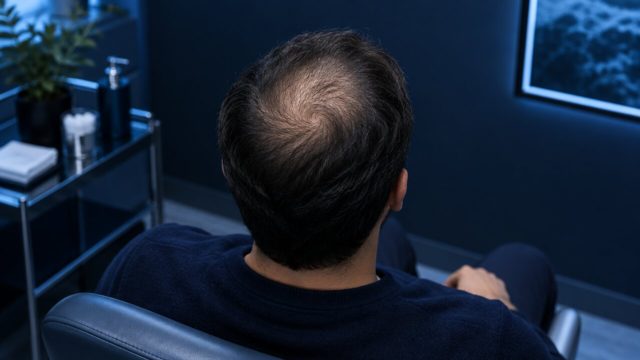
Scalp health also matters. Active inflammation, skin conditions, infection, uncontrolled medical issues, or certain medicines may affect the timing and suitability of surgery. The medical team may ask about previous operations, healing history, smoking, medications, and family hair-loss patterns. These questions help identify possible risks and protect long-term planning. If ongoing hair thinning is present behind the transplanted area, the repair design must account for it. Otherwise, a repaired front hairline could later appear separate from the surrounding hair as natural loss progresses.
06What the Repair Process and Recovery May Involve
A repair consultation generally starts with a review of previous transplant history and a close examination of the scalp. If available, information about prior procedure dates, techniques, number of grafts, and healing concerns can be useful. The doctor may assess hair density, scalp mobility, donor reserves, scar characteristics, and the placement of the old grafts. Photographs taken from several angles can help with planning and future comparison. At Acibadem Hair Transplant Center in Istanbul, patients can begin with a free online hair analysis reviewed by doctors before travelling, although an in-person assessment remains important for surgical decisions.
If hair plug removal is recommended, the procedure and aftercare will depend on the chosen technique. Small treated areas may form temporary redness, swelling, crusting, or tenderness as they heal. Patients are usually given instructions on washing, sleeping position, activity, sun protection, and when to return for review. It is important not to pick at crusts or put pressure on healing areas unless the clinical team has advised otherwise. Needle-free anaesthesia may be available for suitable patients, but the doctor will confirm whether it is appropriate for the planned treatment.
Newly placed grafts and revised areas need time to settle. Existing hairs around the treatment zone may temporarily shed due to surgical stress, and newly transplanted hairs commonly follow a growth cycle before visible maturation. This means the appearance can change gradually over many months. Scar remodelling may also continue during this period. Follow-up appointments allow the team to check healing, discuss any concerns, and decide whether a second stage should be considered. A responsible timeline prioritises scalp safety and stable healing rather than rushing additional procedures.
07Choosing Between Revision, Camouflage, or No Further Surgery
Further surgery is not the right choice for every person with old plugs. If the plugs are not very visible, if donor reserves are limited, or if the scalp has significant scarring, a conservative approach may be preferable. Some people choose a hairstyle that provides more coverage, keep their hair longer in specific areas, or use non-surgical cosmetic camouflage. Others may decide that the potential benefits of a repair do not outweigh the recovery time, cost, surgical risks, or uncertainty involved. These are valid considerations that should be discussed openly during a medical consultation.
For patients who do pursue revision, it helps to prioritise the features that have the greatest effect on daily confidence. A small number of prominent hairline plugs may be more noticeable than a larger area of moderate density behind them. Similarly, improving the outline and direction of the front hairline may create a more natural overall impression even if full density is not possible. Bringing clear goals to the consultation can help the doctor explain what is clinically realistic and whether those goals require one session, several stages, or a non-surgical alternative.
When comparing repair options, ask how the proposed plan protects the donor area, handles visible scars, accounts for future hair loss, and measures progress over time. Ask what degree of improvement is reasonably expected and what limitations may remain. International patients should also consider the practical value of organised follow-up. Acibadem Hair Transplant Center provides all-inclusive packages that can include VIP transfer, a 4-star hotel, a care kit, and 12 months of follow-up. The clinic is licensed by the Turkish Ministry of Health, and its team can explain the available support and clinical process before travel.
08Frequently Asked Questions
Is it possible to remove old hair plugs?
Yes, selected old plug grafts can often be removed, reduced, or revised surgically. Complete removal is not always necessary or advisable, because the safest and most natural approach may combine selective excision with graft redistribution or camouflage. A doctor needs to assess scar tissue, scalp flexibility, and donor reserves before recommending a method.
What are the main disadvantages of traditional hair plugs?
Traditional large plug grafts may create an obvious clustered appearance, particularly at the hairline. They can also be associated with unnatural hair direction, uneven density, a straight hairline, and visible donor or recipient scars. Not every older transplant has all of these concerns, and the degree of visibility varies with hair type, styling, and lighting.
Will old hair plugs fall out over time?
Transplanted hairs in old plug grafts may continue to grow for many years because they are usually taken from genetically more resistant donor areas. However, the surrounding natural hair may continue to thin, which can make old plugs look more noticeable over time. Individual graft survival and future hair loss patterns vary, so your doctor can assess the current situation.
Can you recognise when someone has hair plugs?
Sometimes, especially when large grafts create a repeated round pattern, an unusually straight hairline, or thick clusters of hair at the front of the scalp. They may be more visible in bright light, with short haircuts, or when wet. Well-blended old grafts can be difficult to identify, and a professional assessment is needed to distinguish plugs from other hair or scalp concerns.
Este artículo tiene fines exclusivamente informativos y no sustituye el consejo médico profesional.
Esta guía es de carácter informativo y no sustituye una consulta médica. Las decisiones de tratamiento se toman tras una valoración médica presencial u online.