Dans cet article13
- What Hair Surgery Costs Usually Reflect
- The Clinical Assessment Behind a Treatment Plan
- How Graft Numbers Influence Hair Surgery Costs
- Sapphire FUE and DHI: Why Technique Can Matter
- Medical Care, Anaesthesia, and Procedure-Day Support
- Aftercare and Follow-Up Included in a Plan
- Travel, Accommodation, and International Patient Services
- How to Compare Quotes Without Focusing Only on Price
- The First 14 Days: Practical Recovery Planning
- Hair Growth Timeline: What Patients May Notice Month by Month
- When Surgery May Need to Be Delayed or Reconsidered
- Travel Checklist for International Hair Transplant Patients
- Frequently Asked Questions
Hair surgery costs can vary because each treatment plan is based on the type of hair loss, the number of grafts needed, the technique selected, and the level of care included. A clear plan should explain clinical services, aftercare, travel support where relevant, and any items that may be charged separately.
- The number of grafts is an important cost factor, but it is not the only measure of a suitable treatment plan.
- Sapphire FUE and DHI are different implantation approaches, and your doctor will confirm which may be appropriate.
- A transparent quotation should clarify whether consultation, anaesthesia, medication, accommodation, transfers, and follow-up are included.
- Long-term value depends on careful planning, safe clinical standards, realistic expectations, and continued care for existing hair.
- International patients should compare the full treatment journey rather than looking only at an advertised starting price.
01What Hair Surgery Costs Usually Reflect
Hair surgery costs are usually shaped by much more than the procedure day itself. A responsible quotation may reflect medical assessment, surgical planning, the number of grafts, the hair restoration method, the clinical team, anaesthesia, aftercare, and follow-up support. For patients travelling abroad, it may also include practical arrangements such as airport transfers and accommodation. Looking at these parts separately can make it easier to understand what you are being offered.
Hair transplantation is not a standard product with one fixed price. Two people with a similar-looking concern may need different approaches because their donor area, hair calibre, curl pattern, scalp condition, hairline goals, and future hair-loss pattern can differ. A doctor should assess these factors before confirming whether surgery is suitable and before suggesting an approximate graft range.
It is also useful to remember that a low initial figure may not show the complete cost of care. Some plans may exclude medication, blood tests, follow-up appointments, transport, hotel stays, or post-procedure products. Asking for a written list of inclusions and exclusions helps patients make a more meaningful comparison and prepare for the full journey.
02The Clinical Assessment Behind a Treatment Plan
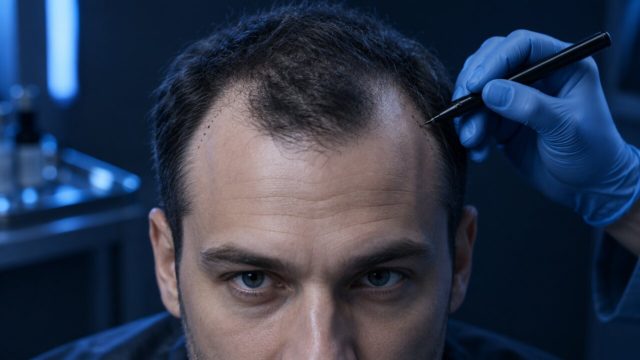
A treatment plan should begin with an assessment rather than a graft number chosen in advance. During a consultation, the medical team typically reviews the pattern and stability of hair loss, the quality and density of the donor area, scalp health, medical history, and the patient’s expectations. This process helps determine whether a transplant may be appropriate now or whether other steps should be considered first.
The donor area is particularly important because it is a limited resource. Grafts are normally taken from hair that is more resistant to thinning, often at the back and sides of the scalp. The aim is generally to distribute available donor hair carefully, while preserving a natural appearance in both the donor and recipient areas. A larger graft number is not automatically better if it places unnecessary pressure on the donor supply.
At Acibadem Hair Transplant Center, patients can request a free online hair analysis reviewed by doctors. Images and health information can support an initial discussion, although an online review cannot replace the checks needed before treatment. Replies are usually available on WhatsApp within around two hours, helping international patients understand the next steps before they travel.
03How Graft Numbers Influence Hair Surgery Costs
Graft numbers are one reason hair surgery costs can differ between patients. A graft is a naturally occurring group of hairs, not always a single hair. One graft may contain one, two, three, or sometimes more hairs, so a graft total does not tell the whole story about expected visual density. The placement area, hair characteristics, and design goals all matter.
A smaller session may focus on a receding hairline, temples, or a limited area of thinning. A larger session may be discussed when hair loss affects the frontal area, mid-scalp, crown, or more than one zone. However, the appropriate number of grafts should be based on a clinical examination and a long-term strategy, not simply on a target requested from a chart or online advertisement.
Planning also involves deciding where grafts may have the greatest visual effect. The front of the scalp often frames the face, while crown coverage can require a larger area of distribution. Your doctor may explain the balance between density, coverage, donor preservation, and the possibility that hair loss could continue over time. This is why accurate graft planning is central to both safety and value.
04Sapphire FUE and DHI: Why Technique Can Matter
Technique may affect the structure of a treatment plan. Sapphire FUE is a follicular unit extraction approach in which individual grafts are removed from the donor area and then placed into carefully prepared recipient channels. Sapphire blades may be used for channel opening, with the goal of supporting precise angle and direction planning for the transplanted hair.
DHI also uses individually extracted grafts, but implantation is commonly performed with an implanter tool. This can allow the team to place grafts during the implantation stage without the same separate channel-opening process used in many FUE procedures. Neither method is universally best for every person, and suitability depends on the scalp, hair characteristics, area to be treated, and clinical plan.
When comparing proposals, patients may wish to ask which technique is being recommended and why. It is reasonable to ask how the hairline design, graft handling, implantation direction, and donor-area management will be planned. A clear answer should focus on your assessed needs rather than presenting one technique as a guaranteed solution for every type of hair loss.
05Medical Care, Anaesthesia, and Procedure-Day Support
The quality of medical care around surgery is a meaningful part of treatment value. A plan may include pre-procedure checks, preparation of the donor and recipient areas, local anaesthesia, graft extraction, implantation, monitoring, and discharge instructions. The exact steps can vary depending on the method used and the patient’s medical situation, so the clinic should explain what is expected on the day.
Some patients feel concerned about injections used for local anaesthesia. Needle-free anaesthesia is available at Acibadem Hair Transplant Center for suitable patients. This option should be discussed with the medical team, who will confirm whether it can be used in your situation and explain the process, benefits, and any limitations clearly.
Safety should remain more important than speed or a promotional promise. Patients should be able to ask who will be involved in their care, how medical oversight is provided, and what happens if a pre-procedure check identifies a reason to postpone treatment. As a dedicated hair restoration clinic in Istanbul licensed by the Turkish Ministry of Health, Acibadem Hair Transplant Center follows a clinical pathway designed for international hair restoration patients.
06Aftercare and Follow-Up Included in a Plan
Hair transplantation continues after the procedure day. The scalp needs time to heal, and patients are normally given washing guidance, instructions on sleeping position, activity restrictions, and advice about protecting the recipient area. A complete plan may include a care kit and written aftercare information so that the patient knows how to look after both the donor and implanted areas during early recovery.
It is normal for transplanted hairs to shed in the weeks after surgery before new growth begins. Visible development is gradual, and the timeline differs between individuals. Follow-up is useful because it allows the clinic to review progress, answer practical questions, and identify whether the recovery appears consistent with expectations. Patients should contact their clinic promptly if they have concerning symptoms or are unsure about aftercare instructions.
Acibadem Hair Transplant Center offers all-inclusive packages that include a care kit and 12 months of follow-up. The center measures results by trichoscopic graft survival at month 12 and documents a 98% rate under its written guarantee. Individual healing and cosmetic appearance can still vary, and the medical team will explain the terms and clinical criteria of any guarantee before treatment.
07Travel, Accommodation, and International Patient Services
For international visitors, hair surgery costs should be considered alongside the logistics of travel. A plan that appears straightforward may become more complicated if the patient needs to arrange airport transport, local travel, hotel accommodation, communication support, or early post-procedure assistance alone. Bringing these elements together can reduce practical stress around a medical trip.
All-inclusive packages at Acibadem Hair Transplant Center include VIP transfer and a 4-star hotel, in addition to clinical care, a care kit, and 12 months of follow-up. Patients should still check the exact itinerary, number of hotel nights, travel dates, and what is or is not covered before booking flights. Personal travel expenses and requirements can differ depending on the country of departure and individual plans.
The center has welcomed patients from 38 countries over 12 years. For many international patients, clear communication before arrival is as important as the procedure itself. Sharing accurate photographs and medical information during the online review, asking questions in advance, and understanding the recovery schedule can help patients decide whether travel timing is realistic for them.
08How to Compare Quotes Without Focusing Only on Price
When researching hair surgery costs, it is sensible to compare like with like. Ask whether the quotation includes the consultation, procedure, chosen technique, anaesthesia, medication or care products, follow-up, hotel, transfers, and any potential additional charges. A low figure may represent a narrower service than a higher figure, so the list of inclusions is often more informative than the headline number.
It is also important to assess whether the plan feels medically appropriate. Be cautious of offers that promise a specific number of grafts before a proper assessment, guarantee a particular cosmetic result, or suggest that everyone is suitable for the same technique. A good plan should address donor capacity, the possible progression of hair loss, realistic density, and the need to protect existing hair.
Value is usually based on the quality and continuity of care rather than the procedure alone. Patients may benefit from considering clinic licensing, communication, doctor-led assessment, follow-up arrangements, and written documentation as well as cost. The right decision is personal, but it should be made with clear information, enough time for questions, and expectations that match what treatment can reasonably achieve.
09The First 14 Days: Practical Recovery Planning
The first two weeks are an important part of the treatment journey because the implanted grafts are still settling. Before leaving the clinic, patients should understand when to begin the recommended washing routine, how to apply any supplied products, and how to avoid rubbing, scratching, or putting pressure on the recipient area. Instructions can differ according to the procedure and your clinical needs, so the clinic’s written guidance should always take priority over general information.
Many patients are advised to sleep with the head elevated for the first few nights to help manage swelling. Loose, front-opening clothing can also be practical because it reduces the need to pull garments over the scalp. It is usually sensible to plan a calm schedule after surgery, with time to rest and without social or work commitments that may make aftercare difficult.
Exercise, heavy lifting, swimming, saunas, and prolonged sun exposure may need to be avoided for a period advised by the medical team. These activities can increase sweating, friction, or irritation while the scalp is healing. Patients should also ask when it is appropriate to return to hats, helmets, haircuts, colouring products, and their normal gym routine, as the answer may vary between individuals.
Mild redness, scabbing, sensitivity, or temporary swelling can occur during early recovery. However, patients should not try to manage concerning symptoms alone. Increasing pain, spreading redness, fever, unusual discharge, significant bleeding, or any symptom that feels unexpected should be reported promptly to the clinic or an appropriate local medical service. Clear access to follow-up support is especially valuable once an international patient has returned home.
10Hair Growth Timeline: What Patients May Notice Month by Month
A hair transplant does not usually produce an immediate cosmetic result. During the first days, small crusts can form around the implanted hairs as part of normal healing. In the following weeks, many transplanted hairs commonly shed. This stage can be worrying if it is unexpected, but shedding of the hair shaft does not necessarily mean that the follicle has been lost. Your clinical team can explain what is typical for your recovery and when to contact them for advice.
New growth often begins gradually after the early shedding phase. At first, the hairs may appear fine, uneven, or less dense than expected. Growth commonly becomes more noticeable over the following months, although the speed and appearance of change differ between patients. The crown can sometimes appear slower to develop than the frontal area because of its blood supply, hair-growth cycle, and the wider area that may need coverage.
By month 12, many patients have a clearer view of the outcome, including the direction, coverage, and maturing texture of the transplanted hair. Final appearance can continue to evolve beyond this point in some cases. At Acibadem Hair Transplant Center, trichoscopic graft survival is measured at month 12, with a documented 98% rate under the center’s written guarantee. This measurement is different from promising an identical cosmetic result for every patient, as individual hair characteristics, healing, and ongoing natural hair loss can affect visible appearance.
Taking consistent progress photographs can make gradual changes easier to recognise. Patients may wish to use similar lighting, hair length, angle, and distance each time rather than comparing unrelated photographs. Follow-up discussions are also a good opportunity to ask about ongoing care for existing hair, which remains separate from the transplanted follicles.
11When Surgery May Need to Be Delayed or Reconsidered
Not every person with thinning hair is ready for hair transplantation immediately. A transplant is generally most suitable when the cause and pattern of hair loss have been assessed and there is enough healthy donor hair to support a responsible plan. If hair loss is very recent, rapidly progressing, patchy, or linked to an untreated scalp condition, further medical evaluation may be needed before surgery is considered.
Age alone does not decide candidacy, but future hair-loss progression is particularly relevant for younger adults and for anyone with an unstable pattern of thinning. A very low or dense hairline may look appealing in the short term but may use donor grafts that could be needed later. Doctors therefore usually consider facial proportions, family history, current hair-loss pattern, and the need to maintain a natural-looking plan if further loss occurs.
Certain health conditions, medications, smoking habits, scalp infections, or healing concerns may affect the safety or timing of treatment. Patients should disclose their full medical history, allergies, regular medicines, supplements, and any previous scalp procedures during the assessment. The doctor may request further checks, recommend postponement, or advise that surgery is not appropriate. This is a protective part of responsible clinical decision-making, not a sign that the consultation has failed.
People with limited donor density may still be able to discuss options, but expectations about coverage and density need to remain realistic. In some cases, a conservative design, a smaller treatment area, or a staged approach may be discussed. Your doctor will confirm what can be planned safely without overharvesting the donor area.
12Travel Checklist for International Hair Transplant Patients
International patients can make the visit easier by planning the travel schedule around recovery rather than around the lowest flight price alone. It is helpful to confirm the appointment date, arrival time, hotel nights, transfer details, and expected departure timing before booking non-refundable flights. Patients should also allow enough flexibility for possible travel disruption and check passport, visa, airline, and travel-insurance requirements independently.
A small hand-luggage bag can be useful for keeping essential documents, prescribed medicines, comfortable front-opening clothing, and the clinic’s contact details close by. Avoid packing important aftercare items only in checked luggage if you will need them soon after landing. The clinic should explain what care products are provided and whether any items are subject to airline liquid restrictions.
Long journeys home require practical planning. Patients may want to choose comfortable seating, avoid carrying heavy bags where possible, and arrange help with transport after landing. They should follow the clinic’s guidance on protecting the scalp during travel and ask in advance about any restrictions related to headwear, washing, or physical activity. If a transfer is included, confirming the meeting point and contact process can prevent unnecessary stress after arrival.
Acibadem Hair Transplant Center provides all-inclusive packages with VIP transfer, a 4-star hotel, a care kit, and 12 months of follow-up. Even with these services included, patients should request a written itinerary that confirms what is covered, what they need to arrange themselves, and how to reach the support team after returning home. A free online hair analysis reviewed by doctors can help patients discuss these practical points before travel, with WhatsApp replies usually available within around two hours.
13Frequently Asked Questions
How long can a hair transplant usually last?
In most patients, transplanted follicles are taken from an area that is relatively resistant to the hormone-related process behind common pattern hair loss, so the transplanted hair can be long-lasting. However, existing non-transplanted hair may continue to thin over time. Your doctor can discuss the likely long-term plan, including whether future treatment or another procedure may be considered.
What may 3,000 hair grafts cost?
The cost of 3,000 grafts can vary widely by country, clinic standards, technique, medical services, and whether travel and follow-up are included. A graft total alone does not show whether that number is suitable for your donor area or treatment goals. Requesting a written, personalised plan after a medical assessment is the safest way to understand the likely cost.
Is hair surgery worth considering?
Hair surgery may be worth considering for people who are suitable candidates, understand the recovery process, and have realistic expectations about density and growth timing. Its value depends on factors such as stable planning, donor availability, quality of care, and the importance you place on the result. A doctor should confirm whether a transplant is appropriate for your type of hair loss before you decide.
What might 5,000 hair grafts cost in the USA?
There is no single reliable price for 5,000 grafts in the USA because fees vary substantially between regions, clinics, techniques, and the services included. A session of this size also requires careful donor-area assessment and may not be suitable for every patient. It is best to obtain a detailed quotation that explains the medical plan, graft strategy, aftercare, and any additional charges.
Cet article est fourni à titre d’information générale uniquement et ne remplace pas un avis médical professionnel.
Ce guide est fourni à titre d’information générale et ne remplace pas une consultation médicale. Les décisions de traitement sont prises après une évaluation par un médecin, en personne ou en ligne.