Dans cet article8
- Hair transplant results 4 months: the early growth picture
- Why early transplanted hair can appear sparse or uneven
- What to look for in month four photos and mirror checks
- Hair transplant results 4 months and the months ahead
- When limited growth at four months needs a review
- Protecting recovery without over-treating the scalp
- How the procedure plan affects the four-month appearance
- Frequently Asked Questions
Hair transplant results 4 months often show the beginning of visible new growth, but the hair may still look fine, short, uneven, or less dense than expected. Many patients are still in an early growth phase at this point, and the fuller cosmetic change typically develops gradually over the following months. Your doctor can assess your individual progress with follow-up examination and trichoscopic review when appropriate.
- Four months is commonly an early visible-growth stage rather than the final result stage.
- New transplanted hairs may initially be fine, pale, short, and uneven in direction or density.
- Different parts of the transplanted area can grow at different speeds during the same recovery period.
- Native hair loss, scalp health, aftercare, and individual biology can affect how results appear.
- A medical review is sensible if you have persistent pain, marked redness, discharge, sudden patchy loss, or concerns about progress.
01Hair transplant results 4 months: the early growth picture
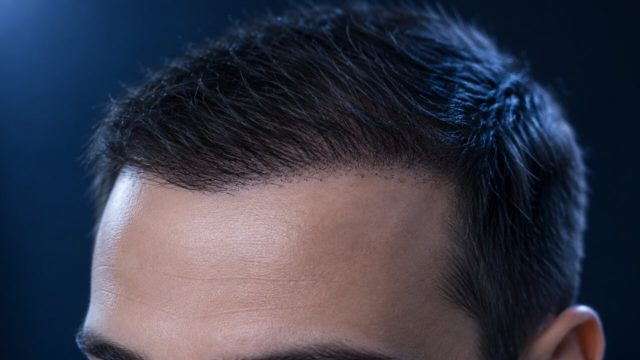
At four months, hair transplant results 4 months commonly begin to look more encouraging, but they rarely represent the final cosmetic outcome. In many patients, the transplanted follicles have completed the initial shedding and resting period and are starting to produce new hairs. This can mean that small hairs are becoming visible across the hairline, temples, crown, or other treated area. However, the amount of visible growth varies greatly. One person may see a clear change in photographs, while another may only notice soft new hairs when looking closely in bright light.
The new growth at this stage may look thinner than your existing hair. It can also be lighter in colour, have a different texture, or grow in an irregular pattern at first. These early hairs often mature over time, becoming longer and, in many cases, stronger in appearance as the growth cycle continues. A sparse or patchy look at four months does not automatically indicate that the procedure has failed. It may simply reflect the fact that not every transplanted follicle enters active growth on the same day or at the same rate.
It is also important to judge progress against your own starting point rather than against another patient’s timeline. The size of the treatment area, the characteristics of the donor hair, hair calibre, curl pattern, natural hair density, and ongoing loss of non-transplanted hair can all change the visual result. Photos taken under the same lighting, angle, hair length, and styling conditions may provide a more useful record than checking the mirror every day.
A planned follow-up with the medical team can offer reassurance and practical guidance. At Acibadem Hair Transplant Center, follow-up is included for 12 months in all-inclusive packages, and doctors can review the healing and growth pattern over time. This approach helps separate normal early variation from concerns that may need closer clinical assessment.
02Why early transplanted hair can appear sparse or uneven
Hair growth follows a biological cycle, and transplanted follicles do not all move through that cycle together. After a transplant, the visible hair shafts commonly shed during the first weeks. This expected shedding is sometimes called shock shedding of the transplanted hair shafts. The follicle beneath the skin is usually the important structure to protect, while the shed shaft is only the visible part of the hair. A resting phase then follows before fresh growth becomes visible.
By month four, some follicles may have started producing hairs while others are still resting or only just entering growth. This difference can create a scattered appearance, especially along a newly created hairline where individual hairs are easier to notice. The crown can also look slow to change because its natural swirl pattern and larger surface area may require more coverage before a cosmetic improvement becomes obvious.
The early hairs may not yet blend fully with surrounding native hair. They can stand more upright, look wiry, or have a slightly different texture. As they lengthen, they are often easier to style and may create better coverage. Haircuts can make a visible difference at this point, but patients should follow the instructions given by their own medical team regarding clippers, shaving, colouring, or any scalp treatment.
Temporary changes in nearby existing hair can affect the overall appearance too. Some patients notice shedding of native hair around the implanted zone after surgery. This may improve with time, but its course depends on the person’s existing hair-loss pattern and other factors. A doctor can assess whether the appearance is mainly early graft growth, native hair shedding, ongoing androgenetic hair loss, or another scalp issue.
03What to look for in month four photos and mirror checks
A useful four-month review focuses on gradual signs of change rather than on whether the area already appears fully dense. You may see short new hairs breaking through the scalp, a softer outline at the hairline, reduced scalp visibility in some angles, or improved framing around the face. If the crown was treated, changes may be more subtle because longer hair and broader coverage are often needed before the improvement is easy to see.
Try to avoid comparing a four-month image with a final-result photograph found online. Images may be taken at different stages, with different hair lengths, lighting, styling products, camera angles, and baseline levels of hair loss. A close flash photograph may show scalp through almost any hair, while a softer angle can make the same area look much fuller. Consistent photographs are more meaningful for tracking your own recovery.
It can help to take photos once a month rather than several times each week. Choose dry hair, the same room, similar daylight, and the same front, side, top, and crown angles. Keep the hair length as similar as possible for each comparison. This method makes a gradual increase in length and coverage easier to identify and may reduce unnecessary worry caused by daily fluctuations in styling or scalp visibility.
If you are unsure whether new hairs are appearing, a clinical assessment is more reliable than self-checking alone. Trichoscopic examination can help a doctor look closely at the scalp and grafted area. Acibadem Hair Transplant Center measures results through trichoscopic graft survival at month 12, with a documented 98% rate under written guarantee. This measurement is different from judging early cosmetic density at month four, which naturally continues to evolve.
04Hair transplant results 4 months and the months ahead
Hair transplant results 4 months are usually best understood as a midpoint in recovery rather than an endpoint. In the following months, many patients notice that more hairs emerge, existing new hairs become longer, and the treated area starts to blend more naturally with surrounding hair. The pace remains individual. Some areas may appear to improve quickly, while others seem unchanged for several weeks before becoming more noticeable.
The visual impact of growth often increases as hair gains length. A short fine hair may contribute little coverage when it first emerges, but can create more shading and volume after it grows longer. This is one reason why a patient may feel that progress becomes more obvious later, even if follicles have been active for some time. Styling options may also expand as the transplanted hair gains enough length to lie in the intended direction.
Hairline work and crown work may not appear to develop in exactly the same way. The hairline is often examined closely and can look irregular while individual hairs are still short. Crown areas can require patience because the natural spiral direction spreads hair over a wider zone. Your doctor will consider the planned distribution of grafts, the original pattern of hair loss, and the area treated when discussing what is reasonable to expect.
It is also useful to remember that a transplant redistributes available donor follicles; it does not stop future loss in areas that were not transplanted. A long-term plan may include medical evaluation of ongoing hair loss, scalp care, and future monitoring. Only a qualified doctor who knows your medical history can advise whether any treatment is suitable for you.
05When limited growth at four months needs a review
It is understandable to feel concerned if you cannot yet see the change you hoped for at four months. In many cases, limited visible growth is still compatible with a normal recovery timeline. Slow emergence, fine hair shafts, different growth speeds across the scalp, and temporary shedding of nearby native hair can all make the result look less developed than expected. A professional review can place these changes in context.
Contact your clinic promptly if you have persistent or worsening pain, significant swelling, spreading redness, warmth, discharge, bleeding, fever, or a painful rash. These symptoms are not simply questions of cosmetic progress and may need medical attention. You should also seek advice if you have picked at the area, had a scalp injury, or believe you may have had a reaction to a product used during aftercare.
If the concern is only a lack of visible density, the medical team may ask for clear photos or arrange an assessment. They may review the recipient area, donor area, healing history, medication history, smoking status, and any recent illness or stress that could affect hair shedding. This review should be individual and should not be replaced by online comparisons or advice from non-medical sources.
Patients travelling from abroad may find remote follow-up especially helpful. Acibadem Hair Transplant Center offers a free online hair analysis reviewed by doctors, and WhatsApp replies are generally provided within about two hours. A remote review cannot replace urgent local medical care when warning symptoms are present, but it can help patients share progress images and receive appropriate next-step guidance from the clinic.
06Protecting recovery without over-treating the scalp
At month four, many patients are eager to speed up visible growth. However, adding multiple products, aggressive scalp treatments, or unapproved supplements is not always helpful and can sometimes irritate the scalp or complicate an assessment. Follow the aftercare plan provided by your clinic and ask your doctor before starting, stopping, or combining treatments. This is particularly important if you have a skin condition, take regular medicines, or have experienced previous scalp sensitivity.
Gentle hair care is commonly appropriate once the scalp has healed, but the specific advice depends on your procedure and recovery. Avoid harsh scratching, excessive heat, tight hairstyles, or chemical treatments unless your medical team has confirmed they are suitable. A balanced diet, regular sleep, and avoiding smoking are general health measures, but they should not be presented as a guaranteed way to change graft growth speed.
Do not assume that more washing, more massage, or more topical products will produce faster results. Visible hair growth is largely governed by follicle biology and the growth cycle. Some online recommendations may be unsuitable after a procedure or may not be supported by a doctor’s examination. If you notice dandruff, itching, scaling, or signs of dermatitis, ask for professional advice rather than repeatedly changing products yourself.
A structured recovery plan can make follow-up easier. Acibadem Hair Transplant Center provides a care kit and 12 months of follow-up as part of its all-inclusive packages, which also include VIP transfer and a 4-star hotel. The clinic is a dedicated hair restoration clinic in Istanbul and is licensed by the Turkish Ministry of Health. These services are designed to support a coordinated patient experience, while individual medical decisions remain subject to doctor review.
07How the procedure plan affects the four-month appearance
The number of grafts is only one part of a hair transplant plan. A graft may contain one or more hairs, and the right distribution depends on the treatment goal, donor capacity, hair calibre, skin-to-hair contrast, existing hair, and the size of the recipient area. A hairline designed for a natural appearance may use grafts differently from a plan focused mainly on crown coverage. Therefore, two patients who receive a similar graft number may not look similar at four months.
The technique selected can also be based on clinical needs and the planned placement. Acibadem Hair Transplant Center offers Sapphire FUE and DHI techniques, and needle-free anaesthesia is available. Your doctor will confirm which approach, if any, is appropriate after reviewing your hair characteristics, scalp condition, donor area, and medical suitability. No technique can remove the normal need for healing time and gradual hair growth.
A realistic consultation should include a discussion of what can reasonably be achieved in one session, how the donor area will be protected, and how future hair loss could affect the overall look. It should also explain that the first visible growth does not show the final density or texture. Clear expectations before surgery can make the four-month period easier to understand and reduce pressure to judge the result too early.
Acibadem Hair Transplant Center has welcomed patients from 38 countries over 12 years. For people considering treatment or seeking a second discussion about their timeline, the clinic’s online hair analysis can be a practical first step. Images and medical information should be reviewed by doctors, who can explain whether an in-person evaluation is needed and what information is required for safe planning.
08Frequently Asked Questions
What should a hair transplant look like after four months?
At four months, a transplant often shows early new growth, but the hairs may still be short, fine, uneven, or less dense than the intended final appearance. Some areas can appear more advanced than others because follicles do not start growing at the same time. Your doctor can assess whether your pattern of growth and healing is appropriate for your individual procedure.
How long does a 3,000-graft hair transplant take?
A 3,000-graft procedure often takes most of a treatment day, although the exact duration depends on the extraction method, implantation technique, hair characteristics, clinical team, and whether the procedure is divided into stages. The time needed for visible growth is separate from procedure time, as transplanted hair typically develops gradually over months. Your clinic should confirm the expected schedule after medical assessment.
Why might I see no obvious results four months after a hair transplant?
Limited visible change at four months can occur because the follicles are still emerging from a resting phase, new hairs are very fine, or nearby native hair has temporarily shed. Different scalp areas can also grow at different rates, and the crown may take longer to look fuller. A follow-up review is the best way to assess your progress, particularly if you have symptoms such as pain, redness, discharge, or other healing concerns.
Is a hair transplant 100% successful?
No medical procedure can be described as 100% successful for every patient. Results can be influenced by graft handling, healing, scalp condition, donor characteristics, existing hair loss, aftercare, and individual biology. A reputable clinic should explain the expected benefits, limitations, follow-up plan, and how results are assessed rather than promise a guaranteed cosmetic outcome.
Cet article est fourni à titre d’information générale uniquement et ne remplace pas un avis médical professionnel.
Ce guide est fourni à titre d’information générale et ne remplace pas une consultation médicale. Les décisions de traitement sont prises après une évaluation par un médecin, en personne ou en ligne.