In questo articolo8
- Understanding Automated DHI Before You Compare Quotes
- What Shapes robotic dhi hair transplant cost?
- Graft Planning, Donor Area, and Hair-Loss Pattern
- Technology, Team Involvement, and Clinical Standards
- What an All-Inclusive Treatment Quote May Include
- How to Compare DHI Quotes Without Focusing Only on Price
- Planning for Recovery, Results, and Long-Term Value
- Frequently Asked Questions
Robotic dhi hair transplant cost can vary because the final treatment plan depends on your hair-loss pattern, required graft number, donor-area quality, technique, clinical team, and included aftercare. Before choosing a clinic, ask for a written plan that explains what is included, who performs each step, and how your progress will be followed after treatment.
- The number of grafts needed is usually one of the main factors affecting the overall treatment cost.
- Automated or robotic tools may support parts of a procedure, but patients should confirm exactly how they are used.
- A complete quote should clearly state whether medical care, accommodation, transfers, medication, and follow-up are included.
- The lowest advertised price may not reflect the level of planning, clinical supervision, donor-area management, or aftercare provided.
- A doctor-led online assessment can help establish whether DHI is suitable and what a realistic treatment plan may involve.
01Understanding Automated DHI Before You Compare Quotes
When researching robotic dhi hair transplant cost, it is important to understand that “automated” and “robotic” are not always used in the same way by every clinic. DHI, or Direct Hair Implantation, is an implantation approach in which prepared grafts are placed into the recipient area using a specialised implanter tool. Some systems may assist with imaging, planning, graft handling, or extraction. However, the degree of automation can differ greatly. A reliable consultation should explain which steps are performed by the clinical team, which tools are used, and how the chosen method relates to your individual hair-restoration plan.
DHI is often discussed alongside FUE because both methods involve collecting individual follicular units from the donor area. The key difference is usually the way grafts are implanted. With DHI, the practitioner can create the placement site and insert the graft in a controlled movement using an implantation device. This may be helpful for certain treatment goals, such as working around existing hair or planning detailed placement in visible areas. It does not automatically mean that DHI is the best option for every patient or that it will always cost more than another method.
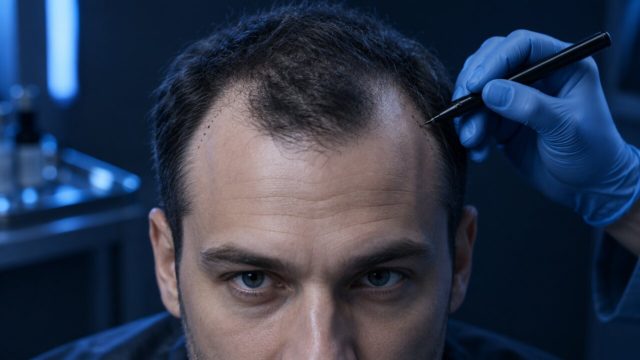
A treatment quote should be based on a medical assessment rather than on a procedure name alone. Two people requesting DHI may need very different plans because their hair density, donor reserve, scalp characteristics, hair calibre, and future hair-loss risk can be different. The size and complexity of the area to be treated also matter. For this reason, a clinic should normally review clear photos or perform an examination before giving a meaningful estimate. A fixed, one-size-fits-all offer may leave important clinical details unanswered.
02What Shapes robotic dhi hair transplant cost?
The expected graft requirement is commonly a major cost factor. A graft is a naturally occurring follicular unit that may contain one, two, three, or sometimes more hairs. The number of grafts needed is not identical to the number of hairs needed, and it should not be selected simply to reach a promotional package level. Your doctor will consider the extent of hair loss, the desired coverage, existing hair density, hair characteristics, and the need to protect the donor area for the future. A larger treatment area generally requires more time, resources, and careful planning.
The treatment goal also influences the level of work involved. Rebuilding a natural-looking frontal hairline can require detailed design and thoughtful selection of finer grafts. Adding density behind an existing hairline may involve a different placement strategy, especially when native hairs are present. Crown treatment can also be demanding because the natural growth pattern often follows a circular direction and the area may continue to expand over time. A responsible plan balances visual improvement with sensible use of the available donor supply rather than promising unlimited density.
The meaning of “robotic” should be clarified before you compare costs. In some settings, technology may assist with mapping or aspects of follicular-unit extraction, while implantation itself remains performed by trained professionals. In others, the term may be mainly used in marketing. Ask what the technology does, whether it is suitable for your scalp and hair type, and whether it changes the proposed treatment plan. The answer should be specific and understandable. Advanced equipment can be valuable, but it does not replace clinical judgement, careful graft handling, or appropriate supervision.
03Graft Planning, Donor Area, and Hair-Loss Pattern
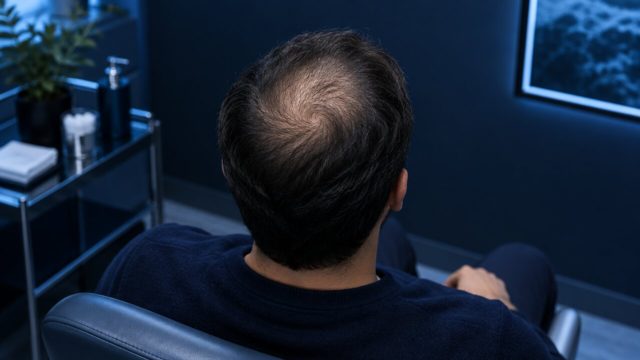
The donor area, usually at the back and sides of the scalp, is a limited resource. Before recommending surgery, a doctor should assess its density, hair thickness, scalp condition, and the likely stability of the donor hair. If too many grafts are collected from one area, the donor zone may appear thinner. Careful extraction spacing and conservative planning are therefore central to long-term hair restoration. This expertise may be reflected in the overall treatment plan, particularly when a patient has advanced hair loss or a donor area that needs especially cautious management.
Hair-loss progression is another consideration that can affect value over time. A patient with early thinning may have a different priority from someone with a stable, established pattern of hair loss. Transplanting too aggressively into a youthful hairline may create challenges if hair loss continues behind it. In most patients, a good plan takes account of present appearance as well as possible future needs. During a consultation, it is reasonable to ask how the proposed design protects flexibility for a later session if that becomes clinically appropriate.
Hair texture and contrast can influence the visual result and the number of grafts likely to be recommended. Curly or wavy hair may sometimes create more visual coverage than very straight hair, while a high contrast between hair and scalp can make thinning more noticeable. Fine hair, thick hair, darker scalp tones, and light scalp tones can all affect the planning discussion. These are not quality judgements; they are practical details used to set realistic expectations. A detailed assessment is more useful than a quote based only on a general description of baldness.
04Technology, Team Involvement, and Clinical Standards
The equipment used in a DHI procedure is only one part of the treatment. The safety and consistency of the process also depend on the experience of the clinical team, sterile protocols, anaesthesia approach, graft storage, and coordination throughout the day. Follicular grafts are delicate biological tissue. They need to be extracted, sorted, kept in appropriate conditions, and implanted with care. When reviewing a quote, patients may wish to ask how grafts are handled and who is responsible for each clinical stage.
At Acibadem Hair Transplant Center, treatment planning is based on doctor review, and the clinic provides Sapphire FUE and DHI techniques. The clinic is licensed by the Turkish Ministry of Health and is a dedicated hair restoration clinic in Istanbul. These details can matter when international patients are deciding how to assess standards beyond a headline price. A clinic should be open about its process, including consultation, hairline planning, donor-area assessment, procedure-day care, and the support available after the patient returns home.
For some patients, comfort measures may also form part of the discussion. Needle-free anaesthesia is available at Acibadem Hair Transplant Center, subject to clinical suitability and the treatment plan. This option should not be understood as a promise of a completely sensation-free experience, because each person responds differently and the doctor will explain what to expect. It is more useful to ask how discomfort is managed before, during, and after the procedure, and whether this support is included in the written quotation.
05What an All-Inclusive Treatment Quote May Include
International patients should compare the full journey, not only the procedure-day amount. A lower initial figure may exclude practical services that are important when travelling for treatment. These can include airport transportation, local transfers, accommodation, a care kit, medication or medical supplies where clinically indicated, washing appointments, and remote follow-up. Ask for a clear list of inclusions and exclusions before making travel arrangements. This makes it easier to compare offers fairly and reduces the risk of unexpected costs.
At Acibadem Hair Transplant Center, all-inclusive packages can include VIP transfer, a 4-star hotel, a care kit, and 12 months of follow-up. The value of this type of package is not simply convenience. Early aftercare instructions, communication during healing, and access to a team that understands the original treatment plan can be reassuring for patients returning to another country. Your individual package and clinical recommendations should always be confirmed in writing, as treatment needs and travel plans can differ.
It is also useful to ask whether a quote covers any planned post-procedure checks and how the clinic communicates with overseas patients. Hair transplantation is not completed when the procedure ends. The first weeks involve gentle care, temporary scabbing, and shedding of transplanted hair shafts, while visible growth develops gradually over subsequent months. A follow-up structure gives patients a way to share progress photos and ask general recovery questions. It should not replace urgent medical care locally if a patient develops a serious concern after travelling home.
06How to Compare DHI Quotes Without Focusing Only on Price
A sensible comparison starts with like-for-like information. Check whether each clinic has estimated a similar graft range, planned treatment for the same areas, and included the same travel and aftercare services. Then look at the clinical details: doctor involvement, team roles, donor-area evaluation, technique proposed, infection-control approach, anaesthesia, and follow-up. If one quote is far lower than another, ask what has been omitted or simplified. Price alone cannot show whether the plan is appropriate for your anatomy and long-term hair goals.
Robotic dhi hair transplant cost should also be considered in relation to transparency. A clinic should not use the word “robotic” to avoid explaining the actual technique. Request a straightforward description of the technology, the expected role of the team, and the reasons DHI has been recommended over Sapphire FUE or another approach. If a clinic cannot explain this clearly, it may be difficult to make an informed decision. The most appropriate method is typically the one that fits your clinical assessment, not the one with the most impressive label.
Written documentation is particularly important for people travelling abroad. Before booking, ask what happens if the doctor decides the plan should change after an in-person assessment. Ask about rescheduling policies, medical records, aftercare contact, and any stated guarantee conditions. Acibadem Hair Transplant Center measures results through trichoscopic graft survival at month 12 and documents a 98% rate under a written guarantee. Your team can explain the scope, conditions, and applicability of this guarantee, because it should be understood carefully rather than treated as a universal promise of an identical cosmetic result.
07Planning for Recovery, Results, and Long-Term Value
Recovery time and lifestyle planning are part of the overall treatment decision. After DHI, patients are commonly advised to protect the scalp, follow washing guidance, avoid scratching, and temporarily limit activities that could irritate the treated areas. Redness, swelling, small crusts, and shedding of transplanted shafts can occur during normal healing, but every recovery is individual. Your doctor will provide specific instructions and tell you when to seek medical advice. Consider whether you can allow enough time for travel, rest, and early aftercare rather than scheduling the procedure around a demanding itinerary.
Hair growth after transplantation is gradual. Early shedding can be expected, and visible new growth usually develops over months rather than days or weeks. The final appearance depends on factors such as graft survival, placement, hair characteristics, healing, and ongoing native-hair loss. No clinic can responsibly guarantee a specific hairstyle or density for every person. At Acibadem Hair Transplant Center, patients can access 12 months of follow-up, allowing progress to be reviewed during the period when growth is developing and questions about routine care may arise.
Long-term value means choosing a plan that respects both your current goals and the limits of your donor hair. It may be better to have a carefully designed, realistic session than an overly ambitious procedure that could compromise future options. A free online hair analysis can provide a useful starting point. At Acibadem Hair Transplant Center, doctors review submitted information, and WhatsApp replies are typically provided within around two hours. This initial discussion can help you understand whether an in-person assessment and a personalised quotation are the appropriate next steps.
08Frequently Asked Questions
What does a DHI hair transplant usually cost?
There is no single standard cost for DHI because the plan may vary according to graft requirement, donor-area quality, treatment complexity, clinical team, technology used, and included aftercare. The most useful quote is based on a doctor-reviewed assessment and clearly lists all inclusions. Avoid relying only on a headline price or a procedure name.
Is a DHI hair transplant worth considering?
DHI may be worth considering when it is clinically suitable for your hair-loss pattern, donor area, and treatment goals. It can offer controlled graft placement, which may be useful in selected areas, but it is not automatically better for every patient. A doctor should explain why DHI, Sapphire FUE, or another approach is being recommended in your case.
How painful is a DHI hair transplant?
Most patients report that the procedure is manageable with local anaesthesia, although sensations and comfort levels vary between individuals. You may feel pressure or brief discomfort during certain stages, and mild tenderness can occur during early recovery. Needle-free anaesthesia is available at Acibadem Hair Transplant Center for suitable patients, and your doctor will explain comfort options before treatment.
What are the possible disadvantages of DHI?
DHI may take longer in some cases and can require highly skilled handling to protect grafts and achieve accurate placement. It may not be the most efficient or appropriate choice for every large treatment area, hair type, or donor situation. The technique can also be marketed with unclear claims, so patients should confirm exactly what is included and why it has been recommended.
Questo articolo ha scopo puramente informativo e non sostituisce il parere medico professionale.
Questa guida ha scopo informativo generale e non sostituisce una visita medica. Le decisioni sul trattamento vengono prese dopo una valutazione del medico, di persona o online.