In questo articolo8
- Beard graft planning starts with the area, not a number
- How beard graft goals change the treatment map
- What changes the number of grafts that may be needed
- Planning cheeks, jawline, moustache, chin, and scars
- Donor assessment and safe extraction limits
- What happens during recovery and when growth becomes visible
- How to discuss your beard restoration plan and quote
- Frequently Asked Questions
The number of beard graft units needed depends on the size of the area, your existing facial hair, hair characteristics, and the density you hope to achieve. Small scar repairs may need relatively few grafts, while creating a fuller beard across both cheeks and the jawline can require a larger, carefully staged plan that your doctor will confirm after assessment.
- Graft needs are based on the treatment area, desired density, existing hairs, and donor availability rather than one fixed number.
- A natural beard plan usually uses different densities for the cheeks, jawline, moustache, chin, and any scarred areas.
- Donor hair quality and safe extraction limits are important when planning larger beard restoration procedures.
- Transplanted follicles typically continue to grow long term after they have healed and established.
- A doctor-reviewed online analysis can provide a more useful estimate than photographs or graft numbers alone.
01Beard graft planning starts with the area, not a number
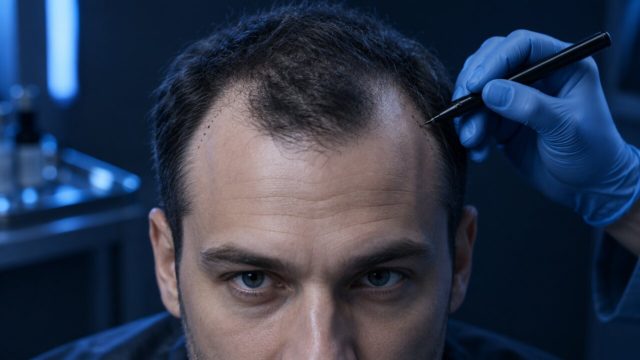
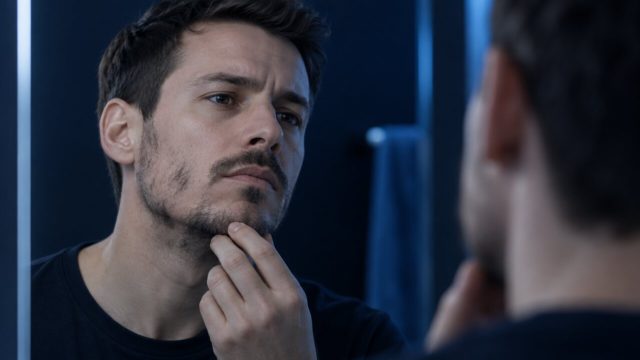
A beard graft plan is not simply based on asking for a certain number of follicles. It begins with the shape you want to improve, the amount of natural facial hair already present, and the quality of the donor hair at the back and sides of the scalp. Some patients want to soften uneven cheek areas, while others want to build a more visible jawline, moustache, or chin. These goals can need very different approaches. During a medical assessment, the doctor maps the areas that may be treated and considers what can be done while maintaining a balanced, natural appearance.
Each graft is a small unit of one or more hairs. Because facial hair is visually important at close distance, graft placement direction can matter as much as graft quantity. A beard does not grow in one uniform pattern. Hair on the cheeks often lies flatter, while chin and jaw hair may have a different angle and stronger appearance. The treatment plan should follow these natural changes. This is why two people with a similar amount of visible facial hair loss may receive different graft estimates and different placement maps.
It is also helpful to separate coverage from density. Coverage means extending hair into an empty or thin area. Density means making an existing beard look fuller by placing follicles between native hairs. Creating a new outline often requires careful single-hair placement at the borders, while adding density may involve working safely between existing follicles. A good plan usually protects the transition between transplanted and natural hairs. Your doctor will discuss whether your goal is realistic in one procedure or may be better approached in stages.
02How beard graft goals change the treatment map
For a subtle improvement, the focus may be limited to small gaps in the sideburns, a patchy cheek, or a light scar. In these cases, the aim is often to blend transplanted hairs with the hairs that are already growing. The doctor may avoid making the border too sharp or too low because an overly defined line can look less natural over time. A smaller area does not automatically mean a simple procedure, as detailed hair direction and spacing still require precision.
A fuller beard design may include the upper cheeks, lower cheeks, jawline, chin, connecting areas, and sideburns. This type of goal involves a larger surface area, but it should not mean using the same density everywhere. In most natural beards, the cheek region is lighter than the chin and jawline. A plan that respects this variation can appear more believable than one that attempts maximum density across the full face. The final map should also suit the patient’s facial proportions and personal grooming style.
Moustache and goatee restoration can be especially detailed because the hairs are highly visible and the central face has limited room for error. Some patients wish to connect the moustache to the beard, while others prefer a separate, classic shape. Scar repair may need additional caution because blood supply, skin texture, and previous injury can affect growth. Your doctor may assess the scar in person or through clear photographs before advising whether transplantation is suitable and what level of coverage may be reasonable.
03What changes the number of grafts that may be needed
The size of the recipient area is one of the main factors behind a graft estimate. A narrow gap in one cheek is not comparable to rebuilding both cheeks, the jawline, and the chin. However, size alone is not enough. The existing hair count also matters. When native hairs are present, the plan may focus on strategic filling. When an area has little or no hair, more grafts may be needed to create a convincing base while still leaving appropriate spacing between follicles.
Hair characteristics can change how full a beard appears. Coarser hair may give stronger visual coverage than fine hair, while curl, wave, colour contrast with the skin, and the number of hairs within each follicular unit can influence the result. Donor hair does not become identical to naturally occurring beard hair after transplantation. It generally keeps many of its original characteristics. For this reason, the doctor considers whether scalp donor hair can blend well with the beard area and may tailor density expectations accordingly.
A beard graft estimate also depends on the desired style. A light designer stubble effect, a defined short beard, and a dense longer beard do not need the same level of coverage. Hair length can make a meaningful difference to how full the beard looks. Some people may reach their preferred appearance by allowing their beard to grow slightly longer rather than pursuing maximum placement density. Discussing how you usually trim, shave, or style your facial hair helps the clinical team plan for a result that fits everyday life.
04Planning cheeks, jawline, moustache, chin, and scars
Cheek restoration often focuses on creating a soft upper boundary and reducing visible patchiness below it. The cheek line should usually be planned conservatively because a very high or very low line can draw attention to the treatment. Grafts near the edge are commonly selected and placed with particular care to create a gradual transition. The mid-cheek area may then receive additional follicles where needed, but the density is generally designed to remain appropriate for the rest of the beard rather than look separate from it.
The jawline and chin can create much of the beard’s visual structure. A stronger jawline may require treatment along a relatively narrow but prominent strip, while a fuller chin can need work in a central area where hair direction changes. The connecting zones between the moustache, lower lip, chin, and jaw can also affect whether the beard looks continuous. Rather than treating every part with equal intensity, doctors typically prioritise the areas that contribute most to the shape requested by the patient.
Scar areas need an individual review. A scar may be caused by injury, acne, surgery, or a previous skin condition, and these causes can affect the quality of the skin. In some patients, grafts can be placed into a stable scar to help camouflage it. In others, the doctor may advise waiting, treating only part of the area, or considering another approach first. It is important to mention any tendency toward raised scarring, active skin disease, or past facial procedures during the consultation.
05Donor assessment and safe extraction limits
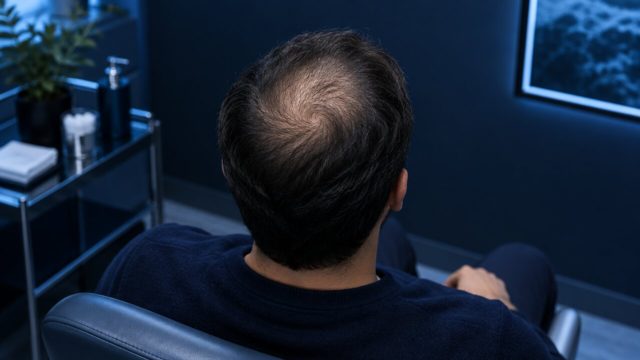
Most beard restoration procedures use scalp donor follicles, commonly taken from the back or sides of the head where hair is usually more resistant to thinning. Before planning extraction, the doctor assesses donor density, hair calibre, scalp condition, and the likely long-term appearance of the donor area. A larger request does not always mean that a larger number should be removed. The available donor supply is limited, and it should be managed carefully for both present goals and any possible future hair restoration needs.
Questions about whether a certain number of grafts is overharvesting cannot be answered by number alone. Four thousand grafts may be inappropriate for one person and potentially within a carefully assessed extraction plan for another, depending on donor density, scalp size, hair characteristics, and previous procedures. Safe extraction aims to avoid obvious thinning, patchiness, or unnecessary stress to the donor area. Your doctor should explain the proposed donor strategy and why the recommended amount is suitable for your individual donor assessment.
At Acibadem Hair Transplant Center, a dedicated hair restoration clinic in Istanbul licensed by the Turkish Ministry of Health, online hair analysis is reviewed by doctors before a treatment discussion. Clear photographs can help provide an initial view of beard goals and donor hair, although an in-person assessment may still be necessary to confirm suitability. The clinic offers Sapphire FUE and DHI techniques, and needle-free anaesthesia is available for suitable patients. The technique selected should be based on the clinical plan rather than a marketing preference.
06What happens during recovery and when growth becomes visible
Following beard transplantation, small crusts and short-term redness are common in the treated area. The clinical team provides aftercare instructions on cleansing, sleeping position, exercise, shaving, and protecting the grafts during early healing. It is important to follow these instructions closely and avoid touching, rubbing, or picking at the recipient area. Recovery experiences vary, especially when facial skin is sensitive or when a scarred area has been treated. Your care team can advise when normal grooming routines may be resumed.
Transplanted hairs commonly shed in the weeks after the procedure. This can be an expected part of the cycle and does not necessarily mean the follicles have failed. New growth usually takes time to become visible, and early hairs may initially look fine or uneven. As they grow, the beard can gradually become easier to trim and style. Doctors generally assess progress over months rather than days, because hair growth cycles are naturally slow and different areas can develop at different rates.
Once transplanted follicles have healed and established, they typically continue producing hair for the long term. They can usually be shaved, trimmed, and groomed like other beard hair. However, individual growth, texture, and final visual density can vary, and no clinic should promise an identical outcome for every patient. If you are considering treatment, ask how follow-up will be organised and what photos or check-ins are recommended. Acibadem Hair Transplant Center includes 12 months of follow-up in its all-inclusive packages.
07How to discuss your beard restoration plan and quote
A productive consultation starts with clear goals rather than an exact graft demand. You may wish to share photos showing the beard shape you like, along with images of your beard at its usual length and closely trimmed. Explain whether your priority is covering a scar, filling one side, creating a defined outline, or building overall fullness. The doctor can then identify what is achievable, what may require compromise, and whether a staged plan may offer a more conservative route to your goal.
Cost should be discussed after the clinical assessment, because a meaningful quote needs to reflect the treatment scope, donor requirements, technique, travel needs, and follow-up plan. A price based only on a requested graft number may not explain whether that number is medically appropriate or whether it will meet your coverage goal. International patients should also ask what is included before comparing options. Acibadem Hair Transplant Center provides all-inclusive packages with VIP transfer, a 4-star hotel, a care kit, and 12 months of follow-up.
For an initial estimate, you can request a free online hair analysis. Send clear, well-lit images of the front, sides, beard area, and donor area, together with a short description of your goals and medical history. Replies on WhatsApp are typically provided within around two hours, although a full treatment decision remains subject to doctor review. The clinic has welcomed patients from 38 countries over 12 years. A careful consultation helps ensure that the focus stays on safe donor management and a beard design that looks natural for you.
08Frequently Asked Questions
What may a 3,000-graft beard transplant cost?
There is no responsible fixed price for a 3,000-graft beard procedure without a medical review. The final cost can depend on whether 3,000 grafts are clinically appropriate, the treatment design, donor assessment, technique, travel arrangements, and included follow-up. Requesting a doctor-reviewed online analysis is the best way to receive an accurate quote.
How long can transplanted beard hair last?
After the follicles have healed and established, transplanted beard hair typically grows long term. The follicles generally retain many characteristics of the donor hair and can usually be trimmed or shaved normally. Individual growth and appearance can vary, so your doctor will explain realistic expectations during consultation.
Does extracting 4,000 grafts always mean overharvesting?
No. A number alone cannot confirm overharvesting because donor capacity differs greatly between patients. Donor density, scalp size, hair calibre, previous procedures, and the extraction pattern all need medical assessment. A responsible plan aims to protect the visual appearance and long-term health of the donor area.
How much does a beard transplant cost?
Beard transplant costs vary because each plan may involve a different treatment area, graft estimate, technique, and level of support. A small scar repair and a full beard design are not comparable procedures. Ask for a written quote after doctor review and confirm exactly what services, accommodation, transfers, aftercare, and follow-up are included.
Questo articolo ha scopo puramente informativo e non sostituisce il parere medico professionale.
Questa guida ha scopo informativo generale e non sostituisce una visita medica. Le decisioni sul trattamento vengono prese dopo una valutazione del medico, di persona o online.