In questo articolo8
- How long to stay in turkey for hair transplant: the usual timeline
- Why the first wash and check-up affect your departure date
- Can you fly home after a hair transplant?
- A practical day-by-day plan for your Istanbul visit
- What to do during the first two weeks at home
- Choosing a clinic safely instead of choosing by travel speed
- Plan your return journey and follow-up with confidence
- Frequently Asked Questions
For most international patients, a stay of three to four nights in Turkey is typically recommended after a hair transplant. This allows time for the procedure, the first professional wash and check-up, and clear travel-aftercare instructions. When planning how long to stay in turkey for hair transplant, your doctor will confirm the safest schedule based on your procedure and health history.
- Most patients plan a three- to four-night stay so they can attend their first wash and post-procedure review.
- Flying home is usually possible after the clinic has checked the recipient area and provided travel instructions.
- The first 10 to 14 days need careful protection from rubbing, pressure, sweating and direct sun exposure.
- A lower advertised price should never be the only reason to choose a clinic; licensing, medical assessment and follow-up matter.
- Your individual travel date should be confirmed by the medical team after your procedure.
01How long to stay in turkey for hair transplant: the usual timeline
For international visitors, how long to stay in turkey for hair transplant is usually three to four nights. This schedule commonly gives enough time to arrive and rest, have the procedure, return for an initial wash or review, and receive instructions before travelling. Some patients may need a longer stay, especially if they have complex medical needs, combine procedures, or have flights that do not fit the recommended aftercare timetable. Your doctor will confirm the appropriate plan before you book your return journey.
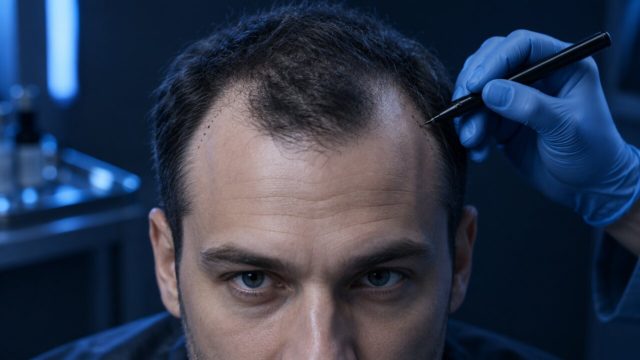
A typical trip begins with arrival in Istanbul the day before the procedure or early on the procedure day, depending on the agreed schedule. The team reviews your medical information, examines the donor and recipient areas, discusses the hairline plan, and answers final questions. This is an important appointment, not simply an administrative step. A careful assessment helps determine whether Sapphire FUE or DHI may be suitable and whether the planned graft number is clinically realistic.
The procedure itself generally takes most of one day. Afterwards, patients normally return to their hotel to rest with the head elevated as instructed. It is common to have mild swelling, tightness, tenderness, or small crusts in the early days. These effects vary between individuals. The first night is not the best time for long travel because you need to avoid pressure on the newly placed grafts and follow a careful sleeping position.
The day after surgery is often reserved for rest, gentle walking, and communication with the clinic if you have questions. The first professional wash and check are commonly arranged around the following day, according to the clinic protocol. This appointment lets the team inspect the scalp, demonstrate washing techniques, and make sure you understand medicines and aftercare. For this reason, leaving immediately after the operation is generally not the preferred plan.
02Why the first wash and check-up affect your departure date
The early wash appointment is one of the practical reasons to stay in Istanbul for several days. Newly transplanted grafts are delicate in the first stage of healing. The team can show you how to apply lotion or foam, rinse with low pressure, and pat the area dry without rubbing. Seeing the technique in person can make home care more comfortable and may reduce avoidable mistakes during the first week.
A post-procedure examination also gives the medical team an opportunity to assess normal early healing. They may check for excessive swelling, bleeding, unusual pain, or signs that need attention. Most patients recover without major concerns, but a review provides reassurance and allows instructions to be adjusted if necessary. It is safer to raise questions while you are still close to the clinic than to rely only on memory after a long journey.
During this visit, you should receive written guidance covering sleep, washing, activity, sun protection, headwear, medication, and contact details for follow-up. Ask the team to explain what is expected and what should prompt you to contact them. For example, increasing pain, spreading redness, fever, persistent bleeding, or discharge should be discussed with a medical professional promptly. Do not wait for a scheduled remote appointment if you are worried about an urgent symptom.
A dedicated travel care plan is helpful because every flight, airport transfer, and hotel arrangement can add stress after a procedure. At Acibadem Hair Transplant Center, all-inclusive packages can include VIP transfer, a 4-star hotel, a care kit, and 12 months of follow-up. These arrangements do not replace medical judgement, but they can make it easier to attend the required early appointments and focus on recovery.
03Can you fly home after a hair transplant?
In most patients, flying home after the first check and wash is possible when the medical team confirms that recovery is progressing normally. Cabin pressure itself is not usually the main concern after a standard hair transplant. The more practical issues are protecting the grafts from accidental contact, managing swelling, staying hydrated, and avoiding a rushed or uncomfortable journey. Your clinic should give specific clearance based on your treatment and current condition.
A direct flight is often more convenient than a journey with several connections. Airports can be crowded, and overhead lockers, security queues, and tight seating create opportunities for the scalp to be touched or bumped. If possible, arrange assistance with heavy luggage rather than lifting bags above your head. Keep your aftercare supplies, medical instructions, water, and any prescribed medicines in your hand luggage, following airline rules for liquids and medication.
Wear loose, comfortable clothing that does not need to be pulled over the head. A button-front shirt or zip-front top is usually easier to remove without touching the recipient area. Whether you can wear a loose protective hat depends on your clinic’s instructions and the timing after your procedure. Do not use a tight cap, helmet, or anything that presses against grafts unless your medical team has specifically approved it.
When deciding how long to stay in turkey for hair transplant, consider the full travel day rather than only flight duration. A short flight can still involve hotel check-out, traffic, airport lines, boarding, and onward transport at home. Leave extra time, avoid unnecessary rushing, and plan a calm first evening after arrival. If swelling, bleeding, dizziness, or another unexpected concern develops before departure, contact the clinic and follow medical advice about whether travel should be postponed.
04A practical day-by-day plan for your Istanbul visit
Day one is usually your arrival and preparation day. Many patients prefer to arrive early enough to settle into the hotel, eat a normal meal, and sleep well before the procedure. Avoid alcohol and follow any pre-procedure guidance from the medical team. If you take regular medication or have a health condition, make sure this has been declared during the online consultation and bring the relevant information with you.
Day two is commonly the procedure day. The clinical team will confirm the treatment plan, prepare the donor area, and carry out graft extraction and implantation using the selected technique. Sapphire FUE and DHI are available options, but the most appropriate method depends on factors such as hair characteristics, donor capacity, scalp condition, and treatment goals. A technique should be chosen after a medical assessment rather than based on a trend or a social media claim.
Day three is generally a low-activity recovery day. You may be asked to rest, sleep with your head raised, drink water, and take any medication exactly as prescribed. Gentle movement around the hotel can be comfortable for many people, but exercise, swimming, sauna use, and activities that cause heavy sweating are usually avoided. Follow the instructions you receive, as advice can differ according to the procedure and your health status.
Day four often includes the first wash and a final in-person review before travel. The team can demonstrate home washing and confirm the next steps in the recovery schedule. Some visitors fly home later that day, while others choose an extra night for a more relaxed departure. A five-night stay may also suit patients who want a recovery buffer, have a long-haul route, or simply prefer not to travel soon after the check-up.
05What to do during the first two weeks at home
The first two weeks are a protection period for the transplanted area. Follow your clinic’s washing schedule closely and avoid scratching, rubbing, picking crusts, or allowing shower pressure to hit the scalp directly. It is normal for small crusts to form, and they usually loosen gradually with proper washing. Trying to remove them early can irritate the skin and may disturb the healing area.
Sleeping carefully remains important for the first nights after you return. Your team may advise an elevated position and the use of a travel pillow to reduce the chance of rolling onto the recipient area. Use clean pillowcases and avoid contact with pets or anything that could touch the scalp while you sleep. If you experience significant swelling, contact your clinic for advice rather than changing medication or aftercare routines on your own.
You should also limit activities that create heat, friction, or sweating. This usually includes intense gym sessions, running, hot baths, steam rooms, saunas, and swimming pools for the period recommended by your medical team. Protect the scalp from strong sunlight. If you need to go outside, ask when and how you may safely use a loose hat, because timing can vary between patients and treatment protocols.
Travel planning should include the recovery period after you are home, not only the days spent in Turkey. For this reason, how long to stay in turkey for hair transplant is only one part of the decision. Consider whether you can take several quieter days away from demanding work, wear suitable clothing, and keep follow-up contact available. A realistic recovery plan is often more valuable than returning home at the earliest possible moment.
06Choosing a clinic safely instead of choosing by travel speed
Turkey is a major destination for hair restoration, but standards can vary. A safe decision should be based on a licensed healthcare provider, doctor-led assessment, transparent treatment information, infection-control practices, and accessible aftercare. It is reasonable to ask who performs each clinical part of the procedure, how complications are handled, and how you can contact the team after returning home. Be cautious about offers that focus only on graft numbers, instant booking, or unusually low prices.
A proper consultation should include your medical history, current medicines, allergies, previous hair treatments, and expectations. Not everyone is a suitable candidate for hair transplantation, and not every requested hairline or graft count is medically appropriate. An ethical clinic should explain donor-area limitations and avoid presenting the procedure as a guaranteed cure for future hair loss. Your doctor may also advise you to seek further medical evaluation if the cause of hair loss is unclear.
Acibadem Hair Transplant Center is a dedicated hair restoration clinic in Istanbul licensed by the Turkish Ministry of Health. The center offers free online hair analysis reviewed by doctors, with WhatsApp replies typically within around two hours. This early assessment can help patients understand whether travelling may be appropriate before they commit to flights or accommodation. It should be treated as an initial clinical review, not as a substitute for the in-person assessment before treatment.
Long-term monitoring is equally important. At Acibadem Hair Transplant Center, results are measured by trichoscopic graft survival at month 12, with a documented 98% rate under written guarantee. Individual healing and cosmetic results can still vary, and no clinic should promise an identical outcome for every person. Patients from 38 countries have been treated over 12 years, but your own treatment plan should always be based on your individual clinical assessment.
07Plan your return journey and follow-up with confidence
Before you book, choose flights that allow enough time after the first wash and review. Avoid an itinerary that forces you to leave the clinic, rush to the airport, and manage a long connection on the same day unless the team agrees it is suitable. A flexible ticket can be useful when available, particularly for patients travelling long distances or those who would feel more comfortable keeping an additional recovery day in Istanbul.
Prepare a small travel kit before leaving the hotel. Include the clinic’s written aftercare guide, prescribed medicines, approved scalp-care items, tissues, drinking water after security, and a travel pillow if advised. Keep your clinic’s contact details readily available. If you are travelling with a companion, explain that they should avoid touching your scalp and can help with luggage, transport, and remembering the aftercare steps during the first days.
Once home, attend remote follow-up appointments and send photos only through the secure channels recommended by your clinic. Hair growth takes time. In many patients, transplanted hairs shed before new growth becomes visible, and visible change develops gradually over several months. The 12-month point is often used for a fuller assessment, although timing can differ depending on the individual, the treated area, and hair characteristics.
The best answer to the question of how long to stay in turkey for hair transplant is therefore not simply the shortest possible trip. For many people, three to four nights provides a sensible balance between in-person early care and practical travel. Build in flexibility, follow your doctor’s instructions, and choose a clinic that remains available after you leave Istanbul. This approach supports a calmer, better-organised recovery journey.
08Frequently Asked Questions
What is the price of 3,000 grafts in Turkey?
There is no single reliable price for 3,000 grafts in Turkey because the total can depend on the technique, medical complexity, included services, donor-area assessment, and follow-up plan. A responsible clinic should review your hair loss pattern before confirming whether 3,000 grafts are appropriate. Request a written treatment plan that clearly states what is and is not included rather than choosing based on a graft-price advertisement alone.
Is having a hair transplant in Turkey risky?
Hair transplantation is a medical procedure, so it carries potential risks wherever it is performed, including infection, bleeding, swelling, poor growth, scarring, and an unnatural-looking result. Risk can be reduced by choosing a licensed clinic, having a doctor review your suitability, following aftercare carefully, and asking who performs each stage of treatment. Turkey has many providers, so patients should research credentials and clinical standards carefully rather than assuming all clinics offer the same level of care.
Is it safe to fly back from Turkey after a hair transplant?
Many patients can fly home after their first wash and medical check, provided the team confirms that early healing is normal. During travel, protect the grafts from contact, avoid heavy luggage, stay hydrated, and follow instructions about medication and headwear. If you have unusual swelling, bleeding, severe pain, or another concern, contact the clinic before travelling and follow its medical advice.
How much does 5,000 grafts cost in Turkey?
The cost of a 5,000-graft plan cannot be stated safely without an assessment because 5,000 grafts may not be suitable or available for every patient. Price can vary according to donor capacity, technique, number of treatment days, medical needs, and package inclusions. Ask for a personalised written quotation after a doctor-reviewed hair analysis, and make sure it explains the planned graft range and aftercare support.
Questo articolo ha scopo puramente informativo e non sostituisce il parere medico professionale.
Questa guida ha scopo informativo generale e non sostituisce una visita medica. Le decisioni sul trattamento vengono prese dopo una valutazione del medico, di persona o online.