
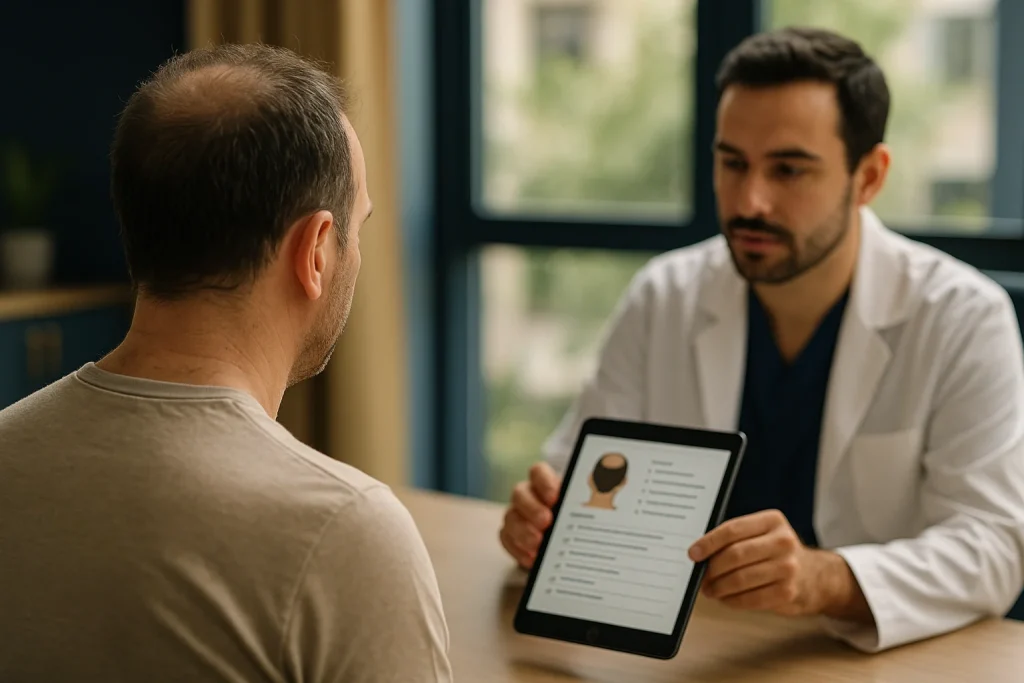
is folate good for hair growth? Folate supports normal cell division and red blood cell formation, so correcting a confirmed deficiency may help address one possible contributor to diffuse hair shedding. However, folate is not a proven standalone hair-growth treatment and it cannot replace a clinical assessment before a hair transplant.
- Folate is an essential B vitamin, but supplementation is most useful when low folate intake or deficiency has been identified.
- Hair thinning has many possible causes, including genetic hair loss, iron deficiency, thyroid concerns, stress-related shedding and scalp conditions.
- A balanced diet and medically appropriate blood tests can be useful parts of hair transplant preparation.
- High-dose folic acid should not be started without medical guidance because it can mask signs of vitamin B12 deficiency.
- A hair transplant treats suitable areas of permanent-pattern hair loss, while nutrition and medical care help support overall hair and scalp health.
01Is Folate Good for Hair Growth Before Surgery?
is folate good for hair growth? Folate can be relevant to healthy hair because it is needed for normal DNA production, cell division and the formation of red blood cells. Hair follicles are active structures with rapidly dividing cells, so a significant nutrient deficiency may affect the normal hair-growth cycle. Still, folate is only one part of a much wider clinical picture. Taking folate when levels are already adequate does not typically create faster or denser hair growth.
Before a hair transplant, the main aim is to identify and correct factors that may contribute to active shedding or poor general health. If a doctor suspects a nutritional issue, blood testing may include folate alongside other assessments that are appropriate for your history and symptoms. A low result may deserve attention, but it should not automatically be assumed to be the sole reason for thinning hair.
For most patients, a sensible pre-transplant plan includes a balanced diet, stable medical conditions, realistic expectations and a review of current medicines and supplements. Your doctor will confirm whether any blood tests, dietary changes or supplements are appropriate. Do not begin high-dose folic acid simply because you are planning surgery or noticing hair shedding.
02What Folate Does in the Body and Hair Follicle
Folate is vitamin B9 found naturally in many foods. It helps the body make genetic material and supports normal cell renewal. It also works with other nutrients, including vitamin B12, in processes involved in healthy red blood cells. Red blood cells carry oxygen around the body, which is one reason clinicians may investigate nutritional status when a patient reports tiredness, pallor or widespread shedding.
The hair follicle moves through growth, transition and resting phases. During the active growth phase, follicle cells divide frequently. Severe nutritional shortfalls can interfere with normal body functions and may contribute to a type of diffuse shedding called telogen effluvium. This does not mean that every person with hair loss has a folate problem, or that folate supplements will reverse genetic pattern hair loss.
Hair loss can occur for many reasons at the same time. Family history, hormonal sensitivity, recent illness, rapid weight change, emotional or physical stress, low iron stores, thyroid disorders, inflammatory scalp disease and medication changes are examples a doctor may consider. Looking at only one vitamin can delay the correct diagnosis, particularly when shedding has continued for several months.
03Folate, Folic Acid and Food Sources
Folate is the natural form of vitamin B9 in food, while folic acid is a synthetic form used in many supplements and fortified foods. Both can help meet vitamin B9 needs, but they are not identical in how they are provided and processed. A clinician may use the word folate when discussing blood results, even if a supplement recommendation involves folic acid or another supplemental form.
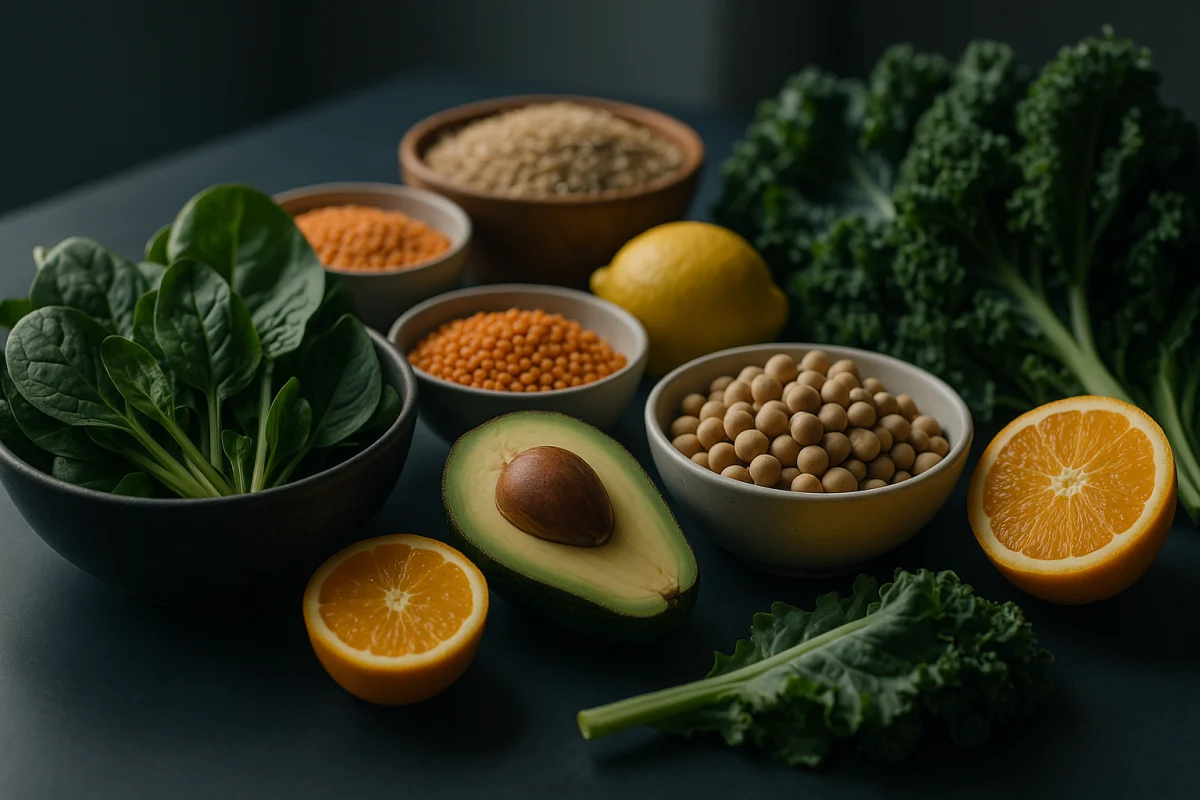
Food sources of folate include dark green leafy vegetables, beans, lentils, chickpeas, asparagus, broccoli, citrus fruits, avocado, eggs and fortified grain products. Eating a varied diet is generally the preferred foundation for nutritional health. Food also provides protein, iron, zinc and other nutrients that may be relevant to normal hair structure and general recovery after a procedure.
Some people may have a higher risk of low folate because of a restricted diet, increased needs during pregnancy, certain digestive conditions, heavy alcohol use or medicines that affect folate metabolism. These possibilities need medical review rather than self-diagnosis. If you use supplements, bring the product details and dose to your consultation so your care team can review them in context.
04Can Low Folate Be Linked With Hair Thinning?
Low folate can be one possible contributor to diffuse hair thinning, especially if it occurs with anaemia or other nutritional deficiencies. In this situation, hair shedding may be accompanied by symptoms such as fatigue, weakness, a sore mouth or breathlessness, although symptoms vary and may have many causes. Only a clinical assessment and suitable testing can show whether folate is actually low.
When a confirmed deficiency is corrected, the body may gradually return to a healthier growth environment. Hair changes are slow, however, because follicles need time to move through their natural cycle. It is important not to expect immediate visible improvement after changing your diet or starting a medically advised supplement. Ongoing thinning should be reassessed rather than repeatedly treated with new supplements.
is folate good for hair growth when shedding is caused by a deficiency? It may be helpful as part of correcting that deficiency, but it is not a universal answer to hair loss. For example, androgenetic alopecia, also called pattern hair loss, is mainly driven by inherited follicle sensitivity and usually needs a different management approach. A transplant consultation should distinguish between active shedding and stable, suitable hair loss patterns.
05How Folate Fits Into Hair Transplant Preparation
A hair transplant redistributes healthy follicles from a donor area to areas affected by suitable hair loss. It does not treat every cause of shedding, and it cannot stop an untreated nutritional deficiency, hormonal issue or scalp disorder from affecting existing non-transplanted hair. This is why an honest review of your hair-loss history is an important step before deciding whether surgery is suitable.
Patients are usually advised to avoid making abrupt changes to prescribed medicines or supplements without speaking to their doctor. Some vitamins and herbal products may be unnecessary, while others may need review before a procedure. Your surgeon and medical team will give instructions based on your health information, planned technique and any medicines you take. Follow the instructions provided by your own care team.
At Acibadem Hair Transplant Center in Istanbul, a free online hair analysis is reviewed by doctors before planning. This helps patients discuss their hair pattern, donor area, medical history and expectations before travel. The clinic offers Sapphire FUE and DHI techniques, but the technique choice and suitability for treatment should always be confirmed after professional assessment.
06Supplement Safety: Why More Is Not Always Better
The usual adult dietary requirement for folate is often expressed as dietary folate equivalents, and needs can differ during pregnancy and breastfeeding. Rather than selecting a dose for hair growth from online advice, ask a qualified clinician whether you need testing or supplementation. This is particularly important if you have anaemia, digestive symptoms, a highly restrictive diet or persistent unexplained shedding.
High intakes of supplemental folic acid can be inappropriate for some people. One important concern is that folic acid may improve certain blood findings while a vitamin B12 deficiency remains unrecognised. Untreated vitamin B12 deficiency can potentially affect the nervous system, so medical assessment matters. Supplements can also interact with some medicines or be unsuitable in specific health situations.
is folate good for hair growth as a preventive high-dose supplement? In most people with adequate nutrition and normal levels, there is no clear reason to expect extra folate to improve hair density. A food-first approach and targeted supplementation when clinically indicated are usually more sensible. If blood tests show an issue, your doctor can explain the likely cause, treatment plan and follow-up.
07A Practical Plan for Shedding Before Your Consultation
Start by noting when the shedding began, whether it followed illness, childbirth, weight loss, stress, a dietary change or a new medicine, and whether close relatives have pattern hair loss. Photos taken in similar light over several months can sometimes help show whether the change is progressing. This information is more useful than guessing which individual vitamin may be responsible.
Choose regular meals that include enough protein and a variety of vegetables, fruits, legumes, whole grains and other nutrient-dense foods that suit your dietary needs. Avoid crash diets and avoid combining several hair supplements without advice, as this can make it difficult to identify what you are taking and whether it is needed. Good nutrition supports overall wellbeing, but it should not be presented as a substitute for diagnosis or treatment.
Seek medical advice promptly if shedding is sudden, patchy, associated with scalp pain or scaling, or accompanied by significant tiredness or other concerning symptoms. If you are considering a transplant, arrange an assessment once the cause and pattern of your hair loss are clearer. A careful plan protects both your health and the long-term appearance of your existing hair.
08What to Share During Your Online Hair Analysis
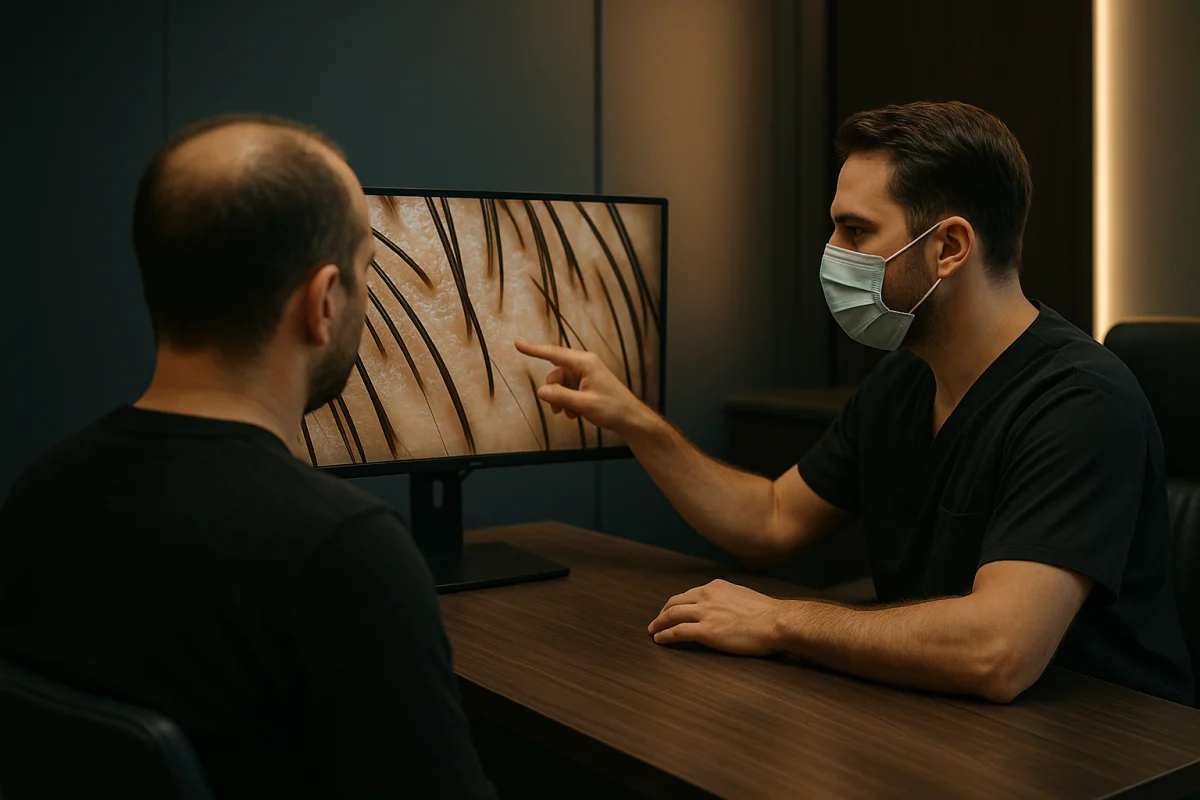
A useful online review is more accurate when you provide clear, recent photographs of the front hairline, temples, top, crown and donor area. Take the images in daylight or even indoor lighting, with dry hair and without hair fibres, sprays or filters. If possible, include photos from several angles rather than one close-up image. This helps the doctor assess the visible pattern of thinning, although an online review cannot replace an in-person examination when one is needed.
Prepare a short health summary before your consultation. Include when the thinning started, whether shedding is continuing, previous hair procedures, known medical conditions, allergies, regular medicines and all vitamins or herbal supplements. It is also helpful to mention recent fever, surgery, major stress, rapid weight change or dietary restriction, as these can sometimes precede diffuse shedding.
If you have recent blood test results, you may ask whether they are relevant to share. A doctor may consider information such as folate, vitamin B12, iron status or thyroid testing in the context of your symptoms and medical history. Do not arrange broad testing solely from an online checklist; your own doctor can advise which tests are clinically appropriate. Acibadem Hair Transplant Center provides a free online hair analysis reviewed by doctors, with WhatsApp replies typically available within around two hours.
09Planning Travel and the First Days After a Hair Transplant
International patients should plan for a calm schedule rather than treating a hair transplant as a short sightseeing stop. Travel arrangements, hotel check-in, procedure timing and the first wash appointment or aftercare review should be confirmed with the clinic before departure. Acibadem Hair Transplant Center offers all-inclusive packages that include VIP transfer, a 4-star hotel, a care kit and 12 months of follow-up, but patients should still check the exact itinerary and what they need to bring.
Pack loose, front-opening clothing such as a button-up shirt or zip-up top. This can reduce the need to pull a garment over the treated scalp soon after the procedure. Bring a list of your medicines, comfortable travel clothing and any documents requested by the clinic. Avoid adding new supplements, cosmetic scalp products or over-the-counter medicines shortly before travel unless your doctor has approved them.
Following the procedure, protect the recipient area from friction, pressure and accidental scratching. Your care team will explain how to sleep, when to begin washing, how to use the supplied products and when normal exercise, swimming, sun exposure and headwear can resume. These instructions vary according to the procedure and your individual situation, so the clinic's written aftercare plan should take priority over general advice found online.
10Understanding the Recovery Timeline and Existing Hair
The early appearance after a transplant is not the final result. Mild redness, swelling or small crusts can occur during the initial healing period, and the care team will explain what is expected and when to contact them. Transplanted hairs commonly shed after the early recovery stage before new growth begins. This temporary shedding can be worrying, but it is a recognised part of the normal transplant cycle in many patients.
New visible growth usually develops gradually rather than all at once. Density, hair calibre and styling options can continue to change over many months. The final timeline differs between patients because hair growth is biologically slow and depends on factors such as the treatment area, hair characteristics, healing and the status of existing hair. Regular photographs taken in consistent lighting can provide a more realistic record than daily mirror checks.
A transplant does not prevent future thinning in untreated native hair. This is especially important for patients with progressive pattern hair loss, where careful hairline design and long-term planning are needed to preserve a natural appearance. During follow-up, tell the care team about ongoing shedding, scalp symptoms or changes in medication. At Acibadem Hair Transplant Center, results are assessed through trichoscopic graft survival at month 12, with a documented 98% rate under written guarantee; your team can explain the terms and clinical follow-up process before treatment.
11Frequently Asked Questions
How much folate is needed to support healthy hair?
There is no separate folate dose specifically proven to grow hair. General adult folate needs are commonly given as 400 micrograms of dietary folate equivalents per day, while needs may be different during pregnancy or breastfeeding. Your doctor can advise whether your diet is sufficient or whether testing and a supplement are appropriate for you.
For hair, is folate or folic acid the better choice?
Folate is the naturally occurring form of vitamin B9 in foods, while folic acid is a synthetic form used in supplements and fortified foods. Neither is automatically better for hair growth in everyone. If a deficiency is confirmed, a clinician can recommend the most appropriate form and dose based on your health history, blood results and medicines.
What do people mean by the big three for hair regrowth?
The term big three is often used online for minoxidil, finasteride and ketoconazole-based scalp treatment. It is not a universal medical protocol, and these options are not suitable for every patient. Prescription treatments, pregnancy considerations, side effects and the cause of hair loss should be discussed with a qualified doctor before use.
Can having low folate cause hair to become thinner?
Low folate may contribute to diffuse hair shedding in some people, particularly when it is linked with anaemia or other nutritional deficiencies. However, thinning hair is common and has many possible causes, so low folate should be confirmed with appropriate testing rather than assumed. Correcting a confirmed deficiency may support normal hair cycling, but visible changes can take time.
Questo articolo ha scopo puramente informativo e non sostituisce il parere medico professionale.
 06
 12