
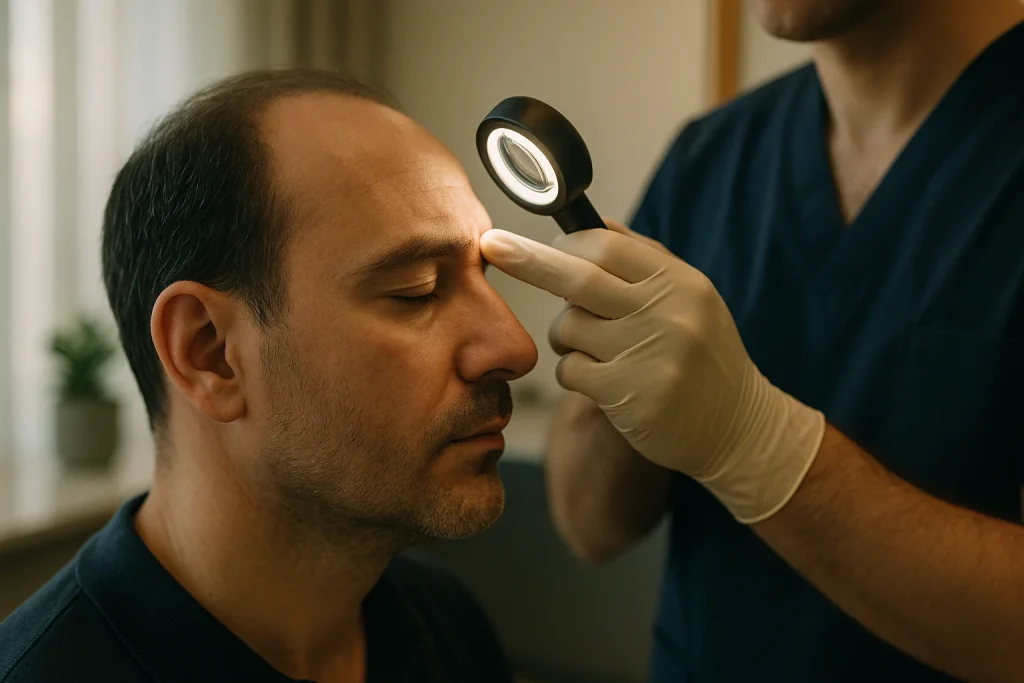
Thinning eyebrows can be linked to normal ageing, repeated plucking or waxing, skin conditions, hormonal changes, nutritional deficiencies, medications, or forms of hair loss. In many cases, identifying and treating the underlying cause is the first step; when loss is permanent, an eyebrow transplant may be considered after a doctor’s assessment.
- Eyebrow thinning may affect one or both brows and can be temporary or permanent depending on its cause.
- Sudden, patchy, itchy, scaly, or rapidly progressing eyebrow loss should be assessed by a doctor.
- Avoiding repeated trauma and treating an underlying medical or skin condition may help preserve remaining eyebrow hairs.
- Vitamins and supplements only help when a confirmed deficiency or nutritional issue is present.
- An eyebrow transplant can restore selected permanent eyebrow loss using carefully placed scalp donor hairs.
01What Causes Thinning Eyebrows? A Quick Clinical Overview
Many people ask what causes thinning eyebrows because eyebrow changes can be gradual and easy to overlook at first. The eyebrows naturally become less dense with age in some people, but noticeable loss may also follow years of grooming, inflammation around the eyelids, a health condition, or a change in medication. The pattern, timing, and symptoms around the skin all help a doctor understand the possible cause.
Eyebrow hairs follow a different growth cycle from scalp hair. They grow to a short length before resting and shedding, which is why healthy eyebrow hair usually does not grow very long. When the growth cycle is disrupted, or when follicles are damaged by scarring or repeated trauma, the brow can look sparse, uneven, or thinner at the outer edges.
Loss may happen across both eyebrows in a similar pattern, or in small isolated areas. Symmetrical thinning can sometimes be associated with systemic factors such as hormonal or nutritional changes, while local patches may point more towards a skin problem, injury, or an autoimmune form of hair loss. These are general patterns, not a diagnosis.
It is also important to distinguish true hair loss from changes in visibility. Fairer hairs, greying, make-up habits, changes in facial volume, and a naturally high or arched brow shape can make eyebrows appear less full. A close clinical examination can show whether there are fewer hairs, finer hairs, broken hairs, or signs of active skin inflammation.
02Common Medical, Grooming and Lifestyle Reasons for Sparse Brows
Understanding what causes thinning eyebrows often starts with everyday factors. Frequent plucking, threading, waxing, or aggressive brushing can place repeated stress on follicles. Some follicles recover when the habit stops, particularly if the problem is recent, but long-term trauma may lead to reduced regrowth in certain areas.
Inflammatory skin conditions can affect the eyebrow area. Eczema, contact dermatitis, seborrhoeic dermatitis, psoriasis, and some infections may cause itching, redness, flaking, tenderness, or broken hairs. Cosmetics, hair dyes, facial products, and adhesives may also trigger irritation in sensitive skin. Treating the skin condition appropriately is generally more important than trying to cover the loss immediately.
Hormonal and metabolic changes may contribute to diffuse hair shedding. Thyroid disorders are one example that doctors may consider, especially when eyebrow loss occurs with tiredness, weight changes, temperature sensitivity, changes in scalp hair, or other symptoms. Pregnancy, the months after birth, perimenopause, and major physical stress can also influence the hair cycle in some patients.
Certain medicines and medical treatments can affect hair growth or shedding. Autoimmune conditions, including alopecia areata, may cause smooth, round patches of hair loss in the eyebrows or elsewhere. Less commonly, conditions that cause scarring can permanently damage follicles. A doctor should assess new or unexplained loss before cosmetic treatment is planned.
03Eyebrow Loss Patterns That May Offer Useful Clues
The location of thinning can provide useful information, although it cannot confirm a cause on its own. Some people first notice reduced density in the eyebrow tail, while others see thinning throughout the brow or a clearly defined patch. Comparing both sides in good light and reviewing older photographs can help show whether the change is recent or long-standing.
Broken, short hairs may suggest rubbing, scratching, grooming trauma, or inflammation. Smooth skin with sharply defined hairless patches can be seen in several conditions, including alopecia areata. Scaling, crusting, swelling, or altered skin colour may indicate that an active skin issue needs attention before any restoration procedure is considered.
Scarring deserves particular care. When the skin looks shiny, very smooth, indented, raised, or has a changed texture following a burn, injury, surgery, or inflammatory disease, follicles may no longer be present. In these situations, the stability of the skin condition and the quality of the recipient skin are important factors in deciding whether transplantation could be appropriate.
Children and teenagers can also experience eyebrow changes, but their assessment needs a different approach from that of adults. In younger people, nutritional intake, skin conditions, compulsive hair pulling, and autoimmune causes may be considered. Parents or carers should arrange a medical review rather than relying on cosmetic products or supplements alone.
04When Thinning Eyebrows Need Medical Assessment
A medical assessment is advisable if eyebrow thinning is sudden, patchy, one-sided, painful, itchy, scaly, or accompanied by loss of scalp hair, eyelashes, or body hair. These features do not always mean there is a serious problem, but they may indicate a condition that benefits from early diagnosis. Prompt assessment can also help protect hairs that are still present.
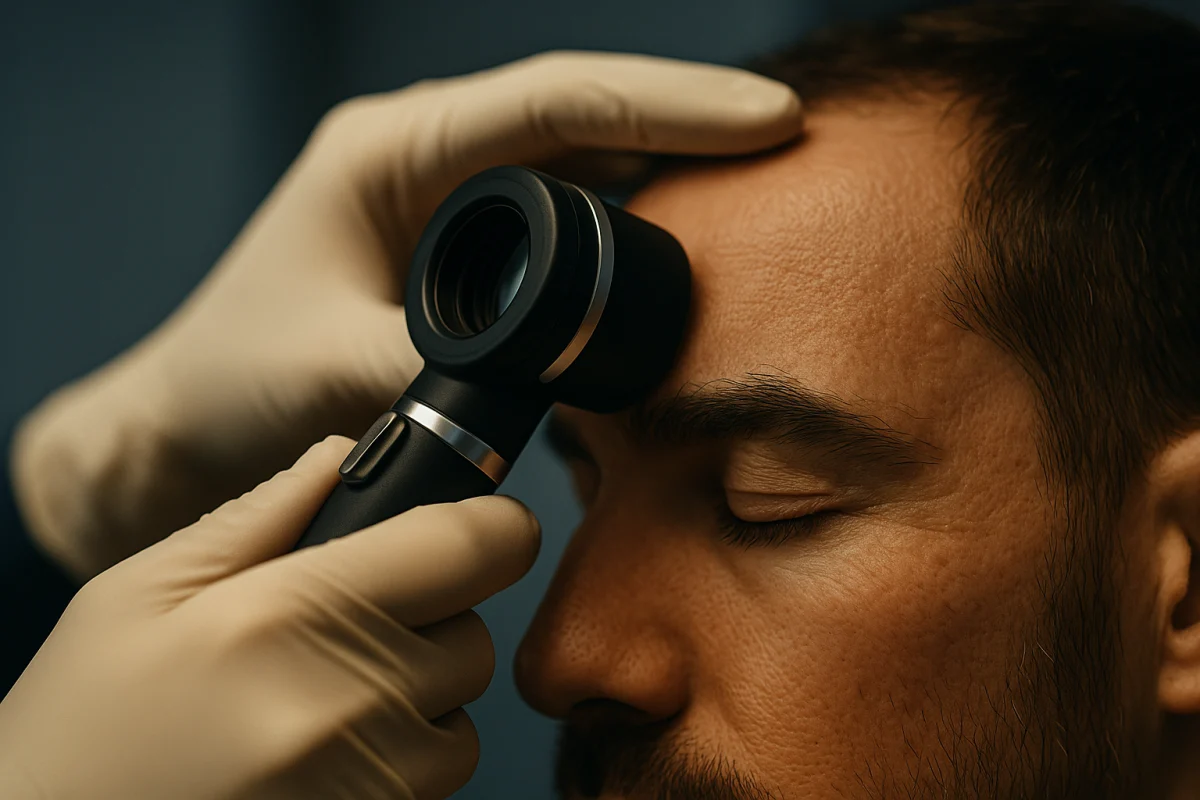
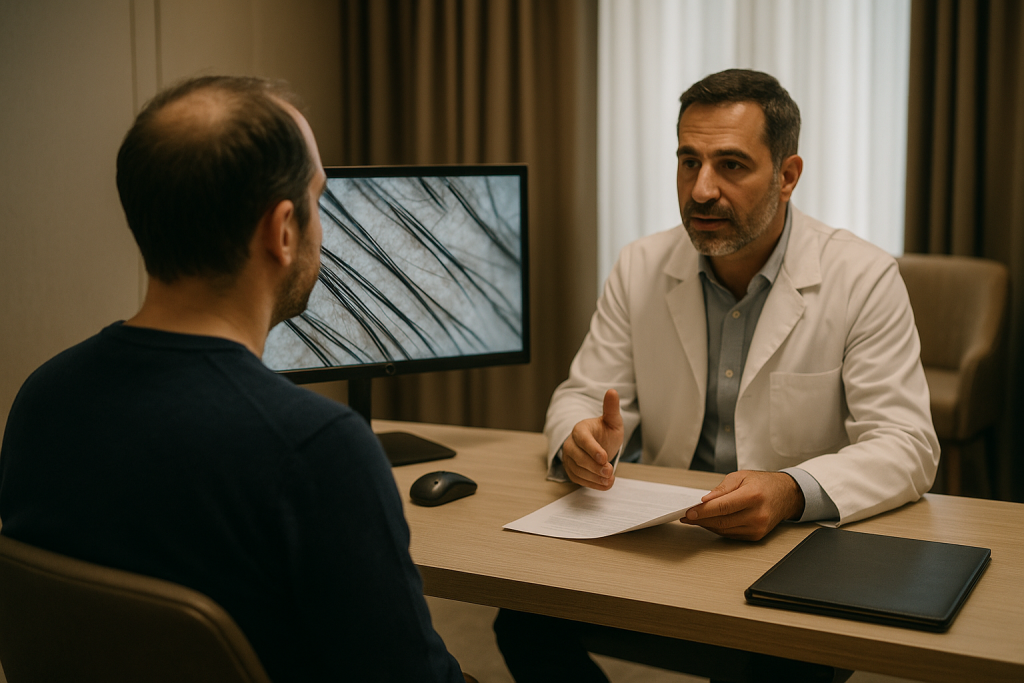
When considering what causes thinning eyebrows, a doctor will usually ask about the timing of the loss, grooming practices, diet, recent illnesses, stress, pregnancy or menopause, medicines, and family history. They may examine the skin and hairs with magnification. Depending on the findings, blood tests or referral to a dermatologist may be recommended.
Do not assume that every sparse brow is caused by a vitamin deficiency. Taking high-dose supplements without a confirmed need is not always helpful and can sometimes create health risks or interfere with other treatments. A clinician can decide whether testing for iron status, thyroid function, nutritional issues, or another concern is clinically appropriate.
If the eyebrow loss is due to an active autoimmune or inflammatory condition, it is usually sensible to stabilise that condition before considering a transplant. Transplanted hairs may not be the right solution while disease activity continues. Your doctor can explain whether medical treatment, monitoring, camouflage, or surgery is the most suitable next step.
05Non-Surgical Ways to Support Thinner Eyebrows
The best non-surgical approach depends on the cause. Reducing plucking, waxing, harsh exfoliation, and friction from rubbing may allow some traumatised hairs to recover over time. Gentle make-up removal and avoiding products that cause irritation can also support the skin barrier around the eyebrow area.
If a doctor identifies dermatitis, infection, thyroid disease, nutritional deficiency, or another underlying factor, managing that condition may improve the chance of recovery. Regrowth, when it occurs, can be slow because hairs need time to return to the growth phase. It is reasonable to take photographs at intervals rather than judging progress from day to day.
Cosmetic options can create the appearance of fuller brows during assessment or treatment. Brow pencils, powders, tinted gels, and carefully selected semi-permanent techniques may help some people feel more comfortable. However, products should be used cautiously on irritated skin, and any procedure that breaks the skin should be discussed with a qualified professional if you have active skin disease.
A balanced diet with adequate protein, iron-containing foods, and varied nutrients supports general hair health, but it cannot reliably reverse every form of eyebrow loss. Supplements are most appropriate when there is a confirmed deficiency or a clinician recommends them. Claims that oils, serums, or home remedies can regrow permanently damaged follicles should be viewed with caution.
06Eyebrow Transplant Options for Permanent or Stable Hair Loss
An eyebrow transplant is a surgical option that uses hairs taken from a donor area, usually the scalp, and places them into sparse areas of the eyebrow. It may be considered for people with stable, permanent loss related to overplucking, injury, burns, naturally sparse brows, or selected forms of hair loss that are no longer active. Suitability always depends on an individual clinical assessment.
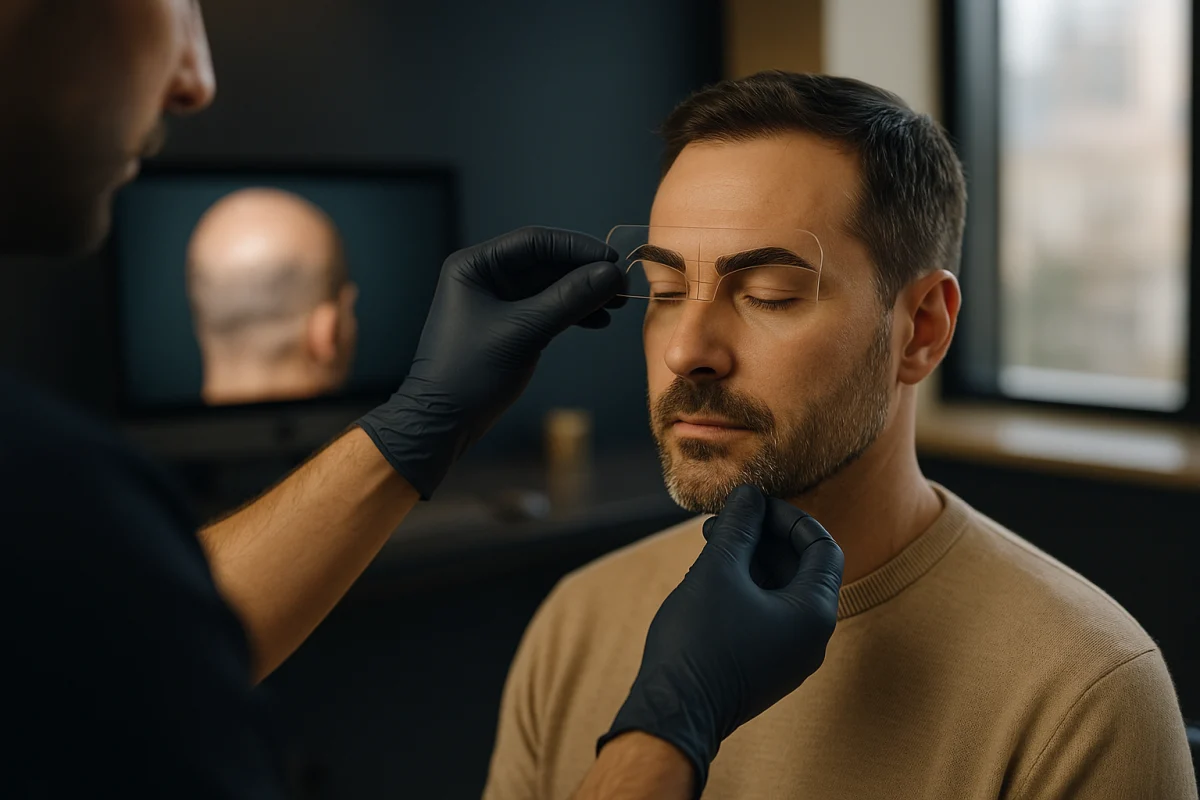
The procedure requires detailed artistic and surgical planning. Eyebrow hairs grow at very flat angles and change direction across the brow, so graft placement must follow the natural pattern of the head, body, arch, and tail. Donor hairs are also selected and positioned carefully because scalp hairs can continue to grow longer than native eyebrow hairs and usually need regular trimming after transplantation.
At Acibadem Hair Transplant Center in Istanbul, eyebrow restoration planning can be discussed as part of a doctor-reviewed hair assessment. The dedicated hair restoration clinic is licensed by the Turkish Ministry of Health and offers Sapphire FUE and DHI techniques. The technique selected, if surgery is appropriate, should be based on the donor area, recipient skin, brow design, and the doctor’s clinical judgement.
Transplantation cannot treat the medical cause of active hair loss, and it is not a guarantee that every patient will achieve the same density or growth pattern. Existing eyebrow hair, scar tissue, skin thickness, donor supply, healing, and ongoing medical conditions can all affect the result. A careful consultation should include realistic discussion of likely coverage, hair direction, maintenance, and possible limitations.
07Planning, Recovery and Long-Term Expectations After an Eyebrow Transplant
Before an eyebrow transplant, the medical team typically reviews your health history, current medicines, allergies, previous brow procedures, and the reason for hair loss. A proposed brow shape should respect facial proportions while allowing for personal preferences. It is usually safer to choose a conservative, natural-looking design than to create an overly dense or sharply defined brow that may not age naturally.
Local anaesthesia is commonly used for hair transplant procedures, and needle-free anaesthesia may be available at Acibadem Hair Transplant Center. Your doctor will confirm what is suitable for you and explain preparation instructions. Patients should disclose all medicines and supplements, especially those that may affect bleeding, healing, or anaesthesia, rather than stopping any prescribed treatment without medical advice.
In the early recovery period, small crusts, temporary redness, and short-term shedding of transplanted hairs can occur. Patients are usually given washing and aftercare guidance designed to protect the grafts while the skin heals. The visible growth timeline varies, and final maturation is gradual rather than immediate; your medical team can explain what is typically expected at each stage.
Long-term care includes trimming transplanted eyebrow hairs because they retain many characteristics of scalp donor hair. Some patients may also need minor grooming to maintain their preferred shape. Acibadem Hair Transplant Center provides all-inclusive packages that can include VIP transfer, a 4-star hotel, a care kit, and 12 months of follow-up; availability and the appropriate care plan should be confirmed during consultation.
08Frequently Asked Questions
Can thinning eyebrows grow back?
Thinning eyebrows can grow back when the follicles remain healthy and the cause is temporary, such as recent overplucking, irritation, or a treatable medical issue. Recovery can take time and is not always complete. If follicles have been permanently damaged by scarring or long-term trauma, regrowth may be limited and an eyebrow transplant may be discussed after medical assessment.
Which vitamin deficiency can make eyebrows thin?
Iron deficiency and low levels of certain nutrients, including vitamin D, zinc, biotin, or vitamin B12, may be considered when a person has hair changes, but no single vitamin deficiency explains all eyebrow thinning. Deficiency should be confirmed through appropriate clinical assessment rather than guessed from symptoms alone. High-dose supplements are not routinely recommended unless a clinician advises them.
How can you improve thinning eyebrows?
The right approach depends on the cause. It may include stopping damaging grooming habits, treating an underlying skin or medical condition, correcting a confirmed nutritional deficiency, and using gentle cosmetic camouflage while waiting for recovery. For stable, permanent eyebrow loss, a doctor may discuss eyebrow transplantation as a restorative option.
At what age do eyebrows usually begin to thin?
There is no fixed age when eyebrow thinning begins. Some people notice gradual changes from midlife onwards as part of normal ageing, while others develop thinning earlier because of grooming, skin conditions, hormonal changes, or other health factors. Sudden or marked changes at any age are worth discussing with a doctor.
Questo articolo ha scopo puramente informativo e non sostituisce il parere medico professionale.
 06
06 12
12