In questo articolo9
- Why vitamin D matters when you are planning a hair transplant
- Vitamin D and hair regrowth: what the evidence means in practice
- Which types of hair loss may be linked with low vitamin D
- Symptoms that may suggest low vitamin D, but do not diagnose it
- How doctors assess hair loss before transplant surgery
- Safe ways to improve vitamin D status before a procedure
- The role of vitamin D after a hair transplant
- Preparing for surgery when thinning is still active
- Frequently Asked Questions
Vitamin d and hair regrowth may be connected when a true vitamin D deficiency contributes to diffuse shedding or poor hair-cycle function. Correcting a confirmed deficiency can support healthier hair growth conditions, but it does not usually reverse genetic hair loss or replace a hair transplant when surgery is indicated.
- Vitamin D deficiency can be one possible contributor to diffuse hair shedding, but it is rarely the only explanation.
- A blood test and medical review are more reliable than treating hair loss based on symptoms alone.
- Correcting a confirmed deficiency may support the hair-growth cycle, although visible improvement can take several months.
- Vitamin D supplements do not create new follicles in areas where follicles have permanently miniaturised or been lost.
- Before transplant surgery, doctors usually assess the cause and stability of hair loss as well as general health factors.
01Why vitamin D matters when you are planning a hair transplant
Vitamin d and hair regrowth are often discussed together because vitamin D has a role in normal skin, immune and hair-follicle activity. Hair follicles are small, active structures that move through growing, resting and shedding phases. When the body has a significant nutritional deficiency, this cycle may be affected in some people. This does not mean that every person with thinning hair has low vitamin D, or that supplementation alone will restore a full head of hair. However, identifying a correctable deficiency can be an important part of a careful hair-loss assessment before transplant surgery.
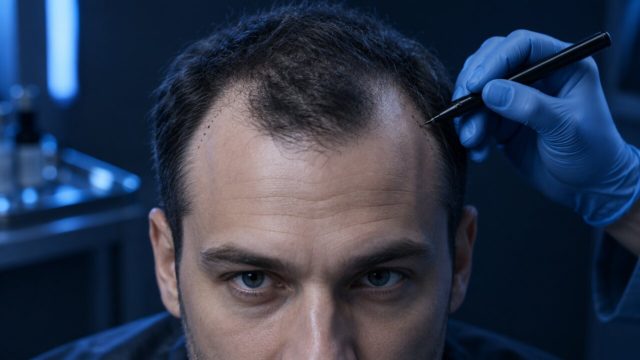
A hair transplant redistributes healthy follicles from a donor area, usually the back and sides of the scalp, to areas with reduced density. It does not stop the underlying process that may be causing ongoing thinning in non-transplanted hair. For this reason, your doctor may ask about recent illness, stress, diet, medications, hormonal changes and family history. If symptoms or medical history suggest a deficiency, blood testing may be recommended as part of a wider review. The goal is to understand whether hair loss is stable and whether the scalp and body are in the best possible condition before a procedure.
Low vitamin D is common in many populations, especially where people spend limited time in sunlight, cover their skin outdoors, have darker skin, live in northern climates or have conditions that affect nutrient absorption. Yet a low test result must be interpreted in context. The level considered appropriate, the need for treatment and the dose of any supplement should be confirmed by a qualified clinician. Taking very high doses without advice can be harmful and is not a safe shortcut for hair growth.
02Vitamin D and hair regrowth: what the evidence means in practice
Research has observed associations between low vitamin D levels and several forms of hair loss, including diffuse shedding and some immune-related hair conditions. An association does not prove that low vitamin D directly caused the hair loss. People may have low levels because of lifestyle, illness or other factors that also affect the hair cycle. In clinical practice, vitamin D is best viewed as one potentially relevant piece of a larger assessment rather than a stand-alone diagnosis.
When a genuine deficiency contributes to shedding, correcting it may help the body return to a more balanced hair cycle. This process is usually gradual. Hair grows slowly, and follicles that have entered a resting phase may not show visible change for several months. Some patients first notice less shedding before noticing improved density. Results depend on the cause of hair loss, how long it has been present, the health of existing follicles and whether there are additional issues such as iron deficiency, thyroid disease or androgenetic hair loss.
Vitamin D cannot reliably reactivate follicles that are no longer viable. In androgenetic hair loss, also called pattern hair loss, genetically sensitive follicles become progressively smaller over time. Supplements may correct a deficiency but generally do not stop this miniaturisation by themselves. A doctor may therefore discuss a broader plan that could include medical treatment, scalp care, lifestyle measures, observation or hair restoration surgery, depending on the diagnosis and your medical suitability.
03Which types of hair loss may be linked with low vitamin D
Diffuse shedding is one pattern that may lead a doctor to consider nutritional and medical factors. It is often described as increased hair coming out across the scalp rather than a clearly defined receding hairline or bald patch. A common example is telogen effluvium, where more follicles than usual move into the resting and shedding stage after a physical or emotional trigger. Triggers can include a fever, surgery, childbirth, rapid weight change, restrictive dieting, major stress or certain medications. Vitamin D status may be assessed alongside other possible causes when clinically appropriate.
Patchy hair loss has a different pattern and needs medical examination. Round or irregular bald patches can sometimes be related to an immune-mediated condition, fungal infection, traction, scarring disease or another scalp problem. Vitamin D may be lower in some patients with immune-related hair loss, but this does not mean vitamin D is a proven cure. Prompt evaluation is important because some causes benefit from early treatment, while scarring conditions can lead to permanent loss if they are not managed in time.
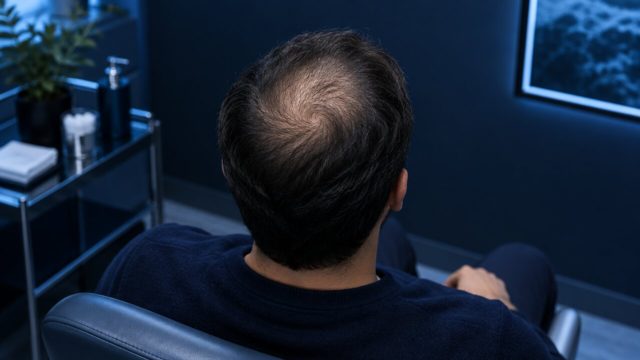
Pattern hair loss usually develops gradually. Men may notice recession at the temples, thinning at the crown or both. Women often notice a wider part line or reduced density over the top of the scalp while the frontal hairline remains relatively preserved. This pattern is mainly driven by genetics and hormone sensitivity, although nutritional deficits can coexist and may make shedding more noticeable. A transplant consultation should distinguish active diffuse shedding from stable pattern loss before surgical planning begins.
04Symptoms that may suggest low vitamin D, but do not diagnose it
Low vitamin D can cause no obvious symptoms, which is why a blood test is generally more useful than trying to diagnose yourself from hair loss alone. When symptoms occur, they may overlap with many other common conditions. People may report fatigue, frequent illness, low mood, bone or back discomfort, muscle aches, muscle weakness, slower healing, poor sleep, reduced exercise tolerance or hair shedding. These signs are non-specific, so they should not be used to conclude that vitamin D is the cause.
A clinician may be more likely to consider testing if hair shedding is combined with risk factors such as limited sun exposure, a diet low in vitamin D sources, digestive conditions that affect absorption, obesity, older age, pregnancy, recent bariatric surgery or certain long-term medicines. Your medical history matters because the same symptoms may also be linked with anaemia, thyroid disorders, low iron stores, B12 deficiency, infection, sleep problems or stress. A structured review prevents important causes from being missed.
If you are preparing for a hair transplant, report sudden shedding, scalp itching, scaling, pain, redness or new bald patches to your medical team. These symptoms do not automatically prevent surgery, but they may need assessment before proceeding. A stable scalp and a clear understanding of the type of hair loss help doctors plan graft placement more safely and set realistic expectations for both transplanted and existing hair.
05How doctors assess hair loss before transplant surgery
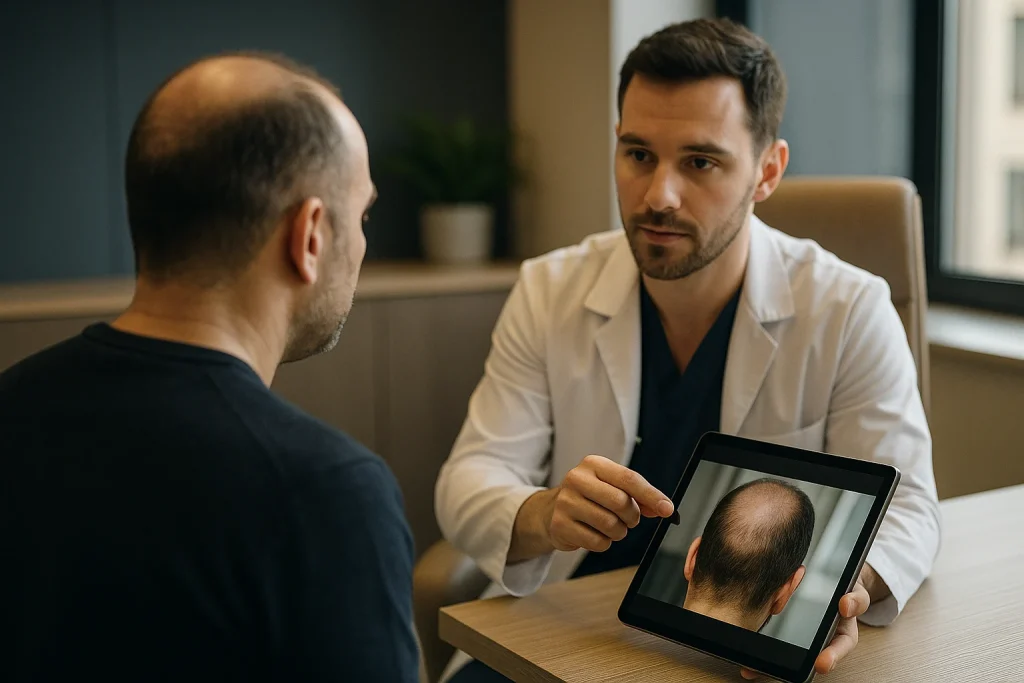
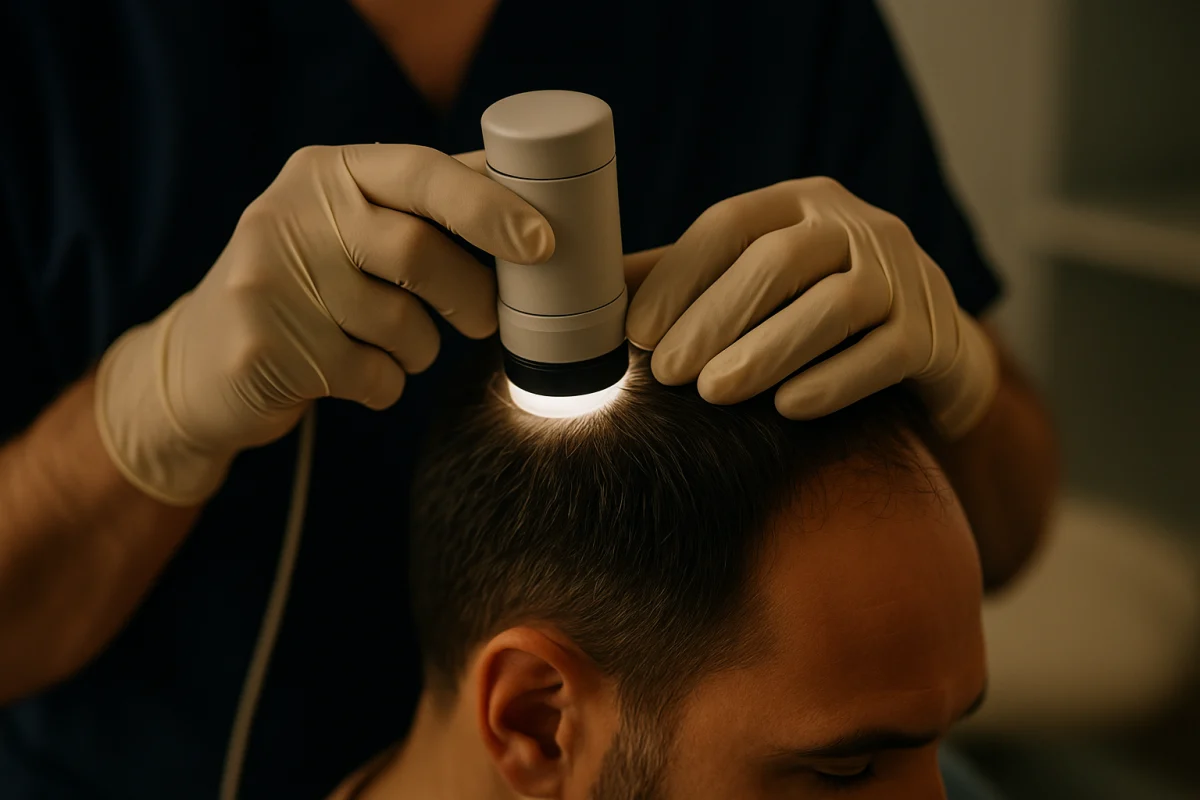
A responsible pre-transplant assessment begins with the pattern, duration and speed of hair loss. Doctors typically ask when the thinning began, whether shedding increased suddenly, whether relatives have similar hair loss and whether you have had recent health changes. They also review your medications, supplements, allergies and previous scalp treatments. High-resolution scalp assessment, including trichoscopic examination where available, can help show variation in hair-shaft thickness, follicle density, scalp inflammation and signs of miniaturisation.
Blood tests are not necessary for every person seeking a transplant. They may be considered when the history suggests diffuse shedding, nutritional concerns, fatigue, hormonal symptoms or a medical condition. Depending on the clinical picture, a doctor may assess vitamin D alongside iron-related tests, thyroid function, blood count or other relevant markers. Testing should be individualised. A normal vitamin D level does not rule out other causes of hair loss, and a low level does not always explain all thinning.
At Acibadem Hair Transplant Center in Istanbul, prospective patients can begin with a free online hair analysis reviewed by doctors. This initial review is not a replacement for an in-person medical assessment, but it can help identify whether further questions or testing may be useful before travel. The clinic is licensed by the Turkish Ministry of Health and provides Sapphire FUE and DHI hair restoration techniques when a patient is considered clinically suitable for treatment.
06Safe ways to improve vitamin D status before a procedure
If a blood test confirms low vitamin D, your doctor can recommend an appropriate plan based on the level, your health history and any absorption concerns. This may include a supplement for a defined period, dietary changes or both. The correct dose varies widely between individuals. More is not necessarily better: excessive vitamin D can raise calcium levels and may cause nausea, weakness, kidney problems or abnormal heart rhythm in severe cases. Always tell your clinician about every supplement you take before surgery.
Sunlight helps the skin produce vitamin D, but safe exposure depends on skin type, season, location, time of day and personal skin-cancer risk. Deliberate sunburn is never an appropriate strategy. Food sources can include oily fish, egg yolks, fortified foods and certain mushrooms, although diet alone may not fully correct a marked deficiency for every person. A clinician or registered dietitian can help you choose changes that fit your dietary needs, beliefs and existing medical conditions.
Vitamin d and hair regrowth should be approached as part of overall health preparation rather than as an urgent pre-surgery remedy. If a deficiency is found shortly before a planned procedure, your doctor will decide whether treatment can begin while plans continue or whether it is better to review the timing. The decision can depend on your general health, the degree of shedding, the scalp examination and the reason for the low level. Do not stop prescribed medication or begin high-dose supplements simply because you are planning a transplant.

07The role of vitamin D after a hair transplant
After a transplant, the newly placed grafts need time to settle and enter their normal growth pattern. It is typical for transplanted hairs to shed in the early weeks after surgery before new growth becomes visible later. This expected shedding is different from nutritional hair loss and should be explained in your post-procedure instructions. Vitamin D supplements do not prevent the normal early shedding phase of transplanted hair and do not make grafts grow immediately.
Good recovery depends on following your surgical team's aftercare guidance, including washing instructions, activity restrictions, scalp protection and medication advice. A balanced diet, adequate protein intake, hydration and management of known deficiencies can support general healing. However, no vitamin, oil or supplement can guarantee a specific graft-growth result. Be cautious of products that claim to dramatically accelerate recovery or replace medical follow-up.
For patients treated at Acibadem Hair Transplant Center, all-inclusive packages include a care kit and 12 months of follow-up. Graft survival is assessed through trichoscopic evaluation at month 12, with a documented 98% rate under the clinic's written guarantee. Individual recovery still varies, and your team will explain what is expected at each stage and when a new concern should be reviewed.
08Preparing for surgery when thinning is still active
A transplant is most predictable when the cause of hair loss has been assessed and the pattern is reasonably stable. If you are losing hair rapidly across the scalp, it may be sensible to investigate the trigger before deciding on graft numbers or hairline design. Transplanting into an area during active diffuse shedding can make the visual outcome harder to predict because existing, non-transplanted hairs may continue to shed. In some cases, treating an underlying issue first may preserve more native hair and improve long-term planning.
The most useful preparation is not to focus on one nutrient alone. Bring details of recent blood results, health conditions, medications and supplements to your consultation. Discuss your family history, previous procedures and your expectations for coverage and density honestly. A well-designed transplant must protect the donor area and account for possible future hair loss. Your doctor should explain the limits of donor supply and why a natural-looking result may require a conservative, long-term approach.
International patients can send photographs for an initial online review and typically receive a WhatsApp response within around two hours. If you proceed, travel planning should never replace medical screening. Ask clear questions about diagnosis, procedure suitability, aftercare and follow-up. A careful decision based on medical assessment is more valuable than starting supplements or booking surgery in response to hair loss anxiety alone.
09Frequently Asked Questions
Can hair grow back after treating vitamin D deficiency?
It can improve in some people if a confirmed vitamin D deficiency was contributing to diffuse shedding and the hair follicles remain healthy. Regrowth is usually gradual and may take several months to become noticeable. Vitamin D treatment does not usually reverse established genetic pattern hair loss or restore follicles that have been permanently lost.
What are the commonly called “big three” treatments for thinning hair?
The phrase “big three” commonly refers to minoxidil, finasteride and a medicated anti-dandruff shampoo often used as part of scalp care. Their suitability, expected benefit and side effects differ, and they are not appropriate for everyone. Finasteride in particular requires medical discussion and is not suitable for women who are pregnant or may become pregnant.
What are 10 possible signs of low vitamin D?
Possible signs include fatigue, frequent infections, low mood, bone discomfort, back pain, muscle aches, muscle weakness, slow wound healing, poor sleep and increased hair shedding. These symptoms are not specific to vitamin D deficiency and many people with low levels have no symptoms. A blood test reviewed by a clinician is the appropriate way to confirm a deficiency.
How can I increase my vitamin D level safely?
The safest approach is to have your level assessed and follow a clinician's advice on supplementation if needed. Safe sunlight habits and foods such as oily fish, egg yolks, fortified foods and some mushrooms may also contribute. Avoid high-dose supplements unless they are medically recommended, especially before surgery or if you have kidney disease, calcium disorders or take regular medication.
Questo articolo ha scopo puramente informativo e non sostituisce il parere medico professionale.
Questa guida ha scopo informativo generale e non sostituisce una visita medica. Le decisioni sul trattamento vengono prese dopo una valutazione del medico, di persona o online.