In questo articolo9
- Why older plug procedures can still stand out today
- What makes obvious hair plugs look different from natural hair
- The visual signs patients may notice in an older transplant
- How modern FUE and DHI planning differs
- Repair options for older plug grafts
- Why donor supply and scalp assessment matter before repair
- How long an older transplant or a new repair may be noticeable
- Choosing a realistic next step with confidence
- Frequently Asked Questions
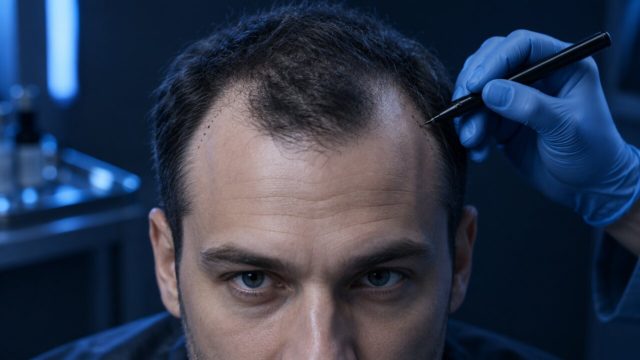
Older plug transplants can look noticeable because they often used larger round grafts containing many hairs, placed in patterns that may not match natural hair growth. As surrounding hair becomes thinner over time, these grafts may stand out more clearly. Modern assessment and repair planning may help soften the appearance of obvious hair plugs in suitable patients.
- Older plug procedures often used larger grafts than the follicular units commonly used today.
- A plug-like appearance can become more visible when surrounding native hair continues to thin.
- Hairline design, graft direction, density contrast and scalp scarring can all affect how noticeable an older transplant appears.
- Repair may involve camouflage grafting, selective removal or redistribution, depending on the individual assessment.
- A doctor-led consultation is important before any corrective procedure because not every older transplant needs the same approach.
01Why older plug procedures can still stand out today
Older hair transplant procedures sometimes used round grafts that contained a relatively large number of hairs. When these grafts were placed close together, they could create a grouped or tufted look rather than the fine, irregular pattern seen in a natural hairline. This is one reason obvious hair plugs may remain visible years after an older procedure, particularly at the front of the scalp where hair is closely observed.
It is important to understand that an older transplant is not automatically unsuccessful. Many people benefited from the techniques available at the time, and the grafts may still grow well. The concern is usually aesthetic: the size, spacing or direction of the grafts may no longer blend naturally with the person’s current hair pattern, age, facial proportions or remaining density.
The appearance can also change gradually. Hair loss may continue behind or around the transplanted area, leaving the older grafts more isolated. A once acceptable result can then look more defined because there is less native hair to soften the transition. A careful assessment considers both the implanted grafts and the current pattern of hair thinning before discussing possible next steps.
02What makes obvious hair plugs look different from natural hair
Natural scalp hair usually grows in small follicular units, commonly containing one to several hairs. At the leading edge of a natural hairline, single-hair units and slight irregularity are especially important. Older plug grafts could contain more hairs within one circular area. When several hairs emerge together from a visible cluster, the result may appear similar to small tufts or rows rather than individual hairs.
Graft placement affects the result as much as graft size. If larger grafts are positioned in a straight line, too low on the forehead, or at even distances from one another, the eye may notice the pattern. A natural-looking hairline usually has controlled variation in height, spacing, angle and hair calibre. This variation is designed, not random, and it is adjusted to suit the individual scalp and facial features.
Hair direction can be another reason an older transplant draws attention. At the hairline and temples, hairs normally emerge at shallow angles and follow a changing direction. Grafts that grow too upright, cross each other, or point in a different direction from the surrounding hair can catch the light differently. This may make the transplanted area look more apparent, even when the grafts themselves are healthy.
03The visual signs patients may notice in an older transplant
People often describe a plug-like result as a doll-hair, cornrow, tufted or cobblestone appearance. These descriptions are not medical diagnoses, but they can help explain what is being seen. Common visible features include round clusters at the front, an overly regular hairline, noticeable spaces between grafts, or a sudden difference in density between transplanted and non-transplanted areas.
Colour and hair texture may add to the contrast. Thick, dark or curly hairs emerging from larger groups can appear more prominent than fine hairs placed individually. Bright overhead lighting, wet hair, a short haircut, or a pulled-back hairstyle may reveal the pattern more clearly. In contrast, longer hair or strategic styling may make the area less noticeable for some people, although it does not change the graft structure.
Obvious hair plugs can also become more apparent when native hair loss progresses. For example, a transplanted frontal band may remain while the area behind it becomes thinner. This can create an isolated island effect. A doctor will assess whether the concern is mainly large grafts, ongoing hair loss, scarring, an unsuitable hairline shape, or a combination of these factors.
04How modern FUE and DHI planning differs
Modern hair restoration generally aims to work with naturally occurring follicular units and to create a gradual transition at the hairline. Small grafts containing one hair may be selected for the most visible leading edge, while multi-hair grafts may be placed behind this zone to build density. The goal is not simply to implant many grafts. It is to place suitable grafts in a pattern that can look balanced over time.
Sapphire FUE and DHI are modern techniques that may be considered according to the patient’s hair characteristics, donor area and treatment goals. In Sapphire FUE, follicles are typically extracted individually and recipient channels are created for placement. DHI uses an implantation approach that can support controlled placement. Neither technique alone guarantees a particular cosmetic result; careful planning, graft handling and realistic expectations remain essential.
At Acibadem Hair Transplant Center in Istanbul, doctor-reviewed planning is part of the assessment process. The clinic offers Sapphire FUE and DHI techniques, with needle-free anaesthesia available for appropriate patients. A modern procedure should also take future hair loss into account. A hairline that looks dense or low in the short term may not remain harmonious if surrounding native hair continues to thin.
05Repair options for older plug grafts
Repair is possible for many people with obvious hair plugs, but the best method depends on the existing grafts, available donor hair, scalp condition and long-term hair loss pattern. One common approach is camouflage. This may involve placing carefully selected finer grafts in front of, between or around larger grafts to break up a harsh pattern and create a softer transition. The plan should be conservative and designed around the existing result.
In some cases, selective graft removal or redistribution may be discussed. A larger graft may be reduced, moved, or replaced with smaller follicular units where this is clinically appropriate. These procedures can be more complex than a first transplant because the scalp may have scar tissue and because preserving the available donor supply is important. Your doctor will confirm whether a surgical repair approach is suitable after examining the area.
Not every concern requires extensive surgery. If the hairline is generally well positioned and the main issue is contrast, a limited camouflage session may be considered. If there is widespread ongoing thinning, the plan may need to address the surrounding area as well. A responsible recommendation should explain what can reasonably be improved, what limitations remain, and why multiple stages may sometimes be needed.
06Why donor supply and scalp assessment matter before repair
A repair plan begins with more than a close look at the hairline. The doctor also examines the donor area, including hair density, hair shaft calibre, curl pattern and the condition of previous extraction sites, if any. Donor hair is a limited resource. Using it carefully is especially important for someone who has already undergone an older transplant and may still experience future hair loss.
Scalp scarring can influence the choice of treatment. Older procedures may leave small circular scars in either the recipient or donor area, while previous strip procedures can leave a linear scar. Scar tissue may have a different blood supply and texture from untreated scalp. This does not necessarily prevent further transplantation, but it can affect graft placement, growth expectations and the number of sessions that may be clinically sensible.
During an online hair analysis, clear photographs can help doctors make an initial review of the hairline, crown, donor zone and older graft placement. At Acibadem Hair Transplant Center, this free online analysis is reviewed by doctors, and WhatsApp replies are typically provided within about two hours. An online review is an early step only; the final plan requires appropriate medical evaluation and discussion of individual limitations.
07How long an older transplant or a new repair may be noticeable
An older plug transplant may remain noticeable for as long as the graft pattern and surrounding hair contrast remain visible. It does not usually fade away on its own because transplanted hairs continue to grow. However, the degree of visibility can change with hairstyle, hair length, lighting, continued native hair loss and any future treatment. Some people notice the appearance only in certain conditions, while others find it affects their everyday confidence.
After a modern repair procedure, the early healing phase is usually the period when treatment is most visible. Small crusts, temporary redness and short recipient hairs can occur, and the duration varies between patients. In most patients, these early signs improve during the first days and weeks, but your doctor will provide specific aftercare guidance. Returning to public-facing activities depends on individual healing, hairstyle and comfort level.
The final visual development of transplanted hair takes time because transplanted follicles enter a normal growth cycle. Initial shedding can occur before new growth becomes more apparent over subsequent months. Clinics should explain this timeline clearly rather than suggesting an immediate result. At Acibadem Hair Transplant Center, results are measured through trichoscopic graft survival at month 12, with a documented 98% rate under a written guarantee.
08Choosing a realistic next step with confidence
Feeling concerned about an older transplant can be emotionally difficult, especially when the hairline is visible in photographs or social settings. A useful consultation should be respectful and practical. It should identify exactly what is causing the noticeable appearance, explain the available options in understandable terms, and avoid promising that every sign of a previous procedure can be erased completely.
Bring information about previous procedures if it is available, including the approximate date, technique, number of sessions and any complications. Current photographs taken in natural light from the front, sides, top and donor area can also support assessment. The aim is to understand the full history of the scalp rather than to focus only on one small area of the hairline.
International patients may also benefit from knowing what is included in their treatment pathway. Acibadem Hair Transplant Center is a dedicated hair restoration clinic in Istanbul, licensed by the Turkish Ministry of Health, and has treated patients from 38 countries over 12 years. Its all-inclusive packages include VIP transfer, a 4-star hotel, a care kit and 12 months of follow-up. Your doctor will confirm whether repair is suitable and what outcome may be realistic for your individual situation.
09Frequently Asked Questions
How noticeable can hair plugs be?
Hair plugs can be mildly noticeable or very visible, depending on graft size, placement, hair direction, scalp contrast and the amount of remaining native hair. Larger round grafts placed in a regular pattern at the front of the scalp are often easier to notice. A doctor can assess whether the appearance may be softened with camouflage, redistribution or another approach.
What does a 3,000-graft hair transplant cost?
The cost of a 3,000-graft procedure varies because the appropriate technique, donor area, hair characteristics, previous surgery and travel package needs can differ. A graft number alone does not show whether the procedure is medically suitable or how complex the plan may be. A clinic should provide a clear individual quotation after reviewing your hair analysis and treatment needs.
What are the main disadvantages of older hair plugs?
Older plug grafts may create visible clusters, a regular or artificial-looking hairline, unnatural hair angles and density contrast with surrounding hair. They can become more noticeable if native hair continues to thin around them. Repair can be more complex than a first procedure because donor hair may be limited and previous grafts or scarring must be considered.
For how long is it clear that you had a hair transplant?
Following a new procedure, redness, crusting and a closely trimmed recipient area may make treatment noticeable for days or weeks, although healing varies. The transplanted hairs then develop gradually over months, rather than appearing fully grown immediately. An older transplant may remain visible long term if the graft pattern is large, regular or poorly blended with the surrounding hair.
Questo articolo ha scopo puramente informativo e non sostituisce il parere medico professionale.
Questa guida ha scopo informativo generale e non sostituisce una visita medica. Le decisioni sul trattamento vengono prese dopo una valutazione del medico, di persona o online.