In questo articolo9
- Do Transplanted Hairs Fall Out After Surgery?
- What Actually Sheds: Hair Shaft Versus Follicle
- Why Shock Shedding Happens During Recovery
- A Typical Timeline From Scabs to New Growth
- How to Care for the Scalp While Hair Is Shedding
- When Shedding May Need Medical Review
- How FUE and DHI Recovery Can Affect What You See
- How to Judge Progress Without Becoming Overly Concerned
- Frequently Asked Questions
Yes, transplanted hairs commonly shed in the first weeks after surgery. This is usually a temporary recovery phase called shock shedding: the visible hair shaft falls, while the implanted follicle generally remains under the skin and may begin producing new hair over the following months.
- Early shedding of transplanted hair shafts is usually a normal part of the healing and growth cycle.
- A graft is not necessarily lost when a hair falls out, because the follicle can remain protected beneath the scalp.
- New growth is often gradual, with early fine hairs becoming fuller and more mature over time.
- Following washing, medication, activity, and sun-protection instructions can support uncomplicated healing.
- Contact your clinic promptly if you notice persistent bleeding, worsening pain, fever, pus, or extensive redness.
01Do Transplanted Hairs Fall Out After Surgery?
It is understandable to ask, do transplanted hairs fall out after surgery, especially when you first see small hairs in the sink, on a pillowcase, or while washing your scalp. In most patients, some shedding is expected during the first weeks after a hair transplant. The hair shaft that is visible above the scalp may detach, but this does not automatically mean that the implanted follicle has been lost. The follicle is the living structure below the skin that can later produce a new hair.
Hair transplantation moves follicles from a donor area, usually at the back or sides of the scalp, into areas with thinning or hair loss. During the procedure and the early healing period, follicles experience a temporary physical stress. This can interrupt their normal hair-growth rhythm. As a result, the old shaft may be released before the follicle returns to an active growth phase. Clinics often call this temporary process shock shedding or postoperative shedding.
The first months can require patience because the appearance of the scalp may change several times before the final result develops. Small scabs form and clear, native hairs around the treated area may appear thinner for a short period, and transplanted shafts may shed. These changes can be worrying, but they are often part of normal recovery. Your doctor and clinical team will confirm what is expected for your individual healing pattern and procedure plan.
02What Actually Sheds: Hair Shaft Versus Follicle
A useful distinction is the difference between a hair shaft and a hair follicle. The shaft is the strand you can see and touch above the scalp. It is made of keratin and is no longer living tissue. The follicle sits below the skin and contains the structures that support future hair production. When a transplanted strand sheds during recovery, it is frequently the shaft that comes away while the follicle remains in place.
In the early days after surgery, grafts need time to settle into their new blood supply and surrounding tissue. This is why aftercare instructions are designed to protect the recipient area from rubbing, scratching, pressure, and accidental pulling. Once grafts have healed appropriately, later shedding of the hair shaft is generally connected to the biological growth cycle rather than to a graft being physically dislodged. Your clinic can explain the specific protection period that applies to you.
Occasionally, people notice a tiny crust or dry skin attached to a shed hair. This can look alarming, yet it is not by itself proof that a whole graft has come out. Early scabs are a normal wound-healing response and should not be picked. Gentle washing as instructed helps them soften and release naturally. If you believe a graft may have been knocked out, particularly soon after surgery, take a clear photo and contact your clinical team rather than trying to inspect or treat the area yourself.
03Why Shock Shedding Happens During Recovery
Shock shedding is a temporary response to the stress of transplantation. Hair follicles naturally move through growing, resting, and shedding phases. Surgical handling, local swelling, changes in the follicle environment, and the healing response can encourage follicles to enter a resting phase earlier than usual. The previous hair strand is then shed, while the follicle pauses before beginning another growth cycle.
This response does not mean that the procedure has failed. In fact, visible shedding can occur even when the grafts are healing as intended. The pace and amount of shedding vary between patients. Some people see obvious loss of most transplanted shafts, while others retain more of the original hair and experience less noticeable shedding. Differences in scalp characteristics, hair type, procedure details, healing, and individual biology can all affect the experience.
People also ask do transplanted hairs fall out because they may see shedding in both the transplanted and surrounding areas. Existing, non-transplanted hairs can sometimes thin temporarily after surgery as well. This is sometimes described as shock loss of native hair. It may be more noticeable when there is already fine or weakened hair in the recipient area. Your doctor will assess the condition of your existing hair before treatment and may discuss realistic planning for ongoing hair loss.
04A Typical Timeline From Scabs to New Growth
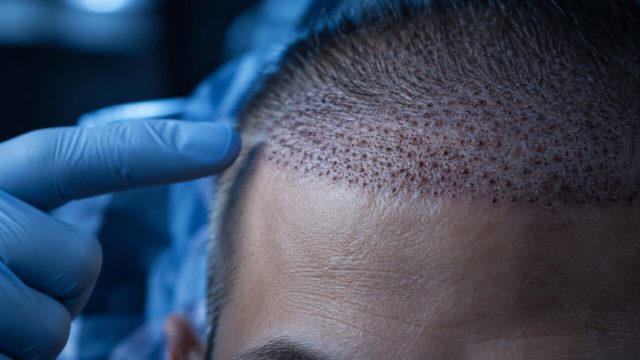
During the first several days, the scalp may look red, mildly swollen, or dotted with small crusts around each graft. These crusts generally form as part of healing and should be managed only according to the washing instructions provided by your clinic. At this stage, it is more important to protect the grafts than to judge cosmetic appearance. The scalp often looks better gradually as swelling settles and scabs release naturally.
In many patients, shedding of the transplanted shafts becomes more noticeable a few weeks after surgery. This period can continue for several weeks. The recipient area may temporarily appear similar to how it looked before the transplant, or it may seem a little thinner while both transplanted and nearby hairs adjust. This can be emotionally difficult, particularly after the anticipation of surgery, but it is usually too early to assess the outcome.
Early new hairs may begin to appear over the following months, although the exact timing differs from person to person. At first, new growth can be fine, light in colour, uneven, or slower in some zones than others. Hair commonly becomes longer, thicker, and more coordinated with the surrounding hair as cycles progress. Meaningful assessment normally requires time, and your doctor will advise when photographs and follow-up examinations are most useful.
05How to Care for the Scalp While Hair Is Shedding
Careful aftercare is important because it supports clean healing and reduces avoidable irritation. Follow the washing schedule, lotion or foam instructions, and medication guidance given by your clinical team. Use only the water pressure and hand movements you have been shown. Avoid rubbing the recipient area with a towel, using fingernails to remove scabs, or applying unapproved cosmetics and scalp products during the early recovery period.
Protecting the scalp from friction and trauma is especially important in the first phase. Depending on your clinic's instructions, you may need to sleep with your head elevated for a short period, avoid tight headwear, and take care when changing clothes. Strenuous exercise, swimming, sauna exposure, and direct sun may also need to be postponed temporarily. These restrictions are not permanent, but the timing for returning to normal activity should be confirmed by your doctor.
Healthy everyday habits can also support general recovery. Drink adequate fluids, eat regular balanced meals, avoid smoking if possible, and rest well. Do not start supplements, hair-growth treatments, or topical products solely because shedding has begun without asking your doctor. Some products may irritate healing skin or may not be appropriate for everyone. A calm, consistent aftercare routine is generally more helpful than changing several things at once.
06When Shedding May Need Medical Review
Most postoperative shedding is not an emergency, but some symptoms should be reported promptly. Contact your clinic if you develop increasing rather than improving pain, spreading redness, significant warmth, swelling that worsens, discharge that looks like pus, a foul smell, fever, or persistent bleeding. These signs do not always indicate a serious complication, but they require professional assessment so that appropriate care can be arranged.
It is also sensible to seek advice if you have accidentally scratched, hit, or pulled the recipient area soon after surgery. A sudden event does not always damage grafts, and panic can lead to unnecessary handling of the scalp. Explain what happened, when it happened, and whether there was bleeding. Clear photographs taken in good light can help the clinical team understand the situation and guide you safely.
If you are asking do transplanted hairs fall out because the shedding seems extensive, remember that appearance alone cannot reliably show graft survival in the early months. Individual patterns vary widely, and a temporary sparse appearance can be normal. A follow-up review allows the doctor to examine the scalp, compare progress with expected recovery, and discuss any concerns. It is better to ask early than to rely on online images or another patient's timeline.
07How FUE and DHI Recovery Can Affect What You See
Sapphire FUE and DHI are methods used to place hair follicles, but both can be followed by a temporary shedding stage. In Sapphire FUE, recipient channels are created before graft placement. In DHI, grafts are placed using an implantation instrument. Your doctor chooses the technique based on factors such as the donor area, hair characteristics, recipient-zone needs, and the overall treatment plan. Neither technique removes the need for patient aftercare and time for biological growth cycles.
The number of grafts, the density plan, the size of the treatment area, and the quality of existing hair can influence how recovery looks. A larger area may make the early shed phase feel more visible simply because more transplanted shafts are present. Curly, fine, straight, light, or dark hair can also create different visual effects as hair begins to grow. These cosmetic differences are one reason direct comparison with another person can be misleading.
At Acibadem Hair Transplant Center, doctors review a free online hair analysis before advising on a treatment plan. The clinic is licensed by the Turkish Ministry of Health and provides follow-up for 12 months as part of its all-inclusive packages. Follow-up is valuable because recovery questions, including temporary shedding, can be reviewed in the context of your own procedure, scalp healing, and progress photographs.
08How to Judge Progress Without Becoming Overly Concerned
The most reliable way to follow recovery is to take photographs under similar lighting, angle, hair length, and styling conditions at the intervals recommended by your clinic. Daily mirror checks can make normal small changes feel more dramatic. Monthly photographs often show gradual improvement more clearly than memory alone. Avoid judging density immediately after washing, in strong overhead light, or when hair is very short, as these conditions can make the scalp appear more visible.
Hair growth after transplantation is not usually perfectly even from one week to the next. One side or zone may seem ahead of another, and some hairs may grow in finer or curlier before becoming more mature. This unevenness is frequently temporary. The final appearance depends on many factors, including graft healing, hair calibre, donor characteristics, continued native-hair loss, and how each follicle cycles after placement.
A clinic should explain how it monitors outcomes rather than relying on early visual impressions. At Acibadem Hair Transplant Center, results are measured by trichoscopic graft survival at month 12, with a documented 98% rate under written guarantee. This measurement reflects a later clinical assessment, not a promise that every patient will see the same cosmetic result. Your doctor will explain what follow-up findings mean for you and when it is appropriate to evaluate progress.
09Frequently Asked Questions
How long after a transplant do hairs usually shed?
Shedding often becomes noticeable a few weeks after surgery and may continue for several weeks. The exact schedule differs between patients, so your clinic's aftercare team can confirm whether your progress appears typical.
Can I wash my hair if transplanted hairs are falling out?
Yes, but only follow the washing method and timing provided by your clinic. Gentle washing is commonly part of recovery, while rubbing, scratching, or picking scabs should be avoided.
Does shedding mean the transplanted grafts have failed?
Usually, no. The visible hair shaft may shed while the follicle remains beneath the scalp and later produces a new hair. Early shedding alone cannot accurately determine the final outcome.
When should I contact my clinic about hair shedding?
Contact your clinic if shedding is accompanied by worsening pain, spreading redness, fever, pus-like discharge, persistent bleeding, or if the scalp has had a significant injury. They can assess whether a review is needed.
Will all transplanted hairs grow back at the same time?
Not usually. Follicles may restart growth at different times, so early growth can look uneven. Hair generally matures gradually over subsequent months.
Questo articolo ha scopo puramente informativo e non sostituisce il parere medico professionale.
Questa guida ha scopo informativo generale e non sostituisce una visita medica. Le decisioni sul trattamento vengono prese dopo una valutazione del medico, di persona o online.