
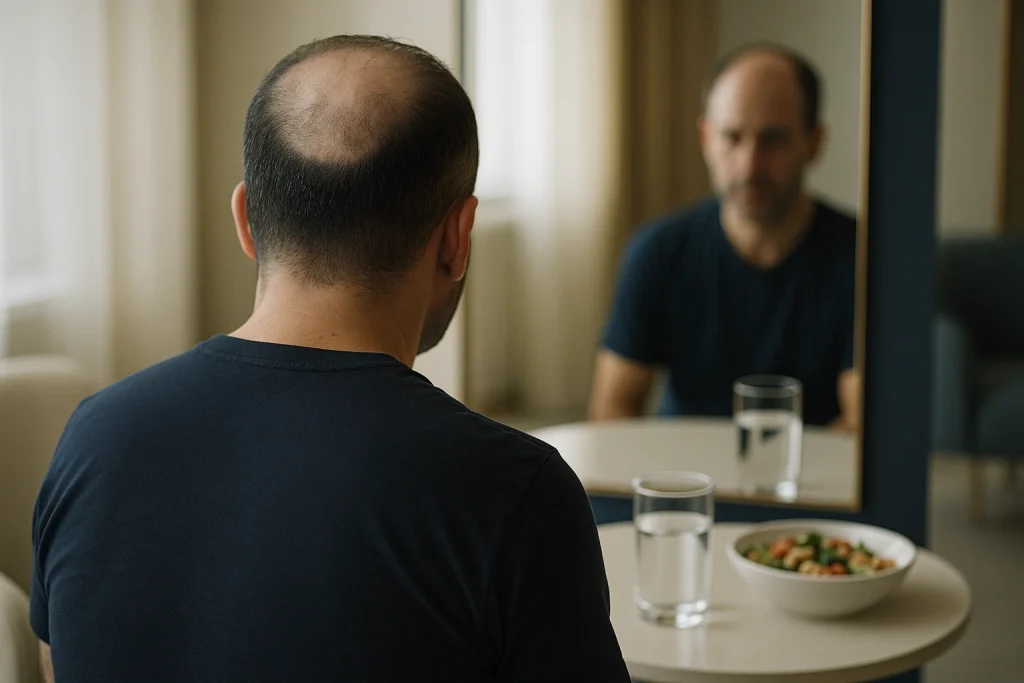
Does drinking cause hair loss? Alcohol is not usually the only cause of hair loss, but frequent or heavy drinking may contribute to shedding through poor nutrition, dehydration, hormonal changes, stress, and liver disease. Reducing alcohol intake and preparing carefully before transplant surgery can support your general health and recovery, while your doctor will confirm the safest plan for you.
- Alcohol may contribute to hair shedding indirectly, especially when it affects nutrition, sleep, liver health, or overall wellbeing.
- Genetic hair loss is common and usually needs a separate medical assessment, even when alcohol use is also present.
- Stopping or reducing alcohol may support healthier hair growth conditions, but it may not reverse permanent follicle miniaturisation.
- Alcohol should usually be avoided around hair transplant surgery because it can affect hydration, bleeding, sleep, and recovery.
- A medical assessment is important if hair loss is sudden, severe, patchy, or combined with symptoms of possible liver disease.
01Alcohol, Hair Loss, and Preparing for Transplant Surgery
Many people ask, does drinking cause hair loss, especially when they notice more hair in the shower, on a pillow, or in a brush after a period of frequent drinking. The direct answer is that alcohol is not normally considered a single, direct cause of common hair loss. However, regular heavy drinking may create conditions that can worsen shedding or make existing thinning more noticeable. These include reduced food quality, dehydration, disturbed sleep, stress, inflammation, and health problems that affect how the body supports normal hair growth.
Hair follicles are active structures that depend on a steady supply of energy, protein, vitamins, minerals, and oxygen through the blood. When the body is under physical stress, it may shift resources away from non-essential functions such as hair production. This can sometimes lead to increased shedding several weeks or months after the stressful period. This type of shedding may be temporary, but the reason behind it should still be identified rather than assumed.
It is also important to separate shedding from progressive pattern hair loss. Male and female pattern hair loss is commonly linked to inherited sensitivity of hair follicles and hormonal factors. Alcohol may affect general health, but it does not usually explain this genetic process on its own. A professional hair and scalp review can help distinguish between pattern thinning, temporary shedding, breakage, scalp conditions, medication-related changes, and other possible causes.
02Does drinking cause hair loss through nutrition and body stress?
Does drinking cause hair loss through a lack of nutrients? It can contribute indirectly when alcohol replaces balanced meals, reduces appetite, or affects the body's ability to use nutrients well. Hair is largely made of protein, and healthy growth also depends on nutrients such as iron, zinc, vitamin D, folate, and several B vitamins. Low levels do not always occur in people who drink alcohol, but they are more likely when drinking is frequent, heavy, or linked with a limited diet.
Alcohol can also interfere with sleep quality. Although some people feel sleepy after drinking, alcohol may disrupt later stages of sleep and lead to less restorative rest. Poor sleep does not automatically cause baldness, but ongoing sleep disruption can add to physical stress and may make hair shedding more noticeable in some patients. It can also make it harder to maintain regular meals, hydration, exercise, and a consistent hair care routine.
Dehydration is another relevant factor. Alcohol can increase fluid loss, and dehydration may leave the scalp and hair feeling dry or dull. It does not usually destroy follicles by itself, but dry, fragile hair may break more easily and appear thinner. Drinking water alongside alcohol does not remove every health effect of alcohol, yet maintaining normal hydration remains sensible for general wellbeing and for the condition of the skin and scalp.
03Different hair loss patterns need different answers
Not all hair loss looks or behaves the same way. Pattern hair loss usually develops gradually, with a receding hairline, thinning at the crown, widening of the part line, or reduced density across the top of the scalp. Temporary shedding often presents as more hairs coming out from all areas of the scalp, while the hairline may remain broadly stable. Breakage is different again: the hair shaft snaps, leaving shorter strands, but the follicle may still be healthy.
A sudden increase in diffuse shedding can occur after a major physical or emotional stressor. This can include illness, rapid weight change, a restrictive diet, surgery, major life stress, or a period of poor overall health. Alcohol may be one contributing part of that picture, particularly if it changes eating habits or sleep. Because the timing can be delayed, people do not always connect shedding with an event that happened two or three months earlier.
Patchy bald areas, scalp pain, scaling, itching, redness, or hair loss affecting eyebrows and body hair should not be explained simply by drinking. These signs can have several causes and deserve medical assessment. Similarly, a person who has long-standing genetic thinning may notice more shedding during a stressful period, but reducing alcohol alone may not restore follicles that have already become significantly miniaturised.

04Alcohol, hormones, and the scalp environment
The relationship between alcohol and hormones is complex. Frequent heavy alcohol intake can affect several body systems, including hormones involved in metabolism, stress responses, and reproductive health. These changes may influence the hair growth cycle in some people, but the effect is not predictable and should not be treated as a simple explanation for every case of thinning. Your doctor may consider your medical history, symptoms, medications, family history, diet, and scalp findings before reaching a conclusion.
Alcohol may also make certain scalp concerns harder to manage indirectly. For example, poor sleep, dehydration, and inconsistent self-care can make dryness or irritation feel worse. However, dandruff, seborrhoeic dermatitis, psoriasis, fungal infections, and inflammatory scalp conditions have their own causes and treatment approaches. Using alcohol as the only explanation can delay appropriate care, particularly when there is visible inflammation or discomfort.
When people search does drinking cause hair loss, they may hope for one clear cause that can be removed quickly. In reality, hair health is often influenced by several factors at the same time. Improving alcohol habits may be a positive step, especially when paired with regular meals, adequate protein, good sleep, and medical review where needed. It is not a substitute for diagnosis, and it should not delay care for ongoing or rapidly progressing hair loss.
05When alcohol use may point to liver health concerns
The liver processes alcohol and has an important role in metabolism, nutrient storage, and many body functions. Early alcohol-related liver disease may cause no obvious symptoms, which is why a person cannot judge liver health from hair loss alone. In some cases, fatigue, reduced appetite, nausea, discomfort in the upper right side of the abdomen, or feeling generally unwell may occur. These symptoms are not specific to liver disease, but they should be discussed with a qualified healthcare professional.
More concerning possible signs can include yellowing of the skin or eyes, dark urine, pale stools, swelling in the abdomen or legs, easy bruising, vomiting blood, black stools, confusion, or severe weakness. These require urgent medical attention. A hair transplant consultation is not a replacement for liver assessment, blood tests, or support for alcohol dependence. Safety should always come first, especially before any elective medical procedure.
If you are concerned about alcohol use, confidential support from a doctor or an appropriate local health service can be an important first step. Avoid stopping suddenly without medical guidance if you drink heavily every day, because alcohol withdrawal can be dangerous for some people. A healthcare professional can advise on a safe approach based on your individual situation. Addressing alcohol-related health concerns may also help create a safer foundation for any future cosmetic procedure.
06Why alcohol matters before hair transplant surgery
Hair transplant surgery is a medical procedure, and preparation is designed to reduce avoidable risks. Alcohol is commonly avoided before surgery because it may affect hydration, sleep, blood pressure, and the body's response to anaesthesia. It can also increase the chance of bleeding in some circumstances and may make it harder for a patient to follow preparation instructions carefully. The exact alcohol-free period can vary, so your surgical team will confirm the appropriate timeline for your health and planned procedure.
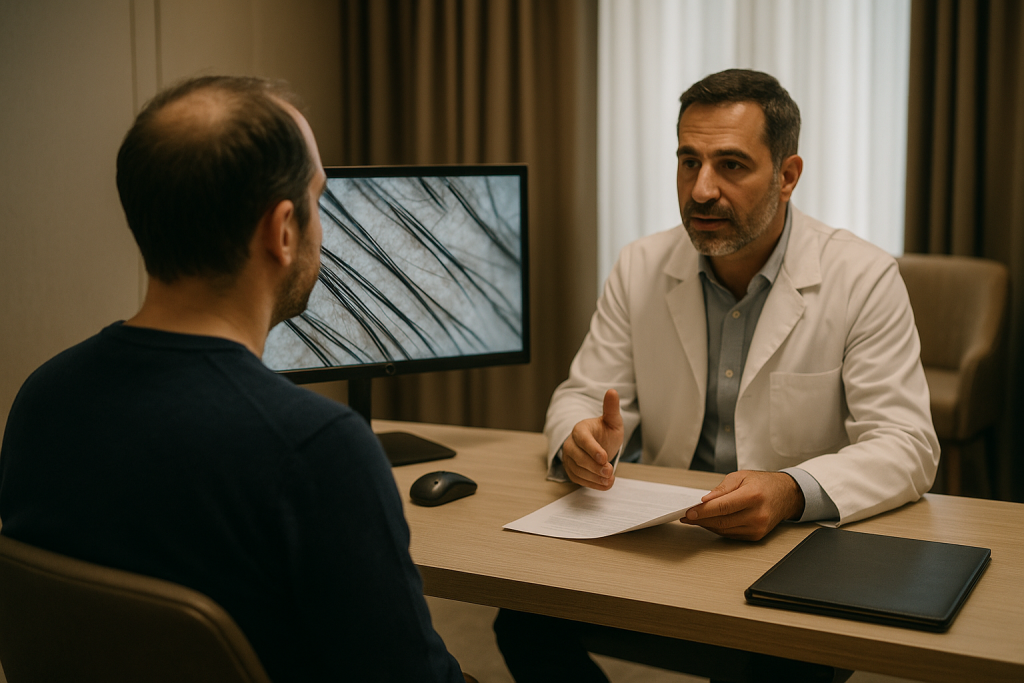
Being open about alcohol intake is important during a pre-operative review. It allows the medical team to assess whether any additional precautions, tests, or changes to timing may be needed. This is not about judgement. It is about helping the team plan safely, including decisions related to anaesthesia, prescribed medicines, wound healing, and aftercare. Do not hide regular or heavy alcohol use because incomplete information can affect safe medical planning.
At Acibadem Hair Transplant Center, a dedicated hair restoration clinic in Istanbul licensed by the Turkish Ministry of Health, doctors review each patient's information before recommending a plan. Sapphire FUE and DHI are available techniques, and needle-free anaesthesia is also available where appropriate. A free online hair analysis can be reviewed by doctors before travel, but final suitability and surgical recommendations are always confirmed through clinical assessment.
07Recovery habits after a transplant: protecting healing grafts
After a transplant, the scalp needs time to heal and newly placed grafts need gentle care. Alcohol is usually avoided during the early recovery period because it may increase swelling, affect hydration, disturb sleep, and make it easier to forget important instructions. Your clinic will provide specific guidance on when alcohol may be resumed, based on your procedure, medications, and recovery progress. Following this guidance carefully is part of protecting the surgical area.
Recovery also benefits from regular meals, adequate water intake, rest, and careful use of prescribed or recommended medicines. Avoid changing, stopping, or combining medicines without approval from your doctor, particularly pain relief or medicines that may interact with alcohol. Smoking and nicotine use may also be relevant to healing, so patients should discuss these habits honestly with the clinical team. The goal is to support a stable healing environment rather than look for one single recovery shortcut.
Patients travelling to Istanbul may appreciate having a structured aftercare plan. Acibadem Hair Transplant Center offers all-inclusive packages that include VIP transfer, a 4-star hotel, a care kit, and 12 months of follow-up. Results are measured by trichoscopic graft survival at month 12, with a documented 98% rate under written guarantee. Individual outcomes can still vary, and careful aftercare, health status, and the characteristics of the donor and recipient areas all matter.
08Practical next steps for healthier hair and safer planning
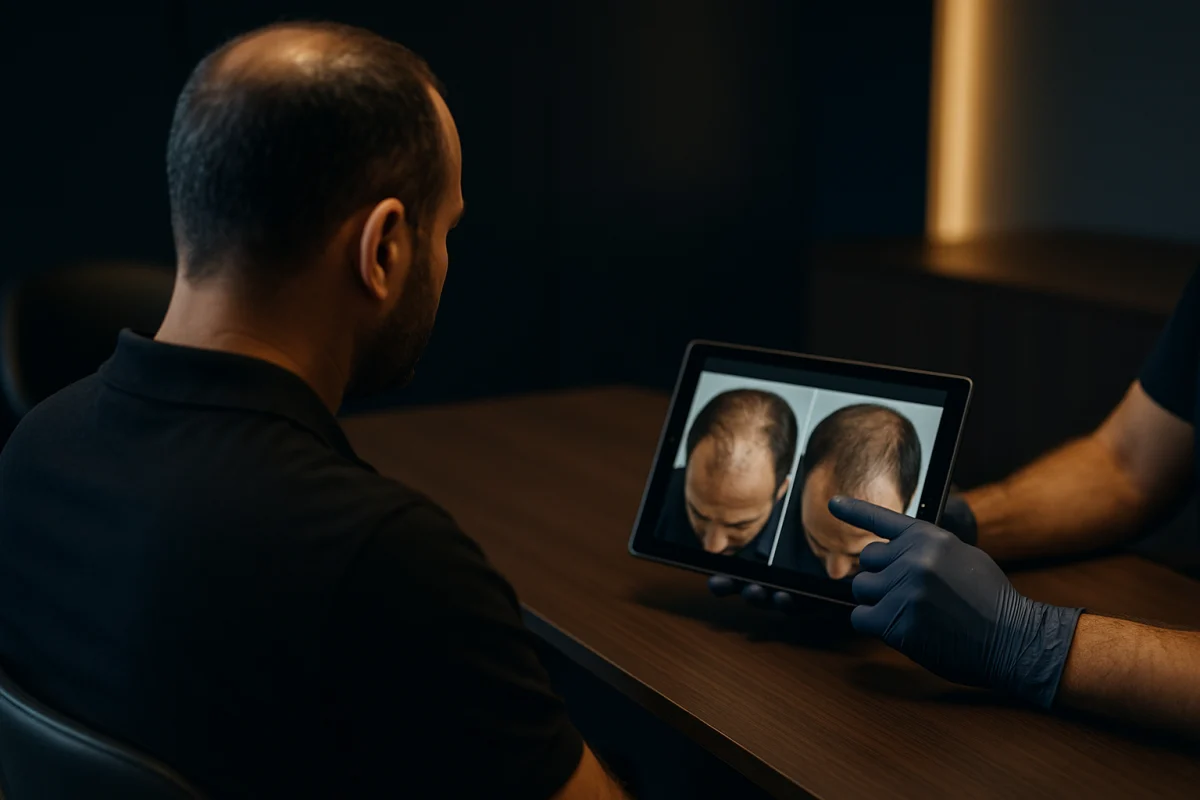
If you are worried that alcohol is affecting your hair, start with a realistic overview of your habits and symptoms. Notice whether your drinking has changed, whether meals have become irregular, and whether shedding began after illness, stress, weight change, or medication changes. Take clear photographs of the hairline, crown, and part line in similar lighting over time. This can help show whether the concern is active shedding, gradual thinning, or a stable pattern that has become more noticeable.
Reducing alcohol may support better sleep, nutrition, hydration, and general health, particularly if drinking has been frequent. However, does drinking cause hair loss in every person who drinks? No. Many people with hair loss have genetic or medical reasons unrelated to alcohol, and many people who drink alcohol do not develop noticeable thinning. A balanced approach is more helpful than self-blame: improve modifiable habits while arranging professional assessment for persistent concerns.
For international patients, our team has welcomed patients from 38 countries over 12 years. You can begin with a free online hair analysis reviewed by doctors, with WhatsApp replies typically within around two hours. This early review can help you understand what information to prepare, but it cannot replace an in-person examination or urgent medical care. If alcohol use, liver symptoms, or sudden hair loss are concerns, seek medical advice before making travel or surgery plans.
09Frequently Asked Questions
Can my hair become healthier if I stop drinking alcohol?
Reducing or stopping alcohol may improve the conditions that support healthy hair, particularly if alcohol has affected sleep, diet, hydration, or general health. Temporary shedding linked to physical stress or poor nutrition may improve once the underlying issue is addressed. However, inherited pattern hair loss or follicles that have become significantly miniaturised may not reverse simply by stopping alcohol.
Is there a particular alcoholic drink that makes hair thin?
No specific type of alcoholic drink has been proven to directly cause thinning hair in every person. The more relevant factors are the amount and frequency of alcohol, its effect on diet, sleep, hydration, and overall health, and whether liver disease or nutritional deficiencies are present. A doctor can help investigate persistent hair loss rather than focusing only on one drink.
Which early symptoms may suggest alcohol-related liver damage?
Early alcohol-related liver disease may have no clear symptoms. Some people may experience fatigue, poor appetite, nausea, or discomfort in the upper right abdomen, but these symptoms can have many causes. Yellow skin or eyes, dark urine, abdominal swelling, confusion, vomiting blood, or black stools require urgent medical attention.
Is alcohol-related hair loss permanent?
It depends on the cause. Diffuse shedding related to temporary stress, poor nutrition, or illness may improve after the cause is treated and the hair cycle recovers. Hair loss caused by genetic pattern thinning, scarring conditions, or untreated medical issues may be more persistent, so a professional assessment is important.
Эта статья носит исключительно информационный характер и не заменяет профессиональную медицинскую консультацию.
 06
06 12
12