

Protein powder for hair growth may help support normal hair production when a person is not meeting their protein needs through food. However, it does not usually reverse genetic hair thinning or create new follicles, so it should not be viewed as a replacement for a medical hair-loss assessment before transplantation.
- Adequate dietary protein supports the keratin structure of healthy hair, especially when protein intake has been low.
- A protein powder can be a practical dietary supplement, but it does not treat androgenetic hair loss or replace a transplant plan.
- Sudden shedding, patchy loss, scalp symptoms, and restrictive dieting should be assessed before scheduling a hair transplant.
- Hair transplant candidates should tell their doctor about all supplements, shakes, medicines, and recent dietary changes.
- A balanced pre-transplant routine includes enough energy, protein, iron-rich foods where appropriate, sleep, and medical guidance.
01Why Protein Matters for Hair Before a Transplant
Hair is made mainly of keratin, a structural protein produced inside the hair follicle. For this reason, protein is an important part of normal hair growth and hair strength. When the body does not receive enough protein, it may direct available nutrients toward essential functions rather than hair production. In some people, prolonged low protein intake may contribute to increased shedding, finer-looking hair, or slower recovery after a period of physical stress. This is why protein powder for hair growth is often discussed by people who are preparing for hair transplantation or trying to improve their general nutrition.
It is important to separate nutritional support from treatment for hair loss. Protein helps provide building blocks for the hair that is already growing, but it does not change the genetic sensitivity of follicles to hormones. In most patients with androgenetic alopecia, also known as male-pattern or female-pattern hair loss, thinning happens because susceptible follicles gradually become smaller. Eating more protein can support overall health, but it cannot usually stop this process on its own or restore follicles that are no longer active.
Before a hair transplant, your medical team will usually focus on the cause and stability of your hair loss, the quality of the donor area, scalp health, and realistic coverage goals. Nutrition is one useful part of this wider assessment. A good pre-transplant diet may support your general wellbeing during recovery, while an unbalanced diet, rapid weight loss, or untreated deficiency may be relevant to ongoing shedding. Your doctor will confirm whether any tests or dietary changes are appropriate for your situation.
02Can Protein Powder for Hair Growth Make a Difference?
A protein shake may make a difference if it helps you reach an adequate daily protein intake that you would otherwise miss. This can be helpful for people with low appetite, busy schedules, limited food choices, intense exercise routines, or a diet that has recently become restrictive. In that setting, the benefit comes from correcting a nutritional gap, not from a special hair-growing effect of the powder itself. The body breaks dietary protein down into amino acids, which are then used for many functions, including the production of hair proteins.
If you already eat enough protein through varied meals, adding extra powder is unlikely to make hair grow faster or make a transplant result denser. Hair growth follows a natural cycle, and visible changes take time. Excess protein does not directly force follicles into a longer growth phase. It is also possible to overlook other important issues by concentrating only on shakes, such as low iron stores, low calorie intake, thyroid concerns, recent illness, emotional stress, or a medication-related shedding pattern.
The quality and ingredients of a supplement matter as well. Some powders contain large amounts of sugar, stimulants, herbal blends, high doses of vitamins, or ingredients that may not be suitable for everyone. A simple product with a clear ingredient list is generally easier to discuss with a doctor or dietitian. If you have kidney disease, liver disease, metabolic concerns, allergies, are pregnant or breastfeeding, or take regular medication, seek professional advice before changing your supplement routine.
03Choosing Dietary Protein Sources That Support Hair Health
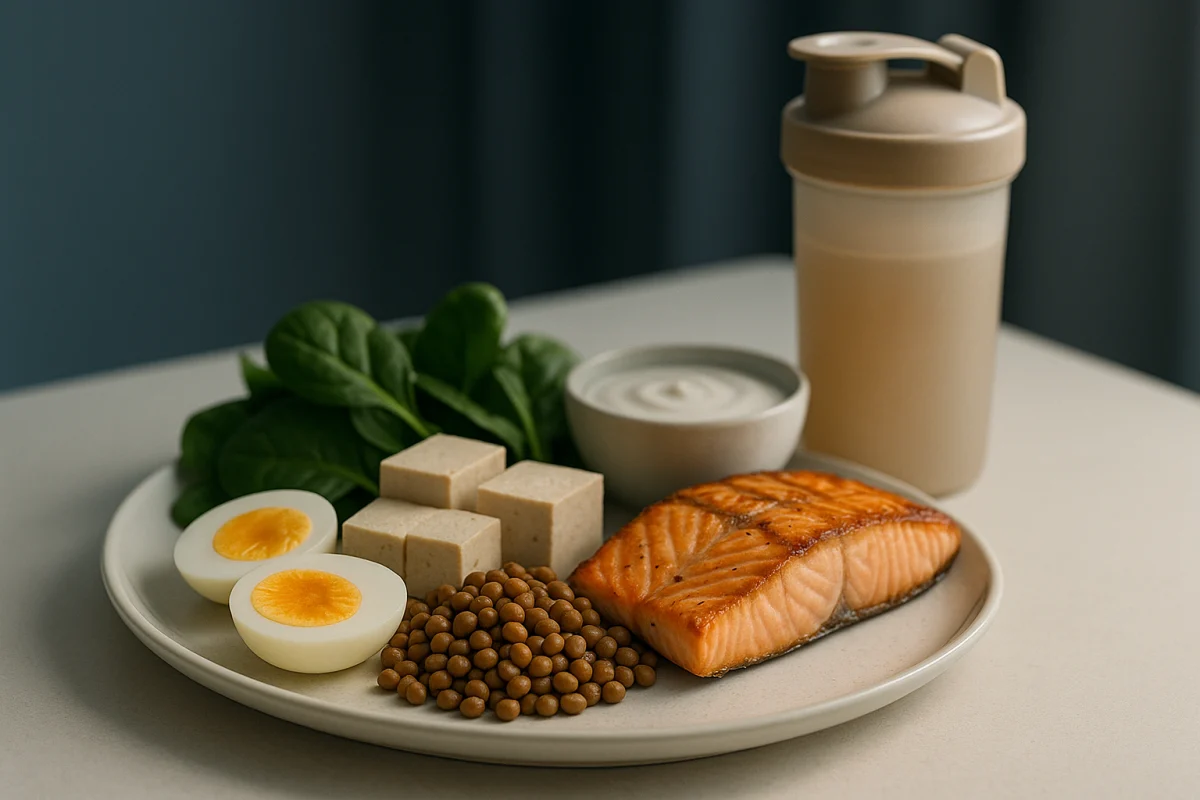
There is no single best protein for every person’s hair. The most useful choice is usually one that fits your dietary pattern, digestion, health needs, and total nutritional intake. Complete protein foods provide all essential amino acids and include eggs, fish, poultry, meat, dairy foods, soy, and certain combinations of plant foods. Hair follicles also need enough overall energy from food. A high-protein plan that is too low in calories may still place stress on the body and contribute to shedding in some people.
For people who use powders, dairy-based options and soy-based options are commonly selected because they provide a broad amino acid profile. Plant-based blends that combine sources such as pea and rice may also be suitable. The right option is not necessarily the most expensive one or the one with the boldest hair-related claim. Look at protein content per serving, the full ingredient list, tolerance, and whether the product fits your normal diet. Food-first choices remain valuable because they may also provide iron, zinc, healthy fats, and other nutrients involved in normal hair function.
It can be helpful to spread protein-containing foods across meals rather than relying on one very large shake. For example, a balanced day may include eggs or yogurt at breakfast, legumes or chicken at lunch, fish, tofu, or beans at dinner, and a shake only when it is convenient. This approach can be more sustainable than chasing a single supplement. If you follow a vegetarian or vegan diet, careful meal planning is especially important, and a qualified professional can help identify whether any nutrient testing is needed.
04Protein Deficiency, Restrictive Diets, and Hair Shedding
Hair shedding after a major dietary change is often more complex than simply not having enough protein. Rapid weight loss, very low-calorie diets, skipping meals, eating disorders, gastrointestinal conditions, and recovery from illness can all affect the hair cycle. A common response is diffuse shedding, where more hairs than usual enter the resting phase and fall several weeks or months after the trigger. This may be temporary when the underlying cause is addressed, but it should not be assumed that every episode of shedding is nutritional.
Protein deficiency is more likely when the diet is severely limited, when absorption is affected, or when there is a higher nutritional need that is not being met. Possible signs can include fatigue, reduced muscle mass, frequent hunger, or changes in nails and skin, although these signs are not specific. Hair changes alone cannot diagnose a deficiency. Blood tests and a clinical review may be considered by your doctor when there is a concern about iron, vitamin status, thyroid function, inflammation, or another medical cause of hair loss.
This matters before hair transplantation because active diffuse shedding can make the appearance of both the recipient area and donor area less predictable. It may also be better to understand and manage the cause before proceeding. A transplant redistributes resistant donor follicles; it does not prevent continued shedding in non-transplanted hair. If you have recently lost weight quickly, changed to a restrictive diet, or noticed sudden shedding, share this information during your consultation so your doctor can advise on suitable timing.
05What Supplements Cannot Do for Genetic Hair Thinning
Many people begin using protein powders because they notice a wider part line, receding temples, reduced density at the crown, or more hair in the shower. These changes can be worrying, but supplements are not a diagnostic tool and cannot identify the cause. Pattern hair loss is common and often develops gradually. In these cases, the main issue is follicle miniaturisation, not necessarily a lack of dietary protein. A nutritious diet can support the hair you have, while medical management may be needed to address the underlying condition.
The phrase “the big three” for thinning hair is commonly used online to describe topical minoxidil, a prescription hormone-modifying medicine, and a medicated anti-dandruff shampoo ingredient. This is informal language rather than a universal treatment plan. These options have different suitability, risks, and evidence considerations, and they are not appropriate for every patient. Some treatments may be unsuitable during pregnancy, while others require medical review because of side effects or interactions. Your doctor should confirm whether any treatment is appropriate for you.
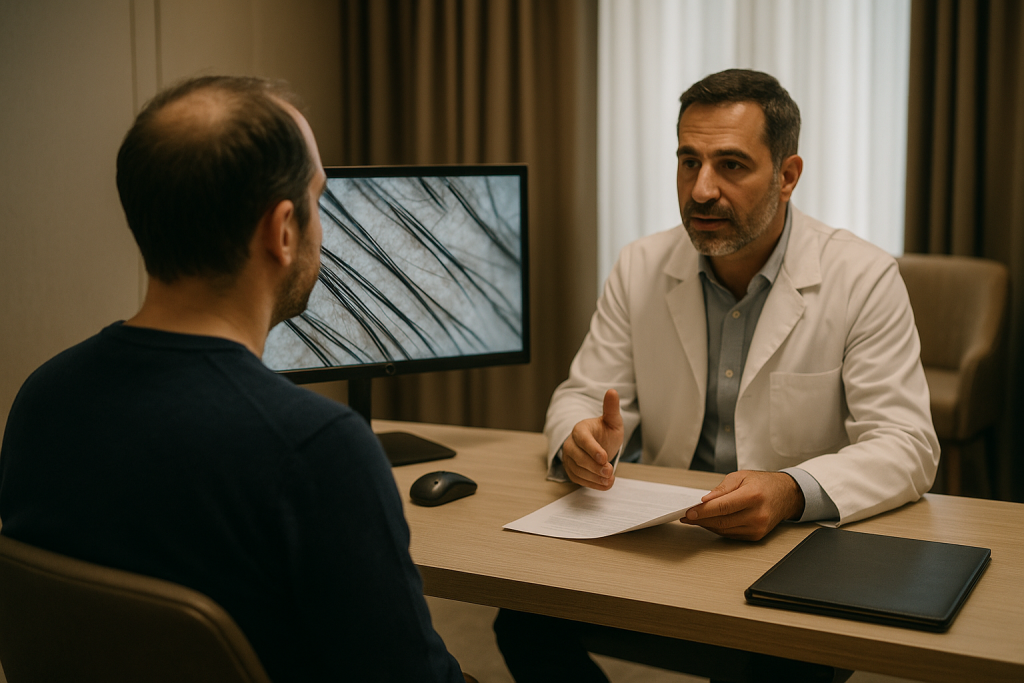
A hair transplant may be considered when hair loss has been assessed and there is sufficient stable donor hair. It is not usually a shortcut around an untreated cause of active shedding. At Acibadem Hair Transplant Center in Istanbul, the consultation process can include a free online hair analysis reviewed by doctors. Sharing clear photographs and your hair-loss history can help the team explain whether further medical evaluation, treatment planning, or transplant assessment may be the next sensible step.

06Preparing Your Nutrition and Supplement List Before Surgery
A practical way to prepare for a transplant consultation is to write down what you normally eat and every supplement you use. Include protein shakes, multivitamins, collagen products, herbal capsules, sports nutrition products, teas, and over-the-counter medicines. Bring the product names or ingredient labels where possible. This gives your medical team a clearer picture of your routine and helps them identify ingredients that may need particular attention around a procedure.
Do not start high-dose supplements shortly before surgery simply because they are advertised for hair. More is not always better. High amounts of certain nutrients can cause unwanted effects, and some herbal ingredients may affect bleeding, blood pressure, blood sugar, or anaesthesia considerations. Your clinic will provide pre-procedure instructions that are specific to its protocol. Follow those instructions carefully, and do not stop prescribed medication unless the doctor who manages that medication tells you to do so.
Focus instead on steady habits in the weeks before your procedure. Eat regular meals, include protein sources you tolerate, drink enough fluids, avoid crash dieting, and aim for sufficient sleep. If protein powder for hair growth helps you meet a genuine dietary need, it may be a convenient addition to meals, but it should remain part of a balanced pattern. A stable routine is generally more useful than dramatic nutritional changes immediately before surgery.
07A Realistic Plan for Hair Growth After Transplantation
After a hair transplant, the transplanted follicles need time to settle and move through their normal growth cycle. Early shedding of transplanted hairs can occur and is often part of the expected process, while visible new growth usually develops gradually over the following months. Protein supports normal tissue maintenance, but no shake, powder, or vitamin can reliably speed up this biological timeline. Following your aftercare instructions, protecting the scalp, and attending follow-up reviews are more important than adding multiple new supplements.
Your team may advise you on washing, physical activity, sun exposure, smoking, alcohol, scalp care, and the timing of any topical or oral hair-loss treatments. These instructions should take priority over general advice found online. If you have concerns about reduced appetite, nausea, unusual shedding, scalp irritation, or changes in your health after the procedure, contact your clinic rather than trying to correct the issue with a new supplement.
Acibadem Hair Transplant Center is a dedicated hair restoration clinic in Istanbul licensed by the Turkish Ministry of Health. International patients can receive all-inclusive arrangements that include VIP transfer, a 4-star hotel, a care kit, and 12 months of follow-up. The clinic offers Sapphire FUE and DHI techniques, with needle-free anaesthesia available. A well-planned transplant journey combines clinical assessment, realistic expectations, careful aftercare, and nutrition that supports your overall health rather than relying on a single product.
08Frequently Asked Questions
Can a protein powder help my hair grow more?
A protein powder may support normal hair production when it helps correct low dietary protein intake. It does not usually reverse genetic thinning, regrow inactive follicles, or replace medical treatment for hair loss. If shedding is sudden or significant, a doctor can help assess the cause.
Are protein powders beneficial for hair health?
They can be useful as a convenient source of protein when food intake is not sufficient. Their benefit for hair is linked to meeting nutritional needs, not to a unique hair-growth ingredient. Choose products carefully and discuss supplements with your doctor before a transplant, especially if you have medical conditions or take medication.
Which protein sources are most suitable for healthy hair?
Complete protein sources such as eggs, fish, poultry, dairy foods, soy, and well-planned plant protein combinations can all support normal hair structure. The best choice depends on your diet, tolerance, and health needs. A varied diet is generally more helpful than relying on one protein source alone.
What do people mean by the big three for thinning hair?
This informal term often refers to topical minoxidil, a prescription hormone-modifying medicine, and a medicated anti-dandruff shampoo ingredient. These are not suitable for everyone and should not be started without appropriate medical guidance. Your doctor can explain which options may be relevant after identifying the cause of thinning.
Эта статья носит исключительно информационный характер и не заменяет профессиональную медицинскую консультацию.
 06
06 12
12