В этой статье12
- Обзор
- What causes scalp inflammation before a hair transplant?
- Recognising signs that need assessment
- Folliculitis, infection, and graft safety
- Dandruff, dermatitis, psoriasis, and product reactions
- How doctors assess transplant readiness
- Treat inflammation first, then plan the procedure
- Practical preparation for a calmer scalp
- What to document while your scalp condition is settling
- Travel planning when you have a history of scalp flares
- Protecting the scalp after transplantation when inflammation has been controlled
- Frequently Asked Questions
Scalp inflammation should usually be diagnosed and brought under control before a hair transplant is planned. What causes scalp inflammation can range from dandruff and contact irritation to folliculitis, psoriasis, fungal infection, or scarring scalp disease, so a doctor should assess the cause rather than treating symptoms alone.
- An actively red, painful, itchy, crusted, or pustular scalp should be assessed before hair transplant surgery.
- Folliculitis, dandruff-related inflammation, psoriasis, dermatitis, infection, and product reactions can all affect scalp comfort and surgical planning.
- A hair transplant does not treat the underlying cause of scalp inflammation, so disease control comes first.
- Doctors may use scalp examination, trichoscopy, medical history, and sometimes laboratory or skin tests to clarify the diagnosis.
- Readiness is individual and is usually confirmed only when the scalp condition appears stable and the treatment plan is appropriate.
01Scalp Inflammation and Hair Transplant Readiness
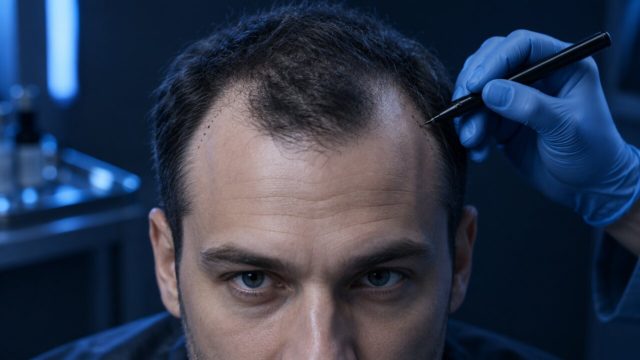
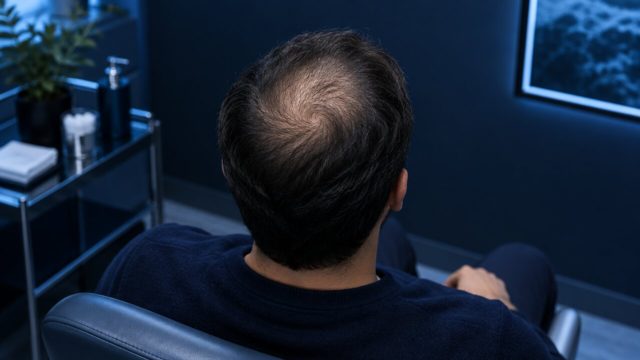
A calm, healthy scalp is an important part of hair transplant readiness. Understanding what causes scalp inflammation matters because redness, tenderness, scaling, itching, crusts, or pustules may signal a condition that needs treatment before graft placement. In most patients, a transplant consultation includes checking both the thinning area and the donor area for signs of active inflammation.
Hair transplantation involves making very small openings in the scalp and placing follicular grafts with precision. If the skin is actively irritated or infected, it may be more uncomfortable, may be harder to assess accurately, and may have a less predictable healing environment. For this reason, doctors typically focus first on identifying the scalp problem and achieving reasonable control before recommending a procedure date.
Not every flaky or itchy scalp means that a person cannot have a hair transplant. Mild, well-managed dandruff or a past episode of irritation may not prevent treatment. However, persistent symptoms, unexplained shedding, visible inflammation, or a history of scarring hair loss should be discussed openly with a qualified doctor, who will confirm whether further assessment or treatment is needed.
02What causes scalp inflammation before a hair transplant?
What causes scalp inflammation is not always obvious from appearance alone. The scalp can react to excess oil and yeast-associated dandruff, frequent scratching, harsh cosmetic products, hair dyes, fragranced styling products, tight hairstyles, sun exposure, or a build-up of irritating residue. These triggers can cause itching and flaking, but similar symptoms may also occur with medical skin conditions.
Common inflammatory conditions include seborrhoeic dermatitis, psoriasis, eczema, allergic or irritant contact dermatitis, and folliculitis. Bacterial and fungal infections can also affect the scalp. Less commonly, inflammatory disorders may damage follicles and lead to scarring alopecia, where early diagnosis is especially important because the priority is preserving existing hair rather than moving directly to restoration surgery.
Hair loss itself does not always mean there is scalp inflammation. Androgenetic hair loss, often called male- or female-pattern hair loss, usually develops without marked redness or pain. When hair thinning occurs together with burning, soreness, pimples, thick scale, patches of broken hair, or shiny scar-like skin, a medical review is more important because the pattern may point to another process.
03Recognising signs that need assessment
Symptoms that deserve attention before a transplant include persistent itching, visible redness, tenderness, burning, swelling, yellow or thick white scale, crusting, bleeding after minor scratching, and pus-filled bumps. A sudden increase in shedding can also be relevant, particularly when it comes with scalp discomfort. These signs do not confirm one diagnosis, but they help the doctor decide whether the scalp needs treatment before surgery.
The location and pattern can offer useful clues. Dandruff-related inflammation often affects oily areas with diffuse flakes, while contact reactions may become noticeable after a new dye, shampoo, oil, spray, or topical product. Folliculitis may present as individual tender bumps around hairs. Psoriasis may produce more clearly defined areas of thicker scale, although only a clinical assessment can distinguish these conditions reliably.
Photographs may help document a flare, especially if symptoms come and go before an appointment. It is also useful to note when symptoms began, which products have been used, whether there is a history of eczema or psoriasis, and whether anyone close to you has a contagious fungal scalp condition. Avoid picking at lesions or trying several strong treatments at the same time, as this can worsen irritation and make the original cause harder to identify.
04Folliculitis, infection, and graft safety
Folliculitis means inflammation of hair follicles. It can occur when follicles are irritated, blocked, infected, or affected by an underlying skin condition. Small red bumps, pustules, tenderness, and occasional crusting are common descriptions. It may arise on the scalp, beard area, body, or shaved skin, and different causes require different treatment approaches.
Before hair transplantation, active folliculitis is typically treated rather than ignored. A doctor may consider whether the pattern appears bacterial, fungal, inflammatory, medication-related, or linked with grooming practices. Depending on the suspected cause and severity, management may include changes to scalp care, a medicated wash, a topical medicine, an oral medicine, or tests such as a swab or fungal examination. Your doctor will choose treatment based on the clinical findings and your medical history.
Placing grafts through areas with active pustules or infection is generally avoided because it can interfere with a clean procedural field and normal healing. After the inflammation has settled, the doctor can reassess the recipient area, donor area, and hair density. A past episode of folliculitis does not automatically rule out a transplant, but repeated or ongoing episodes should be stabilised first.
05Dandruff, dermatitis, psoriasis, and product reactions
Seborrhoeic dermatitis is a frequent cause of flaking and itching on the scalp. It is often associated with oily skin and may also affect the eyebrows, sides of the nose, ears, or beard area. Symptoms can fluctuate with stress, weather, illness, and individual skin factors. Regular medical scalp care can often reduce symptoms, but the most suitable approach depends on the person and the severity of the condition.
Psoriasis and eczema can also involve the scalp and may cause significant itch or soreness. In some people, scratching can lead to temporary shedding or breakage. During a flare, the scalp may be too inflamed for elective transplantation. In many cases, doctors aim for a period of stable disease and review the skin carefully before deciding whether surgery is appropriate.
Allergic or irritant contact dermatitis should also be considered when symptoms begin after a new cosmetic product. Hair colourants, fragrances, essential oils, sprays, leave-in products, and even treatments marketed as natural can irritate sensitive skin. What causes scalp inflammation may be a repeated product exposure rather than a permanent scalp disease, which is why a clear product history is valuable. Stopping a suspected trigger should be discussed with a clinician, especially when symptoms are severe or widespread.
06How doctors assess transplant readiness
A proper readiness assessment starts with history and examination, not simply counting grafts. The doctor may ask about itching, flares, medications, previous scalp treatments, allergies, autoimmune conditions, recent illness, hair care routines, and the pace of hair loss. Examination can include the scalp, hair shafts, donor region, and recipient region to look for scale, inflammation, miniaturisation, scarring, or signs of infection.
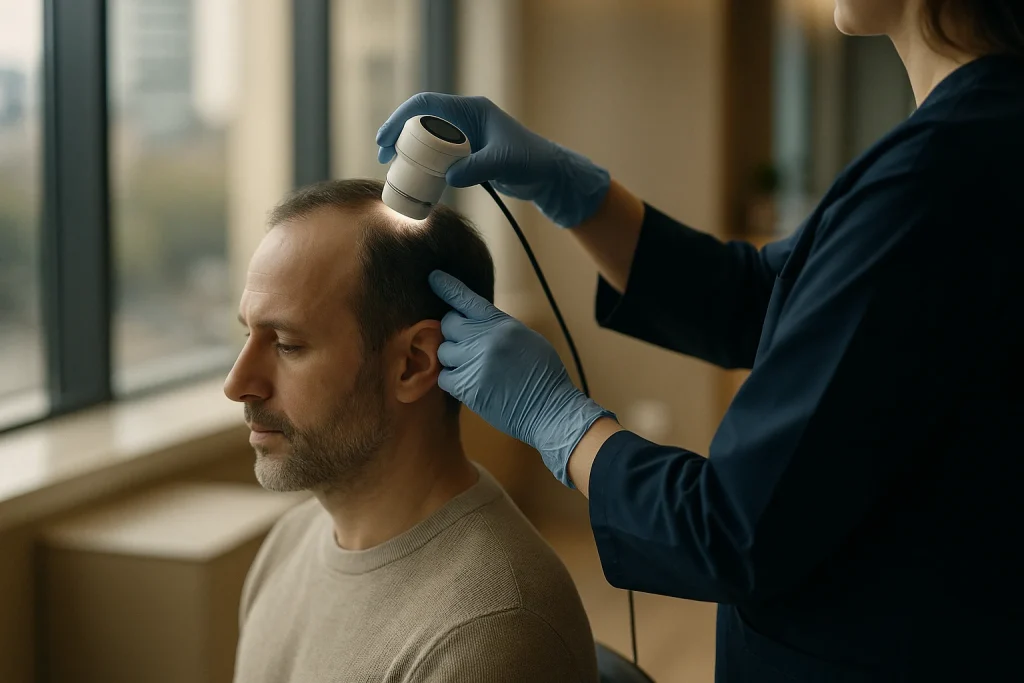
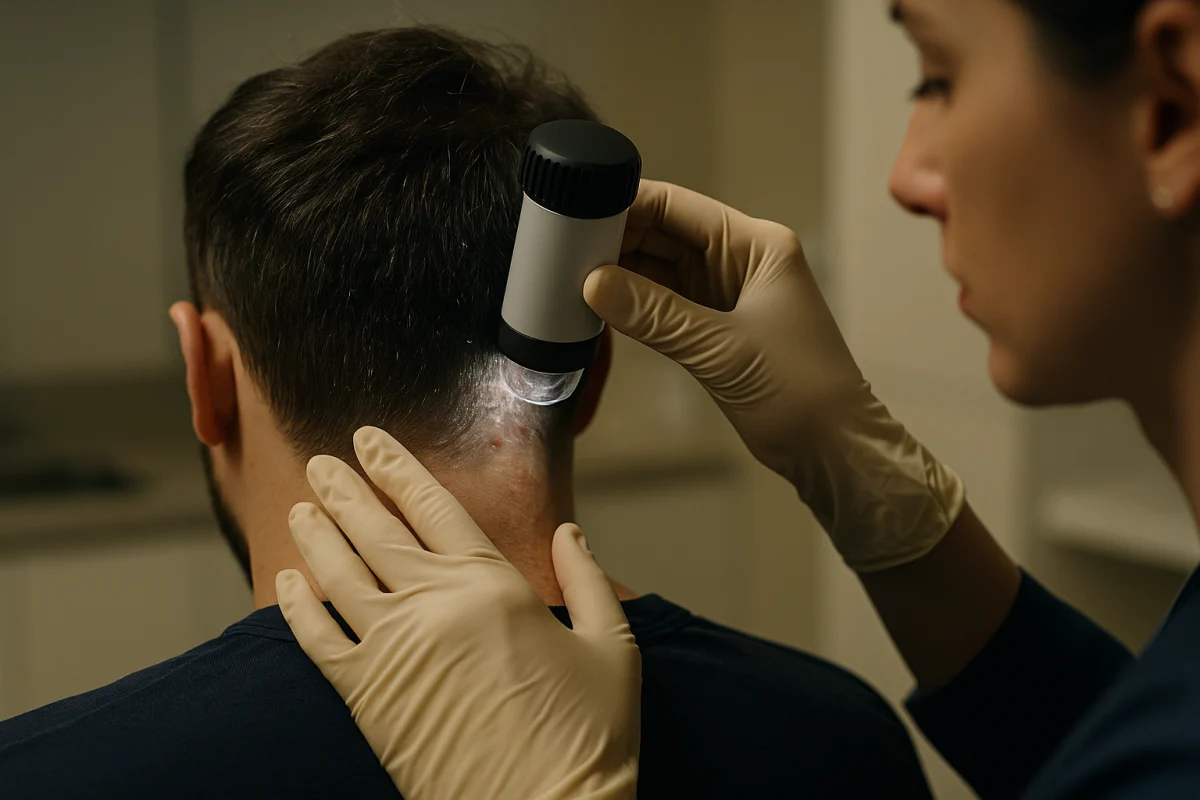
Trichoscopy, a close visual examination of the scalp and follicles, may help clarify hair and skin findings. In selected cases, a dermatologist may recommend blood tests, fungal testing, bacterial culture, patch testing for allergy, or a scalp biopsy. These tests are not needed for every patient, but they can be valuable when there is unexplained inflammation, patchy hair loss, pustules, or a concern about a scarring condition.
At Acibadem Hair Transplant Center in Istanbul, doctors can review a free online hair analysis before travel planning. Images may help with an initial discussion, but photos cannot always diagnose a red or symptomatic scalp. If there are signs of active disease, an in-person assessment or local dermatology review may be recommended before a final surgical plan is confirmed.
07Treat inflammation first, then plan the procedure
The first goal is to manage the underlying condition, reduce active symptoms, and protect existing hair. This may involve a prescribed treatment course, a simpler hair-care routine, avoidance of a known irritant, or follow-up to see whether symptoms return. It is important not to self-start antibiotics, steroid treatments, or strong chemical products without medical guidance, since incorrect treatment can mask infection or create further irritation.
There is no universal number of weeks or months that proves a scalp is ready. In general, doctors look for a stable scalp without active infection, open lesions, substantial redness, or uncontrolled symptoms. The required observation period depends on the diagnosis, the severity of the previous flare, the treatment used, and whether the condition has a tendency to recur. Your doctor will confirm timing based on your individual clinical situation.
Once inflammation is controlled, the transplant plan can be discussed in more detail. This includes realistic density goals, hairline design, donor capacity, the method considered, and aftercare. Sapphire FUE and DHI are available approaches at our dedicated hair restoration clinic, but no technique replaces the need for healthy scalp conditions and careful case selection.
08Practical preparation for a calmer scalp
In the weeks before a consultation, keep scalp care gentle and consistent. Use products that you already tolerate, avoid aggressive scrubbing, and do not apply multiple new oils, masks, or chemical treatments in response to sudden itching. If you have a diagnosed skin condition, follow the plan given by your treating clinician and tell the transplant team about all medicines and topical products you use.
Seek timely medical care if you develop painful bumps, spreading redness, fever, drainage, rapidly worsening hair loss, or significant swelling. These symptoms may need prompt assessment and should not be covered up before surgery. It is also sensible to postpone elective hair procedures, colouring, or harsh salon treatments during an unexplained flare until the cause has been clarified.
International patients may need to coordinate their treatment timeline before arranging travel. Acibadem Hair Transplant Center is licensed by the Turkish Ministry of Health and provides all-inclusive packages that can include VIP transfer, a 4-star hotel, a care kit, and 12 months of follow-up. However, travel arrangements should follow clinical readiness, not replace it; the doctor should confirm that proceeding is appropriate after reviewing the scalp condition.

09What to document while your scalp condition is settling
A short symptom record can make a follow-up assessment more useful. Note the date of a flare, the main symptom such as itch, pain, scale, bumps, or shedding, where it appeared, and whether it followed a new product, haircut, illness, or change in medication. If possible, take clear photographs in the same lighting before starting a new prescribed treatment and again as symptoms improve.
Bring or send an accurate list of all scalp products, supplements, prescribed medicines, and non-prescription treatments. Include shampoos, topical hair-loss treatments, camouflage fibres, hair dye, oils, and styling products. Some preparations can cause irritation, while others may need specific instructions about whether to continue or pause around a procedure. Do not stop prescribed medication unless the clinician managing it advises you to do so.
This information helps distinguish a one-off reaction from a recurring disorder. It can also help the transplant team understand whether the donor area has been affected, whether shedding is still active, and whether additional time for observation would be sensible before finalising surgery.
10Travel planning when you have a history of scalp flares
For international patients, it is usually wiser to obtain medical clarity before booking non-refundable flights or arranging a tightly timed procedure. A scalp that appears calm in photographs may still need an in-person review if there has been recent pain, pustules, marked scaling, or a suspected infection. Allowing flexibility in travel dates can reduce pressure to proceed during an unexpected flare.
Before travelling, ask how you should continue any current treatment and carry prescribed medicines in their original packaging where possible. Keep a copy of relevant medical notes, test results, allergy information, and the names of your regular treatments. If you develop a new rash, fever, draining lesions, or rapidly spreading redness shortly before departure, contact a medical professional and inform the transplant coordinator rather than waiting until the treatment day.
Acibadem Hair Transplant Center offers free online hair analysis reviewed by doctors, with WhatsApp replies typically within around two hours. Its all-inclusive packages may include VIP transfer, a 4-star hotel, a care kit, and 12 months of follow-up. These arrangements can support a smoother visit, but the final decision to proceed should remain based on clinical examination and scalp readiness.
11Protecting the scalp after transplantation when inflammation has been controlled
After a transplant, it is especially important to follow the clinic’s washing, sleeping, sun-protection, and activity instructions carefully. Newly placed grafts and the donor area need gentle handling while early healing takes place. Avoid rubbing, scratching, picking crusts, or applying unapproved products to either area, even if mild itching occurs. The care team can explain which sensations are expected and which changes need review.
People with previous dermatitis, dandruff, psoriasis, folliculitis, or product sensitivity should tell the team promptly if familiar symptoms return. Mild postoperative redness or temporary flaking can occur during healing, but worsening pain, increasing warmth, expanding redness, pus, significant swelling, or fever should not be assumed to be routine. Timely assessment is important because postoperative irritation, allergy, and infection can have overlapping signs.
Longer-term scalp care may still be needed after the grafts have healed. A transplant redistributes follicles; it does not remove a tendency toward inflammatory scalp disease or prevent future flares. Your doctor may recommend a gradual return to your usual scalp-care plan and may advise follow-up with a dermatologist when a chronic skin condition requires ongoing management.
12Frequently Asked Questions
How can scalp inflammation usually be reduced or treated?
The best approach depends on the cause. A clinician may recommend avoiding an irritant, using a targeted medicated scalp treatment, treating infection if it is present, or managing a condition such as dermatitis or psoriasis. Persistent redness, pain, pustules, crusting, or hair loss should be medically assessed rather than treated with repeated home remedies.
Can intestinal parasites contribute to hair loss in people?
Intestinal parasites are not a common direct cause of hair loss, but some infections can contribute indirectly to poor nutrition, iron deficiency, reduced protein intake, or general illness in certain circumstances. Hair shedding has many more common causes, including pattern hair loss, thyroid disorders, stress-related shedding, medication effects, and scalp disease. A doctor can decide whether stool tests or blood tests are clinically appropriate based on symptoms, travel history, and examination.
How is scalp folliculitis usually treated?
Treatment is based on the suspected cause and may include adjusted hair-care practices, medicated cleansers, topical treatment, or oral medicine when a doctor considers it necessary. Sometimes a swab, fungal test, or further skin evaluation is needed, especially if episodes recur. Active folliculitis should usually be controlled before a hair transplant is scheduled.
What may cause a red and itchy scalp?
A red, itchy scalp can be caused by dandruff-related dermatitis, eczema, psoriasis, an allergic or irritant reaction to hair products, folliculitis, or fungal infection. Scratching may make redness and temporary shedding worse. Because the symptoms overlap, a clinical assessment is the safest way to identify the likely cause and appropriate treatment.
Эта статья носит исключительно информационный характер и не заменяет профессиональную медицинскую консультацию.
Это руководство носит общий информационный характер и не заменяет консультацию врача. Решения о лечении принимаются после очной или онлайн-оценки врачом.