
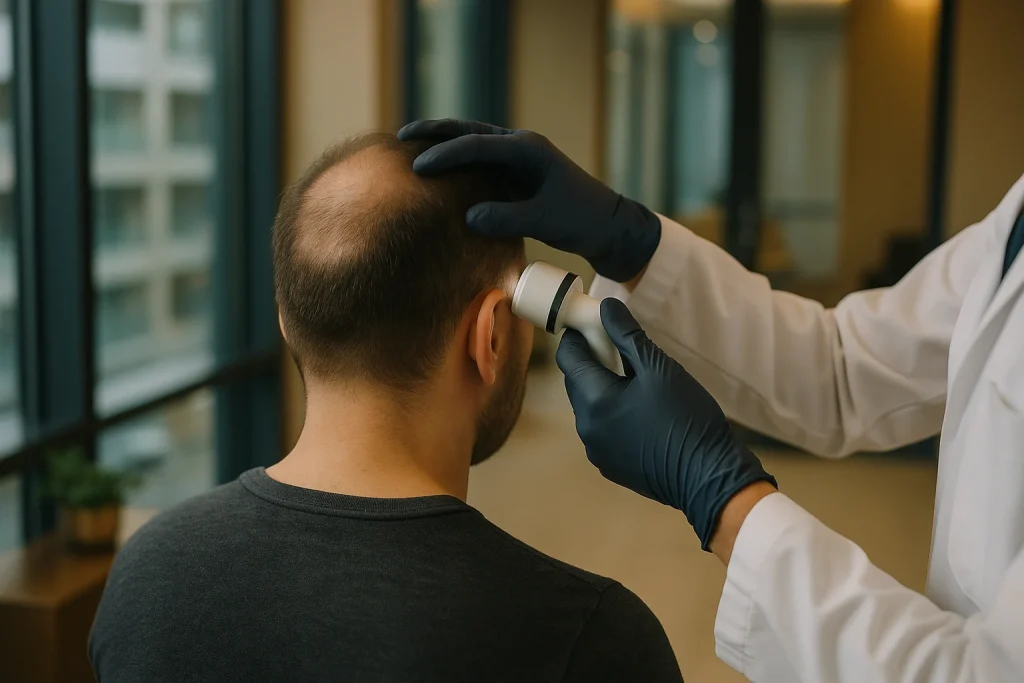
White waxy buildup on scalp is often a mixture of sebum, dead skin cells, hair product residue, or scaling linked with a scalp condition such as seborrheic dermatitis. Before hair transplant surgery, it should be assessed and managed because the scalp needs to be as healthy and calm as possible for a safe procedure.
- White scalp residue is commonly caused by oil, shed skin cells, product buildup, or inflammatory scalp conditions.
- A surgeon may postpone a hair transplant if there are signs of active infection, marked inflammation, or open sores.
- Gentle washing and doctor-recommended treatment are usually safer than forceful scratching or harsh home remedies.
- A clean scalp alone does not guarantee graft growth, but scalp health is an important part of surgical planning.
- A doctor-reviewed online hair analysis can help identify whether an in-person scalp examination is needed before travel.
01White Waxy Scalp Buildup Before Hair Transplant Surgery
White waxy buildup on scalp before a hair transplant is not always a serious problem, but it should not be ignored. The material may be oily, creamy, flaky, or paste-like, and it can collect around individual hairs, along the hairline, or in areas that are scratched often. In many patients, it is a simple combination of sebum and dead skin. However, persistent buildup can also be associated with dandruff, seborrheic dermatitis, psoriasis, contact irritation, or less commonly an infection. A hair transplant team needs to understand the cause before planning surgery.
Hair transplantation involves placing grafts into very small recipient sites in the scalp. For this reason, surgeons generally aim to operate when the skin barrier is intact and there is no significant redness, tenderness, crusting, or active flare. A scalp that is heavily coated with oil or scale may be harder to examine clearly. It may also be uncomfortable for the patient during washing, shaving, local anaesthesia, and the early healing period. The right next step depends on what the buildup is and whether there are symptoms beside it.
It is important to remember that visible residue does not automatically mean you cannot have surgery. Many causes can be improved with a suitable cleansing routine or medical treatment directed by a doctor. The purpose of assessment is not to judge scalp appearance; it is to reduce avoidable risks and support good surgical conditions. If you are planning treatment abroad, sharing clear photographs and your symptom history before booking can help the medical team advise whether you need scalp care first.
02What the pale residue may be made of
The scalp naturally produces sebum, an oily substance that helps protect the skin and hair shaft. When sebum mixes with skin cells that are normally shed every day, it can create a soft white, yellowish, or greyish coating. It may look waxy rather than dry, especially after several days without shampooing or in people with naturally oilier scalps. Hair sprays, dry shampoos, styling creams, fibres, and sunscreen products near the hairline can add to this layer.
In some cases, white waxy buildup on scalp is more noticeable because the scalp is producing oil quickly while skin cells are shedding faster than usual. Seborrheic dermatitis is a common inflammatory condition that can cause greasy scale, itch, redness, and dandruff-like flakes. It is associated with an individual skin response to Malassezia yeast, which normally lives on human skin. It is not a sign of poor hygiene and is not usually passed from one person to another through routine contact.
Other possible explanations include scalp psoriasis, eczema, irritation from a new cosmetic product, or tightly adherent scale after inflammation. Thick, sharply defined plaques may need a different approach from loose oily flakes. A clinician may also consider whether there is folliculitis if there are painful bumps or pustules. Because these conditions can look similar in photographs, a diagnosis should be made by a qualified healthcare professional rather than by the colour or texture of the residue alone.
03Signs that need medical assessment before transplantation
Itching by itself is common and may occur with dryness, product residue, or mild dandruff. More concerning signs include persistent redness, burning, pain, swelling, bleeding after light scratching, pus-filled spots, or an unpleasant smell from the scalp. These symptoms can suggest significant inflammation or infection and should be assessed before a transplant date is confirmed. Do not try to cover these signs with concealer fibres or heavy styling products before a consultation, as this can make examination more difficult.
Open areas of skin, thick crusts, and areas where hair is breaking or falling out in patches also deserve medical review. An active fungal infection of the scalp is less common in adults than some other scalp conditions, but it may require prescription treatment. Bacterial folliculitis and inflammatory disorders can also need targeted care. A transplant procedure is elective, so it is generally safer to stabilise an active scalp problem first rather than proceed while the skin is irritated.
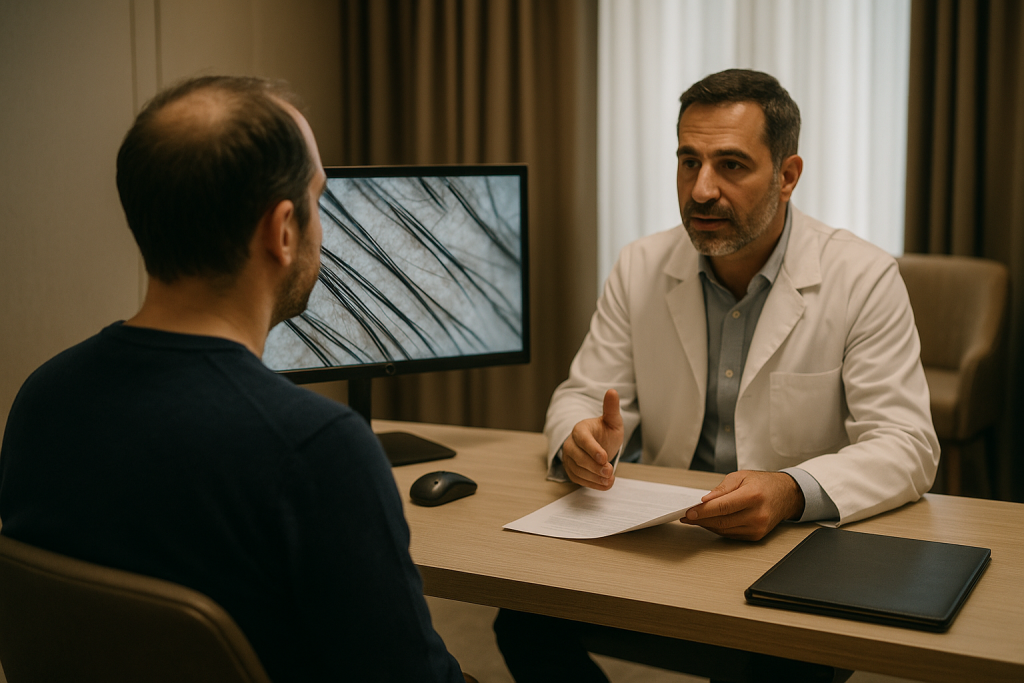
During a consultation, the medical team may ask when the buildup began, whether it changes with seasons, how often you wash your hair, and which products or treatments you use. They may ask about flakes on the eyebrows, beard area, ears, or chest, as these can occur with seborrheic dermatitis. Clear answers help distinguish a temporary cosmetic issue from a condition that needs treatment. Your doctor will confirm whether the scalp is suitable for surgery and whether an in-person dermatology assessment is appropriate.
04White waxy buildup on scalp: why it matters for graft placement
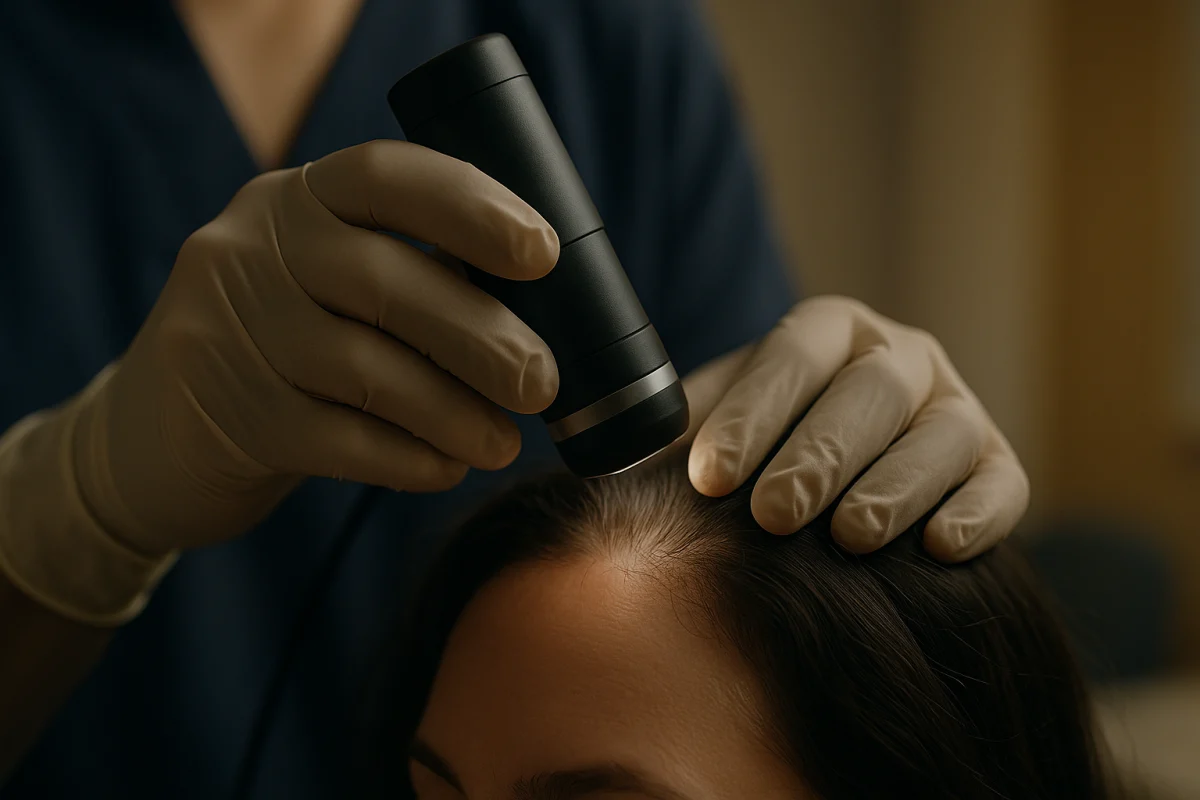
A surgeon needs a clear view of the recipient area to design the hairline, assess existing hair, and make recipient sites accurately. Heavy sebum and scale can obscure the scalp surface, particularly in diffuse thinning where many fine hairs remain. Thorough but gentle preparation allows the team to assess the skin and plan graft distribution more reliably. It also helps the patient start the procedure with a cleaner, more comfortable scalp.
The buildup itself does not usually block a graft in a simple mechanical way. The greater concern is the condition causing it. Inflamed skin may be more sensitive to injections and washing, while scratching can create small breaks in the skin barrier. If seborrheic dermatitis, psoriasis, or folliculitis is active, the care team may recommend bringing it under control before surgery. This is a precautionary approach intended to support normal healing, not a prediction that a patient will have a poor result.
A healthy scalp is only one part of hair transplant planning. The donor area, pattern and stability of hair loss, hair calibre, graft availability, medical history, and realistic goals are also important. At Acibadem Hair Transplant Center in Istanbul, doctors review online hair analyses before advising on suitability. The clinic uses Sapphire FUE and DHI techniques, but the most appropriate technique and timing should always be confirmed after medical assessment rather than chosen solely from a photograph or online description.
05How to remove buildup without harming the scalp
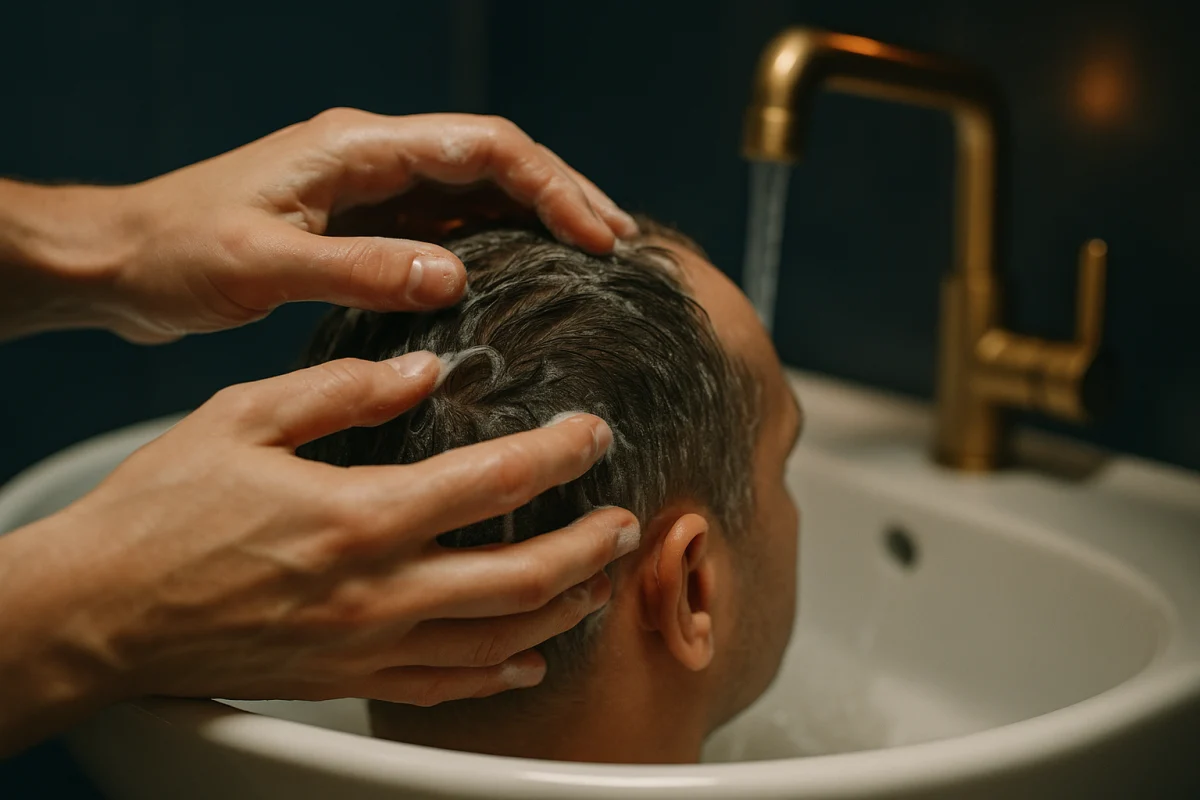
For mild residue, regular gentle shampooing is usually the first practical step. Use lukewarm rather than very hot water, massage the scalp lightly with the fingertips, and rinse thoroughly. Nails can scratch the skin and push debris into small breaks, so they should not be used to scrape scale away. If the buildup is firm, repeated gentle washing over several days is generally safer than trying to lift it off in one session.
Some patients with dandruff or seborrheic dermatitis benefit from a medicated anti-dandruff shampoo recommended by a doctor or pharmacist. Common active ingredient groups include antifungal, keratolytic, or anti-inflammatory options, but the right product and frequency depend on the diagnosis, scalp sensitivity, and other treatments being used. Leaving a medicated shampoo on the scalp for the instructed contact time may be important. Do not assume that stronger, more frequent use will work better, as overuse can irritate the skin.
Avoid picking, abrasive scalp scrubs, undiluted essential oils, alcohol-heavy products, and aggressive oiling when the scalp is already itchy or inflamed. These methods may worsen irritation or make greasy scaling more noticeable. If a new shampoo, dye, topical hair product, or styling product appears to trigger symptoms, stop using it and seek professional advice. Before surgery, follow only the washing instructions provided by your transplant team, especially in the final days before the procedure.
06When surgery may be delayed and when it may still proceed
A small amount of controlled dandruff or mild oiliness does not necessarily prevent hair transplantation. In most patients, the clinic can provide pre-procedure cleansing instructions and reassess the scalp on arrival. The decision is based on the appearance of the skin, symptoms, and whether there is evidence of an active condition. A patient should not self-diagnose their eligibility based only on flakes seen in the shower or under their fingernails.
A delay may be considered if there is marked seborrheic dermatitis, active psoriasis plaques in the planned area, suspected infection, many inflamed follicles, or excoriations caused by scratching. Delaying an elective procedure can give treatment time to reduce inflammation and restore the skin barrier. This may be frustrating, particularly for international visitors with travel plans, but it is often the more cautious choice. Your doctor will explain the reason for any recommendation and what improvement is needed before reassessment.
White waxy buildup on scalp should therefore be reported early in the consultation process, rather than hidden with a fresh wash immediately before sending photographs. Include close, well-lit images of the affected area and mention any itch, soreness, flakes, or past diagnosis. Acibadem Hair Transplant Center offers a free online hair analysis reviewed by doctors, with WhatsApp replies typically within around two hours. This early review can help identify whether a scalp concern needs attention before travel.
07Preparing your scalp in the weeks before a hair transplant
Once a doctor has identified the likely cause of scalp buildup, follow the recommended plan consistently. A treatment plan may involve a specific shampoo schedule, avoiding irritating products, or seeking care from a dermatologist when needed. Improvement can take time, particularly for inflammatory scalp conditions that tend to flare and settle repeatedly. It is better to discuss a recurring problem honestly than to stop treatment as soon as the scalp looks temporarily clearer.
Keep your pre-operative routine simple. Wash at the frequency advised for your scalp type, rinse products fully, and avoid changing several products at once. If you use hair dye, camouflage sprays, fibres, leave-in scalp serums, or strong styling products, tell the clinical team. They can advise when these should be stopped before the procedure. Also mention prescription medicines, over-the-counter treatments, allergies, and any previous reactions to cosmetics or anaesthetics.
Patients travelling for a procedure should ask for written pre-operative instructions before departure and pack only the products that have been approved by the clinic. Acibadem Hair Transplant Center provides all-inclusive packages that may include VIP transfer, a 4-star hotel, a care kit, and 12 months of follow-up. These practical services do not replace medical preparation, but clear planning can make it easier to follow the recommended scalp-care routine before and after surgery.
08Protecting the scalp after the procedure
After a transplant, small scabs around implanted grafts are expected during early healing. These are different from the waxy scale that may have been present before surgery. Patients are usually given specific instructions for washing, lotion use, sleeping position, and avoiding rubbing. It is essential to follow the clinic’s schedule because transplanted grafts are delicate during the early period. Do not attempt to remove scabs early with fingernails, combs, or exfoliating products.
If you have a history of dandruff or seborrheic dermatitis, ask the team when you can safely restart any medicated shampoo or previous scalp treatment. The answer can vary according to the treatment used, healing progress, and the product itself. A temporary change in oiliness or flaking may occur while you are following the post-operative washing protocol. Your follow-up team can help distinguish expected healing from symptoms that need medical attention.
Contact the clinic promptly if you develop increasing pain, spreading redness, significant swelling, discharge, fever, or a new rash after surgery. These symptoms do not automatically mean there is a serious complication, but they require timely professional review. Long-term results depend on many factors, including normal healing and ongoing hair-loss management. At Acibadem Hair Transplant Center, outcomes are measured by trichoscopic graft survival at month 12, with a documented 98% rate under written guarantee; individual treatment suitability and outcomes must still be assessed by the doctor.
09Frequently Asked Questions
How can I safely reduce waxy sebum on my scalp?
Gentle, regular shampooing with lukewarm water and fingertip massage can help remove ordinary oil and shed skin cells. If the buildup keeps returning, is itchy, or comes with redness, a doctor or pharmacist may recommend a medicated shampoo based on the likely cause. Avoid scratching with nails, harsh scrubs, and unapproved treatments before hair transplant surgery.
What is the white material under my nails after scratching my scalp?
The white material is often a mixture of dead skin cells, sebum, dandruff-like scale, and occasionally hair product residue. If it is accompanied by itch, redness, greasy flakes, or sore areas, seborrheic dermatitis or another scalp condition may be contributing. Repeated scratching can damage the skin, so a medical assessment is sensible if the problem persists.
Why does my scalp develop a waxy buildup?
Waxy buildup can form when natural scalp oil combines with shed skin cells and cosmetic residue. Oilier skin, infrequent or incomplete rinsing, inflammatory conditions such as seborrheic dermatitis, and irritation from products can all contribute. A clinician can identify the most likely cause by examining the scalp and discussing your symptoms and routine.
What treats the fungus linked with seborrheic dermatitis?
Seborrheic dermatitis is linked with an overreaction to Malassezia yeast, which is normally present on the skin. Antifungal shampoos or topical treatments may reduce yeast levels and symptoms, while other treatments may be used to calm inflammation when appropriate. A doctor or pharmacist should advise on the right product and frequency, especially if you are preparing for surgery or have a sensitive scalp.
Эта статья носит исключительно информационный характер и не заменяет профессиональную медицинскую консультацию.
 06
06 12
12