V tomto článku9
- Prehľad
- Who May Be a Candidate for Body Donor Grafts?
- Why Beard, Chest and Limb Hair Behave Differently
- Planning a body hair transplant to head turkey
- How Body Follicles Are Harvested and Implanted
- Expected Results: Density, Texture and Growth Timeline
- Risks, Recovery and Long-Term Care
- Alternatives and Choosing the Right Treatment Plan
- Frequently Asked Questions
A body hair transplant can sometimes help add coverage to the scalp when the usual scalp donor area is limited. A body hair transplant to head turkey plan is typically considered only after a doctor assesses donor quality, hair characteristics, scalp needs and realistic goals.
- Body hair is usually used as a supplement to scalp donor hair, rather than a complete replacement for it.
- Beard hair often has stronger growth characteristics than chest or limb hair, but every donor area must be assessed individually.
- Body and scalp hairs can differ in texture, growth cycle and appearance, so placement design is important.
- Results develop gradually, and the final assessment is generally made around 12 months after surgery.
- A doctor-led consultation is essential to decide whether this technique is suitable and how many grafts can be safely harvested.
01Body Hair Transplants to the Scalp: When They May Help
A body hair transplant to head turkey procedure may be considered when a person needs additional donor grafts but has limited available hair at the back and sides of the scalp. In this technique, follicles are carefully removed from selected body areas and implanted into areas of scalp thinning or hair loss. It is a specialised option, not a standard first choice for every patient, because body hair does not always behave or look exactly like scalp hair.
For most suitable candidates, body hair is used to support scalp donor hair rather than replace it completely. A surgeon may use scalp grafts where softness, direction and natural blending are especially important, such as the frontal hairline. Body grafts may then be considered to increase visual density behind the hairline, in the mid-scalp, crown or scar areas. The right approach depends on the pattern of hair loss and the characteristics of each donor source.
The term body hair can include beard, chest, abdomen, arms or legs. These sources are not equal. Beard follicles often provide thicker, more robust hairs, while chest and limb hairs may be finer and have shorter growth cycles. Before any procedure, a doctor should examine the hair under magnification, review medical history and explain what can realistically be achieved with the available grafts.
02Who May Be a Candidate for Body Donor Grafts?
Body donor grafting may be helpful for patients with advanced hair loss, previous transplant surgery, scalp scars or a naturally limited scalp donor area. It can also be discussed when the estimated number of scalp grafts is not enough to meet the desired coverage plan. Suitability is based on clinical assessment, not simply on having visible body hair. The doctor needs to confirm that the follicles can be harvested safely and that the expected benefit justifies the procedure.
Good candidates typically have stable or reasonably predictable hair loss, healthy skin in both donor and recipient areas, and realistic expectations about density. A person with ongoing rapid thinning may first need a broader medical assessment and a long-term plan. Transplant surgery moves existing follicles; it does not stop future loss in untreated scalp areas. This is why hairline design and graft allocation should account for possible changes over time.
People with very curly, coarse or unevenly distributed body hair may still be candidates, but the planning may be more complex. Skin conditions, active inflammation, certain bleeding concerns, poor healing history or an unstable medical condition can affect eligibility. Your doctor will review these factors during consultation and may advise against surgery, postpone it, or recommend further evaluation where appropriate.
03Why Beard, Chest and Limb Hair Behave Differently
Hair follicles retain many of their original characteristics after transplantation. This means beard hair often remains thicker and more wiry than scalp hair after it grows in the recipient area. It can provide useful visual bulk, especially behind a frontal hairline, but it may look less natural if placed alone at the very front. Careful mixing with finer scalp grafts can improve the transition between areas.
Chest, abdominal, arm and leg hair can be finer than beard hair, yet they may have a shorter active growth phase. In practical terms, these hairs may not grow as long as scalp hair and can have more variable yield from one person to another. They may be useful for selected density work or scar camouflage, but they are generally not assumed to provide the same coverage value as an equal number of scalp grafts.
Follicle calibre, curl pattern, colour contrast and hair length all influence the cosmetic result. Dark, thick hair against lighter skin often creates more visual coverage than fine, light hair against similar-toned skin, even with the same graft count. For this reason, a graft number alone cannot predict an outcome. Doctors assess the quality of the donor hair as well as the number of follicles available.
04Planning a body hair transplant to head turkey
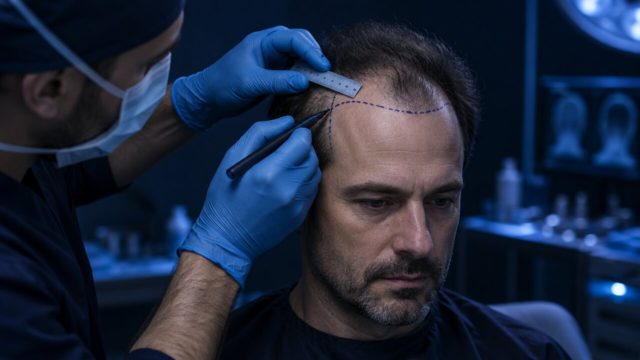
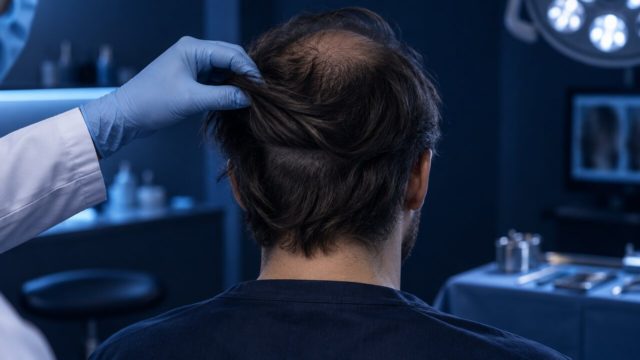
Planning a body hair transplant to head turkey procedure should begin with a detailed remote or in-person assessment rather than a fixed graft promise. The doctor evaluates photographs, scalp donor density, body donor zones, the extent of thinning and the patient’s goals. At Acibadem Hair Transplant Center, a free online hair analysis is reviewed by doctors, and WhatsApp replies are typically provided within around two hours. A final treatment recommendation still requires proper clinical confirmation.
A responsible plan identifies which areas need the greatest priority. In many cases, the hairline and frontal third are planned conservatively because these areas are highly visible and may need to look natural for many years. Scalp grafts may be reserved for refined hairline work, while selected body grafts can contribute to density further back. This allocation is individual and depends on donor supply, hair characteristics and the anticipated course of hair loss.
The surgeon also considers how much body hair can be removed without creating an overly depleted appearance in the donor region. Hair is taken in a dispersed pattern rather than from one concentrated patch. The aim is to preserve a balanced look in the beard or body area while protecting follicle quality. Not every visible hair can or should be harvested, and safe harvesting limits vary between patients.
05How Body Follicles Are Harvested and Implanted
Body follicle extraction is usually performed with a form of FUE, meaning individual follicular units are removed one by one. The procedure requires careful angle control because body hairs can grow at sharper angles and may curve beneath the skin. Improper extraction can damage follicles or increase trauma to the donor skin, so experience with varied donor sources is important when this technique is being considered.
After extraction, grafts are sorted and protected before implantation. The recipient area is prepared with tiny channels or other placement methods that determine the angle, direction and distribution of new growth. Acibadem Hair Transplant Center provides Sapphire FUE and DHI techniques, and the doctor can explain which method may be appropriate for a particular plan. Needle-free anaesthesia is also available for patients who are suitable for it.
Procedure length depends on the number of grafts, donor areas used and the complexity of placement. Some cases are completed in one session, while others may be planned in stages to protect donor reserves and allow the first result to be assessed. A staged plan can be especially sensible when a patient has extensive thinning, uncertain future loss or a mixed scalp and body donor strategy.
06Expected Results: Density, Texture and Growth Timeline
Results of body hair transplantation to the scalp can be worthwhile in selected patients, particularly when the aim is to improve coverage rather than create extremely dense, uniform scalp hair. Body grafts can add shadows and volume, helping the scalp appear less visible under normal viewing conditions. However, they may grow at different lengths, speeds and angles from neighbouring scalp hairs. This variation is an expected consideration, not necessarily a sign that the procedure has failed.
After surgery, the implanted hairs commonly shed during the early recovery phase. New growth typically begins gradually over the following months, and the appearance continues to mature as the hairs thicken and blend. Doctors generally evaluate transplant outcomes at around 12 months, although hair characteristics and the treatment area can influence the timeline. Patients should avoid judging density too early, especially after a large or mixed-donor procedure.
Naturalness depends heavily on placement. Fine single scalp hairs are often preferred around the hairline, while thicker beard grafts may be better suited to areas needing added bulk. A crown can require particularly careful planning because the hair grows in a circular pattern and can demand many grafts for modest visible density. Your doctor should explain where body hair is likely to add the most value and where its limitations may be more noticeable.
07Risks, Recovery and Long-Term Care
As with any hair restoration surgery, body donor procedures carry potential risks. These can include temporary redness, swelling, crusting, itching, uneven growth, folliculitis, changes in skin colour and visible marks in the donor area. Some risks are uncommon but can still occur. The chance and severity of complications may be influenced by skin type, healing tendency, aftercare, extraction method and the number of grafts taken.
Recovery instructions usually include gentle washing, avoiding friction on the recipient area and protecting the scalp from direct sun during the early healing period. Exercise, swimming, shaving and use of certain cosmetic products may need to be paused for a period advised by the medical team. Body donor sites can feel sensitive or itchy as they heal. Patients should follow the provided care plan and contact the clinic if they notice unexpected pain, spreading redness, discharge or other concerning symptoms.
Long-term care also matters because transplantation does not prevent natural hair loss elsewhere. A doctor may discuss non-surgical approaches that can support an overall hair-loss plan, depending on the patient’s diagnosis and medical suitability. No one should begin or stop medication based on general online information alone. Regular follow-up allows the team to monitor progress, discuss styling options and reassess future needs if hair loss changes.
08Alternatives and Choosing the Right Treatment Plan
Before choosing a body hair transplant to head turkey treatment plan, it is important to compare it with other options. Some patients may have enough scalp donor reserve for a conventional scalp-only transplant, which may offer a closer texture match. Others may benefit from a staged procedure, medical management where clinically appropriate, scalp micropigmentation, hairstyle changes or accepting a lower-density but natural-looking transplant design. The best option is the one that balances safety, donor preservation and realistic cosmetic goals.
Patients travelling internationally should ask clear questions about who performs each stage, how the donor areas will be assessed, what follow-up is included and how concerns are handled after returning home. Acibadem Hair Transplant Center is a dedicated hair restoration clinic in Istanbul, licensed by the Turkish Ministry of Health. Its all-inclusive packages include VIP transfer, a 4-star hotel, a care kit and 12 months of follow-up, but the treatment plan and suitability should always be confirmed by the medical team.
A clinic should not present body hair as an unlimited donor supply or promise a specific cosmetic result before examination. At Acibadem Hair Transplant Center, results are measured by trichoscopic graft survival at month 12, with a documented 98% rate under written guarantee. This measure relates to graft survival under the stated guarantee conditions and should not be interpreted as a promise of identical density, hair texture or aesthetic outcome for every patient. A transparent consultation is the right place to discuss these distinctions.
09Frequently Asked Questions
Is it possible to move body hair to the scalp?
Yes, body follicles can be transplanted to the scalp in selected patients. They are usually used to supplement scalp donor hair because body hair can differ in thickness, length, growth cycle and texture. A doctor must assess the donor areas and confirm whether the expected benefit is suitable for your case.
What is the price of 5,000 hair grafts in Turkey?
There is no single reliable price for 5,000 grafts in Turkey because cost can vary with the technique, donor source, clinical complexity, medical team, package inclusions and whether the quoted number is clinically safe to harvest. A high graft number is not appropriate for every patient, particularly when body donor hair is involved. Request a written, doctor-reviewed plan that explains the proposed graft count and what is included.
What treatment did Elon Musk use for his hair regrowth?
There is no confirmed public medical record stating exactly which treatment Elon Musk used, so it would not be appropriate to present one as fact. Online discussion often speculates about hair transplantation and other treatments, but a person’s appearance cannot confirm a diagnosis or procedure. Hair restoration decisions should be based on an individual clinical assessment, not a celebrity comparison.
What kind of result can body hair transplantation to the scalp provide?
Body hair transplantation can improve the appearance of coverage and density, particularly in areas behind the hairline or in selected scar and crown cases. The final look may be less uniform than a scalp-only transplant because body hairs can grow differently and may not reach the same length. In most patients, results are assessed gradually, with a more meaningful review around month 12.
Tento článok slúži len na všeobecné informačné účely a nenahrádza odbornú lekársku radu.
Tento sprievodca slúži na všeobecné informovanie a nenahrádza lekársku konzultáciu. O liečbe sa rozhoduje po osobnom alebo online posúdení lekárom.