
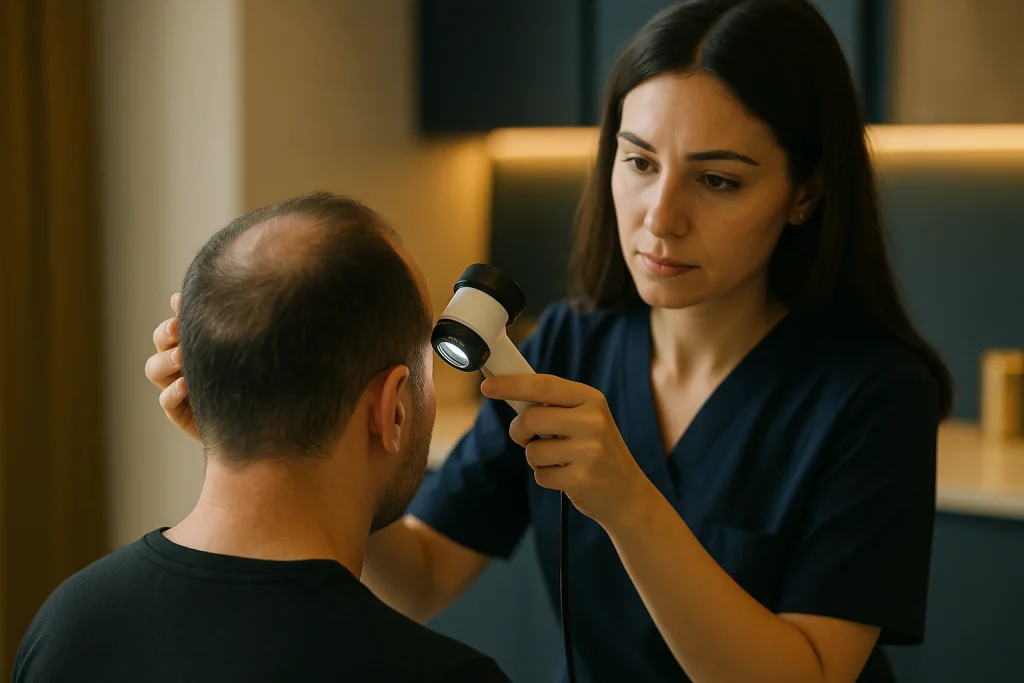
Burning scalp and hair loss should be medically evaluated before hair transplantation is planned. Burning may come from irritation, inflammation, nerve-related sensitivity, infection, skin disease or a general health issue; the cause should be identified and controlled first, because active scalp symptoms can affect comfort, healing and treatment planning.
- A burning, hot, tingling or painful scalp is a symptom rather than a diagnosis, so the underlying cause matters.
- Active redness, scaling, sores, infection or unexplained shedding usually need assessment before a hair transplant is considered.
- Some causes are temporary and do not permanently damage follicles, while deep burns and scarring conditions may lead to lasting hair loss.
- A doctor may use scalp examination, trichoscopy and, when appropriate, blood tests or referral to clarify the cause.
- Hair transplantation is typically considered only after the scalp condition is stable and the donor area has been assessed.
01Why Scalp Burning Should Be Assessed Before a Hair Transplant
Burning scalp and hair loss can occur at the same time, but they do not always have the same cause. Some people notice a warm, sore, prickling or tight feeling before increased shedding. Others have long-standing hair thinning and develop scalp discomfort after changing a cosmetic product, using heat styling, scratching, or experiencing stress. Before transplantation, it is important to understand whether the scalp is temporarily irritated, actively inflamed, affected by a skin condition, or showing signs of follicle damage. A transplant procedure adds small controlled wounds to the scalp, so operating on an unstable or painful scalp may not be appropriate.
A hair transplant redistributes healthy follicles from a donor area, usually at the back or sides of the scalp, to areas with reduced density. It does not treat the medical reason for burning, scaling, redness or active shedding. If an underlying condition continues after surgery, existing non-transplanted hair may still thin, and the scalp may remain uncomfortable. For this reason, a careful assessment protects both the patient experience and the ability to make a realistic long-term plan.
Evaluation does not automatically mean that a transplant will never be possible. In many patients, the cause can be identified, treated or brought under control. The timing is the key issue. Your doctor will usually want to see that symptoms have settled, the scalp skin is healthy enough for a procedure, and the pattern of hair loss is understood before recommending graft placement. This approach is especially important when hair loss is sudden, patchy, painful or accompanied by visible skin changes.
02What a Burning Scalp Can Feel Like and What to Notice
People describe scalp burning in different ways. It may feel like warmth, stinging, soreness, pins and needles, tenderness, itching with heat, or a sensation similar to sunburn. The feeling may be limited to one small area or spread across the crown, hairline, temples or back of the head. Symptoms can be occasional or continuous. They may become more noticeable after washing, sweating, wearing a tight hat, brushing the hair, applying a product, or lying with pressure on one area of the scalp.
Visible signs provide useful information, although a scalp can feel painful even when it looks normal. Redness, flakes, greasy scale, dry plaques, crusting, small bumps, pustules, sores or broken hairs can point towards irritation, inflammation or infection. Hair changes also matter. Diffuse shedding, a widening part, receding hairline, round patches, broken hairs, or areas that look smooth and shiny should be reported during assessment. Photographs taken over time can sometimes help show whether the problem is changing.
Some symptoms need prompt medical attention rather than waiting for a hair consultation. These include rapidly spreading redness, swelling, pus, fever, severe pain, blistering, a chemical or heat injury, or sudden patchy hair loss. A painful rash near the eye or face also needs timely assessment. These signs do not confirm one specific diagnosis, but they can indicate a problem that may require early treatment to protect the skin and, in some cases, the follicles.
03Common Reasons for Scalp Heat, Stinging and Shedding
Contact irritation is one possible cause. Hair dyes, bleaching products, fragranced shampoos, styling sprays, oils, adhesives and some medicated products can irritate sensitive skin or trigger an allergic reaction. Repeated heat exposure, very tight hairstyles, aggressive brushing and frequent scratching may also damage the scalp barrier. In these situations, symptoms can begin soon after a new exposure, but reactions may also develop after repeated use of a product that was previously tolerated.
Inflammatory scalp disorders can also cause discomfort and shedding. Dandruff-related inflammation, psoriasis-like scaling, eczema and follicle inflammation are examples of conditions that need professional assessment because they can look similar to one another. Infections caused by bacteria or fungi may produce tenderness, scale, broken hairs or pustules. The correct treatment depends on the cause, so using several strong products without a diagnosis can sometimes worsen irritation or make examination more difficult.
Not every burning sensation comes directly from damaged scalp skin. Some people experience scalp dysesthesia, meaning unpleasant scalp sensations such as burning or tingling without clear visible changes. Stress, poor sleep, anxiety, migraine-related sensitivity, neck tension and nerve sensitivity may contribute in some cases. Hormonal changes, nutritional issues, certain medicines and general health conditions can also be relevant to hair shedding. A clinician considers the full history rather than assuming that every symptom is caused by the hair itself.
04Burning Scalp and Hair Loss: How Inflammation Can Affect Planning
Inflammation around hair follicles may increase shedding or make the scalp more sensitive to touch. In many temporary conditions, follicles are not permanently destroyed and hair can gradually recover once the trigger is addressed. However, some inflammatory disorders can cause scarring, where follicles are replaced by scar tissue. Scarring hair loss requires early specialist assessment because regrowth from affected follicles may be limited. Smooth, shiny areas with reduced follicle openings, pain, pustules or progressive patches should not be ignored.
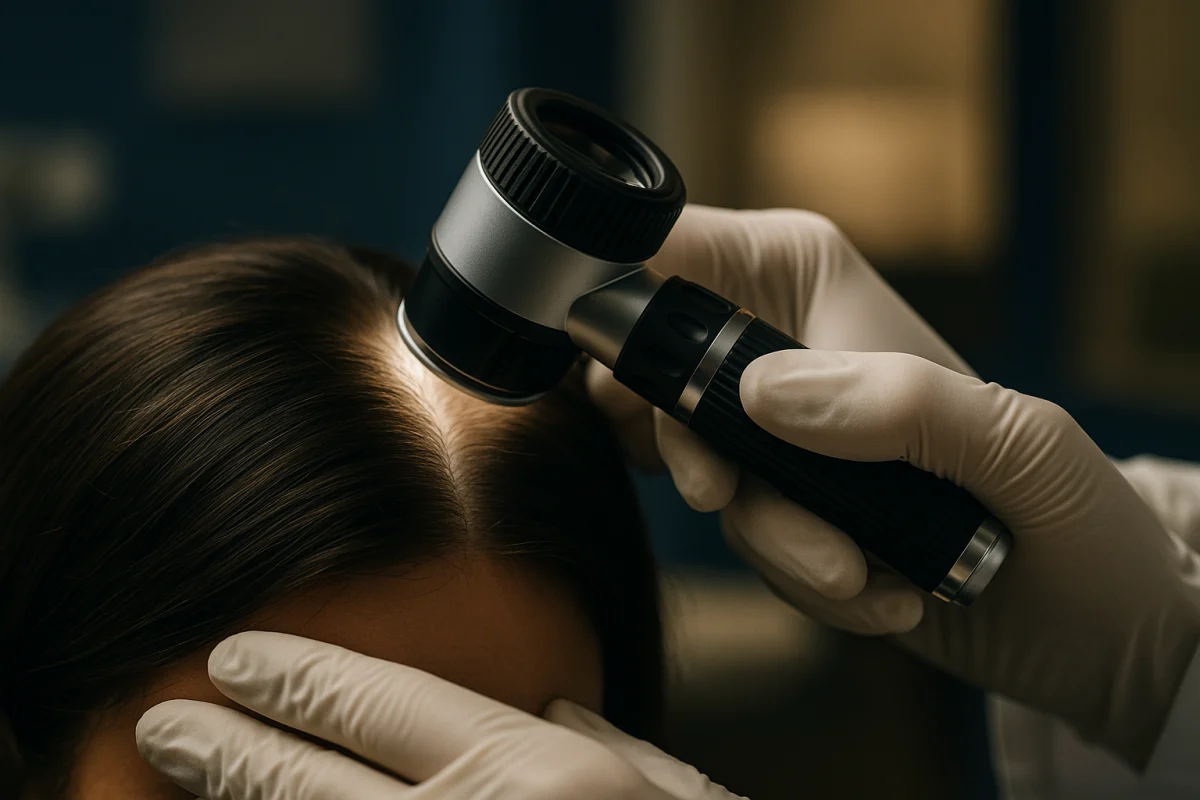
For transplant planning, the clinical team needs to distinguish between stable pattern hair loss and an active process that could continue to affect the recipient or donor areas. Trichoscopy, a close examination of the scalp and follicle openings using magnification, can help assess hair shaft variation, inflammation, scale, miniaturisation and signs of scarring. It does not replace a full medical diagnosis, but it can provide valuable information when combined with the patient history and physical examination.
Even when the scalp looks calmer on the day of consultation, the previous pattern is important. Patients should mention when burning started, whether it comes and goes, what makes it worse, which products or treatments were used, and whether there has been recent illness, weight change, stress or medication changes. This information helps a doctor decide whether monitoring, dermatology referral, treatment, further testing or a delayed procedure is the safest next step.
05How Doctors Evaluate a Painful or Sensitive Scalp
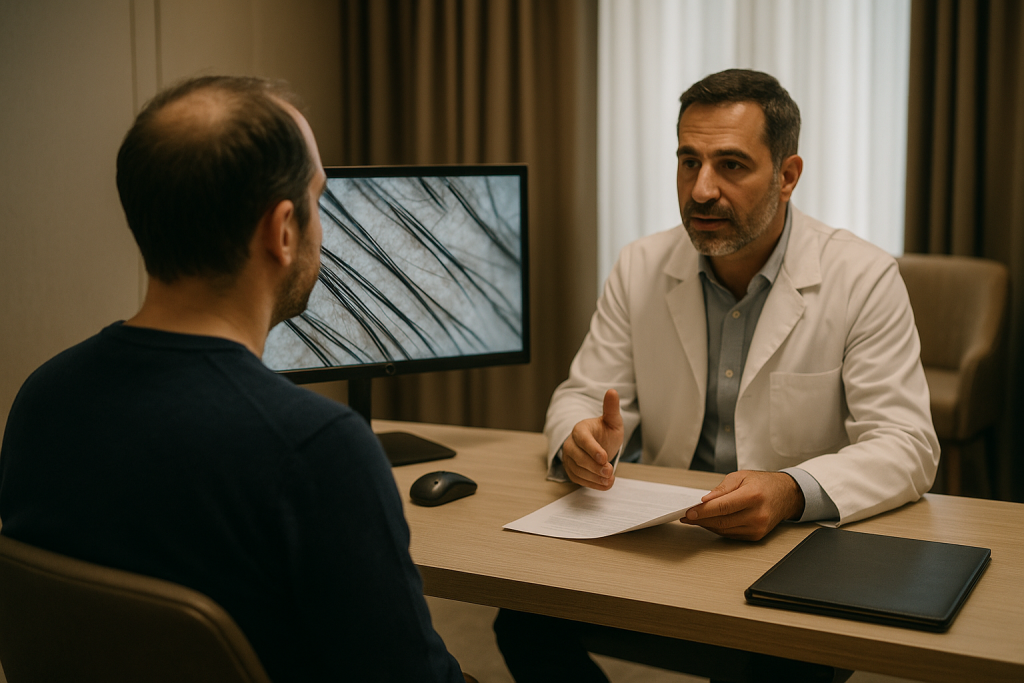
An assessment normally begins with questions about symptoms and timing. A doctor may ask whether the discomfort began before or after hair shedding, whether there is itch, scaling or rash, and whether symptoms are linked to hair products, sun exposure, headwear, recent travel, illness or a family history of skin disease. They may also review medical conditions, medicines, supplements and previous hair treatments. Clear answers are more useful than trying to self-diagnose from a single symptom.
The scalp and hair are then examined in good light. The clinician may look at the distribution of hair loss, the density of donor hair, the condition of the skin and whether individual follicles remain visible. Trichoscopy can show details that cannot be seen easily with the naked eye. If the history suggests a wider health factor, a doctor may recommend appropriate blood tests or referral to a dermatologist or another specialist. The exact tests depend on the individual clinical picture.
At Acibadem Hair Transplant Center in Istanbul, patients can begin with a free online hair analysis reviewed by doctors. Photographs and a symptom description can help determine whether an in-person scalp assessment is needed before travel or before discussing a procedure. Replies on WhatsApp are typically provided within around two hours. Online review is useful for initial guidance, but a persistent burning scalp, visible rash or painful hair loss may require direct medical examination for a reliable diagnosis.
06When Hair Transplantation May Wait and When It May Be Considered
Hair transplantation may need to be postponed when there is active infection, significant redness, open skin, painful pustules, uncontrolled scaling, suspected scarring hair loss or unexplained rapid shedding. This is not simply a matter of comfort. Inflamed skin may heal less predictably, and active disease can make it difficult to select an appropriate recipient area or estimate the future pattern of hair loss. A delay gives time to investigate the cause and establish whether the condition is stable.
Once burning scalp and hair loss have been evaluated and the responsible condition is adequately controlled, a transplant may be discussed for suitable patients. The doctor will consider the cause and stability of hair loss, scalp health, donor supply, age, medical history and expectations. There is no universal waiting period because recovery and disease activity vary. Your doctor will confirm whether symptoms have been settled for long enough and whether graft placement is clinically reasonable.
When a patient is suitable, technique selection is also individual. Sapphire FUE and DHI are available at our dedicated hair restoration clinic, and the recommended approach depends on factors such as the recipient area, existing hair and graft plan. Needle-free anaesthesia may be available for eligible patients. These procedural details are considered only after the scalp has been assessed; they should not distract from treating an active scalp concern first.

07Supportive Steps While You Arrange Medical Assessment
Until the cause is clear, gentle scalp care is usually the safest approach. Avoid introducing multiple new products at once, and stop using any product that clearly causes immediate burning, swelling or rash unless a clinician has instructed otherwise. Gentle washing, avoiding very hot water, limiting direct heat tools and avoiding tight pulling styles may reduce additional irritation. Do not scratch or pick at sore areas, as broken skin can increase the risk of infection.
It is best to be cautious with home remedies. Essential oils, strong acids, exfoliating scrubs, hair dye, bleaching agents and unprescribed steroid creams can aggravate certain scalp conditions or hide important clinical signs. A medicated shampoo or topical treatment may be appropriate for some diagnoses but not for others. A pharmacist or doctor can help advise on suitable short-term care, particularly if you have sensitive skin, a history of allergy, are pregnant, or take regular medicines.
Keeping a simple symptom record can make consultation more productive. Note the location and intensity of burning, visible changes, recent hair shedding, new products, hairstyles, illnesses and any factors that improve or worsen the feeling. Bring product names or photographs of labels if possible. This record does not replace examination, but it may help identify a pattern and prevent unnecessary repeat exposure to a possible trigger.
08Planning a Safer Long-Term Hair Restoration Journey
A responsible hair restoration plan begins with scalp health, not only with the number of grafts. If a medical condition is found, the priority is typically treatment and follow-up until the condition is stable. If the scalp is healthy and hair loss follows a stable pattern, the next discussion can focus on donor capacity, hairline design, expected coverage and the future protection of existing hair. Honest planning is important because transplantation redistributes a limited donor resource.
International patients may find it helpful to complete medical review before arranging travel. Our clinic is licensed by the Turkish Ministry of Health and has treated patients from 38 countries over 12 years. For patients who are medically suitable for treatment, all-inclusive packages can include VIP transfer, a 4-star hotel, a care kit and 12 months of follow-up. However, a package should never replace clinical suitability; the medical assessment comes first.
Follow-up is especially valuable when a patient has had previous scalp sensitivity or hair shedding. At our clinic, results are measured through trichoscopic graft survival at month 12, with a documented 98% rate under written guarantee. Individual healing, density and cosmetic appearance can still vary, and no procedure can guarantee the same outcome for every person. The most appropriate next step for anyone with ongoing burning is to seek assessment, clarify the cause and proceed with hair restoration only when a doctor confirms that it is suitable.
09Frequently Asked Questions
How can I help a burning scalp heal?
Healing depends on the cause, so the first step is to avoid known irritants and arrange medical assessment if burning persists, returns or occurs with hair loss. Gentle cleansing, avoiding heat, tight hairstyles, scratching and strong cosmetic products may help reduce further irritation. A doctor can recommend treatment only after considering whether the issue is irritation, inflammation, infection, nerve-related sensitivity or another condition.
What can it mean when my scalp feels like it is burning?
A burning sensation can be linked to product irritation, sun or heat exposure, inflammatory skin conditions, infection, follicle inflammation or scalp nerve sensitivity. It can also occur without obvious visible changes. Because the same sensation can have different causes, persistent pain, rash, scale, sores or increased shedding should be assessed by a qualified clinician.
Can hair grow back after a scalp burn?
Hair may grow back after a mild, superficial scalp burn if the follicles were not permanently damaged. Recovery can take time because the skin must heal and the hair cycle may be temporarily disrupted. Deep burns that cause scarring can destroy follicles, making natural regrowth less likely; a doctor can assess the scalp once healing is complete.
Can burning scalp syndrome be related to thyroid problems?
Thyroid disorders can be associated with diffuse hair shedding, dry skin and changes in hair texture, but a burning scalp is not specific to thyroid disease. Other scalp and medical causes are also possible. If symptoms occur with fatigue, weight change, temperature sensitivity, palpitations or unexplained shedding, a doctor may decide whether thyroid testing is appropriate.
Tento článok slúži len na všeobecné informačné účely a nenahrádza odbornú lekársku radu.
 06
06 12
12