
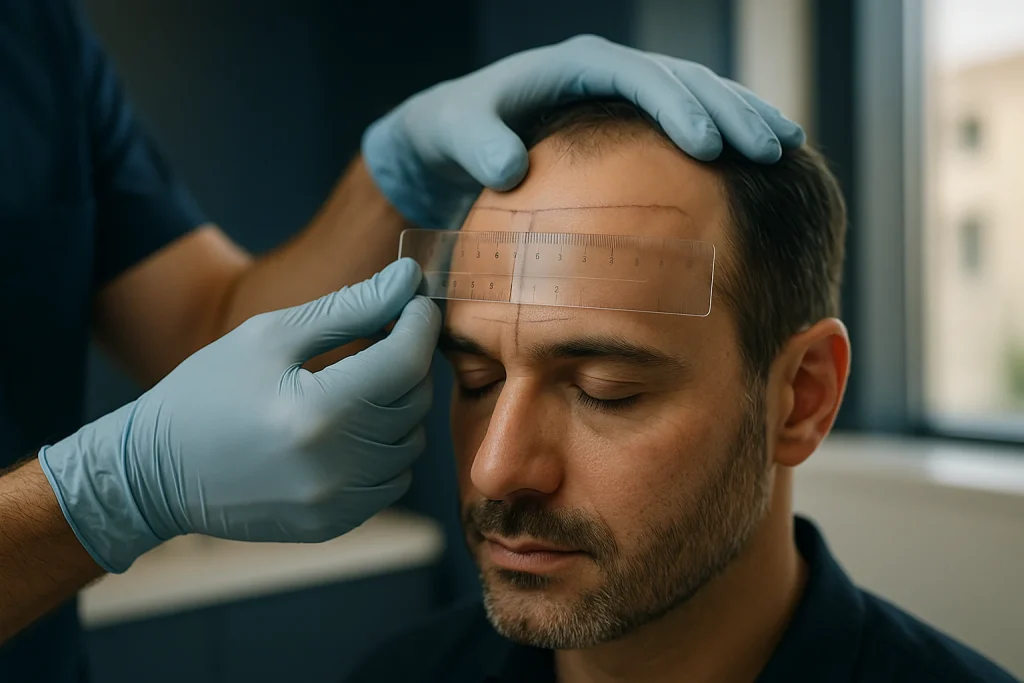
Natural-looking hairline edges are planned with a soft, irregular transition rather than a straight, densely packed line. A doctor considers facial proportions, existing hair, donor supply, hair calibre, and the likely future pattern of hair loss before confirming the most suitable design.
- Natural edges usually require a gradual density transition from finer single-hair grafts to fuller density behind the hairline.
- A conservative hairline design can help preserve donor grafts and remain appropriate if hair loss progresses over time.
- Hair direction, angle, curl pattern, and the position of the temples are as important as the number of grafts used.
- Thinning at the edges may be linked to traction, hormonal changes, inflammatory scalp conditions, or genetic hair loss, so diagnosis matters.
- A doctor-reviewed assessment helps determine whether medical management, a transplant procedure, or both may be appropriate.
01Hairline Edges: Planning Natural Density and Design
Hairline edges are the fine transition area where the forehead meets the hair-bearing scalp, including the front line, corners, and temples. Planning this area well is important because it is highly visible in daily life and in photographs. A natural result is usually not created by placing the maximum possible number of grafts at the front. Instead, it depends on a carefully softened outline, appropriate density, and hairs placed in directions that resemble natural growth. The aim is to make the hairline look believable at close range while respecting the person’s current hair pattern and future needs.
Every hairline has natural variation. It is rarely perfectly straight, equally dense from side to side, or made of hairs with identical thickness. During planning, the doctor typically studies the forehead height, facial shape, age, sex, hairstyle preferences, skin characteristics, and the strength of the donor area. Existing miniaturised hairs also need attention. If native hair is still thinning behind the proposed design, a very low or very dense transplant line may not remain balanced over the years. For this reason, a personalised, conservative design is often preferred.
The edges should frame the face without looking drawn on. Small changes in the temple points or frontal corners can alter how broad, narrow, soft, or mature the face appears. A treatment plan may therefore include a subtle asymmetry that mirrors natural human hairlines. Your doctor will confirm whether a transplant is suitable after examining the scalp and discussing medical history, hair-loss stability, and realistic goals. This assessment is especially important for people whose hair loss is recent or still progressing.
02Why a Soft Density Gradient Looks More Natural
A well-designed hairline usually has several density zones. The first few millimetres tend to contain a lighter, less uniform distribution of grafts. Behind this transition, density can gradually increase so the transplanted area blends into existing hair. This layered approach avoids an abrupt line between forehead skin and dense hair. It also helps the hair move more naturally when it is wet, parted, or styled away from the face.
Single-hair follicular units are commonly selected for the leading edge because they can create a finer appearance. Slightly thicker units may be placed farther behind, where they can add visual fullness without making the front line appear coarse. However, graft selection is only one part of the process. The patient’s own hair calibre, colour contrast between scalp and hair, curl pattern, and skin tone can all influence how dense the area appears. Fine, straight dark hair against a light scalp, for example, may need a different visual strategy from coarse, curly hair.
Natural density does not necessarily mean copying the density of childhood hair. In many adult patients, a mature and proportionate hairline can look more harmonious and can use donor hair responsibly. The available donor supply is finite, so it may need to support future work if hair loss continues. A surgeon should explain the trade-off between a lower, denser frontal design and the need to preserve grafts for the mid-scalp or crown. A careful plan prioritises long-term balance rather than a short-term visual effect alone.
03Hairline Edges and the Importance of Direction and Angle
At the front of the scalp, hairs do not simply point straight forward. They emerge at low angles and often change direction gradually across the hairline. Near the central front, hair commonly angles forward with a slight diagonal flow. At the corners, it may sweep outward, while temple hairs often lie flatter and follow a more delicate pattern. Recreating these changes is central to planning hairline edges that do not look artificial.
The recipient sites made during a transplant influence the angle and direction in which each graft will grow. Very upright placement can make the front appear plug-like or overly noticeable, particularly in people who wear short hair or style it back. Placement that is too flat may also be unsuitable in certain areas. The surgeon therefore needs to match the local scalp anatomy and the planned hairstyle. These technical details are assessed during the procedure, not decided by graft count alone.
At Acibadem Hair Transplant Center in Istanbul, Sapphire FUE and DHI are available techniques for suitable patients. Both can be used in carefully planned hair restoration, but the best choice depends on the scalp, the recipient area, the graft characteristics, and the clinical plan. The technique itself does not replace good design. Whether grafts are extracted and implanted using one approach or another, a natural front depends on appropriate angles, spacing, graft selection, and an experienced medical team.
04Temple Points, Corners, and Facial Proportion
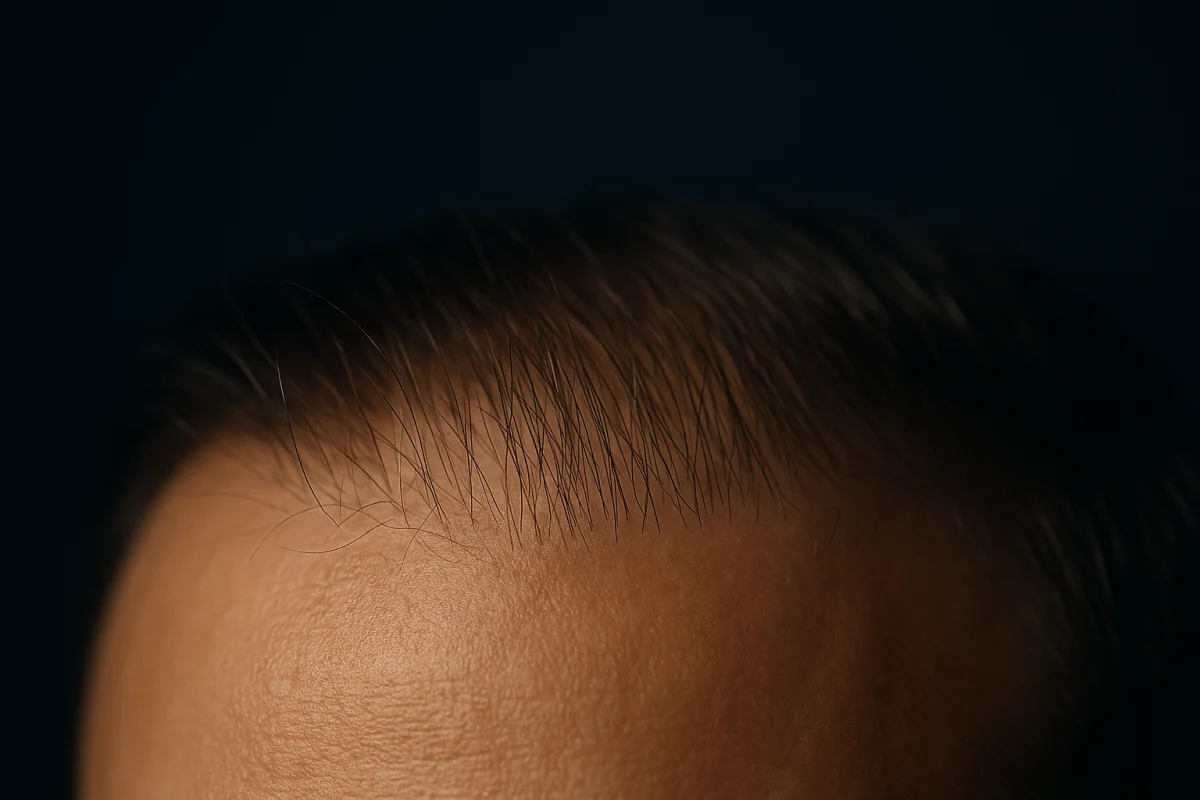
The temple points are the small triangular areas at the sides of the frontal hairline. Although they contain relatively few hairs, they can strongly affect facial framing. Rebuilding them too sharply, too low, or too densely may create an unnatural outline. In many cases, a softer temple point with low-angle, fine hairs produces a more convincing result. The design should connect visually with the frontal hairline while still reflecting the person’s age and natural pattern.
Frontal corners also deserve careful attention. Some people naturally have rounded corners, while others have a more defined but still irregular shape. A clinician may recommend retaining a degree of recession rather than filling every corner. This can look age-appropriate and may allow available grafts to be used where they will provide the greatest overall benefit. It can also reduce the risk of a mismatch if the surrounding native hair becomes thinner later.
Hairline planning is not based on a standard template. A design that suits one person may look unsuitable on another person with a different forehead, eyebrow position, facial width, or hair texture. During a free online hair analysis, photos can be reviewed by doctors to provide initial guidance. An in-person assessment remains important before treatment, as the doctor needs to examine donor quality, scalp condition, and the existing pattern of loss directly. A proposed line should always be confirmed clinically, not selected from a photograph alone.
05Female Edge Thinning: Causes and Planning Considerations
Women can experience thinning around the frontal hairline, temples, and sideburn areas for many reasons. Repeated tight braids, ponytails, extensions, head coverings, or other styling tension may contribute to traction-related hair loss. Hormonal changes, female pattern hair loss, nutritional concerns, recent illness, thyroid disorders, inflammatory scalp conditions, and some medicines may also be relevant. Because the cause affects the treatment approach, it is important to seek medical evaluation rather than assuming that all thinning edges require a transplant.
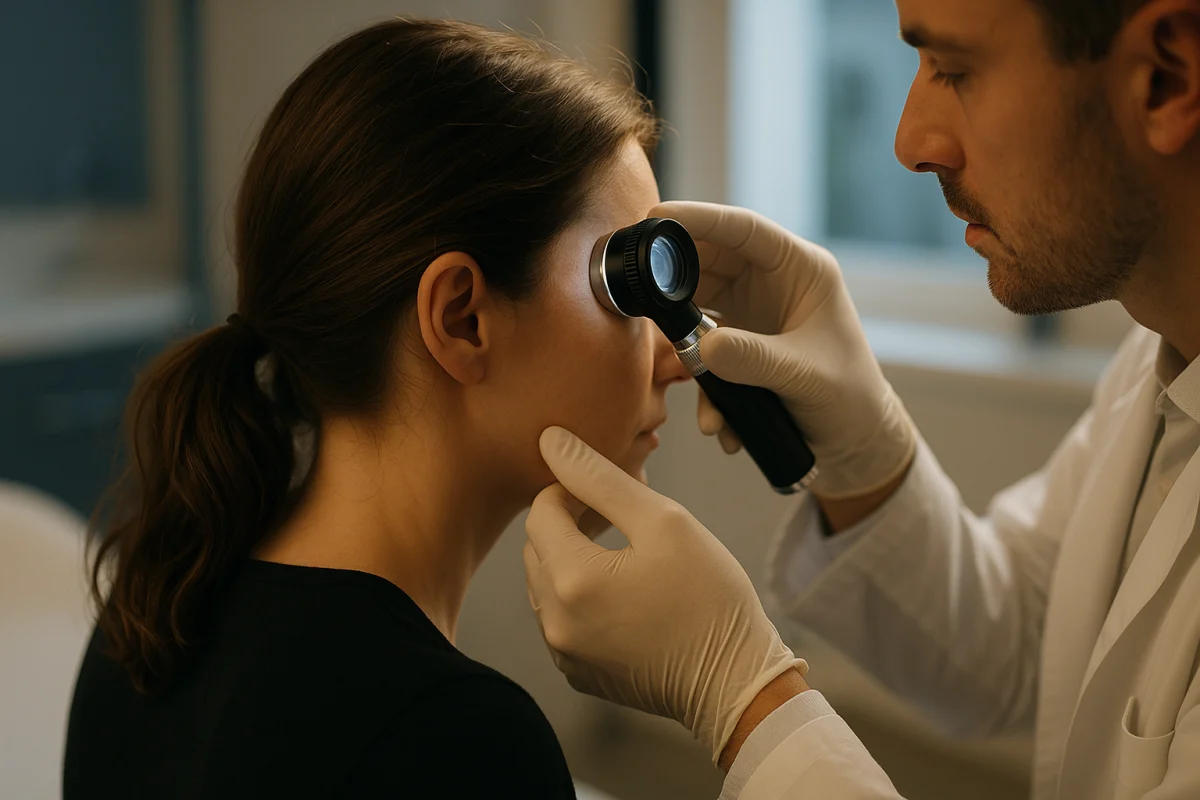
For women with active shedding or diffuse thinning, the first priority is often to identify and manage the underlying issue. A doctor may ask about the timing of hair loss, menstrual or hormonal history, family history, hairstyles, diet, illness, and scalp symptoms such as itching, pain, scaling, or redness. Blood tests or specialist assessment may be considered where clinically indicated. Hair transplantation may be discussed only after the diagnosis, donor-area assessment, and stability of hair loss have been reviewed.
When transplantation is appropriate, the design for female patients often focuses on maintaining softness and preserving existing hairs. It may involve improving the temples, reinforcing a receding frontal area, or restoring density in a scarred, stable area. The procedure must be planned carefully because native hairs between grafts can be vulnerable to temporary shedding after surgery. Your doctor will explain the possible benefits, limitations, recovery period, and whether medical treatment may still be recommended to support the remaining hair.
06Recovery, Shedding, and the Timeline for Visible Growth
After a hair transplant, the recipient area commonly develops small scabs and mild redness for a short period. The clinic’s aftercare instructions should be followed closely, especially regarding washing, sleeping position, exercise, sun exposure, and avoiding friction or pressure on the new grafts. Needle-free anaesthesia may be available for eligible patients, but the medical team will decide whether it is appropriate. Recovery experiences vary, and any unusual pain, swelling, discharge, or persistent redness should be reported promptly to the care team.
Transplanted hairs often shed during the early weeks after the procedure. This is a common part of the cycle and does not automatically mean the follicles have been lost. New growth typically begins gradually over the following months, and the texture and density can continue to mature for many months thereafter. Hairline areas may be inspected particularly closely because they are visible, but it is important to judge progress at the clinical time points advised by the team rather than day by day.
At Acibadem Hair Transplant Center, all-inclusive packages include VIP transfer, a 4-star hotel, a care kit, and 12 months of follow-up. The clinic is licensed by the Turkish Ministry of Health and has treated patients from 38 countries over 12 years. Results are measured by trichoscopic graft survival at month 12, with a documented 98% rate under written guarantee. This measurement does not mean that every patient will achieve the same cosmetic density or styling result, as individual healing, hair characteristics, and pre-existing hair loss can differ.
07How to Prepare for a Hairline Consultation
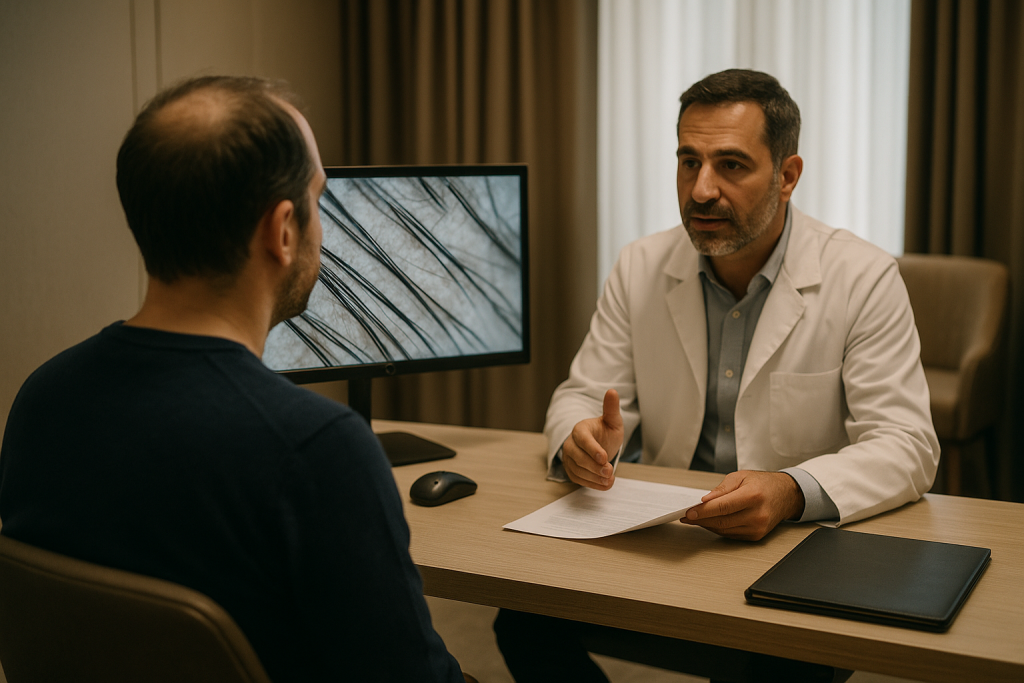
A useful consultation begins with clear information. Patients should share recent, well-lit photos of the front, temples, top, sides, and donor area, along with details about when the thinning began and whether it is stable. It is also helpful to explain regular medications, relevant health conditions, previous scalp procedures, and styling habits that pull on the edges. This information allows the medical team to identify potential concerns early and to decide whether further evaluation is needed before discussing a procedure.
Bring realistic visual references if you have them, but use them as a discussion tool rather than a fixed promise. Another person’s hairline may not suit your face, donor supply, or hair-loss pattern. Ask how the proposed design accounts for future loss, whether existing hair behind the line is stable, and what density can reasonably be planned. You may also ask how graft direction will be managed around the corners and temples, what aftercare will involve, and when progress will be assessed.
Acibadem Hair Transplant Center offers a free online hair analysis reviewed by doctors, with WhatsApp replies typically within around two hours. This can be a practical first step for international patients considering travel to Istanbul. It does not replace a full medical examination or guarantee eligibility for treatment. A responsible plan is based on clinical assessment, informed consent, and a shared understanding that hair restoration aims to improve appearance within the limits of the available donor hair and individual biology.
08Frequently Asked Questions
What does the term laid edges mean?
Laid edges usually refers to short hairs around the hairline that are smoothed and styled in curved or waved patterns against the skin. This is a cosmetic styling technique, often using hairs that are naturally finer around the front and temples. Repeated pulling, brushing, heat, or strong styling products may irritate fragile hairs in some people, so gentle styling is generally sensible.
How can thin edges be made to look fuller?
A fuller appearance may sometimes be created with gentler hairstyles, reduced traction, suitable camouflage techniques, or treatment of an underlying hair-loss condition. The right approach depends on why the edges are thin and whether there is active shedding, inflammation, or scarring. A doctor can assess whether medical management, observation, or hair transplantation may be appropriate.
Why can hairline edges be difficult to grow back?
Edges may be difficult to regrow because the follicles in this area can be damaged by long-term traction, inflammation, scarring, or genetic miniaturisation. If follicles are permanently destroyed, topical or oral treatments may not restore growth from those follicles. Early assessment is important because reducing the cause of damage may help protect remaining hair.
What options may help women regrow thinning hair?
Treatment for female thinning hair depends on the cause, which may include female pattern hair loss, traction, hormonal changes, nutritional issues, illness, or scalp disease. A doctor may recommend medical evaluation and, where appropriate, treatments intended to support hair growth or reduce further loss. Hair transplantation may be considered for selected patients with stable loss and a suitable donor area, but it is not the first option for every type of thinning.
Tento článok slúži len na všeobecné informačné účely a nenahrádza odbornú lekársku radu.
 06
 12