V tomto článku8
- What DHT means before a hair transplant
- pumpkin seeds dht blocker: what the evidence suggests
- Pumpkin seeds, oil capsules, and realistic expectations
- Safety considerations before your procedure
- Protecting native hair around transplanted grafts
- Nutrition and recovery after hair restoration
- How to prepare for a doctor-led hair assessment
- Frequently Asked Questions
Pumpkin seeds and pumpkin seed oil are nutritious foods, but they are not proven to block dihydrotestosterone reliably enough to replace medically guided hair-loss treatment before transplantation. If you use supplements, tell your hair restoration doctor well before your procedure, as they may advise when to stop or continue them safely.
- Pumpkin seeds contain useful nutrients, but evidence that they meaningfully reduce DHT-related hair loss remains limited.
- A hair transplant plan should begin with a diagnosis of the cause and pattern of hair loss, not with a supplement alone.
- Pumpkin seed oil may cause digestive symptoms, allergy, or medication interactions in some people.
- Before surgery, disclose every supplement, medicine, and herbal product to your clinical team.
- Protecting existing native hair is often an important part of achieving a balanced long-term transplant result.
01What DHT means before a hair transplant
Dihydrotestosterone, usually called DHT, is a hormone made from testosterone. In people with genetic sensitivity, it can gradually shorten the growth phase of scalp hairs and make them finer over time. This process is known as androgenetic alopecia, or pattern hair loss. Searches for a pumpkin seeds dht blocker are understandable, especially when you are trying to preserve hair before transplantation. However, the relationship between food, supplements, hormones, and hair loss is more complex than a single ingredient can explain.
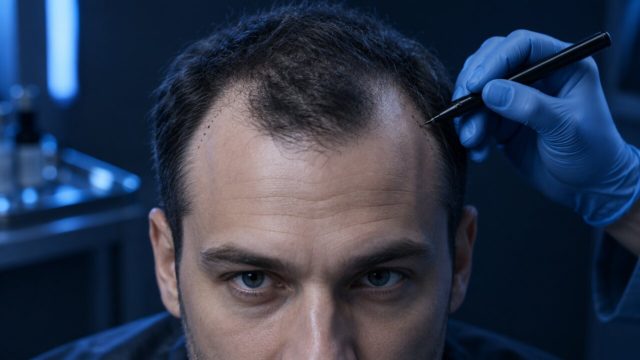
A hair transplant redistributes healthy follicles, usually from the donor area at the back or sides of the scalp, to areas with thinning or baldness. It does not automatically stop ongoing thinning in the surrounding native hair. For this reason, your doctor will usually assess whether hair loss is stable, how strong the donor area is, and whether the non-transplanted hair may continue to miniaturise. This assessment is especially important for younger patients or people whose hair loss has progressed quickly.
DHT is not harmful in every context, and it has normal roles in the body. The key issue for scalp hair is inherited follicle sensitivity. Some people have high sensitivity even with ordinary hormone levels, while others do not develop significant pattern loss. Blood tests are not always needed for typical pattern hair loss, but your doctor may recommend investigations when the history or scalp examination suggests another cause, such as nutritional deficiency, thyroid disease, inflammation, or sudden shedding.
02pumpkin seeds dht blocker: what the evidence suggests
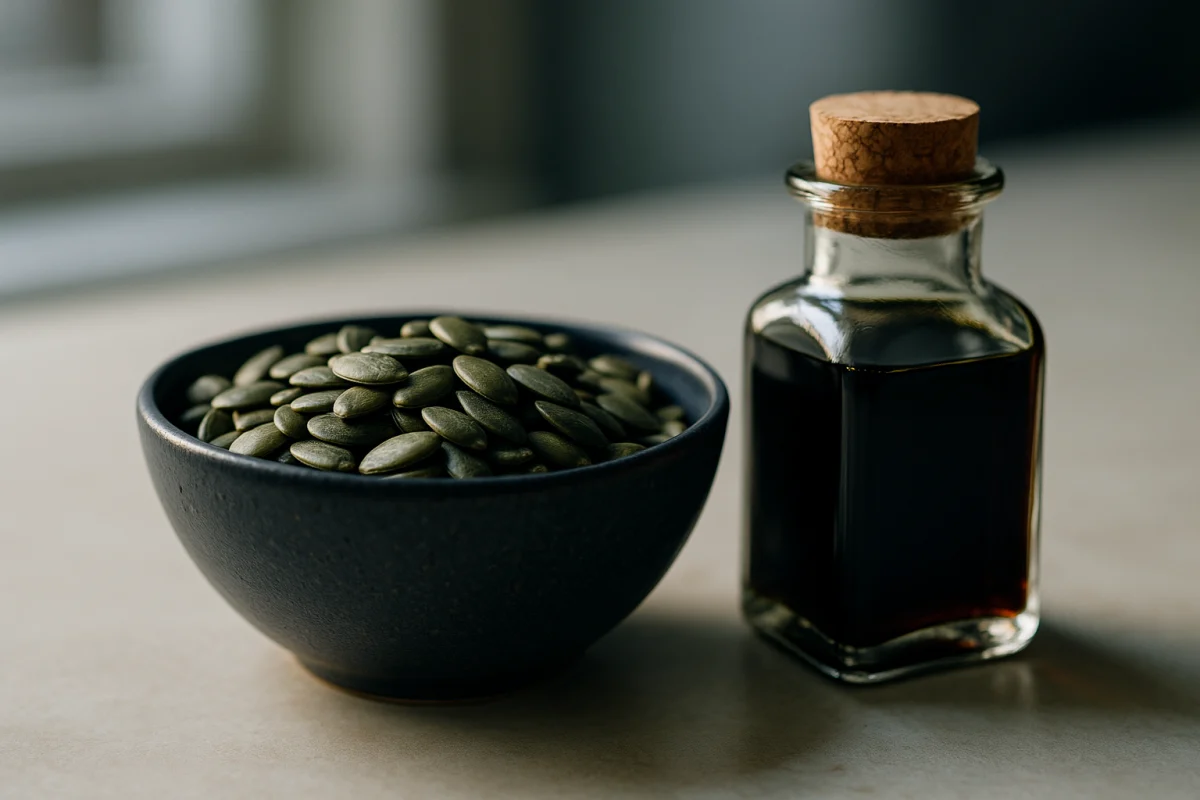
Pumpkin seeds are edible seeds that provide unsaturated fats, protein, fibre, magnesium, zinc, and other micronutrients. Pumpkin seed oil is a concentrated oil prepared from the seeds and is sold as a culinary product or dietary supplement. Laboratory research has raised questions about whether compounds in pumpkin seed oil could influence pathways linked with DHT. Yet laboratory findings do not by themselves show that a food will prevent hair loss or produce predictable clinical results in people.
When considering pumpkin seeds dht blocker claims, it is important to separate early research from established treatment. Small studies and supplement marketing may suggest possible benefit, but the available evidence is not strong enough to confirm that pumpkin seed oil can reliably lower scalp DHT, stop male or female pattern hair loss, or replace a treatment plan recommended by a doctor. Product dose, purity, extraction method, and the person’s underlying cause of hair loss can also vary substantially.
Eating a moderate amount of pumpkin seeds as part of a varied diet is generally different from taking high-dose oil capsules. Food can support overall nutritional intake, particularly when your diet lacks seeds, nuts, legumes, fish, vegetables, or other nutrient-rich foods. Still, a nutritious food should not be viewed as a direct substitute for diagnosis. If thinning is caused by genetic pattern loss, improving nutrition alone may not reverse follicle miniaturisation that has been developing for years.
03Pumpkin seeds, oil capsules, and realistic expectations
Whole pumpkin seeds can be included in meals as a source of healthy fats, plant protein, and minerals. Pumpkin seed oil is more concentrated and may be easier to take in a capsule, but concentration does not mean stronger hair results. Supplements are not identical to prescription medicines, and quality standards can differ among products and countries. Labels may not always reflect the exact active content, which makes it difficult to predict effects on hair or hormones.
The phrase pumpkin seeds dht blocker can make it sound as though the seeds work like a proven medication that directly targets a single pathway. In reality, no natural product can be assumed to have the same effect, safety profile, or clinical evidence as a doctor-supervised medical option. Some patients choose to use pumpkin seed oil as a dietary supplement, but it is best approached as an optional addition to a balanced lifestyle rather than as a stand-alone hair-loss solution.
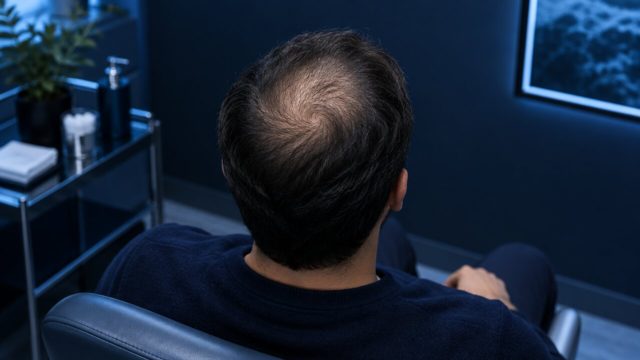
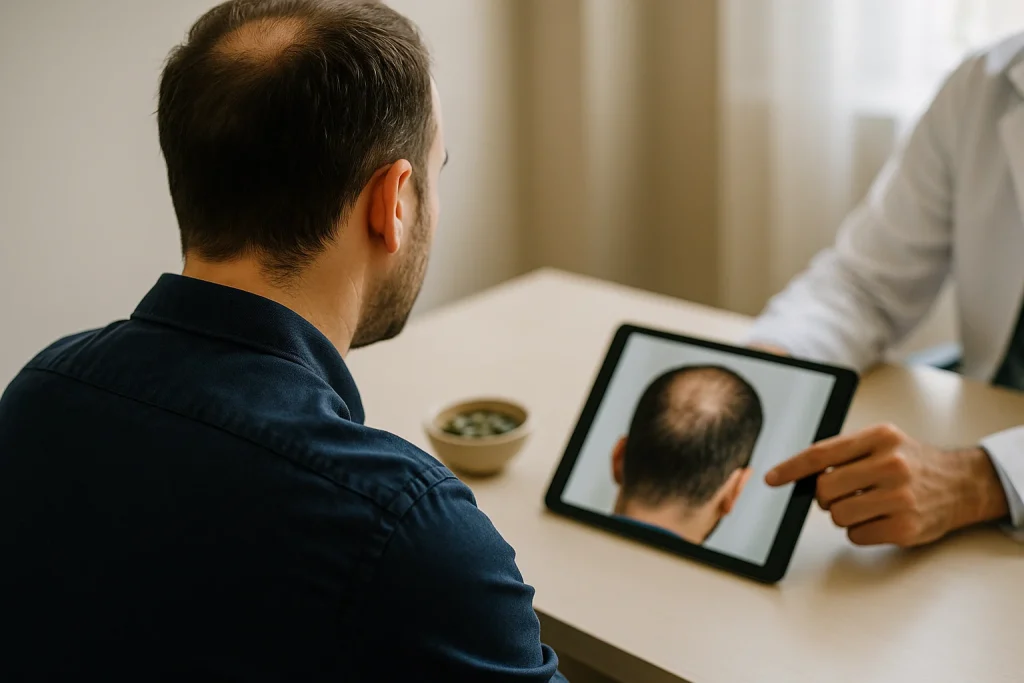
Realistic expectations matter before transplantation. A supplement may not change the number of grafts you need, improve the donor area, or protect vulnerable hair around the transplanted zone. The most useful next step is often to document your hair-loss pattern with clear photographs and a professional scalp assessment. This helps your doctor distinguish stable areas suitable for planning from areas where future thinning could affect the cosmetic balance of the result.
04Safety considerations before your procedure
Tell your clinical team about all vitamins, herbal products, protein powders, oils, over-the-counter medicines, and prescriptions you use. This includes products you may consider harmless because they are natural. Some supplements can affect bleeding, blood pressure, blood sugar, digestion, sleep, or the way medicines are processed. Your doctor will confirm which products should be paused and when, based on your health history and the planned procedure.
Potential side effects of pumpkin seed oil are usually mild for many users, but they can include stomach upset, nausea, loose stools, or discomfort after taking a large amount. An allergic reaction is also possible in people with sensitivity to pumpkin seeds or related foods. Stop using a product and seek medical advice urgently if you develop signs of a severe allergic reaction, such as difficulty breathing, swelling of the face or throat, or widespread hives.
Do not start, stop, or increase a supplement shortly before hair transplantation without clinical approval. Even when a product has no known major effect on surgery, introducing something new close to your appointment can make it harder to identify the cause of digestive symptoms, rash, or other concerns. Bring photographs of labels or a written list of ingredients to your consultation. This allows the medical team to give procedure-specific guidance rather than relying on general internet advice.
05Protecting native hair around transplanted grafts
A successful-looking transplant depends on more than placing grafts into an empty area. In most patients, the doctor also considers the existing hairs between and behind the planned recipient sites. If these hairs are genetically prone to thinning, they may continue to change after surgery. This can create a contrast between stable transplanted hair and weaker native hair unless the procedure is planned conservatively and long-term hair management is discussed.
Medical options for pattern hair loss may be appropriate for some patients, but suitability depends on sex, age, medical history, examination findings, reproductive plans, and personal preferences. Your doctor can explain potential benefits, limitations, side effects, and follow-up needs. No treatment should be started purely because it is popular online. Likewise, a natural supplement should not delay assessment when you notice rapid recession, widening of the part, patchy loss, scalp pain, scaling, or sudden shedding.
Lifestyle also has a supporting role. Adequate calories, protein, iron-containing foods, sleep, and stress management can help create a healthy environment for normal hair growth, particularly when a nutritional gap or physical stressor is present. However, lifestyle measures do not change the genetics of androgenetic alopecia in a predictable way. They work best as part of a broader plan developed after the cause of hair loss has been assessed.
06Nutrition and recovery after hair restoration
After a procedure, patients often ask whether certain foods or oils can speed graft growth. Grafts need time to settle and move through normal recovery stages. Early shedding of transplanted hairs can occur before new growth becomes visible, and this does not necessarily mean that the grafts have failed. A balanced diet can support general recovery, but no individual food, seed, oil, or supplement can guarantee faster growth or a denser result.
Focus on following your clinic’s post-procedure instructions. These commonly cover washing, sleeping position, exercise, sun exposure, scalp contact, smoking, alcohol, prescribed medicines, and follow-up appointments. The first days are particularly important because grafts are delicate. Avoid applying unapproved oils, home remedies, or topical mixtures directly to the recipient area. They can irritate the healing scalp or interfere with the aftercare routine recommended by your medical team.
If you already eat pumpkin seeds, there is usually no need to view them as a special post-transplant treatment. They can simply remain one part of your usual balanced diet if your doctor has not advised otherwise. If you are considering pumpkin seed oil capsules after surgery, ask first. Your clinical team can consider the timing, ingredients, your current medicines, and any symptoms you experienced before the procedure.
07How to prepare for a doctor-led hair assessment
A thorough hair assessment starts with your history. Be ready to describe when your hair loss began, whether it is gradual or sudden, which relatives have similar loss, and whether you have had recent illness, weight change, stress, surgery, or changes in medication. Mention scalp symptoms and any previous hair treatments. Clear information helps the doctor decide whether your pattern is consistent with androgenetic alopecia or whether another condition should be investigated first.
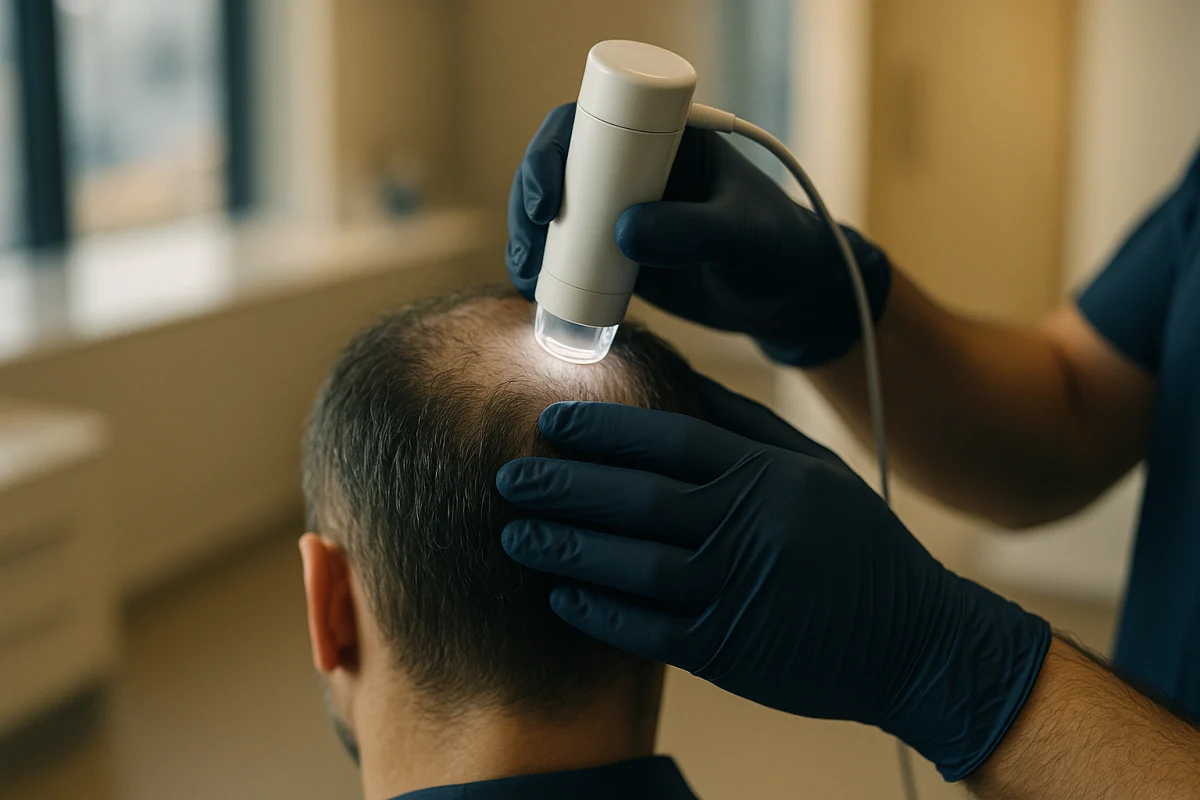
High-quality scalp examination can help assess hair calibre, density, follicle distribution, and donor-area stability. At Acibadem Hair Transplant Center, our doctors review free online hair analyses for patients considering a procedure. As a dedicated hair restoration clinic in Istanbul licensed by the Turkish Ministry of Health, we use the assessment to discuss appropriate planning rather than making assumptions from a single photograph. Replies on WhatsApp are typically provided within around two hours.
A consultation is also the right time to discuss your expectations. Your doctor can explain whether Sapphire FUE or DHI may be considered, how donor resources influence design, and why a natural-looking hairline requires a cautious approach. Acibadem Hair Transplant Center provides all-inclusive packages that include VIP transfer, a 4-star hotel, a care kit, and 12 months of follow-up. Your final plan should always be based on medical suitability, not on supplement claims or a promise of a particular result.
08Frequently Asked Questions
Is pumpkin seed oil better than saw palmetto for hair loss?
There is not enough strong clinical evidence to say that pumpkin seed oil is better than saw palmetto for hair loss. Both are used as supplements because of possible hormonal pathway effects, but neither should be assumed to provide predictable DHT control or transplant preparation benefits. A doctor can help you review the evidence, possible interactions, and whether a clinically guided option is more suitable.
What side effects can pumpkin seed oil cause when used for hair growth?
Some people may experience nausea, stomach discomfort, loose stools, or other digestive symptoms, especially with concentrated supplements. Allergy is possible in people sensitive to pumpkin seeds, and supplements may interact with medicines or be unsuitable for certain health conditions. Speak with your doctor before using it, particularly if you are preparing for a procedure or taking regular medication.
How can I block DHT and regrow hair naturally?
There is no natural method proven to block DHT reliably and regrow hair in every person. A balanced diet, correction of confirmed nutritional deficiencies, good scalp care, and healthy lifestyle habits can support overall hair health, but genetic pattern hair loss often needs a medical assessment. Your doctor can identify the cause of loss and discuss evidence-based options appropriate for you.
What benefits may pumpkin seed oil have for men?
Pumpkin seed oil contains unsaturated fats and naturally occurring plant compounds, and it may be used as part of a balanced diet. Some men use it for general wellness or hair-related concerns, but its benefits for hair loss are not established enough to replace medical care. It is sensible to check with a clinician if you take medicines, have a medical condition, or plan to use a concentrated supplement.
Tento článok slúži len na všeobecné informačné účely a nenahrádza odbornú lekársku radu.
Tento sprievodca slúži na všeobecné informovanie a nenahrádza lekársku konzultáciu. O liečbe sa rozhoduje po osobnom alebo online posúdení lekárom.