V tomto článku8
- Prehľad
- How repeated hair pulling affects the follicles and scalp
- Hair growth for trichotillomania: what recovery can look like
- Managing trichotillomania before focusing on cosmetic restoration
- Serums, medicines and scalp care: what may and may not help
- When a hair transplant may be considered after trichotillomania
- Planning safe long-term restoration and follow-up
- Frequently Asked Questions
Hair can regrow after trichotillomania when repeated pulling stops and the hair follicles have not been permanently damaged. A hair transplant may be considered only after the urge to pull is well controlled, the scalp is healthy and a doctor confirms that the hair loss is stable.
- Hair often returns after pulling stops, but regrowth can take months and varies between individuals.
- Long-term or repeated pulling can sometimes cause scarring that reduces the chance of natural regrowth.
- Habit reversal therapy and mental health support are usually central parts of managing trichotillomania.
- Hair serums may support scalp and hair care in some cases, but they do not treat the urge to pull.
- Transplant eligibility requires stable behaviour, a healthy scalp and an individual medical assessment.
01Trichotillomania Hair Regrowth and Transplant Eligibility
Hair growth for trichotillomania is possible in many people, especially when hair pulling is stopped before the follicles become scarred. Trichotillomania is a condition in which a person feels repeated urges to pull out hair, commonly from the scalp, eyebrows or eyelashes. The visible hair loss can be distressing, but a bald or thin patch does not automatically mean the follicles are permanently lost. The first priority is usually to understand the pattern of pulling, protect the scalp and seek appropriate support for the underlying urges.
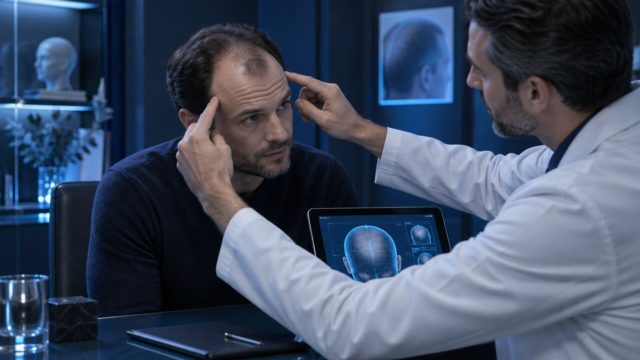
Natural regrowth depends mainly on how long the hairs have been pulled, how often the same area has been affected and whether there is scarring in the skin. In a recently affected area, follicles may remain intact but temporarily unable to produce normal visible hair. Fine new hairs may appear first, followed by stronger and darker hairs over time. Regrowth is not always even, and patches may recover at different speeds. A dermatologist can examine the scalp and help distinguish potentially reversible pulling-related loss from scarring or another hair-loss condition.
A hair transplant is not usually the first step for active trichotillomania. Transplanted hairs can also be pulled if the urge remains difficult to manage, which may affect both the result and the scalp. In most patients, surgeons consider transplantation only after there has been a sustained period without pulling, the affected area has been stable and mental health support is in place where needed. Your doctor will confirm whether a transplant assessment is appropriate after examining the donor area, the recipient scalp and your overall hair-loss history.
02How repeated hair pulling affects the follicles and scalp
Each hair grows from a follicle below the surface of the skin. Pulling a hair out can disturb that follicle, but one isolated episode does not usually destroy it. The concern is repeated traction on the same follicles over many months or years. Frequent pulling can cause inflammation, breakage, irritation and changes to the normal growth cycle. Some hairs may remain in a resting phase for longer, making the area look sparse even after the person has begun to reduce pulling.
At first, the scalp may look relatively smooth with short broken hairs, hairs of different lengths or empty-looking areas. These features can suggest that follicles may still be present. Over time, however, ongoing trauma can lead to fibrosis, which is a form of scar tissue around or within the follicular area. When scarring develops, follicles may no longer produce hair normally. The skin can also become shiny, thin, firm or uneven in texture. These signs need clinical evaluation because they may change the treatment plan.
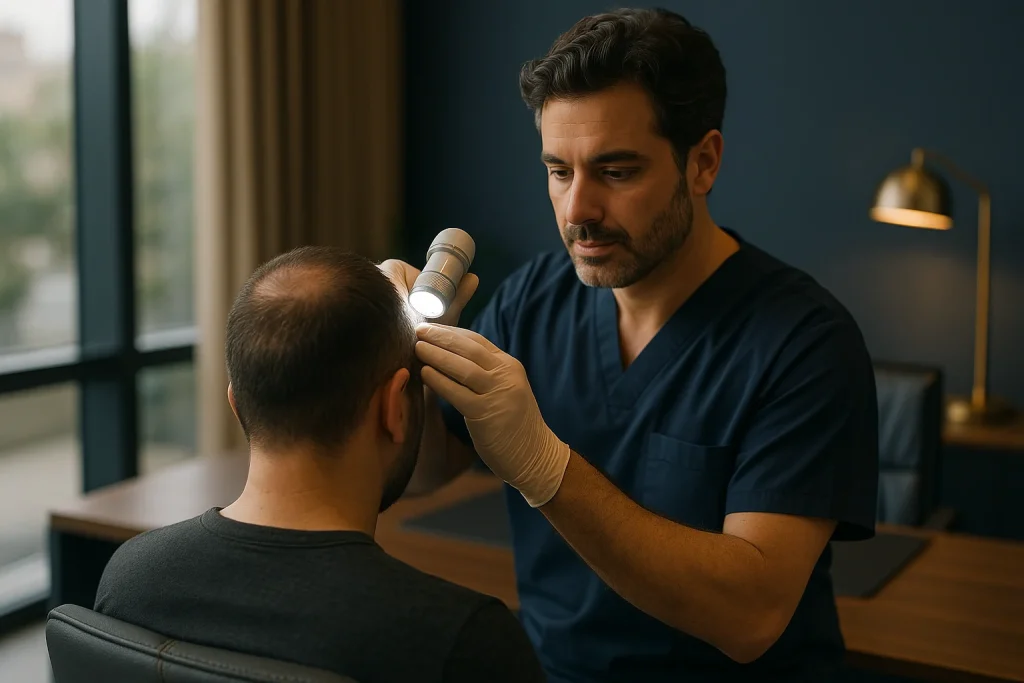
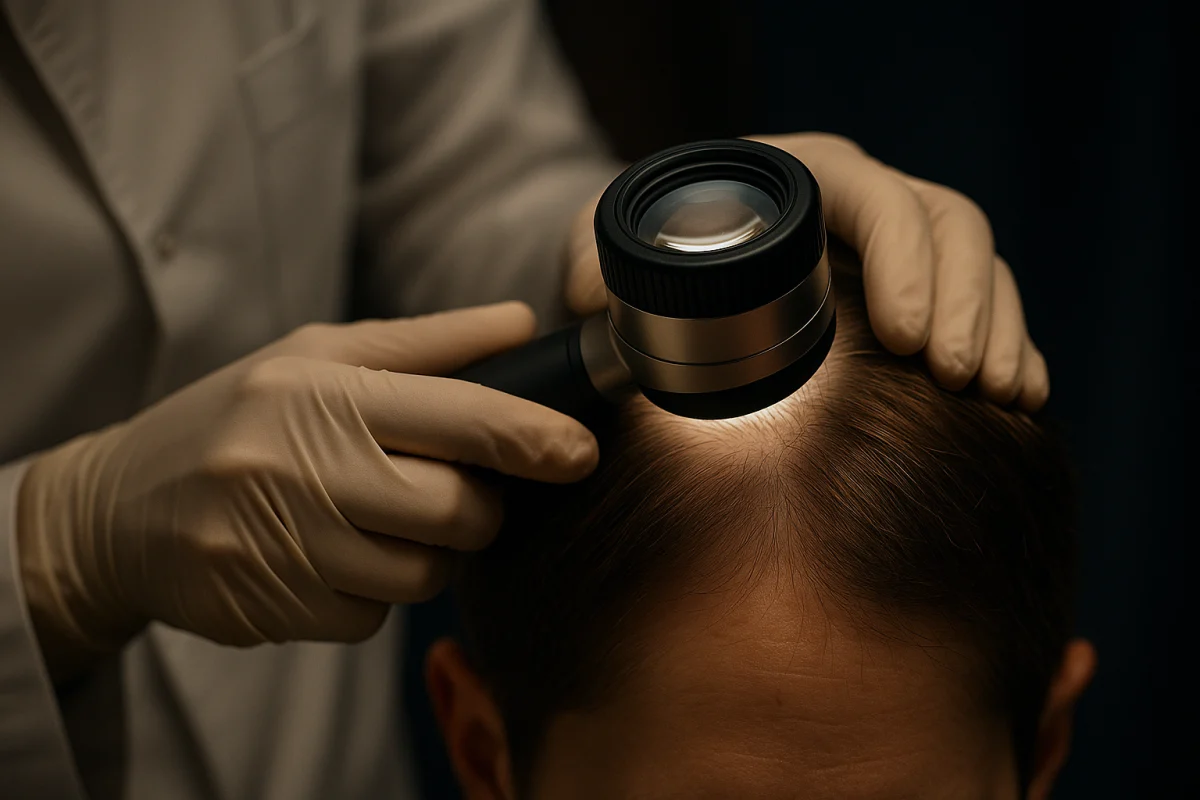
Trichoscopy is a close examination of the scalp and hair using magnification. It can help a clinician identify broken hairs, new growth, inflammation and signs that follicles may be reduced. In some situations, a dermatologist may suggest further tests or, less commonly, a scalp biopsy to clarify whether scarring is present. This is important because trichotillomania can exist alongside conditions such as pattern hair loss, alopecia areata or scalp inflammation. Treating only one cause may not fully address the visible thinning.
03Hair growth for trichotillomania: what recovery can look like
Hair growth for trichotillomania commonly begins with soft, fine hairs in areas where pulling has stopped. This early growth may be difficult to see and can look lighter or less dense than surrounding hair. Over several hair-growth cycles, some follicles may produce thicker hairs again. The timing varies widely. Hair growth itself is gradual, and the appearance of density can take longer because many hairs must grow enough length to cover the scalp or blend with existing hair.
It is normal for the recovering area to look uneven at first. Short regrowing hairs may stand up, curl differently or be more noticeable against longer surrounding hair. Gentle styling choices, avoiding tight hairstyles and limiting heat or chemical damage may make the area easier to manage while it recovers. However, cosmetic steps should not create pressure to hide every patch immediately. For many people, reducing shame and building a practical plan for urges are important parts of recovery as well.
There is no fixed timeline that applies to every patient. Recovery may be slower where pulling has continued for a long time, where the scalp has been inflamed or where another type of hair loss is also present. A doctor may take photographs or use trichoscopy at follow-up visits to compare changes over time. This approach can provide a clearer picture than judging progress day by day, when small natural changes may be difficult to notice.
04Managing trichotillomania before focusing on cosmetic restoration
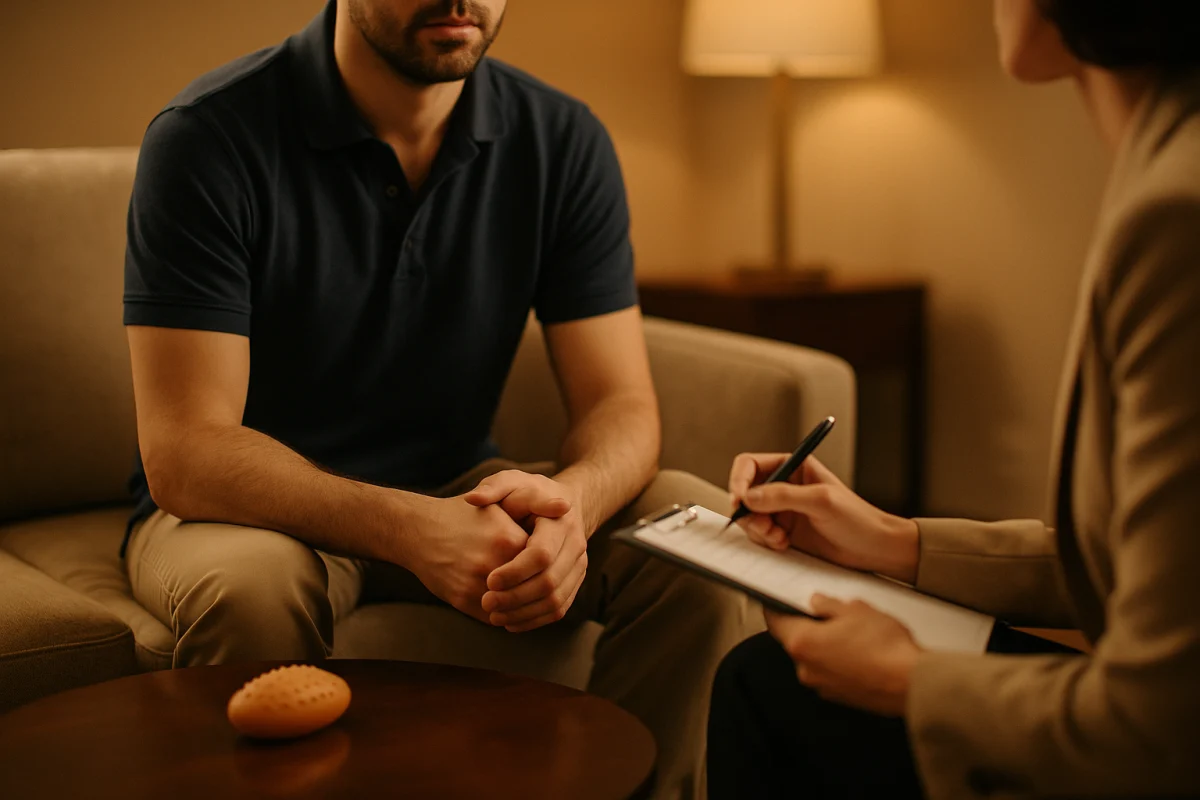
Trichotillomania is generally understood as a body-focused repetitive behaviour and is included within obsessive-compulsive and related disorders in diagnostic systems. It is not simply a matter of willpower or poor self-control. Pulling may happen during stress, boredom, concentration, fatigue or emotional discomfort, and some people pull automatically without fully noticing it. A compassionate assessment can help identify patterns, triggers and situations where extra support may be useful.
Habit reversal therapy is often used to help people notice the urge, recognise the situations that lead to pulling and practise a different response. Cognitive behavioural approaches may also be recommended. Depending on the individual situation, a qualified mental health professional may address anxiety, low mood, obsessive thoughts, trauma-related symptoms or other concerns that can affect wellbeing. Medication is sometimes considered by the treating clinician, but it is not a universal solution for trichotillomania.
Practical strategies may include keeping the hands occupied during known trigger times, changing the environment where pulling happens, using reminders and involving a trusted support person if desired. These methods work best when they are tailored by a qualified professional rather than treated as a quick fix. If there is skin damage, bleeding, pain, infection signs or ingestion of pulled hair, prompt medical assessment is important. Addressing active pulling before cosmetic restoration helps protect any natural regrowth and any future surgical result.
05Serums, medicines and scalp care: what may and may not help
People often ask whether a serum can make hair return after trichotillomania. A topical hair product may support the scalp or encourage growth in selected cases, but it cannot remove the urge to pull. It also cannot reliably restore follicles that have been permanently scarred. A dermatologist can advise whether a medically appropriate topical treatment is worth considering after examining the scalp, particularly when there may be another type of hair loss in addition to pulling.
Some topical treatments can cause irritation, redness, scaling or unwanted hair growth outside the intended area. They may also be unsuitable during pregnancy, breastfeeding or for people with certain medical histories. For this reason, it is best not to start treatment based only on online recommendations. A clinician can review the cause of the hair loss, any medicines already being used and the condition of the scalp before suggesting a suitable option.
Basic scalp care can still be helpful during recovery. This may include gentle cleansing, avoiding scratching and reducing chemical or traction stress on fragile regrowing hairs. If the scalp is sore, crusted or inflamed, it should be assessed rather than covered with multiple new products. Hair growth for trichotillomania is more likely to be supported by a calm, healthy scalp and effective management of pulling behaviour than by a serum alone.
06When a hair transplant may be considered after trichotillomania
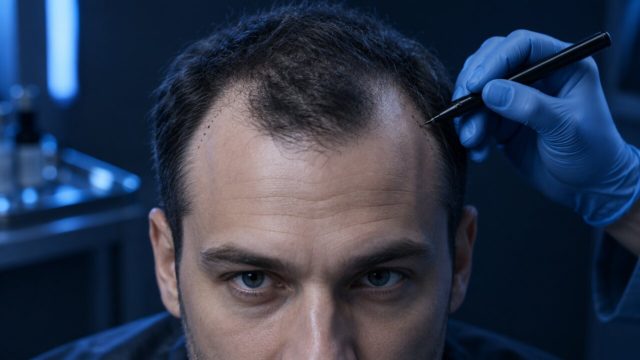
A hair transplant may be an option for selected people with stable, permanent hair loss from past trichotillomania. It is a surgical procedure that moves follicles from a donor area, often at the back or sides of the scalp, into an area of thinning or baldness. The procedure does not treat trichotillomania itself. Its purpose is cosmetic restoration where follicles are unlikely to recover naturally and where the risk of renewed pulling has been carefully considered.
Before recommending surgery, a surgeon typically looks for several factors: no active pulling for a meaningful and sustained period, stable appearance of the hair-loss area, healthy recipient skin, realistic expectations and adequate donor hair. The assessment may also include discussion of current psychological support and how the patient plans to manage future urges. There is no single waiting period that suits everyone. The decision should be based on clinical stability rather than a calendar date alone.
At Acibadem Hair Transplant Center, a dedicated hair restoration clinic in Istanbul licensed by the Turkish Ministry of Health, doctors can review photographs through a free online hair analysis before advising on suitability. Sapphire FUE and DHI techniques are available, but technique selection depends on the scalp, donor supply and restoration goals. Needle-free anaesthesia is also available for appropriate patients. If surgery is not suitable at present, an honest assessment should explain why and what may need to improve before reconsideration.
07Planning safe long-term restoration and follow-up
For patients who become eligible for transplantation, planning should be conservative. A surgeon needs to preserve donor hair and consider how the result may look over time, not only immediately after healing. Scarred areas can have a different blood supply and skin texture from unaffected scalp, which may influence graft placement and expected density. In some cases, a patch test or a staged approach may be discussed. Your doctor will explain the expected limitations as well as potential benefits.
Follow-up matters after a transplant because early healing, hair shedding and new growth occur in stages. It also creates an opportunity to discuss whether pulling urges have returned and whether further support is needed. Acibadem Hair Transplant Center provides all-inclusive packages that include VIP transfer, a 4-star hotel, a care kit and 12 months of follow-up. The centre has treated patients from 38 countries over 12 years, and online enquiries reviewed by doctors generally receive a WhatsApp reply within approximately two hours.
At the centre, graft survival is measured trichoscopically at month 12, with a documented 98% rate under a written guarantee. This figure should not be interpreted as a promise that every individual will achieve the same cosmetic density or hairline appearance, especially in a scalp previously affected by pulling or scarring. Individual healing, donor characteristics, the stability of trichotillomania and aftercare all matter. A detailed consultation is the safest way to decide whether continued non-surgical care or a restoration plan is the right next step.
08Frequently Asked Questions
Can hair grow back after trichotillomania?
Yes, hair can regrow after trichotillomania when pulling stops and the follicles remain healthy. Regrowth may take months and can be uneven at first. Long-term repeated pulling may cause scarring in some areas, so a dermatologist can assess the likelihood of natural recovery.
Is trichotillomania a form of ADHD or autism?
Trichotillomania is not the same condition as ADHD or autism. It is usually classified as an obsessive-compulsive and related disorder or body-focused repetitive behaviour. Some people may have trichotillomania alongside ADHD or autism, but a qualified clinician should assess each condition separately.
Is there a hair growth serum that helps with trichotillomania?
No serum directly treats the urge to pull hair, which is the central feature of trichotillomania. A dermatologist may sometimes recommend a topical treatment if the scalp examination suggests it could support growth or if another hair-loss condition is present. Do not rely on a serum alone when pulling is active.
Can trichotillomania qualify for disability support?
Eligibility for disability benefits or support depends on the country, local rules and how significantly the condition affects daily functioning, work, education and wellbeing. A diagnosis alone may not be enough. A treating mental health professional, doctor or local benefits adviser can explain the documentation and assessment process in your location.
Tento článok slúži len na všeobecné informačné účely a nenahrádza odbornú lekársku radu.
Tento sprievodca slúži na všeobecné informovanie a nenahrádza lekársku konzultáciu. O liečbe sa rozhoduje po osobnom alebo online posúdení lekárom.