
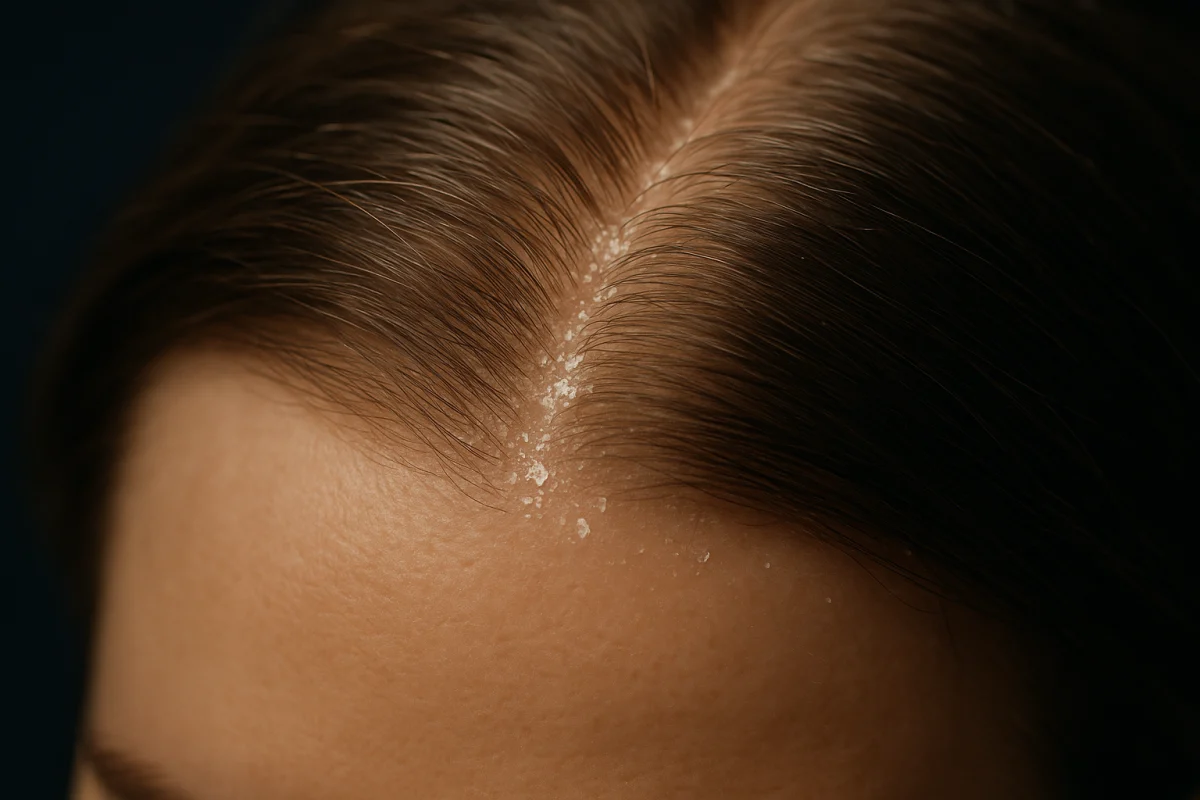
White scabs on scalp before a hair transplant should be assessed before surgery, as they can be linked to irritation, inflammation, infection, or a skin condition. Do not pick or forcefully remove them; send clear photos through a doctor-reviewed online hair analysis so the treatment team can confirm whether your scalp is ready.
- White or crusty scalp scabs can result from dryness, dermatitis, scratching, follicle inflammation, infection, or other skin conditions.
- An active scalp problem may need treatment and healing before hair transplant surgery can be planned safely.
- Picking scabs can injure the skin, increase irritation, and raise the risk of infection or scarring.
- Gentle cleansing and medical assessment are usually safer than using harsh exfoliants or home remedies.
- A pre-operative scalp review helps your doctor decide whether Sapphire FUE or DHI surgery should proceed or be postponed.
01Why White Scabs on Scalp Matter Before Hair Transplant Surgery
White scabs on scalp can be important to investigate before hair transplant surgery because a healthy recipient area and donor area support safe planning and healing. A scab is usually a protective layer that forms when the scalp skin has been irritated, scratched, inflamed, or injured. Its pale, white, cream, or yellowish appearance can come from dried skin cells, sebum, shampoo residue, dried wound fluid, or scale from an underlying scalp condition. Although some flakes are harmless, persistent crusting should not be ignored before a procedure.
Hair transplantation involves making small openings in the scalp and placing grafts carefully into the recipient area. If the scalp has active inflammation, open areas, pustules, marked scaling, or a suspected infection, surgery may need to be delayed. This is not a failure or a reason to panic. It is a sensible safety step that gives the skin time to recover and allows the medical team to reduce avoidable risks, such as discomfort, poor wound healing, or spread of inflammation.
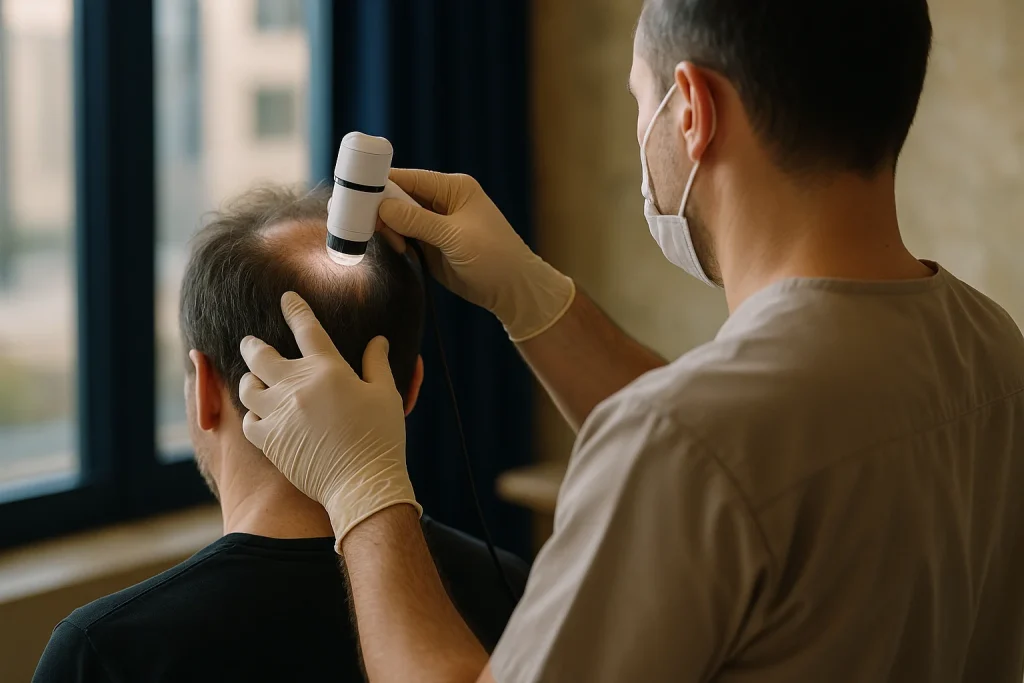
Before any procedure, your doctor should examine the scalp and ask about symptoms such as itching, soreness, burning, flaking, bleeding, hair shedding, and recent use of hair products or treatments. Clear photographs can help with an initial remote review, but an in-person assessment may be needed when the cause is uncertain. At Acibadem Hair Transplant Center, patients can start with a free online hair analysis reviewed by doctors, with WhatsApp replies typically available within around two hours.
It is also useful to remember that a white crust is a description, not a diagnosis. The same appearance can occur with simple dry skin or with a condition that needs medical treatment. The goal before a transplant is not to remove every visible flake immediately. The goal is to identify whether the skin barrier is stable, whether there is an active disease process, and whether the scalp is suitable for surgery on the planned date.
02What a White Scab May Indicate
A white scab may indicate that the scalp is healing after minor scratching, a small spot, or irritation from a product. When skin is dry or inflamed, loose cells can collect with natural scalp oils and form a crust. This may look white at first and become more yellow or darker if there is dried fluid or a small amount of blood underneath. Mild itching may occur, but severe pain, swelling, discharge, or spreading redness need medical attention.
Seborrhoeic dermatitis is one common cause of scale and crusting on the scalp. It may cause white or yellow flakes, itchiness, redness, and oily areas around the hairline, eyebrows, nose, or ears. The symptoms can come and go. A doctor may recommend a suitable treatment plan before surgery, especially if the scalp is actively inflamed. Using a treatment only briefly before the procedure may not be enough; your doctor will confirm when the scalp is stable.
Contact dermatitis can also create crusty patches. This is a reaction to something touching the skin, such as hair dye, fragranced products, styling sprays, oils, adhesives, or an ingredient in a new shampoo. In some patients, the scalp becomes itchy, red, tender, or weepy before a scab develops. Stopping a suspected trigger may help, but it is important not to test multiple new products at the same time when you are preparing for surgery.
Other possibilities include psoriasis, folliculitis, fungal infection, eczema, insect bites, or repeated scratching caused by stress or itch. These conditions can look similar in photographs, so self-diagnosis is unreliable. If a white scab is thick, recurring, painful, associated with hair loss in patches, or accompanied by pustules, a clinical review is particularly important before any hair restoration procedure.
03Conditions That Can Cause Scabs and Crusting on the Scalp
Several scalp conditions can cause scabs, but their appearance and symptoms vary. Seborrhoeic dermatitis often produces diffuse flaking with oily or dry scale. Scalp psoriasis may create more defined, thicker plaques with silvery-white scale, sometimes extending beyond the hairline. Eczema can make the skin dry, itchy, cracked, and more vulnerable to scabbing after scratching. These conditions are not contagious, but they may require control before elective surgery.
Folliculitis is inflammation around individual hair follicles. It can be triggered by bacteria, yeast, friction, shaving, sweat, or occlusive products. Small red bumps, tender spots, white-headed pimples, or crusted lesions may appear. A hair transplant should not be performed through active folliculitis or unexplained pustules. Your doctor may need to identify the cause and confirm that treatment has worked before rescheduling or approving surgery.
Fungal scalp infections can cause scaling, broken hairs, tenderness, and sometimes patchy hair loss. In children, they are more common, but adults can also be affected. Because some fungal infections can spread through close contact or shared personal items, they need professional diagnosis and appropriate prescription treatment. Over-the-counter oils, scrubs, or cosmetic masks are unlikely to treat a true infection and may further irritate the skin.
Scabies, head lice, shingles, autoimmune blistering conditions, and certain bacterial skin infections may also lead to scratching or crust formation, although these are less common explanations for a single white scab. A long-lasting sore that bleeds easily, changes in appearance, or does not heal should be assessed by a dermatologist. It is important not to assume that every scalp lesion is related only to dandruff or hair loss.
04How to Handle White Scabs on Scalp Safely Before Your Appointment
If you notice white scabs on scalp while considering a transplant, begin with gentle care rather than aggressive removal. Wash your hair with lukewarm water and a mild shampoo that you already know your scalp tolerates. Use your fingertips softly rather than your nails, and rinse thoroughly. Pat the scalp dry with a clean towel instead of rubbing it. These simple steps can reduce additional irritation while you arrange professional guidance.
Avoid scratching, scraping with a comb, using a peeling tool, or applying strong acids, undiluted essential oils, alcohol-based tonics, or unknown home mixtures. These methods can disrupt the scalp barrier and make mild scale look worse. They can also cause an allergic reaction shortly before surgery, making it more difficult for your doctor to understand the original cause of the problem. If you are using prescribed scalp medication, do not stop or change it without advice from the clinician who prescribed it.
Take clear, well-lit photographs of the affected area before washing and again after gentle cleansing if possible. Include a wider view of the scalp and close images of the crusts, without applying filters. Note when the issue started, whether it itches or hurts, whether there is flaking elsewhere, and any recent changes in hair dye, shampoo, medication, or styling products. This information can make an online assessment more useful.
Contact a healthcare professional promptly if there is fever, rapidly spreading redness, warmth, swelling, pus, significant pain, swollen lymph nodes, or sudden patchy hair loss. These signs may suggest infection or another condition that should be treated without delay. For transplant planning, the medical team will usually prefer to see the scalp calm, intact, and free from active signs of disease before moving ahead.
05Why Picking Scabs Can Affect Scalp Healing
Picking a scab may feel tempting because it can briefly reduce a tight or itchy sensation, but it can reopen the skin underneath. This may cause bleeding, soreness, and a new scab that is thicker or more noticeable than the first one. Repeated picking can also introduce bacteria from the fingers and nails, increasing the chance of local infection. For these reasons, clinicians generally advise leaving scabs to loosen naturally unless a doctor gives different instructions.
In some people, ongoing picking becomes a habit during periods of stress, boredom, or anxiety. The scalp may develop small wounds in several areas, and hair can break or shed where the skin is repeatedly traumatized. This does not mean the person has done permanent damage, but it is important to address the behavior before surgery. A transplant recipient needs to be able to follow careful aftercare instructions and avoid touching newly placed grafts during the early healing period.
If itching is driving the urge to pick, the best next step is to identify the reason for the itch. Dryness, dandruff, dermatitis, an allergy, or infection can each require a different approach. Covering the area with heavy cosmetic products or repeatedly changing shampoos may mask the issue rather than resolve it. A doctor can recommend an approach based on the visible findings and your medical history.
This same principle applies after a hair transplant. Small crusts normally develop around transplanted grafts as part of early healing, but the clinic will provide a specific washing schedule to soften and remove them safely. Patients should never use their fingernails to remove post-operative crusts. Following the clinic’s instructions helps protect grafts while the scalp heals.
06When Surgery May Need to Be Postponed
A hair transplant may be postponed when there is active infection, significant inflammation, open skin, heavy crusting, uncontrolled psoriasis or dermatitis, or an unclear scalp lesion. The decision is made to protect your health and to support an appropriate surgical environment. It may also prevent confusion between symptoms that were present before surgery and normal changes that can occur during post-operative healing.
Temporary postponement is often straightforward. Once the cause has been assessed and the scalp has recovered, the team can review your case again. The waiting period depends on the diagnosis, the treatment used, the extent of the affected area, and the condition of both donor and recipient zones. Your doctor will confirm the appropriate timing rather than relying on a fixed number of days for every patient.
People sometimes worry that treating scalp inflammation will affect their hair transplant eligibility. In most patients, a controlled and stable scalp condition does not automatically prevent hair restoration. What matters is whether the skin is healthy enough at the time of surgery and whether any underlying hair loss pattern has been evaluated properly. Long-term planning may also be important for patients with recurring conditions.
Acibadem Hair Transplant Center is a dedicated hair restoration clinic in Istanbul, licensed by the Turkish Ministry of Health. Planning for Sapphire FUE or DHI begins with assessment rather than a promise of immediate surgery. Patients from 38 countries have visited over 12 years, and the clinical team can use the pre-operative review to discuss scalp readiness, donor availability, technique options, and realistic next steps.
07Preparing a Calm, Clean Scalp for Sapphire FUE or DHI
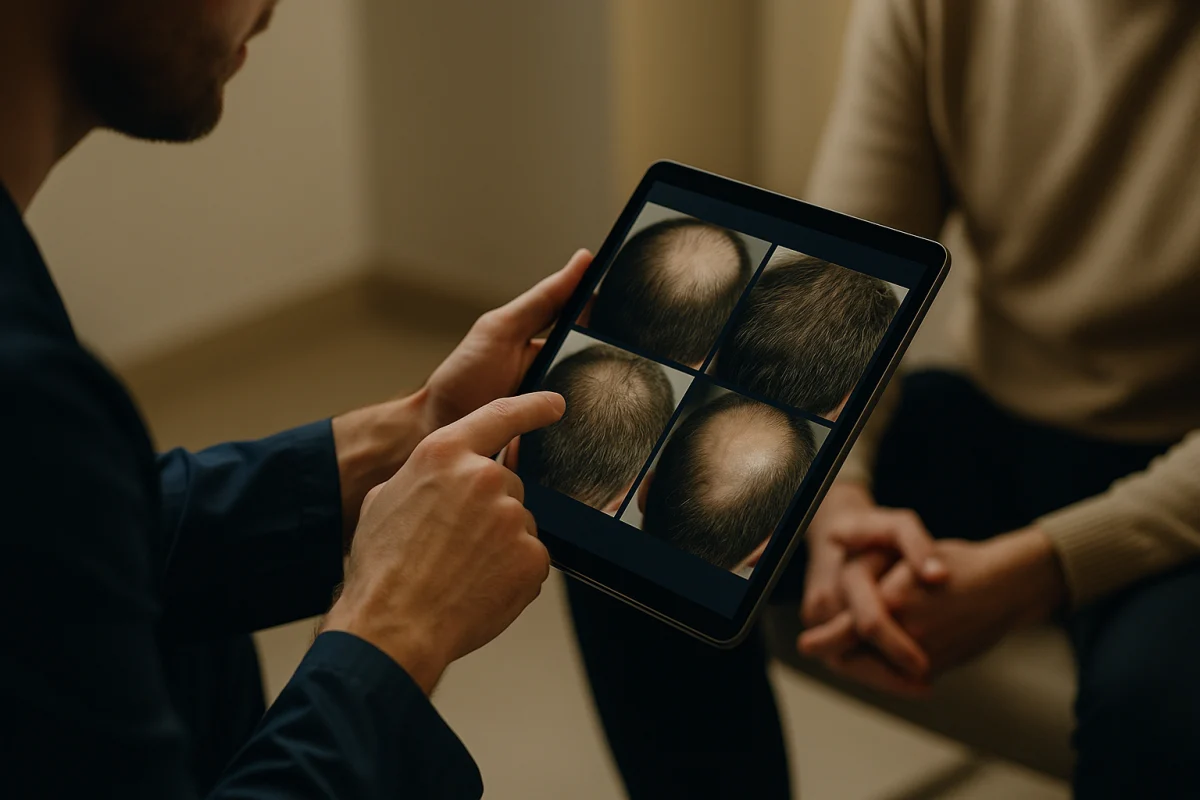
Once a doctor confirms that the crusting has been addressed, pre-operative scalp preparation is usually simple. Continue using only products that the medical team or your own clinician has approved. Keep the scalp clean, avoid sunburn, and do not schedule hair colouring, chemical straightening, or harsh exfoliation close to the procedure unless you have been specifically advised that it is safe. A stable routine is generally better than experimenting with new products.
Tell the hair transplant team about all medicines, supplements, topical treatments, allergies, and previous scalp diagnoses. Even seemingly minor details can matter, including medicated shampoos, steroid lotions, anti-fungal products, acne treatments, and hair fibres. Do not discontinue prescribed medicines by yourself. Your doctor or prescribing clinician can advise whether any adjustment is necessary before surgery.
Some patients find that anxiety about the procedure makes them focus more on normal scalp sensations or touch their hair frequently. Preparing questions in advance, following the pre-operative instructions, and discussing comfort options can help. Needle-free anaesthesia is available at Acibadem Hair Transplant Center for appropriate patients, but the team will explain whether it is suitable for your case and what to expect on the day.
A thorough plan should also include aftercare arrangements. All-inclusive packages at the center can include VIP transfer, a 4-star hotel, a care kit, and 12 months of follow-up. At month 12, graft survival is measured trichoscopically, with a documented 98% rate under written guarantee. Individual healing and visible cosmetic results can still vary, so your team will explain the follow-up process and expected recovery carefully.
08What to Share During Your Online Scalp Assessment
An online assessment is a practical first step if you live outside Istanbul or are still deciding whether to travel. Share recent photographs taken in daylight, with the hair parted around the affected area. Include the front hairline, top, crown, sides, and donor area when requested. If the scab is present only in one location, show both a close view and a wider image that helps the doctor understand its position on the scalp.
Describe the texture and timeline as clearly as you can. For example, explain whether the area is dry and flaky, thick and firmly attached, oily, painful, itchy, bleeding, or producing fluid. Mention whether the scab appeared after a scratch, hair colouring session, sun exposure, illness, or a change in product. This context can help the doctor decide if a simple scalp-care adjustment may be enough or if a dermatologist review is more appropriate.
It is also helpful to state whether you have received a diagnosis such as psoriasis, eczema, seborrhoeic dermatitis, or folliculitis in the past. Include details of previous treatments and whether they helped. If you have used medication recently, provide its name or a photograph of the packaging when appropriate. Accurate information supports safer planning and prevents unsuitable product recommendations before surgery.
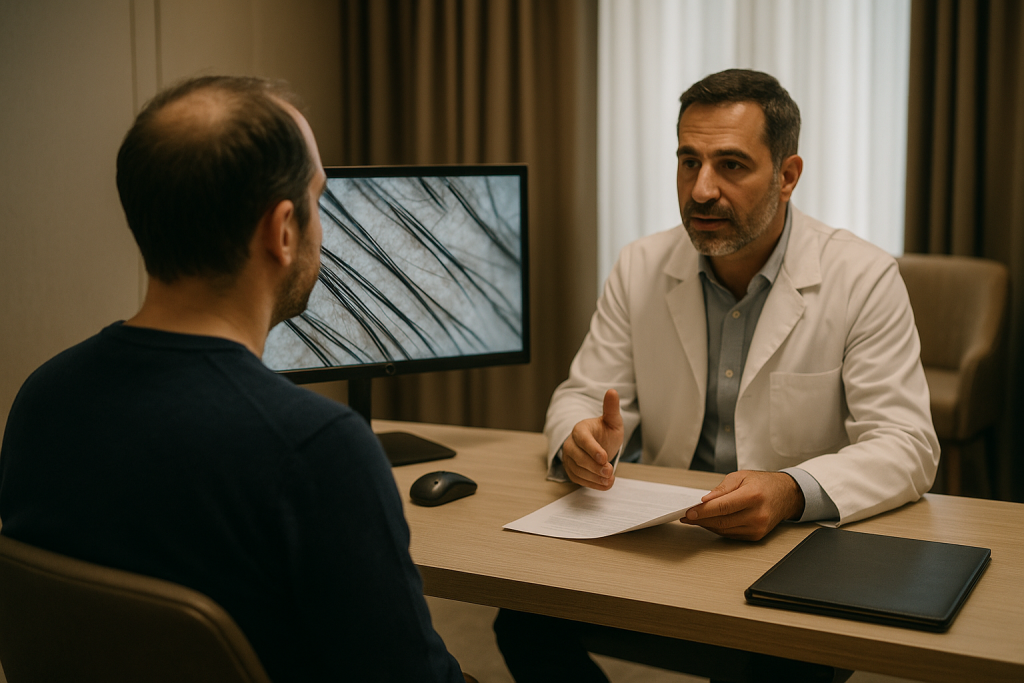
The online review cannot replace urgent medical care or diagnose every lesion from a photograph. However, it can help determine whether you may be a suitable candidate for the next stage of hair transplant planning. If the doctor sees a possible active scalp condition, you may be advised to seek local medical evaluation first and return once the scalp is stable. This careful approach puts scalp health before scheduling.
09Frequently Asked Questions
Should I remove or pick scalp scabs myself?
It is usually best not to pick scalp scabs. Picking can reopen the skin, cause bleeding, increase irritation, and introduce bacteria. Gentle washing may help loose scale soften, but persistent, painful, or crusted areas should be reviewed by a healthcare professional before hair transplant surgery.
What can a white scab on the scalp mean?
A white scab can be dried skin cells, oil, shampoo residue, dried wound fluid, or scale related to a skin condition. Possible causes include dryness, seborrhoeic dermatitis, eczema, psoriasis, folliculitis, contact dermatitis, or infection. A doctor should assess it if it is recurrent, painful, spreading, or associated with redness, pus, or patchy hair loss.
How can I safely reduce crusty scabs on my scalp?
Use gentle cleansing with lukewarm water and a mild shampoo that your scalp already tolerates, then avoid rubbing or scratching. Do not use harsh scrubs, peeling tools, or unapproved home remedies, as these can worsen inflammation. The right treatment depends on the cause, so a clinician can advise you if the crusting continues.
Which medical conditions may cause scabs on the scalp?
Scabs can occur with seborrhoeic dermatitis, psoriasis, eczema, contact dermatitis, folliculitis, fungal infection, bacterial infection, head lice, and other causes of itching or skin injury. Not every scab indicates a serious condition, but active inflammation or infection should be managed before elective hair transplant surgery. Your doctor can determine whether further dermatology assessment is needed.
Tento článok slúži len na všeobecné informačné účely a nenahrádza odbornú lekársku radu.
 06
06 12
12