
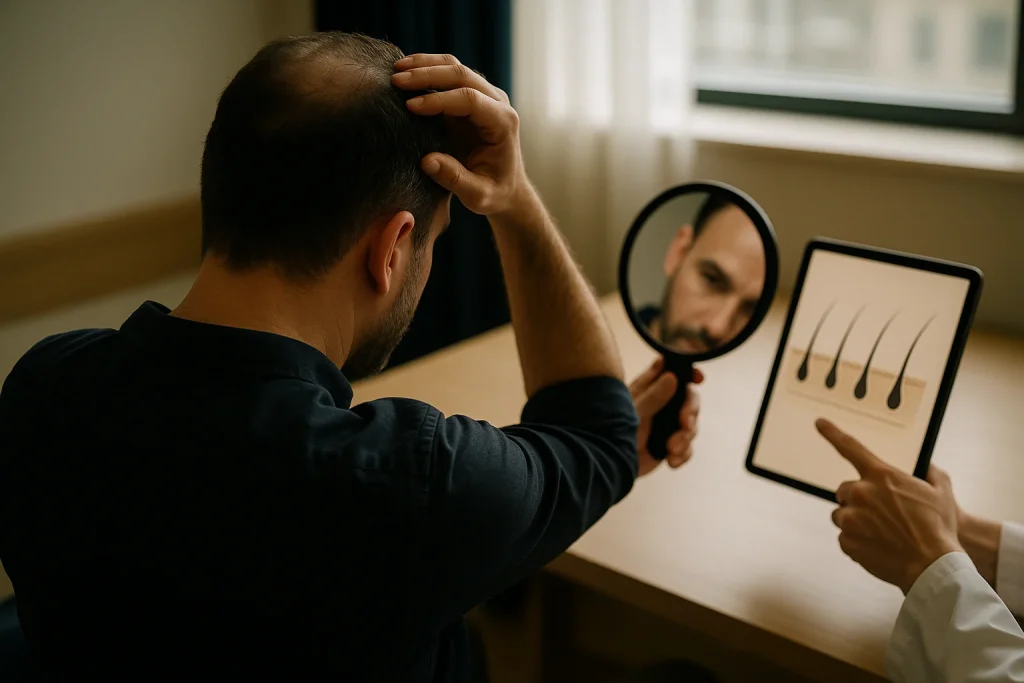
Ashwagandha hair loss is not a well-established direct effect, but some people notice shedding after starting a supplement. Hair loss may be related to the underlying condition, stress changes, hormones, nutrition, another medicine, or timing rather than ashwagandha itself. Before a hair transplant, tell your doctor about every supplement and medicine you use so your plan can be reviewed safely.
- Ashwagandha is not proven to directly cause hair loss, but new shedding should be medically assessed.
- Hair shedding can have many causes, including genetic pattern loss, stress, thyroid conditions, illness, nutritional deficiency, and scalp disease.
- Do not assume a supplement is safe for transplant preparation simply because it is sold without a prescription.
- A hair transplant treats suitable stable areas of pattern hair loss but does not correct every cause of thinning.
- A doctor-led diagnosis and a clear medication and supplement history are important before planning surgery.
01Understanding ashwagandha hair loss concerns
Ashwagandha hair loss is a common online search because people may begin taking this herbal supplement for stress, sleep, energy, or general wellbeing and later notice more hairs in the shower or brush. At present, there is not strong clinical evidence showing that ashwagandha directly causes hair loss in most people. However, a change in shedding after starting any supplement deserves attention, especially when the shedding is persistent, sudden, or accompanied by scalp symptoms or changes in general health.
Hair growth follows a slow cycle. A trigger that affects follicles may become visible weeks or months later, which makes it difficult to identify one clear cause from timing alone. For example, emotional stress, fever, rapid weight change, restrictive dieting, iron deficiency, thyroid changes, recent illness, and certain medicines can all contribute to diffuse shedding. A person may connect the shedding to a newly started supplement when another trigger happened earlier.
It is also important to separate increased shedding from gradual genetic hair thinning. In androgenetic alopecia, the most common pattern hair loss condition, follicles progressively become smaller in genetically sensitive areas. Men may notice recession or crown thinning, while women may notice widening of the part or reduced density across the top of the scalp. These patterns can progress independently of whether someone takes ashwagandha.
02Why shedding may appear after starting a supplement
A supplement can be part of the story without being the only explanation. Some products contain several active ingredients, and label quality may vary between markets. An individual may also have an intolerance, an interaction with another medicine, or a response linked to changes in sleep, appetite, stress, or hormone-related health. For these reasons, it is useful to record when the supplement was started, the dose, other products used, and when the hair change first became noticeable.
Diffuse shedding, often called telogen effluvium, may occur when a larger number of hairs move into the resting phase of the cycle. It commonly presents as hairs coming out from all over the scalp rather than only at the temples or crown. In many cases, this type of shedding is temporary once the trigger is identified and resolved, but recovery can take time because hair cycles are gradual. A clinical examination is needed to distinguish this from other conditions.
Do not stop prescribed treatment or add several new supplements at once in an attempt to correct shedding. This can make the situation harder to assess and may create avoidable risks. If you think a non-prescription product is associated with symptoms, speak with a doctor or pharmacist, particularly if you are pregnant, breastfeeding, managing an endocrine condition, taking regular medication, or preparing for a procedure.
03Hormones, DHT, and genetic pattern thinning
Dihydrotestosterone, usually called DHT, is a hormone involved in androgenetic alopecia in people with genetically susceptible follicles. DHT can gradually shorten the growth phase and miniaturise follicles in characteristic scalp areas. This is a biological process influenced by family history, age, and hormone sensitivity. It is not the same as ordinary daily shedding, and it cannot be reliably diagnosed by looking at a few hairs that have fallen out.
There is no clear, consistent clinical evidence that ashwagandha increases DHT levels in a way that predictably causes hair loss. Research and marketing claims about herbal supplements may discuss stress hormones, wellbeing, or other body systems, but these findings should not be treated as proof of a direct DHT effect on scalp hair. Individual hormone concerns should be discussed with an appropriately qualified doctor, who may decide whether further assessment is necessary.
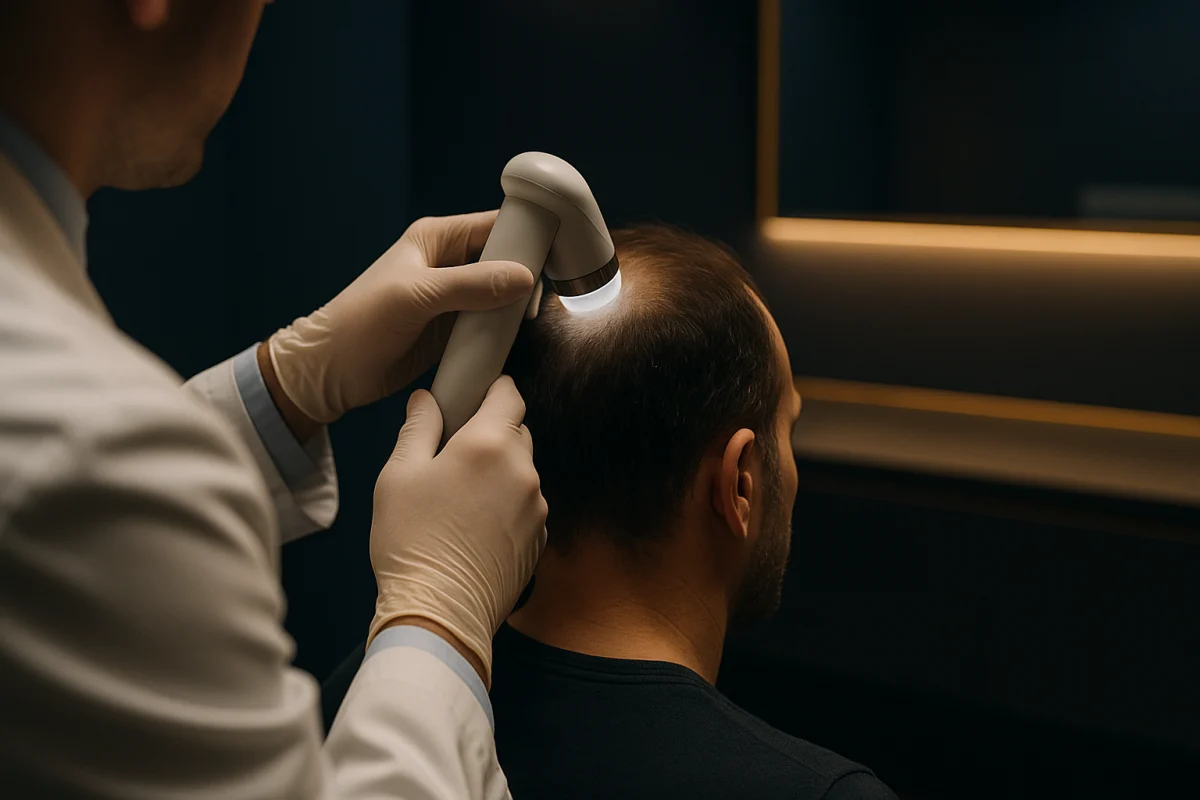
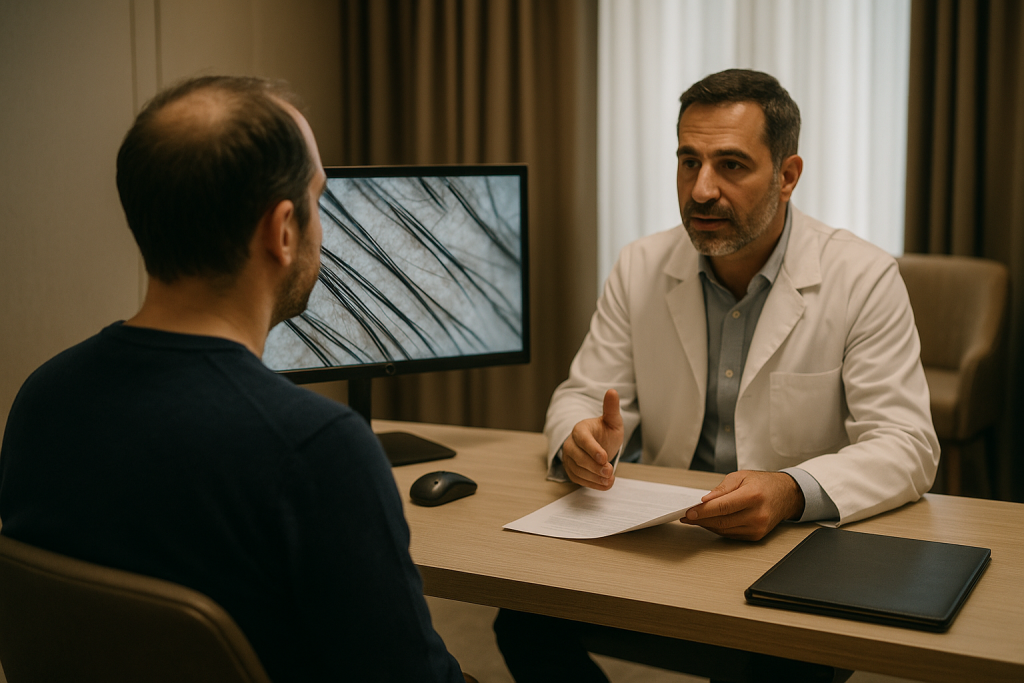
If thinning follows a recognisable pattern and progresses over time, a doctor may consider androgenetic alopecia alongside other possible causes. Assessment can include medical history, scalp examination, review of shedding pattern, and, when clinically appropriate, laboratory tests. Trichoscopic examination can help show differences in hair shaft diameter and follicle features. This evidence-based approach is more reliable than assuming a single supplement has caused permanent follicle damage.
04Ashwagandha hair loss and the importance of a diagnosis
When evaluating ashwagandha hair loss concerns, the first priority is to understand the type of hair change. Are you seeing sudden shedding, gradual thinning, broken hairs, patchy bald areas, itch, scale, redness, or pain? Each clue can point towards a different cause. Patchy loss, marked inflammation, scarring, or rapid hair loss should be assessed promptly because some scalp conditions need early medical management.
A full history matters because hair loss may reflect health changes beyond the scalp. Doctors commonly ask about recent infection, surgery, childbirth, stress, diet, menstrual changes, weight changes, family history, medicines, and supplements. They may also consider conditions affecting the thyroid, iron stores, vitamin status, or immune system when symptoms and examination findings support this. Testing is not identical for every patient and should be selected by a clinician.
Taking clear photographs under similar lighting every four to six weeks can help document whether density is changing. This is usually more useful than checking the hairline many times each day. Avoid tight styles, frequent chemical processing, aggressive brushing, and high heat if hair is fragile. Gentle hair care supports the existing hair shaft, although it does not replace diagnosis or treatment for a medical cause of hair loss.
05What to use for thinning hair: practical medical options
The best approach for thinning hair depends on the diagnosis, not on a single universal product. For confirmed androgenetic alopecia, doctors may discuss evidence-based topical or oral treatments where appropriate, potential side effects, and the need for ongoing use to maintain benefit. The right option differs according to factors such as sex, medical history, pregnancy plans, scalp condition, and the pattern and stability of loss. Your doctor will confirm which options are suitable.
If deficiency, illness, or a scalp disorder is contributing to the problem, treating the underlying cause is usually more important than taking an additional hair supplement. Protein intake, adequate calories, and a varied diet are relevant to healthy hair growth. However, high-dose vitamins or minerals are not automatically helpful. Some nutrients can be harmful in excess, and taking them without evidence of a need may delay proper assessment.
Low-level light devices, platelet-rich plasma, camouflage techniques, and other supportive approaches may be discussed in selected cases, but their role and evidence can vary. Be cautious with claims that a product will regrow all hair or permanently stop hair loss. A realistic treatment plan often focuses on slowing progression, improving visible density where possible, protecting existing hair, and reviewing results over time.
06Supplements, alopecia, and safe expectations
People with alopecia often ask which supplements can help. Supplements may be useful when a confirmed nutritional deficiency is affecting hair growth, such as low iron stores or another clinically identified deficiency. In that situation, a doctor can advise on the appropriate correction and follow-up. In people without deficiency, routine supplementation has limited evidence for reversing common genetic pattern hair loss or autoimmune forms of alopecia.
Biotin is frequently marketed for hair, but it is not a universal answer for thinning and can interfere with some laboratory test results. Iron, zinc, vitamin D, vitamin B12, and protein-related nutritional concerns should similarly be evaluated in context rather than self-treated at high doses. Herbal blends may contain multiple compounds and can interact with medicines. Always show the exact product label to the clinician reviewing your hair loss.
Alopecia is an umbrella term that includes several different conditions. Alopecia areata may cause smooth, round patches and has a different mechanism from androgenetic alopecia. Scarring alopecias may involve inflammation and require specialist assessment. This is why online recommendations cannot replace a diagnosis. The safest supplement strategy is targeted, medically reviewed, and connected to a clear reason for use.
07Preparing for a hair transplant while taking ashwagandha
A hair transplant may be considered for suitable candidates with stable pattern hair loss and sufficient donor hair. It redistributes healthy follicles from a donor area to thinning areas; it does not stop the underlying tendency for future hair loss. Before surgery, the medical team should assess your hair loss pattern, donor capacity, expectations, general health, and whether medical treatment may help preserve non-transplanted hair.
Tell the clinic about ashwagandha, all other supplements, over-the-counter products, prescribed medicines, allergies, and relevant medical conditions during your consultation. Do not decide independently which products to stop or continue before surgery. Herbal and nutritional products can have effects that matter around procedures, and the treating team can provide instructions based on your health information and the planned technique.
Acibadem Hair Transplant Center is a dedicated hair restoration clinic in Istanbul, licensed by the Turkish Ministry of Health. Our doctors review free online hair analyses and can discuss whether Sapphire FUE or DHI may be considered after assessment. A transplant plan should be based on medical suitability rather than anxiety caused by a recent shedding episode. For patients who proceed, follow-up is an important part of monitoring healing and longer-term growth.

08What to expect in the first 14 days after a hair transplant
The first two weeks after a hair transplant are mainly about protecting the newly placed grafts while the scalp heals. Your clinic will give you a personalised washing and aftercare schedule, which should take priority over general online advice. In most patients, mild swelling, tenderness, scabbing, or temporary redness can occur during this period. These changes should gradually improve, but your medical team should be contacted if symptoms are worsening or if you are concerned about healing.
It is usually important to avoid rubbing, scratching, picking scabs, or allowing direct pressure on the recipient area. Wear only the headwear approved by your clinic, and follow instructions about sleeping position, washing, exercise, sun exposure, and return to work. Even when the scalp looks better quickly, grafts are still in an early healing stage. Careful handling helps reduce avoidable trauma to the treated area.
Do not restart ashwagandha or any other supplement simply because the first days have passed. Ask the treating team when it is appropriate to resume each product, particularly if it was paused for procedure preparation. Keep a written list of what you restart and when. This can be helpful if you later notice scalp symptoms, shedding, digestive symptoms, or another health change.
09Hair transplant growth timeline: when shedding and new growth may appear
Visible transplant results develop slowly. During the early weeks, some transplanted hair shafts commonly shed. This can be worrying, but it does not necessarily mean that the transplanted follicles have been lost. The follicles remain beneath the skin and enter a resting phase before producing new hair. Your doctor can explain what is expected for your individual procedure and hair characteristics.
In many patients, the scalp may look relatively unchanged for a period after the initial shedding. Early new growth may begin gradually over the following months, often with fine hairs that become thicker over time. Growth can be uneven at first because follicles do not all follow exactly the same schedule. The crown area may also appear to mature more slowly than the frontal hairline in some patients.
A longer-term review is important because hair transplantation is not judged by the first weeks of healing. At Acibadem Hair Transplant Center, results are measured by trichoscopic graft survival at month 12, with a documented 98% rate under written guarantee. This measurement relates to graft survival and should not be understood as a promise of identical cosmetic density or appearance for every patient. Your final visible result depends on factors including donor hair, the treated area, hair characteristics, ongoing native-hair loss, and adherence to aftercare.
10Planning travel to Istanbul for transplant care
International patients should plan their visit around both the procedure and the early recovery period. Before travelling, provide the clinic with an accurate health history, current medicines, allergies, and photographs requested for the online assessment. It is helpful to bring medicines in their original packaging and keep a copy of your prescription or medical summary where relevant. Do not make changes to prescribed medicines for travel or surgery without advice from the clinician managing your care.
Choose loose, front-opening clothing for the procedure day and the days immediately after it. This can reduce the need to pull clothing over the scalp. Arrange travel documents, accommodation details, and a practical way to contact the clinic after you return home. Avoid scheduling a demanding holiday itinerary immediately after the procedure, as rest and following the aftercare plan should be the priority.
Acibadem Hair Transplant Center offers all-inclusive packages that include VIP transfer, a 4-star hotel, a care kit, and 12 months of follow-up. Patients can begin with a free online hair analysis reviewed by doctors; WhatsApp replies are usually provided within around two hours. This review can help clarify the next steps, but the final procedure plan and medical suitability are confirmed through the clinical assessment process.
11Frequently Asked Questions
Is it normal to notice hair falling out after taking ashwagandha?
A direct link between ashwagandha and hair loss is not well established. Because shedding can result from many causes and may appear after a delay, it is best to review the timing, other supplements or medicines, recent health events, and your hair-loss pattern with a doctor. Seek medical assessment sooner if loss is sudden, patchy, painful, or associated with scalp inflammation.
Can ashwagandha raise DHT levels?
There is no clear, consistent evidence that ashwagandha raises DHT in a predictable way that causes scalp hair loss. DHT-related hair thinning is mainly linked to genetic follicle sensitivity. If you are concerned about hormonal symptoms or progressive pattern thinning, a doctor can advise whether assessment is appropriate.
What can I use for thinning hair?
The appropriate treatment depends on the cause of thinning. A doctor may discuss clinically supported treatments for pattern hair loss, treatment of scalp disease or nutritional deficiency when present, and gentle hair-care measures. Avoid relying on one supplement or product before the diagnosis is clear.
Which supplements may support people with alopecia?
Supplements may help when testing or clinical assessment confirms a relevant deficiency, such as low iron stores or another nutritional issue. They are not proven to treat every type of alopecia, including genetic pattern loss, and high doses can be unsafe. Ask a doctor to review your symptoms, tests where needed, and the exact supplements you are considering.
Bu yazı yalnızca genel bilgilendirme amaçlıdır; profesyonel tıbbi tavsiyenin yerini tutmaz.
 06
06 12
12