Bu yazıda9
- Understanding Hair Restoration Through an Islamic Lens
- is it halal to get a hair transplant? Islamic Principles to Consider
- Why the Source of Donor Hair Matters
- Medical Suitability Is Part of Responsible Decision-Making
- Modesty, Privacy and Dignity During Treatment
- Medication, Topical Treatments and Non-Surgical Options
- Choosing an Ethical Hair Transplant Clinic in Istanbul
- Aftercare, Patience and Seeking Trusted Guidance
- Frequently Asked Questions
For many Muslims, a hair transplant using a person’s own healthy hair may be considered permissible when it aims to restore hair lost through baldness, illness or injury rather than deceive or cause harm. Islamic opinions can differ by personal circumstances and school of thought, so a qualified local scholar can help confirm the most suitable decision for you.
- Many Islamic scholars distinguish between restoring a normal appearance and changing the body purely for unnecessary beautification.
- Using your own donor hair is often viewed more favourably than using hair from another person or an uncertain source.
- Privacy, informed consent, modesty and avoidance of unnecessary harm are important practical considerations.
- A hair transplant is a medical procedure, so a doctor should assess donor supply, scalp health and suitability before treatment.
- A qualified Islamic scholar can provide guidance that reflects your personal situation and religious tradition.
01Understanding Hair Restoration Through an Islamic Lens
For patients asking is it halal to get a hair transplant, the central consideration is usually the purpose of the procedure and the method used. Hair loss can affect self-image, confidence and daily social life. In Islamic ethical discussions, restoring something that has been lost through male or female pattern hair loss, illness, burns, injury or a similar condition is often considered differently from making an unnecessary permanent change to an otherwise normal body feature.
Islamic guidance is based on the Qur’an, Sunnah and scholarly interpretation. There is no single short answer that covers every patient, technique and personal intention. Scholars may consider whether the treatment restores a previous appearance, whether it uses the patient’s own tissue, whether it involves deception, and whether the expected medical benefit outweighs possible risks. Your intention matters, but it is not the only factor.
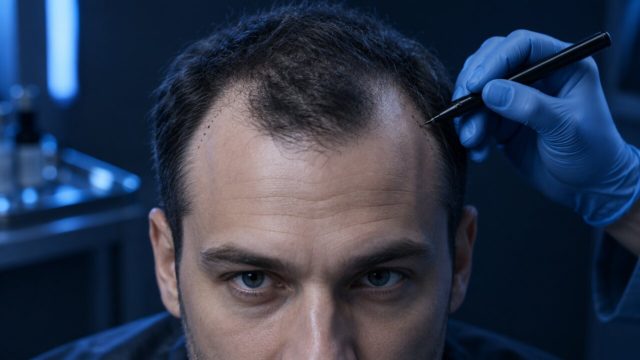
Hair transplantation is also a medical decision. It typically involves moving healthy follicular units from a donor area, often the back or sides of the scalp, to areas with thinning or hair loss. It does not create new hair follicles. A proper decision should therefore bring together reliable religious guidance and an honest medical assessment of your hair loss pattern, donor capacity, health history and expectations.
02is it halal to get a hair transplant? Islamic Principles to Consider
Many contemporary scholars regard autologous hair transplantation, meaning transplantation with the patient’s own hair, as potentially permissible when it is intended to correct a loss or visible defect. The reasoning commonly given is that this approach seeks restoration rather than the creation of a new identity or an attempt to mislead others. However, a personal religious ruling should come from a trusted scholar who understands your circumstances.
A frequently discussed principle is the difference between treatment and unnecessary alteration. For example, replacing hair that was naturally present before significant thinning may be viewed as corrective care. The line may be less clear when the goal is only to follow a passing cosmetic trend or to create a feature that is far removed from a person’s natural appearance. Scholars can differ in how they apply this principle, especially where distress or wellbeing is involved.
Another principle is avoiding harm. Every surgical procedure carries some level of risk, including temporary swelling, discomfort, infection, scarring, shock loss or a result that does not meet expectations. These risks are usually discussed during medical consultation. A clinic should explain them clearly, screen for factors that may affect safety, and avoid presenting hair restoration as a guaranteed or risk-free outcome.
03Why the Source of Donor Hair Matters
When considering is it halal to get a hair transplant, the source of the hair is especially important. In standard FUE and DHI procedures, follicles are taken from the patient’s own scalp and placed into thinning areas. Because the hair remains the patient’s own biological tissue, this is commonly easier to assess within Islamic discussions of restoration, bodily integrity and dignity.
Hair obtained from another person raises different ethical and religious questions. Human-to-human transplantation can involve concerns about ownership, consent, identity and the suitability of using another person’s body material for cosmetic purposes. Artificial hair fibres may also raise questions about ingredients, safety, long-term maintenance and potential complications. Patients who want faith-based certainty should ask exactly what material and method are proposed before consenting.
A responsible clinic should be transparent about the treatment plan. During a hair assessment, the medical team can explain whether your own donor area appears adequate and whether surgical treatment is medically realistic. If donor density is limited, it may be safer to discuss non-surgical support, a more conservative design or no procedure at all. Ethical care includes saying when a transplant may not be appropriate.
04Medical Suitability Is Part of Responsible Decision-Making
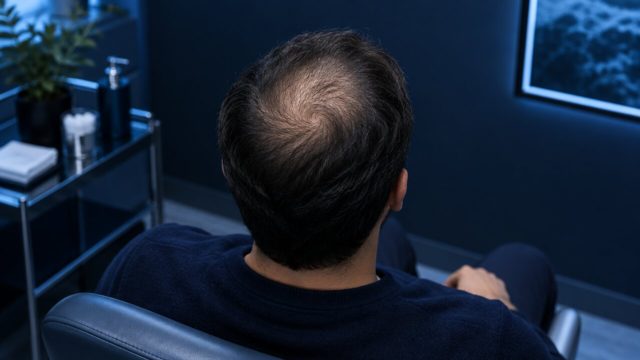
Hair transplantation is not automatically suitable for every type of hair loss. Pattern hair loss, traction-related loss, scarring conditions, autoimmune disorders and sudden shedding can have different causes and may need different approaches. A doctor will typically review the pattern and stability of loss, scalp condition, family history, medication use and general health before recommending surgery.
For some people, it is sensible to first identify whether hair shedding may be linked to a treatable health issue. Blood tests or specialist evaluation may be recommended in selected cases, although the need depends on the person’s symptoms and history. Surgery performed while hair loss is rapidly progressing may require careful planning, because existing hair around transplanted grafts can continue to thin over time.
Informed consent has both medical and ethical value. Patients should understand the likely number of sessions, the limitations of available donor hair, the recovery process and the possibility that future hair loss may change the overall appearance. A natural-looking result usually requires a conservative plan that protects donor reserves. It is reasonable to ask questions, review the proposed hairline and take time before deciding.
05Modesty, Privacy and Dignity During Treatment
For Muslim patients, modesty and privacy may be as important as the surgical technique itself. Hair transplantation is usually focused on the scalp, and patients can ask a clinic how examinations, photography, anaesthesia, surgery and follow-up appointments are organised. A respectful provider should protect personal information, explain who will be present and take reasonable steps to support patient comfort and dignity.
Preferences about the gender of clinical staff can vary from one patient to another. Availability depends on the clinic, the procedure and medical staffing needs, so it is best to ask before booking. Where same-gender care is preferred, patients can discuss their request in advance. In situations where this is not possible, people may wish to seek guidance from a scholar familiar with Islamic principles related to medical necessity and professional care.
At Acibadem Hair Transplant Center, a dedicated hair restoration clinic in Istanbul licensed by the Turkish Ministry of Health, patients can raise privacy and care preferences during the initial discussion. The clinic offers free online hair analysis reviewed by doctors, with WhatsApp replies typically available within around two hours. This allows international patients to understand the proposed process and ask practical questions before travel.
06Medication, Topical Treatments and Non-Surgical Options
Not every patient needs or wants surgery. Depending on the cause and stage of hair loss, doctors may discuss observation, scalp care, medical treatment or a combination of approaches. Non-surgical treatments may help some patients maintain existing hair, but their effect varies and they do not replace a full medical evaluation. A doctor should confirm whether a product is medically suitable for your situation.
The question is it halal to get a hair transplant is sometimes asked alongside questions about topical hair-loss medicines. From an Islamic perspective, a medicine is not usually judged in the same way as a cosmetic alteration, especially when it is used to manage a health-related concern. Still, patients may want to check the ingredients, method of use and possible risks, and may seek religious advice if they have concerns about a specific formulation.
Topical hair-loss medicines can cause side effects in some users, and they may not be appropriate during pregnancy, breastfeeding or with certain medical conditions. Oral medicines also require medical supervision. Do not start, stop or combine treatments based only on online information. A qualified doctor can explain the known benefits and limitations, while an Islamic scholar can help with questions about permissibility where needed.
07Choosing an Ethical Hair Transplant Clinic in Istanbul
Patients who decide that is it halal to get a hair transplant can be answered positively in their own circumstances should still choose the provider carefully. Look for a licensed medical setting, a doctor-led assessment, clear information about who performs each stage, realistic planning and transparent aftercare. Religious comfort does not remove the need for sound medical standards, proper consent and a safe clinical environment.
Acibadem Hair Transplant Center provides Sapphire FUE and DHI hair restoration techniques, with needle-free anaesthesia available for eligible patients. The centre has welcomed patients from 38 countries over 12 years. Treatment planning should always be individual, because the best technique depends on factors such as hair characteristics, donor area, scalp condition and the goals agreed with the doctor.
International patients may also value organised support around their treatment. The centre offers all-inclusive packages that include VIP transfer, a 4-star hotel, a care kit and 12 months of follow-up. Results are assessed through trichoscopic graft survival at month 12, with a documented 98% rate under the clinic’s written guarantee. This documented measure describes the clinic’s programme and does not mean that every individual result will be identical.
08Aftercare, Patience and Seeking Trusted Guidance
After a hair transplant, the scalp needs time to heal. Small crusts, temporary redness and shedding of transplanted hairs can occur during the early stages. New visible growth commonly develops gradually rather than immediately. Your clinic should provide written aftercare instructions about washing, sleeping position, activity, sun exposure and follow-up. Follow those instructions closely and contact the medical team if you have concerning symptoms.
Patience is important both medically and emotionally. Hair growth cycles differ, and final density or coverage may not be clear for many months. A careful clinic should describe the expected timeline without making unrealistic promises. It should also explain that preserved native hair may continue to change, which is why long-term planning and follow-up can matter, particularly for younger patients or those with progressive hair loss.
If you remain uncertain about the religious aspect, speak to a qualified scholar from your community and share the relevant medical facts: that the plan uses your own donor hair, the reason for treatment, the expected benefits and the possible risks. This is often more helpful than relying on broad statements online. A free online hair analysis can clarify the medical side, while trusted religious counsel can support peace of mind about the decision.
09Frequently Asked Questions
May a husband help his wife with private-area grooming in Islam?
Many scholars state that spouses may generally assist one another with intimate personal care within marriage, provided there is mutual consent, privacy, respect and no harm. Views and cultural practices can differ, so a trusted local scholar can provide guidance for a specific concern. This question is separate from scalp hair transplantation, which is a medical procedure focused on the head.
Did Prophet Muhammad undergo a hair transplant?
There is no reliable historical evidence that Prophet Muhammad underwent a hair transplant. Modern surgical hair transplantation was not available in his time. Muslims seeking guidance today generally look to broader Islamic principles concerning treatment, restoration, modesty and avoiding harm.
Is having a hair transplant sinful in Islam?
A hair transplant is not automatically considered sinful. Many scholars may view using your own hair to restore loss from baldness, illness or injury as permissible, particularly when the intention is restoration rather than deception. Because opinions can vary with the method and individual circumstances, a qualified scholar can give the most appropriate personal guidance.
Is it haram to use minoxidil for hair loss?
Minoxidil is a topical or medical hair-loss treatment, and it is not generally considered haram simply because it is used for hair loss. Patients may still wish to check a particular product’s ingredients and discuss safety with a doctor, especially if they are pregnant, breastfeeding, have a health condition or use other medicines. For a specific religious ruling, consult a knowledgeable scholar familiar with medical treatment questions.
Bu yazı yalnızca genel bilgilendirme amaçlıdır; profesyonel tıbbi tavsiyenin yerini tutmaz.
Bu rehber genel bilgilendirme amaçlıdır ve tıbbi muayenenin yerini tutmaz. Tedavi kararları, bir doktorun yüz yüze ya da online değerlendirmesinden sonra verilir.