
Universal alopecia, also known as alopecia universalis, usually makes hair transplantation unsuitable while the autoimmune condition is active. Because the immune process may attack transplanted follicles and body donor hair is often absent, a dermatologist and hair restoration doctor should confirm whether any procedure is clinically appropriate.
- Alopecia universalis is an autoimmune form of hair loss that can affect scalp, facial and body hair.
- Hair transplantation is typically not recommended during active or unstable alopecia universalis.
- A detailed dermatology assessment is important to confirm the diagnosis, assess disease activity and discuss medical options.
- Some people experience partial or complete regrowth, but the course of alopecia universalis is unpredictable.
- Appearance support, scalp care and emotional wellbeing can be important parts of managing extensive hair loss.
01Alopecia Universalis and Hair Transplant Candidacy
Universal alopecia is a term often used for alopecia universalis, a severe autoimmune hair-loss condition that may lead to complete or near-complete loss of scalp, eyebrow, eyelash, facial and body hair. For most people with this diagnosis, a hair transplant is not the first or most suitable treatment. The main reason is that the same immune activity that affected the original follicles may also affect transplanted follicles, making long-term growth difficult to predict.
A hair transplant works by moving healthy follicles from a donor area, usually the back or sides of the scalp, into an area with thinning or baldness. In alopecia universalis, donor-zone hair may also be missing, sparse or vulnerable to the condition. Even when some donor hair remains, its future stability must be assessed carefully before any surgical plan is considered.
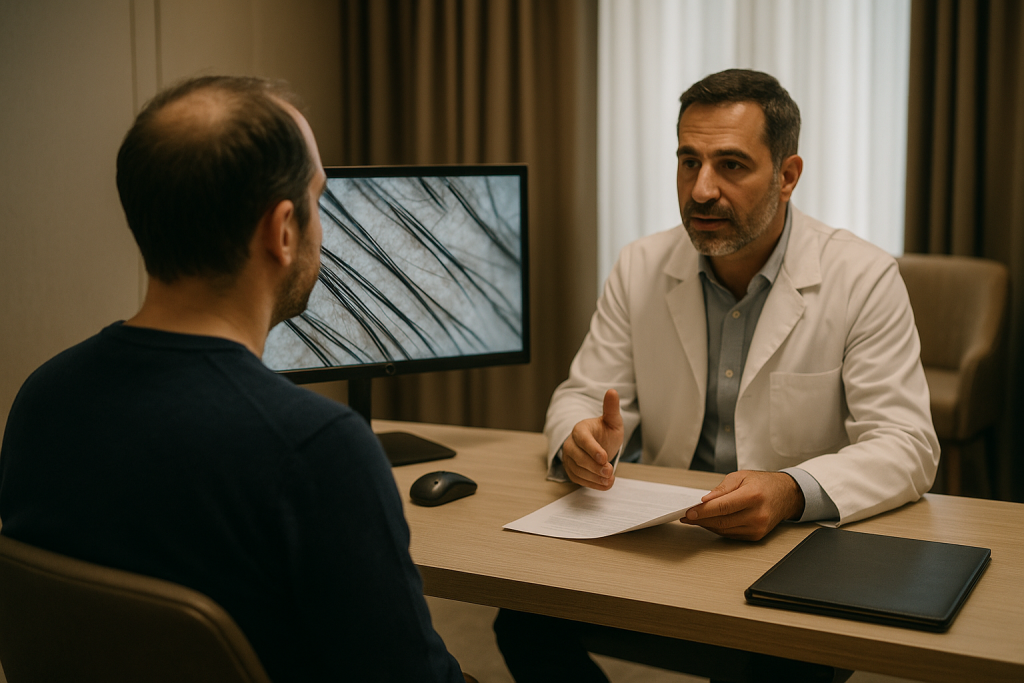
A transplant consultation should therefore begin with diagnosis rather than graft planning. Your doctor may review your pattern of hair loss, medical history, medications, scalp findings and previous treatments. This approach helps distinguish alopecia universalis from other causes of widespread hair loss and supports a safer discussion about medical management, monitoring and appearance-focused options.
02Understanding Universal Alopecia and the Autoimmune Process
Alopecia universalis belongs to the alopecia areata spectrum. In this spectrum, the immune system mistakenly targets hair follicles, interrupting the normal hair-growth cycle. The follicles are usually not permanently destroyed, which is why regrowth can sometimes occur. However, the degree, timing and durability of regrowth vary considerably from one person to another.
Hair loss can develop rapidly or gradually. Some patients first notice small round patches of hair loss, known as alopecia areata, before the condition progresses. Others may experience extensive scalp hair loss, called alopecia totalis, and later lose eyebrow, eyelash or body hair. Not every case follows the same pathway, and the condition can change over time.
The condition is not caused by poor hygiene, ordinary shampoo use, hair colouring or a lack of personal care. It is also important to understand that hair loss severity does not automatically show how a person feels physically. A person may be otherwise well while facing significant emotional, social and practical effects from extensive hair loss.
03Why Hair Transplant Surgery Is Usually Limited
Hair transplantation depends on a reliable donor supply and a stable recipient area. In typical pattern hair loss, follicles from the back and sides of the scalp often retain their growth characteristics after transfer. With alopecia universalis, both the donor and recipient areas may be involved in an active autoimmune process. This creates uncertainty about whether transplanted follicles will survive and continue growing over time.
Surgery can also place physical stress on the scalp through extraction, recipient-site creation and healing. This does not mean that surgery directly causes autoimmune hair loss, but it is one reason doctors approach unstable inflammatory hair conditions with caution. If hair loss is actively progressing, the expected benefit of transplantation may be low compared with the potential disappointment and cost of a procedure.
For these reasons, a clinic should not present transplantation as a quick cure for alopecia universalis. A responsible recommendation requires a confirmed diagnosis, evidence of stability where relevant and an honest discussion of limitations. In many cases, the best next step is dermatology-led treatment and follow-up rather than surgical restoration.
Sapphire FUE and DHI are methods used to implant follicles in appropriate candidates, but the technique itself does not remove autoimmune risk. No implantation method can guarantee that a transplanted follicle will remain unaffected by future disease activity. The medical suitability of the patient must always come before the choice of technique.
04When a Transplant May Be Reconsidered
In selected situations, a specialist may consider whether hair restoration could be discussed after a long period of documented stability. This is uncommon and requires an individual medical assessment. The doctor would need to evaluate whether there is sufficient healthy donor hair, whether the scalp has remained free from active inflammation or new hair loss, and whether the patient understands the uncertain outlook.
Stability is more than simply seeing hair on the scalp at one appointment. Doctors may look for the absence of new patches, shedding, scalp symptoms and visible progression over time. They may also use scalp examination or trichoscopy to assess follicles more closely. The duration of observation and the criteria used can differ between patients and clinical teams.
Even after a stable period, surgery may not be recommended. A person with limited donor density may need to preserve remaining hair, while another person may have a scalp pattern that makes cosmetic coverage unrealistic. A careful discussion should cover expected density, the possibility of recurrence and alternatives that may offer a more dependable appearance outcome.
If a transplant is ever considered, it should be planned conservatively. The purpose is generally to improve the appearance of a defined area rather than promise a full return of previous hair density. Your doctor should explain why the procedure may or may not be suitable in your specific clinical situation.
05Medical Assessment Before Any Hair Restoration Decision
A dermatologist is usually the key specialist for confirming alopecia universalis and discussing treatment. The appointment may include a review of when hair loss began, whether it occurred in patches or diffusely, family history, nail changes, scalp symptoms and any personal history of autoimmune conditions. Clinical examination can often provide important information, while further tests may be recommended when medically indicated.
Your doctor may also review medicines, nutritional concerns, hormonal symptoms and recent illnesses because several conditions can contribute to shedding or widespread hair loss. These factors do not necessarily cause alopecia universalis, but identifying coexisting issues can be clinically useful. It is important not to self-diagnose based on photographs alone, especially when hair loss is sudden or extensive.
Treatment options may include topical, injected or oral medicines depending on the extent of hair loss, medical history and local treatment availability. Some newer systemic treatments may be considered for suitable patients under specialist supervision. Results vary, treatment can have risks or side effects, and a doctor should explain the expected monitoring before treatment begins.
For international patients seeking information from Istanbul, Acibadem Hair Transplant Center offers a free online hair analysis reviewed by doctors. This can help clarify whether a hair restoration consultation is appropriate, but it does not replace a full dermatology assessment for suspected autoimmune hair loss. Replies on WhatsApp are typically provided within around two hours.
06Regrowth Expectations and Non-Surgical Appearance Options
Hair can grow back after alopecia universalis, but no one can accurately predict this for every person. Some patients experience partial regrowth, while others may regain substantial scalp or body hair. Regrowth can also be temporary, uneven or followed by another episode of loss. Newly growing hair may initially appear finer, lighter or different in texture before changing over time.
Because the course can be uncertain, it can be helpful to separate medical treatment goals from appearance goals. Medical care focuses on diagnosis, possible disease control and safe monitoring. Appearance options focus on helping a person feel more comfortable during hair loss, whether or not regrowth occurs. Both needs are valid and can be addressed at the same time.
Wigs, hair systems, head coverings, eyebrow cosmetics and scalp pigmentation are examples of non-surgical options some people explore. The best choice depends on lifestyle, skin sensitivity, personal preferences and budget. A specialist can advise on scalp-friendly practices, particularly if the scalp is dry, irritated or sensitive.
For people with universal alopecia, choosing a non-surgical option is not a failure or a permanent decision. It can provide flexibility while medical treatment is being assessed or while the condition is being monitored. Some patients later change their appearance approach as their hair pattern, priorities or confidence changes.
07Health, Emotional Wellbeing and Practical Support
Alopecia universalis itself does not usually make a person catch common infections more often. The condition mainly affects hair follicles rather than the body’s ability to fight everyday infections. However, some people may have other autoimmune conditions, and certain treatments that affect immune activity can require medical monitoring. Your prescribing doctor can explain any treatment-specific considerations.
The visible nature of hair loss can have a substantial emotional effect. People may feel grief, anxiety, self-consciousness or frustration, particularly when eyebrows and eyelashes are affected. These reactions are understandable. Speaking with a mental health professional, a patient support group or trusted family members can be a useful part of care alongside medical appointments.
Practical measures can also make daily life easier. Without scalp hair, the skin may need more protection from sun and cold. Without eyelashes or nasal hair, some people notice more eye irritation or nasal discomfort. A doctor, pharmacist or eye-care professional can offer guidance when symptoms are persistent or troublesome.
At Acibadem Hair Transplant Center, our role is to provide clear information about hair restoration candidacy and to avoid recommending surgery when it is not medically appropriate. For candidates with other types of hair loss, our Istanbul clinic provides Sapphire FUE and DHI procedures, needle-free anaesthesia when suitable, and all-inclusive packages that include VIP transfer, a 4-star hotel, a care kit and 12 months of follow-up.
08A Practical Timeline for Assessment, Monitoring and Decision-Making
With suspected or confirmed alopecia universalis, the first stage is usually diagnostic assessment rather than surgical scheduling. If hair loss is new, rapidly progressing or associated with scalp discomfort, eyebrow loss or eyelash loss, arranging a dermatology appointment promptly is sensible. Bring a brief timeline of when hair loss began, photographs showing earlier stages if available, and a list of current medicines, supplements and previous treatments.
After diagnosis, your dermatologist may recommend treatment, observation or both. Follow-up timing depends on the treatment plan and the activity of the condition. During monitoring, it can be useful to record new areas of hair loss, visible regrowth, changes in eyebrows or eyelashes, scalp itching, burning or tenderness, and any treatment side effects. Consistent photographs taken in similar lighting can also help your medical team compare changes over time.
A hair transplant discussion, if it becomes relevant at all, should come later and only after the condition has been assessed over time. One apparently quiet month or one area of regrowth does not by itself establish long-term stability. Your doctor may need to see that there are no signs of ongoing progression before discussing whether donor hair and scalp conditions could support any limited procedure.
Avoid making major travel or surgery arrangements before receiving a doctor-reviewed opinion. This can prevent unnecessary costs and disappointment if the medical assessment shows that transplantation is not appropriate. A careful timeline may feel slower than an immediate procedure, but it helps keep the focus on safety and realistic planning.
09Scalp, Eye and Skin Care During Extensive Hair Loss
When scalp hair is absent or very sparse, the exposed skin can be more sensitive to sunlight, wind, cold and friction. A broad-brimmed hat, soft breathable head covering or other physical sun protection can be practical outdoors. Use sun-protection products according to the advice on the product label and seek medical advice if the scalp becomes persistently red, painful, scaly or develops a changing skin lesion.
Gentle scalp care is usually preferable. Choose mild cleansing products if needed, avoid scratching, and be cautious with adhesives, dyes, fragranced cosmetics or exfoliating products that cause irritation. Before trying a wig adhesive, scalp cosmetic or pigmentation-related service, consider discussing skin sensitivity and any scalp inflammation with a dermatologist. Stop using a product and seek clinical advice if you develop a rash, swelling, pain or broken skin.
Loss of eyelashes can reduce the natural protection of the eyes from dust and wind. Some people find that wraparound glasses or sunglasses improve comfort outdoors. Persistent dryness, redness, discharge, pain, light sensitivity or changes in vision should be assessed by an eye-care professional rather than managed with cosmetic products alone.
Eyebrow and facial hair loss may also affect everyday skincare routines. Cosmetic products should be applied gently and removed without rubbing. If you are using prescription treatment on the face or scalp, ask the prescribing clinician where it can be safely applied and whether it should be kept away from the eyes.
10Planning an Istanbul Visit When Candidacy Is Uncertain
International patients may contact Acibadem Hair Transplant Center before travelling by using the free online hair analysis. Doctors review the submitted information to help determine whether a hair restoration consultation may be relevant. For suspected autoimmune hair loss, clear scalp photographs and an accurate history can be useful, but online review cannot replace an in-person dermatology examination or confirm every diagnosis.
If you already have medical records, it may help to bring or share copies of your dermatology diagnosis, biopsy or laboratory results where available, previous treatment details and a list of allergies and medicines. These records can give the clinical team a clearer picture of the hair-loss course. They do not guarantee that surgery will be recommended, especially when alopecia universalis remains active or donor hair is limited.
Do not stop prescribed treatment, begin immune-related medicines or change doses simply to prepare for travel or a consultation. Medication decisions should remain with the clinician who knows your medical history. If surgery is not considered appropriate, a responsible consultation can still be valuable because it clarifies why a procedure may carry a poor outlook and what questions to discuss with your dermatologist.
For patients who are confirmed as suitable candidates for other forms of hair loss, the clinic’s all-inclusive arrangements include VIP transfer, a 4-star hotel, a care kit and 12 months of follow-up. However, these travel arrangements should follow medical suitability confirmation, not replace it. Replies via WhatsApp are typically provided within around two hours, helping patients ask practical questions before making plans.
11Frequently Asked Questions
Can hair grow back after alopecia universalis?
Yes, hair regrowth can occur in some people with alopecia universalis, either partially or more extensively. However, the condition is unpredictable, and regrowth may take time, be incomplete or be followed by further hair loss. A dermatologist can discuss medically appropriate treatment options and monitoring.
What causes universal alopecia?
Universal alopecia is generally understood to be an autoimmune condition in which the immune system targets hair follicles. Genetic susceptibility and immune-system factors may contribute, but the exact trigger is not always known. It is not considered to be caused by poor hair care or personal hygiene.
Is alopecia considered a rare disease?
Alopecia areata is not always classified as rare because it affects a meaningful number of people worldwide. Alopecia universalis is much less common than patchy alopecia areata, although definitions of a rare disease can vary by country and health system. A doctor can help confirm the specific type of hair loss.
Do people with alopecia get sick more often?
Alopecia itself does not typically mean that a person gets common illnesses more often. Some people with autoimmune alopecia may have other autoimmune conditions, and certain systemic treatments may require infection-risk monitoring. Your doctor can explain what applies to your diagnosis and treatment plan.
This article is for general information only and is not a substitute for professional medical advice.
 06
06 12
12