في هذا المقال11
- نظرة عامة
- Why an Active Autoimmune Condition Can Make Transplants Unsuitable
- How Doctors Confirm Alopecia Universalis and Assess Activity
- alopecia areata universalis cure: What Treatment Can and Cannot Promise
- Possible Signs That Hair May Be Regrowing
- Stress, Wellbeing and Living With Extensive Hair Loss
- When to Revisit Hair Restoration Options
- Preparing for a Dermatology Appointment: What to Record and Bring
- Daily Scalp, Eyebrow and Eyelash Care During Hair Loss
- Planning an International Consultation and Future Travel
- Frequently Asked Questions
Alopecia universalis is an autoimmune form of hair loss that can affect the scalp and body, and a hair transplant may not be suitable while the condition is active. Although people often search for an alopecia areata universalis cure, treatment usually focuses on controlling immune activity and supporting possible regrowth rather than promising a permanent cure.
- Alopecia universalis is an autoimmune condition that may cause complete scalp and body hair loss.
- Hair transplantation is usually avoided when autoimmune hair loss is active or unpredictable.
- A dermatologist can assess the diagnosis, disease activity and suitable medical treatment options.
- Fine new hairs, reduced shedding and gradual thickening can be possible signs of regrowth.
- Emotional support, realistic expectations and ongoing medical follow-up are important parts of care.
01Alopecia Universalis and Why Transplants May Not Suit
Alopecia universalis is the most extensive form of alopecia areata, an autoimmune hair-loss condition. It can lead to loss of scalp hair, eyebrows, eyelashes, facial hair and body hair. People looking for an alopecia areata universalis cure often want a clear and permanent answer, but the condition can be unpredictable. In clinical care, the main aims are usually to confirm the diagnosis, assess current disease activity, discuss appropriate treatment options and support the patient through the emotional effects of hair loss.
The immune system normally helps protect the body from infection. In alopecia areata, immune activity is thought to mistakenly target hair follicles, interrupting the normal hair-growth cycle. The follicles are usually not permanently destroyed, which is why regrowth can remain possible. However, the timing, amount and durability of regrowth vary greatly between individuals, especially in extensive forms such as alopecia universalis.
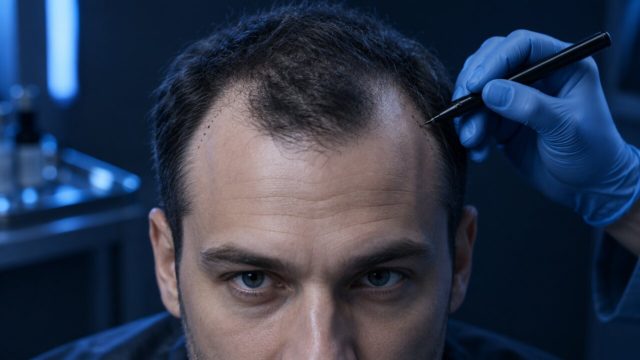
Hair transplantation works differently from medical treatment for autoimmune hair loss. It moves follicles from a donor area, usually at the back or sides of the scalp, into thinning or bald areas. This approach depends on having stable hair loss, a healthy donor supply and a scalp environment that can support long-term growth. In alopecia universalis, these conditions may not be present, so a careful medical assessment is essential before any surgical plan is considered.
02Why an Active Autoimmune Condition Can Make Transplants Unsuitable
A transplant does not stop the immune process behind alopecia universalis. If autoimmune activity remains present, newly transplanted follicles may also be affected after surgery. This may lead to uneven growth, loss of transplanted hair or a result that does not meet the patient’s expectations. For this reason, surgeons commonly take a cautious approach and may advise against transplantation during active or recently changing disease.
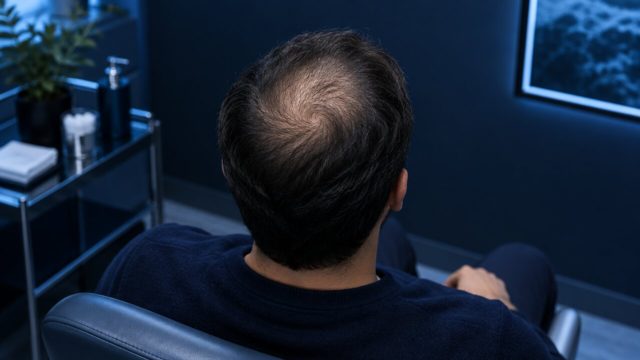
Another concern is the stability of the donor area. In typical pattern hair loss, the donor zone often provides follicles that are more resistant to hormonal thinning. In alopecia universalis, however, hair loss can involve areas across the scalp and body. A doctor needs to examine whether donor hair is sufficiently dense and stable before considering any extraction. Removing grafts from a limited or vulnerable donor area could create additional visible thinning.
Surgery itself creates small wounds and a healing response in the scalp. Although procedures are generally planned carefully, trauma to the skin may be a concern in some inflammatory or autoimmune conditions. Your dermatologist and hair restoration doctor may prefer to wait until there has been a sustained period of stability and until treatment goals are clearer. This decision should be based on clinical findings, not only on how long hair loss has been noticed.
03How Doctors Confirm Alopecia Universalis and Assess Activity
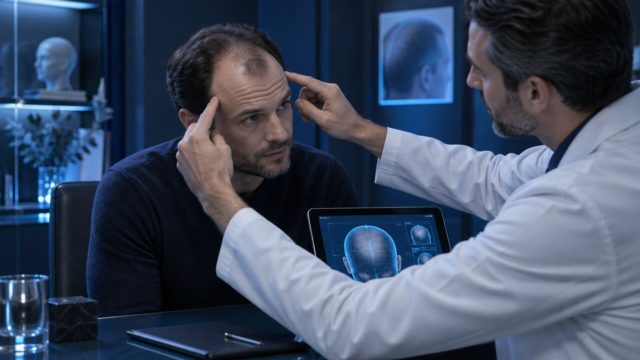
A diagnosis usually begins with a medical history and examination of the scalp, eyebrows, eyelashes and body hair. A dermatologist may ask when hair loss began, how quickly it progressed, whether there were earlier patches of hair loss and whether close relatives have autoimmune conditions. They may also ask about skin symptoms, nail changes, current medicines, recent illness and general health. This wider review helps distinguish alopecia areata from other possible causes of extensive hair loss.
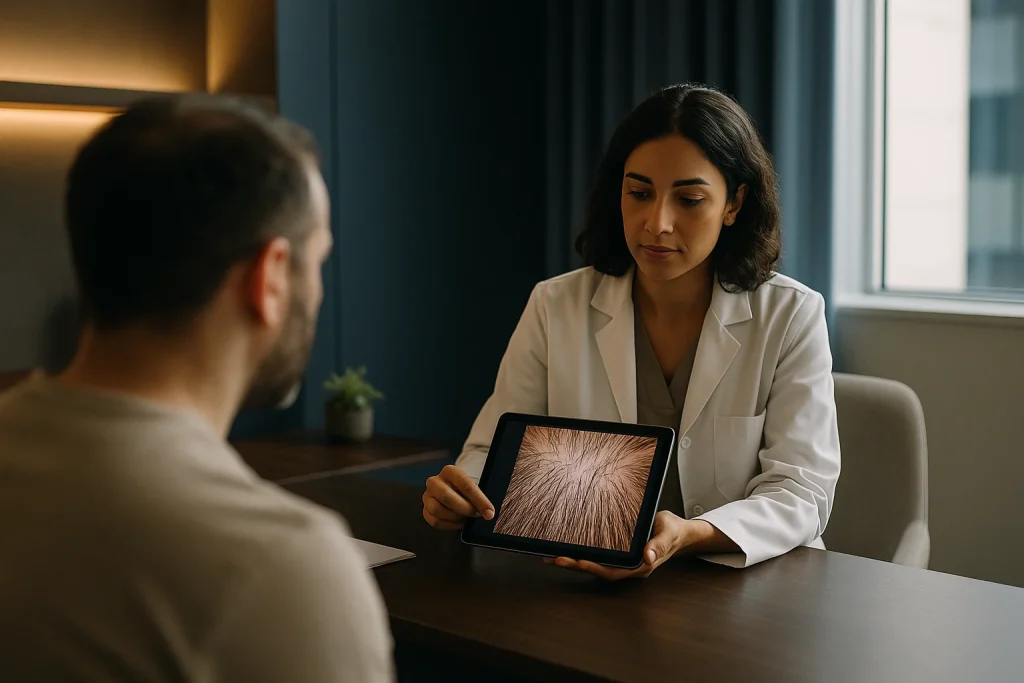
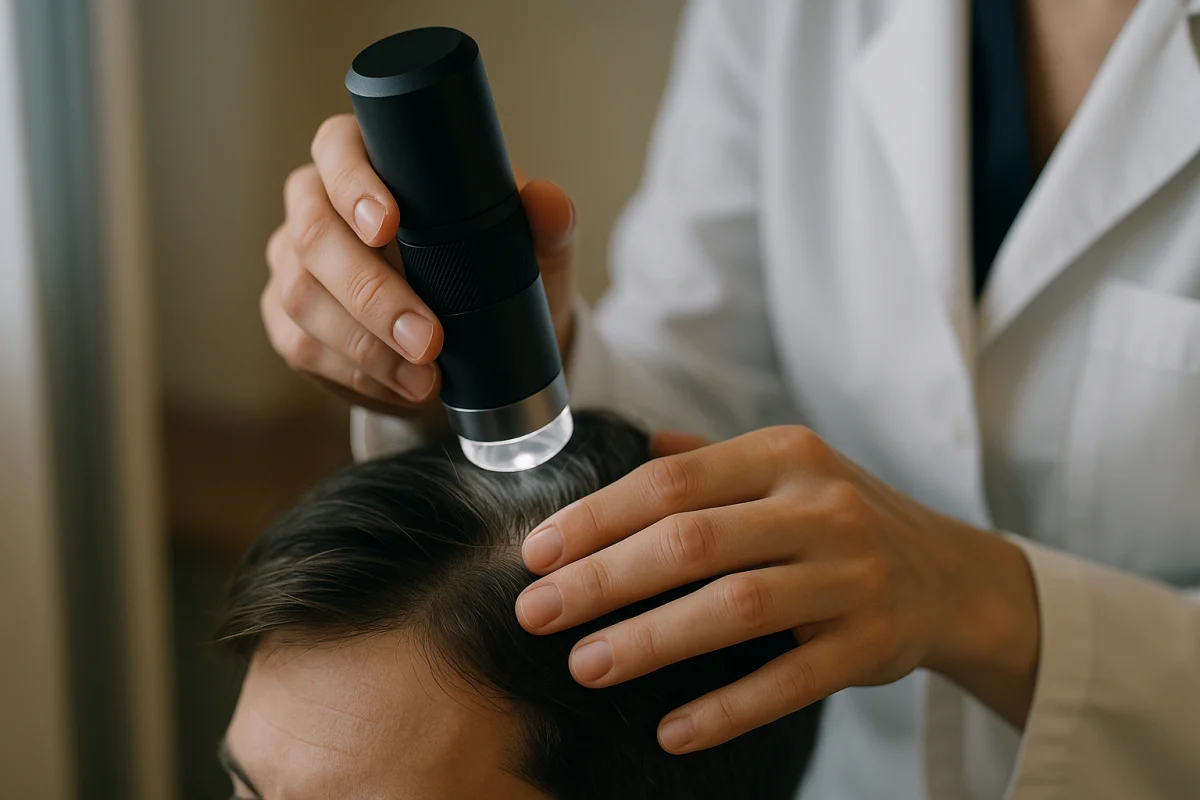
Trichoscopy is a close examination of the hair and scalp using magnification. It can help a clinician look for features linked to alopecia areata, assess follicle openings and monitor changes over time. Depending on the clinical situation, blood tests or other assessments may be considered to investigate associated health issues or exclude alternative explanations. A scalp biopsy is not always needed, but it may be discussed when the diagnosis remains uncertain.
Disease activity is especially important when discussing hair restoration. Doctors may look for new areas of loss, active shedding, changes at the edges of affected areas and signs seen during trichoscopy. They will also consider the duration of hair loss and any response to previous treatment. A patient may feel that hair loss has stopped, but only an examination and follow-up can help clarify whether the condition appears stable enough to discuss future cosmetic options.
04alopecia areata universalis cure: What Treatment Can and Cannot Promise
There is currently no single treatment that can be described as a guaranteed alopecia areata universalis cure for every patient. Some people experience partial or substantial regrowth with medical management, while others may have limited response or periods of relapse. A dermatologist can discuss treatments that may be appropriate based on age, medical history, disease extent, previous treatments and potential side effects. The decision is individual and should be reviewed regularly.
Medical approaches may include topical treatments, injections into selected areas, medicines taken by mouth or other immune-modulating options where clinically appropriate. Not every treatment is suitable for every person, and some may require monitoring. It is important not to start, stop or combine treatments without guidance from a qualified clinician. Internet advice can be useful for preparing questions, but it cannot replace a proper diagnosis and safety review.
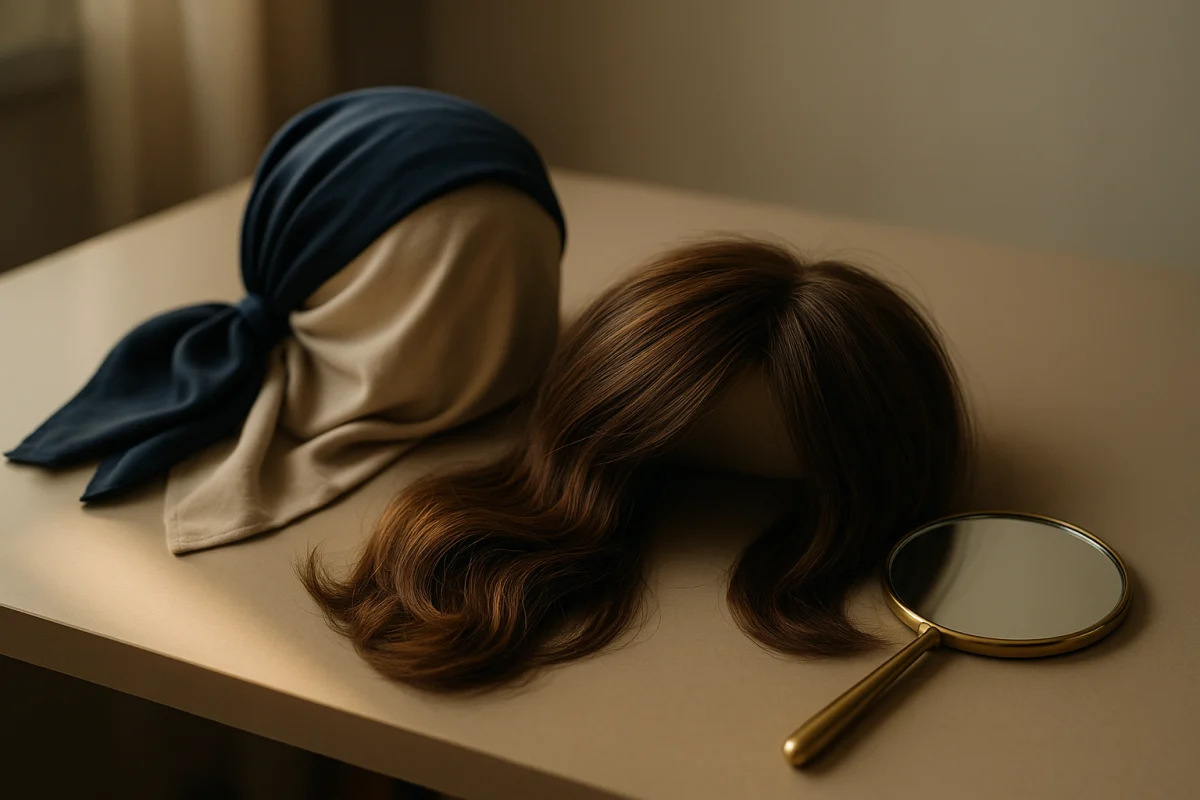
Treatment success may mean different things to different patients. For one person, it may mean reduced shedding or regrowth of eyebrows; for another, it may mean improved scalp coverage. Some people may choose cosmetic support such as wigs, hairpieces, scalp coverings or eyebrow solutions while they explore medical care. These choices are valid and can help patients feel more comfortable without waiting for a specific treatment result.
05Possible Signs That Hair May Be Regrowing
Early regrowth can sometimes appear as very fine, soft or light-coloured hairs in areas that were previously smooth. These hairs may gradually become darker, thicker and longer as the normal hair cycle resumes. In some patients, small patches of coverage appear first and later join together. Regrowth can occur on the scalp, eyebrows, eyelashes or body, but the pattern differs from person to person.
A reduction in visible shedding or fewer newly expanding bald areas may also be encouraging, although these changes do not confirm that regrowth will continue. Hair naturally grows in cycles, and the appearance of a few hairs does not always predict the final outcome. Regular photographs taken under similar lighting and trichoscopic checks can help a doctor monitor subtle changes more reliably than day-to-day mirror checks.
Regrowth may also be uneven or temporary. New hairs can shed again if autoimmune activity returns, and this can be emotionally difficult. Patients should tell their doctor about new hair loss, scalp irritation, changes in the nails or any side effects from treatment. Ongoing follow-up allows the care plan to be adjusted when needed and provides a realistic picture of progress over time.
06Stress, Wellbeing and Living With Extensive Hair Loss
Stress is often discussed after sudden hair loss, but it is important to understand the relationship carefully. Emotional or physical stress may be associated with some types of shedding, and it may affect how a person experiences an autoimmune condition. However, stress alone is not considered a simple or proven explanation for every case of alopecia universalis. Patients should not blame themselves for the condition or assume that relaxation alone will restore hair.
Living with extensive hair loss can affect confidence, social life, work, relationships and mental wellbeing. Eyebrow and eyelash loss may also change facial appearance and can create practical concerns, such as eye irritation in some people. Support from family, patient communities, counsellors or mental health professionals may be helpful. Seeking support is not a sign of weakness; it can be an important part of managing a long-term and visible health condition.
People researching an alopecia areata universalis cure may encounter dramatic claims about supplements, restrictive diets or unproven procedures. Be cautious with any service that promises permanent regrowth, guaranteed results or a fast solution without a medical examination. Nutrition and general health remain important, but supplements can have side effects and may interact with medicines. A doctor can advise whether testing or nutritional support is needed in your situation.
07When to Revisit Hair Restoration Options
In selected cases, a hair transplant may be discussed only after a specialist has confirmed a long period of stable disease and assessed the donor area carefully. Even then, the decision requires caution because future autoimmune activity cannot be predicted with certainty. Patients should understand the possibility of graft loss, further hair loss and the need for ongoing medical follow-up. A responsible consultation should include these limitations before any surgery is planned.
At Acibadem Hair Transplant Center in Istanbul, online hair analysis is reviewed by doctors before a treatment pathway is discussed. The clinic is licensed by the Turkish Ministry of Health and provides Sapphire FUE and DHI techniques for patients who are medically suitable for hair transplantation. For a patient with suspected or confirmed alopecia universalis, the priority is a careful assessment rather than moving directly to a procedure.
If surgery is not suitable, this does not mean that no support is available. A dermatologist can guide medical management, while cosmetic alternatives may help with appearance and daily confidence. If transplantation becomes appropriate in the future, a doctor can reassess the scalp, donor hair and disease stability. The safest next step is to seek a qualified medical opinion and make decisions based on your diagnosis, health history and realistic expectations.
08Preparing for a Dermatology Appointment: What to Record and Bring
A well-prepared appointment can help the dermatologist understand how alopecia universalis has developed. Before your visit, make a simple timeline showing when hair loss first appeared, which areas were affected first and whether the change was sudden or gradual. Include any previous episodes of patchy hair loss, periods of regrowth, recent illnesses and treatments you have already tried. If possible, bring dated photographs taken before and during the hair-loss process.
It is also useful to write down all prescription medicines, over-the-counter medicines, vitamins, herbal products and supplements you use. Some products can affect test results, interact with treatment or cause side effects, so your doctor needs a complete picture. Mention other health conditions, allergies, family history of autoimmune disease and symptoms that may seem unrelated, such as nail changes, skin rashes or tiredness.
Prepare questions in advance, especially if you are considering cosmetic or surgical options. You may wish to ask whether the diagnosis is confirmed, whether there are signs of active disease, what treatment goals are realistic and how progress will be monitored. Clear notes from the consultation can make it easier to follow the plan and discuss it with family members if you wish.
09Daily Scalp, Eyebrow and Eyelash Care During Hair Loss
Hair loss from alopecia universalis can leave the scalp more exposed to sun, cold and friction. Gentle scalp care is usually sensible: use a mild cleansing routine, avoid vigorous scratching and protect exposed skin from strong sunlight with a hat or other suitable covering. If you use sunscreen on the scalp, choose a product you can tolerate and follow the instructions on the label. Speak with a clinician if you develop persistent redness, scaling, soreness or broken skin.
Loss of eyebrows and eyelashes can create different practical concerns. Eyebrows may be replaced temporarily with cosmetic options if desired, but avoid products that cause irritation or require strong adhesives on sensitive skin. With reduced eyelashes, some people notice more eye discomfort from wind, dust or dry conditions. Protective glasses may be helpful outdoors. New eye pain, marked redness, discharge, light sensitivity or changes in vision should be assessed promptly by an appropriate healthcare professional.
Avoid assuming that a cosmetic product is harmless simply because it is sold for hair or eyebrow growth. Some products may irritate the skin, and others may not be appropriate alongside prescribed treatment. Patch testing and discussing new products with your dermatologist or pharmacist can reduce avoidable problems. Gentle care will not cure autoimmune hair loss, but it can improve comfort while medical treatment and monitoring continue.
10Planning an International Consultation and Future Travel
For international patients, the first step does not need to be travel. A doctor-reviewed online hair analysis can help clarify whether an in-person hair restoration consultation is appropriate at this stage. Clear photographs of the scalp, donor area, eyebrows and any remaining hair may be requested, together with a short medical history. Images should be taken in good light, without filters, hair fibres or styling products that could hide the scalp.
If you are considering travel to Istanbul, do not arrange a procedure until the medical team has reviewed your information and explained whether transplantation is medically suitable. In alopecia universalis, an in-person assessment may still be needed to evaluate scalp condition, donor density and signs of disease activity. A remote review can support planning, but it cannot replace a clinical examination when the diagnosis or stability remains uncertain.
Acibadem Hair Transplant Center is a dedicated hair restoration clinic in Istanbul, licensed by the Turkish Ministry of Health. Its free online hair analysis is reviewed by doctors, with WhatsApp replies typically within around two hours. For patients who are medically suitable for transplantation, all-inclusive packages can include VIP transfer, a 4-star hotel, a care kit and 12 months of follow-up. Patients with alopecia universalis should understand that travel arrangements and package availability do not determine candidacy; medical safety and disease stability come first.
11Frequently Asked Questions
Can alopecia areata cause complete baldness?
Alopecia areata can range from a few small bald patches to complete scalp hair loss, known as alopecia totalis. When it affects the scalp and body hair, it is called alopecia universalis. This progression does not happen in every patient, and the course of the condition can vary considerably.
Can stress trigger alopecia universalis?
Stress may be associated with hair shedding and may affect wellbeing during autoimmune hair loss, but it is not considered the only cause of alopecia universalis. The condition involves immune-system activity and may be influenced by several factors. A doctor can help investigate your symptoms and rule out other causes of hair loss.
What are common signs of hair regrowth in alopecia universalis?
Fine, soft or light-coloured hairs may appear first in previously bare areas and can gradually become thicker and darker. Reduced expansion of hair-loss areas may also be a positive sign. However, only follow-up with a clinician can assess whether regrowth is continuing and whether the condition remains stable.
Is alopecia universalis dangerous to physical health?
Alopecia universalis does not usually damage the hair follicles permanently or directly threaten physical health. However, it may be associated with other autoimmune conditions in some people, so medical assessment can be important. It can also have a significant emotional impact, and mental wellbeing support should be considered part of care.
هذا المقال للمعلومات العامة فقط، وهو ليس بديلاً عن الاستشارة الطبية المتخصصة.
هذا الدليل للمعلومات العامة ولا يغني عن الاستشارة الطبية. تُتخذ قرارات العلاج بعد تقييم الطبيب حضورياً أو عبر الإنترنت.