في هذا المقال12
- نظرة عامة
- Why Active Hair Loss Matters When Planning a Transplant
- How to decrease dht naturally before surgery
- Medical Options to Discuss With Your Doctor
- Food, Supplements, and Popular DHT Claims
- Scalp Assessment, Donor Planning, and Surgical Timing
- Preparing for Surgery and Protecting Results Long Term
- A Practical Recovery Timeline After Hair Transplant Surgery
- Who May Need More Assessment Before a DHT Hair Transplant Plan
- Travel Planning for International Hair Transplant Patients
- Photographs and Progress Tracking: How to Assess Change More Clearly
- Frequently Asked Questions
Managing DHT-related hair loss before a transplant usually means confirming the cause of thinning, protecting remaining native hair, and discussing suitable treatment with a qualified doctor. You may decrease dht naturally through balanced lifestyle habits, but natural measures alone may not be enough to control genetic hair loss in most patients.
- DHT-related hair loss is usually genetic, progressive, and best assessed before transplant planning.
- Natural lifestyle measures can support scalp and general health, but they do not reliably stop androgenetic hair loss on their own.
- Medical treatments may help preserve existing hair, but suitability and risks must be reviewed by a doctor.
- A hair transplant moves resistant donor follicles; it does not prevent continued thinning in untreated native hair.
- A stable, long-term plan can help the surgeon design a more natural hairline and use donor grafts carefully.
01Managing Dht-Related Hair Loss Before Transplant Surgery
Many people explore ways to decrease dht naturally before they consider hair transplant surgery. This is understandable: when hair loss is still active, protecting the hair that remains can be as important as restoring areas that are already thin. A transplant can improve coverage in selected areas, but it does not automatically stop the biological process that affects non-transplanted hair. For this reason, a careful assessment before surgery is an important part of responsible planning.
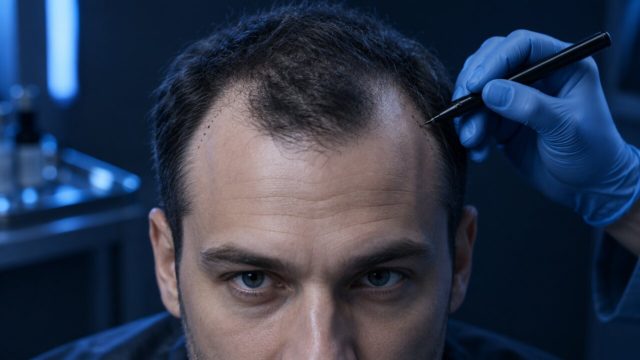
DHT, short for dihydrotestosterone, is an androgen made in the body from testosterone. In people with a genetic sensitivity to DHT, follicles in certain scalp areas may gradually become smaller. This process is called miniaturisation. The growing phase becomes shorter, hairs become finer and less pigmented, and eventually some follicles may produce very little visible hair. This pattern is commonly known as androgenetic alopecia, or male- and female-pattern hair loss.
Not every case of shedding or thinning is caused by DHT. Recent illness, emotional stress, nutritional deficiency, thyroid conditions, scalp inflammation, tight hairstyles, some medicines, and autoimmune conditions can also affect hair growth. A doctor may use your medical history, scalp examination, photographs, and sometimes blood tests or trichoscopy to identify the likely cause. Understanding the diagnosis helps avoid treating the wrong problem before surgery.
02Why Active Hair Loss Matters When Planning a Transplant
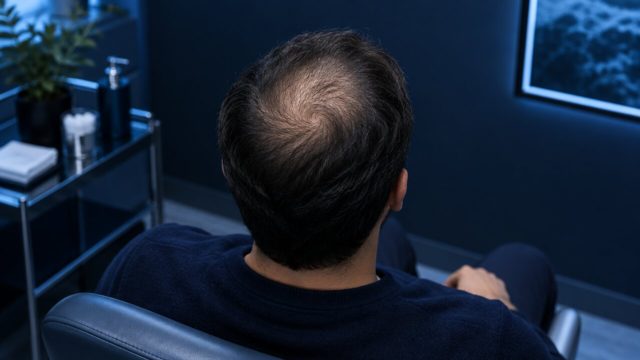
Hair transplantation redistributes follicles from a donor area, usually at the back and sides of the scalp, to areas with lower density. In appropriately selected patients, donor follicles are often more resistant to the effects of DHT than follicles at the front or crown. However, resistance is not the same as a cure for ongoing hair loss. Your native hair around and behind the transplanted area may continue to thin over time if the underlying condition remains active.
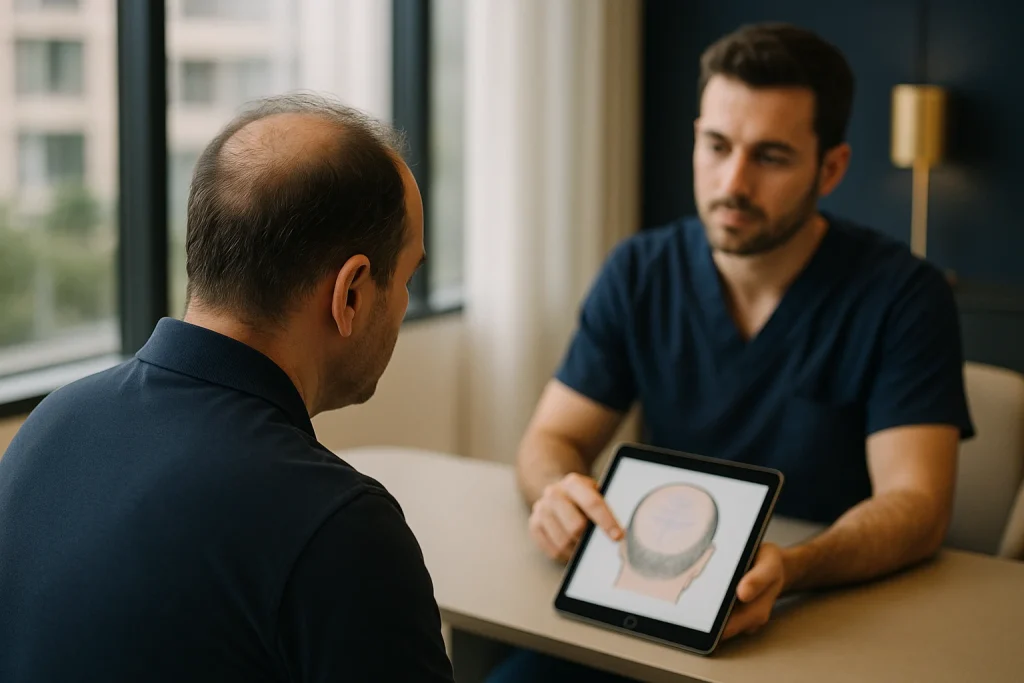
This can create an uneven appearance in the future. For example, a newly transplanted hairline may remain while the natural hair behind it becomes less dense. A surgeon therefore considers your age, family pattern of hair loss, current rate of change, donor capacity, hair characteristics, and realistic long-term goals. In younger patients or those with rapidly progressing loss, it may be sensible to monitor the pattern or stabilise it before deciding on graft placement.
A conservative design is often valuable. It preserves donor grafts for future needs and aims to create an appearance that can remain appropriate if further thinning occurs. The exact timing of surgery varies. Some patients can proceed after assessment, while others may benefit from a period of medical management and follow-up first. Your doctor will confirm the safest and most suitable path for your situation.
03How to decrease dht naturally before surgery
When people ask how to decrease dht naturally, they are often looking for a safe alternative to prescription treatment. Healthy habits can support overall hormone balance, scalp comfort, sleep, and nutritional status. However, there is currently no food, supplement, or home method that can reliably remove DHT from scalp follicles or reverse established genetic hair loss. It is important to be cautious about online claims that promise a natural DHT cure.
A balanced eating pattern can help the body receive the protein, iron, zinc, essential fats, and vitamins needed for normal hair production. Regular meals based on vegetables, fruit, legumes, whole grains, eggs, fish, lean meats, dairy or suitable alternatives, nuts, and seeds can be useful for general health. If you follow a restricted diet, have heavy menstrual periods, digestive symptoms, or unexplained fatigue, a doctor may consider whether testing for deficiencies is appropriate rather than recommending supplements without evidence.
Sleep, stress management, smoking cessation, and regular physical activity are also sensible foundations. They may support wellbeing and reduce factors that can worsen temporary shedding in some people. These steps should not be viewed as a replacement for clinical treatment when androgenetic alopecia is diagnosed. In particular, avoid high-dose supplements or herbal products before surgery without telling your medical team, as some can interact with medicines or affect bleeding risk.
04Medical Options to Discuss With Your Doctor
For confirmed androgenetic alopecia, doctors may discuss evidence-based treatments intended to slow loss or support existing follicles. The available approach depends on your sex, age, medical history, plans for pregnancy where relevant, current medicines, scalp findings, and treatment preferences. A doctor may discuss topical or oral options that influence hair growth or DHT activity, but these require proper assessment because they can have side effects and are not suitable for everyone.
Do not start, stop, or change prescription hair-loss medicine solely because of social media content or a transplant consultation. Some treatments need time before their effect can be reviewed, and stopping them can lead to renewed shedding in some patients. Your prescribing doctor can explain the expected timeline, possible adverse effects, follow-up needs, and what to do if you have concerns. This informed discussion is especially important before a surgical procedure.
Other supportive measures may be considered where clinically appropriate, such as treating dandruff, inflammation, or a diagnosed nutritional deficiency. These can improve scalp health, but they should not be presented as proven substitutes for treatment of genetic miniaturisation. A clear pre-transplant plan records what you are using, how long you have used it, and whether your hair loss appears stable. This information can help the surgical team plan more responsibly.
05Food, Supplements, and Popular DHT Claims
No specific food has been proven to make hair grow faster than its normal biological rate. Hair growth depends on the follicle cycle, genetics, health status, hormones, and the availability of nutrients. Eating enough protein and correcting a confirmed deficiency may support normal growth, particularly if your diet has been inadequate. But adding a single food, juice, or powder does not typically produce rapid new hair growth in DHT-sensitive areas.
Foods often promoted for hair include eggs, oily fish, leafy vegetables, beans, berries, citrus fruit, yoghurt, nuts, and seeds. These can be nutritious choices because they contribute protein, iron, omega-3 fats, vitamin C, or other nutrients involved in normal body function. Their value comes from being part of a varied diet, not from acting as direct DHT blockers. Extreme dieting, sudden weight loss, and very low protein intake can sometimes contribute to shedding, so sustainable nutrition is generally more helpful than restrictive rules.
Herbal supplements marketed to decrease dht naturally may seem harmless, but natural does not always mean risk-free or effective. Product quality, dose, contamination, medication interactions, and surgery-related safety can vary. Some products may alter hormone pathways, while others may affect blood clotting or blood pressure. Tell your doctor about every vitamin, tea, powder, and supplement you take well before surgery, and follow the clinic's instructions about what should be paused.
06Scalp Assessment, Donor Planning, and Surgical Timing
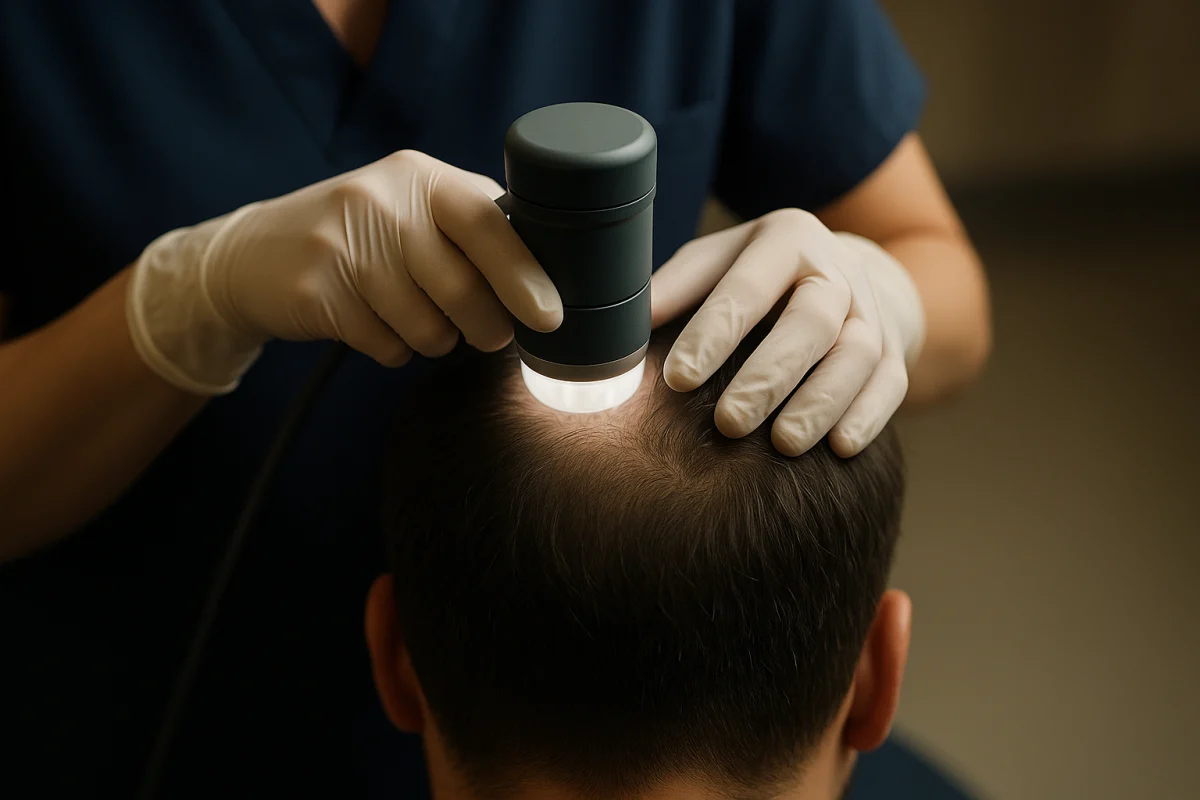
A detailed hair and scalp assessment is the bridge between hair-loss management and transplant surgery. During this stage, the team reviews the distribution of thinning, the density and quality of the donor area, the calibre of existing hair, scalp condition, and your likely future pattern. Trichoscopy can help identify miniaturised hairs and provide a closer view of follicle variation. These findings guide the discussion about whether surgery is suitable now and where grafts may be most useful.
At Acibadem Hair Transplant Center, a dedicated hair restoration clinic in Istanbul licensed by the Turkish Ministry of Health, patients can begin with a free online hair analysis reviewed by doctors. Clear photographs and a medical history help provide initial guidance, although an online review cannot replace an in-person examination when this is needed. Replies on WhatsApp are typically provided within around two hours, allowing international patients to ask early planning questions.
If surgery is appropriate, techniques such as Sapphire FUE and DHI may be discussed according to the treatment plan. The technique is only one part of a good outcome; diagnosis, donor preservation, hairline design, graft handling, aftercare, and realistic expectations are equally important. Needle-free anaesthesia is available for suitable patients. The clinic also offers all-inclusive packages with VIP transfer, a 4-star hotel, a care kit, and 12 months of follow-up, which may help international patients organise their visit.
07Preparing for Surgery and Protecting Results Long Term
Before surgery, give the medical team a complete and accurate health history. This includes past operations, allergies, medical conditions, smoking or nicotine use, alcohol intake, regular prescriptions, over-the-counter medicines, and supplements. Follow all pre-operative instructions provided by your clinic. These instructions are individual and may include guidance about certain medicines, scalp care, meals, travel, and avoiding activities that could increase procedural risk.
After a transplant, the implanted follicles need time to settle and enter their normal growth cycle. Temporary shedding of transplanted hairs can occur before regrowth begins, and visible development is gradual. Existing native hair follows its own pattern and may still be affected by androgenetic alopecia. Continuing a doctor-approved long-term management plan can therefore be important for preserving the overall appearance, rather than focusing only on the transplanted zone.
Results should be assessed patiently and with objective follow-up where possible. At Acibadem Hair Transplant Center, graft survival is measured with trichoscopy at month 12, with a documented 98% rate under a written guarantee. Individual cosmetic outcomes can still vary based on factors such as donor characteristics, hair-loss progression, healing, and adherence to aftercare. The most useful goal is a safe, natural-looking plan that protects both current and future hair options.
08A Practical Recovery Timeline After Hair Transplant Surgery
Your clinic will give you individual aftercare instructions, as the exact plan can vary according to your procedure, scalp condition, medical history, and the medicines you use. In general, the first 7 to 10 days are focused on protecting the grafts while the recipient area heals. During this period, patients are commonly asked to avoid touching, rubbing, scratching, or picking at the implanted area. Sleeping with the head elevated for the period advised by the surgical team may help reduce swelling in some patients.
Small scabs can form around the implanted follicles during the first days. This is a normal part of healing, but they should not be removed with fingernails or forceful washing. The clinic care kit and washing instructions should be used exactly as directed. Patients are often shown how to apply lotion or foam, rinse gently, and wash without direct pressure on the grafts. Your team will tell you when normal washing can resume and when it is safe to return to your usual hair-care routine.
During the first few weeks, the transplanted hair shafts commonly shed. This can look worrying, but it does not necessarily mean that the follicles have failed. The follicles usually remain under the skin and enter a resting phase before new growth begins. Early fine growth may be noticed after several months, while density and hair calibre continue to develop gradually. A meaningful assessment is usually made much later, rather than in the first weeks after surgery.
At Acibadem Hair Transplant Center, follow-up is available for 12 months as part of all-inclusive packages. Keeping scheduled follow-up contact and sending clear progress photographs when requested can help the team monitor healing and answer practical questions. Contact the clinic promptly if you have increasing pain, spreading redness, fever, unusual discharge, persistent bleeding, or any symptom that concerns you. These symptoms need professional assessment rather than self-treatment.

09Who May Need More Assessment Before a DHT Hair Transplant Plan
A transplant is not automatically the best first step for every person with thinning hair. Patients with sudden shedding, patchy hair loss, scalp pain, scaling, marked redness, or recent changes after illness or weight loss may need further medical assessment before surgical planning. These features can point to causes other than typical androgenetic alopecia, and a transplant would not address every underlying condition.
Diffuse thinning also needs careful interpretation. Some people lose density across the top of the scalp while maintaining a strong donor area, whereas others have thinning that includes the back and sides of the scalp. When donor hair is also affected, the available graft supply may be more limited. Trichoscopic assessment can help the doctor review variation in hair thickness and identify whether the donor area appears stable enough for harvesting.
Age is another important consideration, but there is no single age that determines suitability. A younger adult with an early, changing hair-loss pattern may have decades of future thinning ahead. In this situation, a very low or dense hairline can use too many grafts too early and may not match the person’s later pattern of hair loss. A more conservative approach, observation period, or doctor-led treatment plan may sometimes be recommended before surgery.
Women with hair loss should also receive a diagnosis before considering transplantation. Female-pattern thinning can be related to genetic factors, but hormonal changes, iron deficiency, thyroid disorders, postpartum shedding, and inflammatory scalp conditions may also be relevant. The doctor will consider the pattern of loss, donor quality, medical history, and any pregnancy or breastfeeding plans where relevant. This assessment helps ensure that the proposed plan is appropriate and realistic.
10Travel Planning for International Hair Transplant Patients
International patients should allow enough time in Istanbul for the procedure, early post-operative review if scheduled, and comfortable travel home. Your coordinator can explain the expected visit schedule before you book flights. It is sensible to choose flexible travel arrangements where possible, especially if you are travelling from a long distance or if your doctor advises a longer stay based on your health needs.
Pack loose, comfortable clothing that does not need to be pulled tightly over the head after surgery. A front-opening shirt, zip-up top, or buttoned garment can make dressing easier while protecting the recipient area. You may also wish to bring a travel neck pillow if it helps you maintain the sleeping position recommended by your clinic. Avoid planning demanding sightseeing, heavy luggage handling, intense exercise, swimming, or sun exposure immediately after the procedure unless your medical team has confirmed that it is safe.
Before travelling, prepare a written list of all medicines and supplements you take, including doses and reasons for use. Carry essential prescription medicines in their original packaging and keep them in hand luggage when flying. If you have chronic medical conditions, confirm with your usual doctor that you are fit to travel and undergo the planned procedure. Your transplant team also needs to know about any changes in your health before arrival, including infection, new medicines, or recent medical treatment.
Acibadem Hair Transplant Center is a dedicated hair restoration clinic in Istanbul licensed by the Turkish Ministry of Health. Its all-inclusive packages include VIP transfer, a 4-star hotel, a care kit, and 12 months of follow-up. These arrangements can make the visit simpler, but patients should still check passport, visa, airline, travel insurance, and personal medication requirements independently. A free online hair analysis reviewed by doctors can help you begin discussing suitability and travel questions before making arrangements.
11Photographs and Progress Tracking: How to Assess Change More Clearly
Hair loss can be difficult to judge from memory because changes are often gradual. Consistent photographs can provide a more useful record before treatment, during medical management, and after surgery. Try to take images in the same location, with similar lighting, hair length, camera distance, and head position each time. Useful views usually include the front hairline, both temples, top, crown, and donor area.
For a clearer comparison, avoid styling products, hair fibres, wet hair, or harsh overhead lighting that makes the scalp appear more visible than usual. If you colour your hair, note the date, as colour contrast can affect how density looks in photographs. These pictures do not replace a medical examination, but they can help your doctor identify whether loss appears stable, progressing, or responding to a management plan.
After transplantation, avoid judging the result too early. Short-term swelling, crusting, temporary shedding, changes in hair length, and different lighting can all alter the appearance of coverage. Comparing one early image with an image from many months later can be misleading if the conditions are different. Your clinic may request standardised photographs at set intervals so that healing and new growth can be reviewed more objectively.
At month 12, Acibadem Hair Transplant Center measures graft survival with trichoscopy and documents a 98% rate under its written guarantee. This measurement relates to graft survival and does not mean every patient will have identical cosmetic density or styling options. Final appearance is also influenced by donor hair characteristics, the extent of pre-existing loss, continued native-hair thinning, healing, and adherence to aftercare.
12Frequently Asked Questions
Can DHT be removed from hair follicles?
There is no proven way to physically remove DHT from individual hair follicles at home. In genetically sensitive follicles, medical treatments may reduce DHT activity or support hair growth, but a doctor should confirm whether they are suitable for you. Healthy habits can support general health, yet they do not reliably eliminate follicular DHT.
Which foods can help hair grow faster?
No food is proven to make hair grow faster than its normal cycle. A varied diet with adequate protein, iron, zinc, essential fats, fruit, vegetables, and whole grains supports normal hair production. If a deficiency is suspected, testing and medical guidance are more reliable than taking high-dose supplements.
What can be signs of high DHT?
Patterned thinning at the temples, frontal scalp, or crown may be associated with genetic sensitivity to DHT. Increased facial or body hair, acne, or menstrual changes can have several possible causes and do not confirm high DHT on their own. A doctor can assess symptoms, medical history, and tests when clinically needed.
Does ginger block DHT?
Ginger is a nutritious culinary ingredient, but there is not enough reliable clinical evidence to say that it blocks DHT in the scalp or treats androgenetic hair loss. Ginger supplements may also interact with medicines or be unsuitable around surgery for some people. Discuss supplements with your doctor before using them for hair loss.
هذا المقال للمعلومات العامة فقط، وهو ليس بديلاً عن الاستشارة الطبية المتخصصة.
هذا الدليل للمعلومات العامة ولا يغني عن الاستشارة الطبية. تُتخذ قرارات العلاج بعد تقييم الطبيب حضورياً أو عبر الإنترنت.