In diesem Artikel9
- Planning a hair transplant in winter
- Travel to Istanbul without putting pressure on recovery
- The first 14 days: protecting grafts in cold, wet weather
- Sun protection after winter treatment
- Winter habits that support comfortable healing
- How procedure size affects your winter schedule
- What to expect from month one to month seven
- Long-term results, costs and realistic expectations
- Frequently Asked Questions
A hair transplant in winter can be a practical choice because cooler weather may make it easier to avoid sweating, strong sun and some outdoor activities during early healing. You will still need to protect the grafts from cold wind, rain, friction and UV exposure, and your doctor will confirm the right aftercare plan for you.
- Winter weather may feel more comfortable during early recovery, but grafts still need protection from rain, wind and direct sunlight.
- Most international patients should plan a calm stay in Istanbul and avoid rushing through airports or carrying heavy luggage immediately after treatment.
- A loose, clinic-approved hat may be helpful after the initial recovery period, but it must not rub or press on the grafts.
- Visible growth is often developing by month seven, while the final outcome is usually assessed later, commonly around month 12.
- The number of grafts, treatment technique, donor area and individual healing needs all affect the procedure plan and overall cost.
01Planning a hair transplant in winter
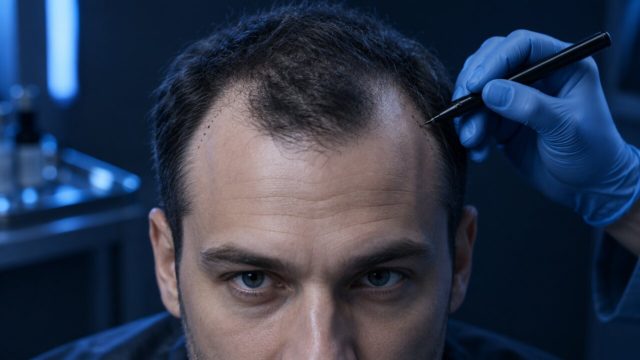
Choosing a hair transplant in winter can make the first days of recovery feel easier for many people. Cooler temperatures may reduce discomfort from heat and heavy sweating, while shorter daylight hours can help you limit casual sun exposure. However, winter is not automatically risk-free. Freshly placed grafts remain delicate, and rain, strong wind, tight headwear and busy travel arrangements can still affect your comfort and aftercare routine.
The best season is usually the one that allows you to protect your recovery time. Before booking flights, consider whether you can take several quiet days away from work, sport, social events and long outdoor activities. This matters more than the temperature alone. A calm schedule gives you time for the first wash, medical review and clear instructions before returning to your usual routine.
Istanbul has varied winter conditions, including cool days, rain and occasional wind. When organising a hair transplant in winter, bring practical layers, a clean umbrella and clothing that is easy to put on without pulling fabric over your head. Button-front shirts, zip-up tops and loose outerwear can be more convenient than close-fitting sweaters during the early recovery period. Your clinic team can explain when and how to use any protective headwear safely.
02Travel to Istanbul without putting pressure on recovery
Travel planning should begin with the days immediately after your procedure, not only with the treatment date. International patients may benefit from arriving with enough time to settle in, sleep well and attend the pre-procedure consultation without feeling rushed. After treatment, it is generally sensible to avoid an itinerary filled with sightseeing, long walks, shopping trips or late evenings. Rest supports a more comfortable recovery, even though it does not replace medical aftercare.
Airport travel needs a little extra attention in winter. Allow enough time for check-in and security so that you do not need to run, lift heavy bags or push through crowded lines. Keep your aftercare items and clinic contact details in your hand luggage. If rain is expected, arrange sheltered transport where possible rather than walking outside for long periods with a recently treated scalp.
Acibadem Hair Transplant Center is a dedicated hair restoration clinic in Istanbul, licensed by the Turkish Ministry of Health. Its all-inclusive packages include VIP transfer, a 4-star hotel, a care kit and 12 months of follow-up. These arrangements can reduce practical stress for patients travelling from abroad, but your own travel fitness, flight timing and recovery schedule should always be confirmed with the clinical team.
03The first 14 days: protecting grafts in cold, wet weather
The first two weeks are the most important period for protecting newly transplanted grafts from rubbing, scratching and accidental impact. Small crusts, temporary redness and mild swelling can occur as part of normal healing, although each patient heals differently. Your team will show you how to sleep, wash the area and apply any recommended products. Follow those written instructions rather than relying on general advice found online.
Cold air itself does not usually harm grafts, but strong wind can make the scalp feel dry or irritated. Rain may also be inconvenient because you should not rub the area dry with a towel. If you need to go outside, use a clean umbrella and keep journeys brief where possible. Avoid exposing the recipient area to dirty rainwater, crowded conditions or anything that could cause a knock to the scalp.
It is important not to wear a wool hat, beanie, helmet or hood that touches the grafts before your clinic says it is safe. Even soft fabric can create friction or pressure if it sits directly on the recipient area. When headwear is approved, it should be loose, clean and placed on and removed with care. Your doctor will confirm the timing based on your healing progress and the technique used.
04Sun protection after winter treatment
Sun protection remains important after a hair transplant in winter because ultraviolet radiation is present on bright and cloudy days. Cool air can make sunlight feel less intense, but it does not remove UV exposure. For this reason, a hair transplant in winter still requires sensible planning around outdoor time, especially if you are walking around the city, sitting near a window or travelling in sunny conditions after your procedure.
In the earliest stage, do not apply sunscreen to the recipient area unless your clinical team specifically tells you to do so. Fresh grafts need gentle handling, and rubbing products onto the scalp too soon may not be appropriate. Instead, limit direct exposure, choose shaded routes and use only clinic-approved headwear when you have been given permission. Later in recovery, your doctor may recommend a suitable sun-protection routine for the scalp.
Sun protection is also relevant for the donor area, particularly if it has been closely shaved. Once the skin has healed sufficiently, a loose hat and avoidance of prolonged direct sun are often practical measures. People with very fair skin, a history of sun sensitivity or an outdoor job may need more detailed guidance. Discuss your plans before travelling home so the aftercare advice fits your climate and daily activities.
05Winter habits that support comfortable healing
Indoor heating can make the air dry, which may leave the scalp feeling tight or itchy during recovery. Itching can be difficult to ignore, but scratching may disturb healing skin and should be avoided. Use the washing and moisturising approach provided by your clinic, and contact the team if you have symptoms that feel unusual, severe or worsening. Do not add home remedies, oils or cosmetic products unless they have been approved.
Exercise often needs to be paused or reduced for a period after treatment because sweating, increased blood flow and accidental contact may be concerns in early healing. Winter sports need particular care. Activities such as skiing, snowboarding, ice skating, gym training or swimming may involve helmets, hats, falls, perspiration or cold wind. Your return to exercise should follow your doctor’s timeline, not a fixed calendar found on a website.
Alcohol, smoking and poor sleep can work against a smooth recovery for some patients. A winter holiday season may include social events, but it is wise to plan around the recovery instructions you receive. Eat regular meals, drink enough water and make space for rest after your procedure. These simple measures cannot guarantee a particular result, yet they can help you follow the clinical plan more consistently.
06How procedure size affects your winter schedule
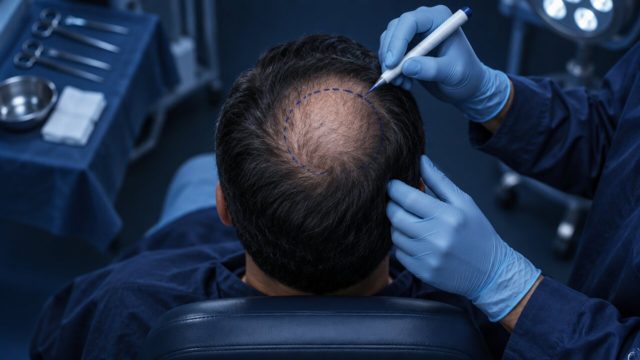
The number of grafts needed is decided after assessment of hair loss pattern, donor capacity, hair characteristics and the coverage goal. A plan for 3,000 grafts may be suitable for one patient and unsuitable for another. More grafts do not automatically mean a better outcome. The aim is usually to create a natural-looking result while protecting the donor area and planning responsibly for possible future hair loss.
A 3,000-graft procedure commonly takes most of a clinical day, but the exact duration varies. It can depend on the technique, the number of staff involved, how easily grafts can be extracted, whether a break is needed and the details of the hairline or crown design. Some patients may require a different plan, including staged treatment, rather than one session. Your doctor will explain the expected schedule before you travel.
Sapphire FUE and DHI are both available at Acibadem Hair Transplant Center, and the choice is made according to clinical suitability rather than season alone. Needle-free anaesthesia is also available for patients who are appropriate candidates. If you are scheduling during winter, ask how long you should remain in Istanbul for review appointments and when it is sensible to fly home, especially if your journey involves connections or long-distance travel.
07What to expect from month one to month seven
Early appearance can be misleading after a transplant. In the first weeks, transplanted hairs often shed as the follicles enter a resting phase. This is commonly expected and does not necessarily mean that grafts have failed. The scalp may look similar to its pre-treatment appearance for a while, which can be emotionally challenging. Taking consistent photos in the same light can provide a more realistic record than checking the mirror every day.
By around seven months, many patients notice meaningful new growth and improved coverage, but the hairs may still be fine, uneven in length or less dense than the eventual result. The crown can appear to mature more slowly than the frontal area in some cases. Hair texture can also continue to change as new hairs thicken and blend with existing hair. Your timeline may differ based on the treated area, individual biology and aftercare adherence.
A hair transplant in winter gives you a useful opportunity to begin this longer growth process before spring and summer events, but it does not create an instant cosmetic change. Patience is part of treatment. Acibadem Hair Transplant Center provides 12 months of follow-up, allowing patients to share progress with the team during the stages when growth is still developing. Contact the clinic if you have concerns rather than making assumptions from online comparison photos.
08Long-term results, costs and realistic expectations
Transplanted follicles are generally selected from the donor area because they are more resistant to the hormone-related process that causes common pattern hair loss. Even so, a hair transplant does not stop the natural ageing process or prevent ongoing thinning in non-transplanted hair. Ten years later, many patients may still have transplanted growth, but the overall appearance can change if surrounding native hair continues to thin. Long-term planning is therefore an essential part of a responsible consultation.
The cost of a transplant cannot be judged accurately by graft count alone. A 3,000-graft plan may differ in complexity depending on the treatment technique, donor assessment, hair characteristics, medical needs, travel services and follow-up arrangements. A reputable clinic should provide a clear personalised quotation after reviewing suitable photographs or examining the scalp. Be cautious with offers that focus only on a large number of grafts without explaining the clinical plan.
At Acibadem Hair Transplant Center, results are measured by trichoscopic graft survival at month 12, with a documented 98% rate under a written guarantee. This measurement does not mean that every patient will have the same cosmetic density or long-term pattern of hair loss. A free online hair analysis reviewed by doctors is available, with WhatsApp replies typically within about two hours. It can help you understand whether winter travel, treatment timing and a graft estimate may be appropriate to discuss further.
09Frequently Asked Questions
What is the expected cost for 3,000 hair grafts?
There is no single reliable price for 3,000 grafts because the total plan depends on donor area quality, technique, the complexity of the design, clinical requirements and included services. A doctor-reviewed assessment is needed before a personalised quotation can be given. It is helpful to ask what follow-up, transfers, accommodation and aftercare are included, rather than comparing graft numbers alone.
What may happen 10 years after a hair transplant?
Transplanted hair may continue to grow over the long term, but natural ageing and further thinning of non-transplanted hair can change the overall appearance. Some patients may need a future review or additional planning if their original hair continues to recede. Your long-term outlook depends on your hair loss pattern, donor reserve and individual response.
What can I expect seven months after a hair transplant?
At seven months, many patients are seeing visible new growth and improving coverage, although the hair may still be maturing in thickness, texture and density. Growth can be uneven at this stage, and crown areas may develop more slowly for some people. The final assessment is usually made later, often around month 12.
How long does a 3,000-graft hair transplant usually take?
A 3,000-graft procedure typically takes most of one clinical day. The exact time depends on the selected technique, extraction process, recipient-area work, breaks and individual clinical factors. Your treatment team will confirm the expected schedule after planning your procedure.
Dieser Artikel dient nur der allgemeinen Information und ersetzt keine professionelle medizinische Beratung.
Dieser Ratgeber dient der allgemeinen Information und ersetzt keine ärztliche Beratung. Behandlungsentscheidungen werden nach einer persönlichen oder Online-Untersuchung durch einen Arzt getroffen.